How Much Does It Cost To Restain Wood Floors? 2025 Guide
Thinking about updating your wood floors? You’re not alone. Many homeowners feel that nagging sense that their beautiful hardwood deserves a refresh. Maybe the color has faded. Perhaps it’s scratched from everyday life. Or maybe you just want a new look. Whatever the reason, wood floor restaining pops up as a great idea. But then comes the big question: how much does it actually cost? It’s a common worry, and finding clear answers can feel tough. We’re here to break it all down for you.
The average cost to restain wood floors in 2025 typically ranges from $1,000 to $4,000 for a standard room. However, the final price can vary significantly based on the size of the area, the type of wood, the condition of the floors, and the complexity of the job. DIY projects can save money on labor but require time and skill.
Understanding Wood Floor Restaining Costs
Restaining wood floors means changing their color. It’s different from refinishing, though they often go together. Refinishing usually involves sanding down the old finish. This removes scratches and wear. Then, a new stain is applied. Finally, a protective top coat seals it all in. So, when we talk about restaining costs, we’re often talking about the combined process of refinishing and staining.
The main goal is a fresh look without replacing the whole floor. It’s an investment in your home. It can boost curb appeal and even resale value. But knowing the budget is key. Let’s dig into what makes up that price tag.
My Own Floor Refresh Tale
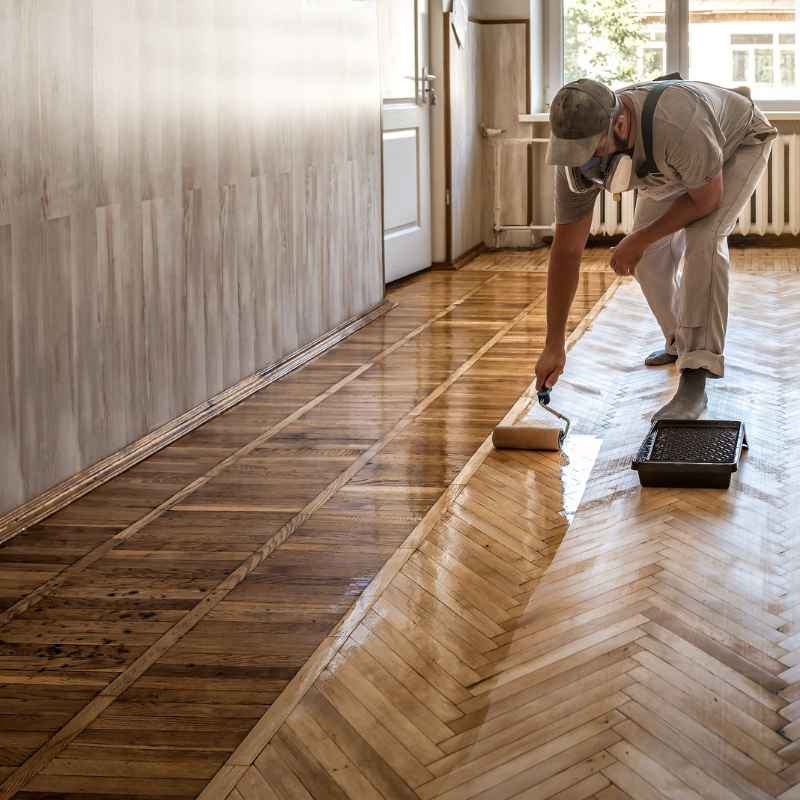
I remember staring at my living room floor years ago. It was a medium brown, standard stuff. But it had seen better days. Dog paws, dropped toys, and years of foot traffic had left their mark. The finish was dull in spots. I felt a bit embarrassed when people visited. I wanted something warmer, a bit more rustic. My heart was set on a richer, darker stain. I called a few local guys. One quote felt sky-high. Another seemed too good to be true. I felt a knot of confusion and worry in my stomach. Was I missing something? Was I about to get ripped off? It took a lot of calls and research to understand what was fair.
That experience taught me so much. It showed me how important it is to ask the right questions. It also highlighted how much prices can differ. I learned that ‘wood floor restaining cost’ isn’t a simple number. It’s a range, and many things push it up or down.
Key Factors Affecting Restaining Costs
- Labor: This is often the biggest chunk. Skilled pros cost more.
- Area Size: More square footage means more work and materials.
- Wood Type: Some woods are harder to work with.
- Floor Condition: Deep scratches or damage mean more sanding.
- Stain Choice: Darker or special stains might cost extra.
- Finish Type: Polyurethane, oil, or wax finishes have different prices.
Breaking Down the Price Tag: What You’re Paying For
Let’s look closer at the cost. When a professional gives you a quote, it usually covers several things. Understanding these helps you see where your money is going. This also helps you compare offers fairly.
Material Costs
This includes the stain itself. Different brands and types of stains have different prices. Darker, richer stains might be a bit more expensive. Then there’s the finish. Polyurethane is common and comes in oil-based and water-based options. Oil-based is usually cheaper but takes longer to dry. Water-based dries faster but can cost more. The grit of sandpaper is also a material. Professionals use a range of grits to get the wood perfectly smooth.
Dust containment systems also add to the cost. Good ones use special vacuums and seals. This keeps dust out of other rooms. It’s a big plus for your home’s air quality. But it’s an added expense for the contractor.
Labor Costs
This is where the bulk of the expense usually lies. Professional floor sanding is hard work. It requires skill to get an even finish. Applying stain evenly is also tricky. And getting the top coat just right takes practice. The more complex the job, the more time it takes. This means higher labor costs.
Expect to pay more if your floors have lots of intricate details. This includes borders, inlays, or staircases. These areas demand extra care and time from the crew.
Labor vs. Materials: A General Split
For a typical wood floor restaining project, labor costs often make up 60% to 80% of the total price. Materials like stain, sandpaper, and finish account for the remaining 20% to 40%.
Factors That Influence Your Total Cost
Beyond the basic breakdown, several specific factors can really move the needle on your final bill. Let’s look at these. This helps you prepare and understand quotes better.
Room Size and Square Footage
This is the most straightforward cost driver. The bigger the space, the more wood there is to sand, stain, and seal. Most professionals will quote you a price per square foot. This often ranges from $2 to $5 per square foot. So, a 200-square-foot room could cost between $400 and $1,000 for just the labor and basic materials. Larger areas, like a whole downstairs level, will naturally cost more.
It’s worth noting that some contractors might have a minimum charge for smaller jobs. So, even a tiny bathroom floor might have a set minimum cost. This covers their travel and setup time.
The Type of Wood
Not all wood floors are created equal. The type of wood your floors are made from can affect the cost. Hardwoods like oak and maple are common. They are generally easy to work with. Pine, on the other hand, is softer. It can be more prone to damage during sanding. It also absorbs stain differently. This might mean more effort to get an even color.
Exotic hardwoods can also be more expensive to stain. They might require special products. Their natural oils can sometimes react with stains. This can lead to unexpected results if not handled correctly. Always tell your contractor what kind of wood you have.
Wood Hardness Chart (Simplified)
| Wood Type | Hardness (Janka Rating) | Staining Ease |
|---|---|---|
| Oak (Red/White) | 1290 – 1360 | Easy |
| Maple | 1450 | Moderate (can be blotchy) |
| Pine | 870 – 1390 | Can be tricky (absorbs unevenly) |
| Cherry | 950 – 995 | Moderate |
Janka rating measures wood hardness. Higher numbers mean harder wood.
The Condition of Your Floors
This is a big one. Floors that are deeply scratched, dented, or water-damaged will need more work. Heavy damage might require more aggressive sanding. This uses up more sandpaper and takes longer. Sometimes, severe damage means boards need to be replaced. This adds to the material and labor costs.
If your floors have multiple layers of old finish, it also takes more time to sand them down to bare wood. This is especially true if the old finish is a very hard type. The goal is to get to a perfectly smooth surface before staining. Any imperfection left behind will show up in the new stain.
Sanding Method
There are different ways to sand floors. Drum sanders are powerful but can leave marks if not used correctly. Belt sanders are good for edges and corners. Orbital sanders provide a smoother finish. Professionals will use a combination of these. The quality of the equipment used can also affect the time and outcome.
Some contractors use dustless or low-dust sanding systems. These are great for your home. They capture most of the dust. But this advanced equipment often comes with a higher price tag. It’s a trade-off for a cleaner job site.
Restaining vs. Refinishing: A Quick Look
Refinishing: This involves sanding down to bare wood and applying a new finish. It can include a stain, but the main goal is a fresh protective layer.
Restaining: This means changing the color of the wood. It almost always involves sanding down to bare wood first. Then a new stain is applied before the final protective finish. So, restaining is usually part of a full refinishing process.
The Chosen Stain and Finish
The color and type of stain you choose can impact the cost. Standard wood stains are readily available. Specialty stains, like those that create a gray or white wash look, might cost a bit more. They can also be trickier to apply evenly.
The type of finish is also a factor. Polyurethane is common. Oil-based polyurethane is often cheaper than water-based. Water-based finishes dry faster, allowing the contractor to finish the job quicker. This can sometimes save on labor time. However, water-based finishes themselves can be more expensive per gallon. Some people prefer oil finishes for a more natural look. These might also carry a premium price.
Geographic Location
Where you live matters. Costs for labor and materials vary by region. Major metropolitan areas or places with a higher cost of living will likely have higher prices. Contractors in these areas face higher overhead costs. This is reflected in their quotes. A job in a rural area might be cheaper than the same job in a big city.
It’s always a good idea to get quotes from several local professionals. This helps you understand the going rate in your specific area. It also guards against overpaying.
Cost Variance by Region (Example Scenario)
Imagine a 500 sq ft living room. The cost to restain could be:
- Low Cost of Living Area: $1,500 – $2,500
- Medium Cost of Living Area: $2,000 – $3,500
- High Cost of Living Area: $3,000 – $5,000+
DIY vs. Professional: Making the Choice
This is a big decision for many homeowners. Can you save money by doing it yourself? Often, yes, you can save on the labor costs. But it comes with its own set of challenges and potential pitfalls.
The DIY Approach
If you’re handy and have the time, a DIY restaining project is possible. You’ll need to rent sanding equipment. This includes a drum sander and an edge sander. You’ll also need to buy sandpaper in various grits. Stain, brushes, rollers, and the final finish are also necessary purchases. Don’t forget safety gear like respirators and eye protection.
The biggest cost savings come from skipping the professional labor fees. However, if you make a mistake, it can be very costly to fix. Resanding an entire room because of an uneven stain or missed scratch is frustrating. It also adds more rental time and material costs. Your time is also a factor. Sanding and staining can take several days, or even a week, for a large area.
DIY Restaining Cost Estimate (Hypothetical)
For a 200 sq ft room, a DIY project might cost:
- Equipment Rental (3-5 days): $150 – $300
- Sandpaper & Supplies: $50 – $100
- Stain & Finish: $100 – $250
- Total DIY Cost: $300 – $650 (excluding your time)
This can be significantly less than professional labor, but mistakes can erase those savings.
When to Hire a Professional
If you value your time, want guaranteed results, or your floors are in rough shape, hiring a pro is wise. Professional floor refinishers have the right tools and experience. They know how to handle different wood types. They understand how to apply stains evenly. They can fix most damage.
They also have access to commercial-grade finishes. These are often more durable than what you can buy at a retail store. The dust containment systems they use are also superior. This protects your home and your family’s health. While the upfront cost is higher, the peace of mind and quality of the finish can be well worth it.
Professional Floor Restaining: What to Look For
- Experience: How long have they been doing this?
- Reviews: Check online reviews and ask for references.
- Insurance: Make sure they are licensed and insured.
- Detailed Quote: Get everything in writing.
- Sample Swatches: Ask if they can do a small test patch.
Restaining vs. Other Flooring Updates
It’s helpful to compare restaining costs to other flooring options. This gives you perspective on value. Replacing hardwood floors can cost anywhere from $6 to $12 per square foot. This is for new materials and installation. This is significantly more than restaining.
Installing carpet typically costs $3 to $7 per square foot. Vinyl plank flooring can range from $2 to $6 per square foot. Laminate flooring is usually $2 to $5 per square foot. So, restaining your existing hardwood is often a more budget-friendly way to update your floors compared to full replacement.
Cost Comparison Per Square Foot (Approximate)
| Flooring Type | Average Cost Per Sq Ft |
|---|---|
| Restaining Wood Floors | $2 – $5 |
| Refinishing (no stain change) | $2 – $4 |
| New Hardwood Installation | $6 – $12 |
| Carpet Installation | $3 – $7 |
| Vinyl Plank Installation | $2 – $6 |
What to Expect During the Process
Knowing what happens during restaining can ease any anxiety. It’s a multi-step process. It requires time for drying between coats.
Step 1: Preparation
The area needs to be cleared. Furniture must be moved out. Sometimes, contractors can work around large, heavy items. But it’s best to have the room completely empty. They will also protect walls and baseboards with tape and plastic sheeting.
Step 2: Sanding
This is the most disruptive part. The floor will be sanded down. This creates dust, even with dust-containment systems. The goal is to remove the old finish and any imperfections. Multiple passes with different grit sandpaper are usually made.
Step 3: Staining
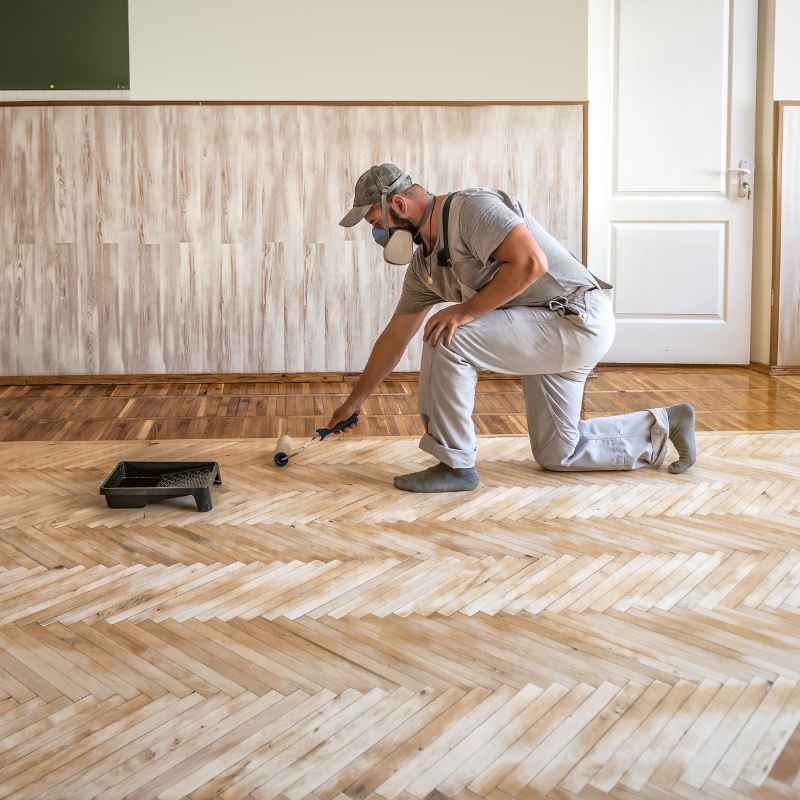
Once the floor is bare and clean, the stain is applied. This is often done with a brush or a specialized applicator. The stain is usually wiped off after a short period. This controls the depth of the color. Multiple coats might be needed for very dark colors.
Step 4: Drying Time
This is crucial. The stain needs to dry completely. This can take anywhere from 12 to 24 hours, depending on the type of stain and humidity. Rushing this can cause the stain to become uneven.
Step 5: Applying the Finish
Several coats of a protective finish (like polyurethane) are applied. Each coat needs to dry. Then, it’s often lightly sanded between coats for a smoother final surface. This process can take a few days.
Step 6: Curing Time
Even after the finish is dry to the touch, it needs time to cure fully. This can take up to 30 days. During this time, you should be gentle with the floors. Avoid heavy furniture or abrasive cleaners.
Typical Timeline for Restaining
A single room might take:
- Preparation: 1/2 day
- Sanding: 1 day
- Staining & Drying: 1-2 days
- Finishing Coats & Drying: 1-2 days
- Total Project Time (excluding full cure): 3.5 – 5.5 days
When Restaining Might Not Be the Best Option
While restaining is a great way to refresh floors, it’s not always the answer. If your hardwood is too thin, it might not withstand multiple sandings. This is especially true if it has been refinished before. Deep gouges or rot might mean replacement is more cost-effective in the long run.
Also, if your floors are engineered wood with a very thin top veneer, sanding too much can go through the wear layer. This would expose the core material. In such cases, a screen and recoat might be a better, less invasive option. This process lightly scuffs the existing finish and adds a new coat without full sanding. It won’t allow for a color change, though.
Restaining vs. Screen and Recoat
Restaining: Involves sanding to bare wood to change color. Requires a thicker wear layer. Higher cost.
Screen and Recoat: Lightly buffs existing finish and adds a new coat. Cannot change color. Suitable for thinner wear layers. Lower cost.
Saving Money on Your Restaining Project
Want to keep costs down? There are smart ways to do it. Scheduling your project during the off-season for contractors can sometimes yield lower prices. This might be during colder months when outdoor work is less common.
Doing some of the prep work yourself can also help. Moving furniture and clearing the space reduces the contractor’s workload. If you are considering DIY, focus on a smaller, less complex area first. This builds your confidence and skills.
Always get multiple quotes. Compare them carefully. Ask what is included in the price. Ensure you are comparing apples to apples. A lower quote might mean fewer coats of finish or lower quality materials. It’s about finding the best value, not just the lowest price.
Tips for Budget-Friendly Restaining
- Get Multiple Quotes: Aim for 3-5 estimates.
- DIY Prep Work: Move furniture and clear rooms.
- Schedule Off-Peak: Consider winter months.
- Ask About Materials: Understand the quality of stain and finish.
- Consider a Slightly Simpler Stain: Avoid highly specialized colors.
Frequently Asked Questions About Wood Floor Restaining Costs
How long do wood floors last after restaining?
With proper care, restained wood floors can last for many years. The lifespan depends on the quality of the finish, the type of traffic they receive, and regular maintenance. Typically, you can expect them to look great for 10-15 years before needing another refresh, though this varies greatly.
How long do wood floors last after restaining?
With proper care, restained wood floors can last for many years. The lifespan depends on the quality of the finish, the type of traffic they receive, and regular maintenance. Typically, you can expect them to look great for 10-15 years before needing another refresh, though this varies greatly.
Can I change my dark wood floors to a lighter color?
Yes, you generally can. However, achieving a very light color from a very dark one might require more aggressive sanding. This is especially true if the dark color is from a deep stain. Sometimes, a lighter stain might not cover the dark undertones completely, leading to a slightly different hue than expected. Always ask your contractor about the feasibility and potential outcome.
Can I change my dark wood floors to a lighter color?
Yes, you generally can. However, achieving a very light color from a very dark one might require more aggressive sanding. This is especially true if the dark color is from a deep stain. Sometimes, a lighter stain might not cover the dark undertones completely, leading to a slightly different hue than expected. Always ask your contractor about the feasibility and potential outcome.
What’s the difference between restaining and recoating?
Restaining involves sanding down to bare wood to change the floor’s color. Recoating (or screen and recoat) involves lightly abrading the existing finish and applying a new protective coat without removing the color. You cannot change the color with a recoat, but it’s less invasive and cheaper if your floors are just dull and scratched.
What’s the difference between restaining and recoating?
Restaining involves sanding down to bare wood to change the floor’s color. Recoating (or screen and recoat) involves lightly abrading the existing finish and applying a new protective coat without removing the color. You cannot change the color with a recoat, but it’s less invasive and cheaper if your floors are just dull and scratched.
How much does it cost to restain just one room?
The cost to restain just one room can range widely, typically from $1,000 to $4,000 or more. This depends heavily on the room’s size, the wood’s condition, and your location. For a small to medium-sized room (like 150-300 sq ft), expect costs to be on the lower end of that range if the wood is in good shape.
How much does it cost to restain just one room?
The cost to restain just one room can range widely, typically from $1,000 to $4,000 or more. This depends heavily on the room’s size, the wood’s condition, and your location. For a small to medium-sized room (like 150-300 sq ft), expect costs to be on the lower end of that range if the wood is in good shape.
Can I stain my oak floors a different color?
Absolutely! Oak is one of the most popular woods for staining because it takes stain very well and shows off its grain beautifully. You can go from a natural oak look to a dark walnut, a rustic gray, or even a painted finish if you desire. Oak is very versatile for restaining.
Can I stain my oak floors a different color?
Absolutely! Oak is one of the most popular woods for staining because it takes stain very well and shows off its grain beautifully. You can go from a natural oak look to a dark walnut, a rustic gray, or even a painted finish if you desire. Oak is very versatile for restaining.
What is the most expensive part of restaining wood floors?
The most expensive part of restaining wood floors is almost always the labor. This includes the skilled work of sanding the floors perfectly smooth, applying the stain evenly, and applying multiple coats of protective finish. Materials like stain and finish are a fraction of the total cost compared to the time and expertise required from professionals.
What is the most expensive part of restaining wood floors?
The most expensive part of restaining wood floors is almost always the labor. This includes the skilled work of sanding the floors perfectly smooth, applying the stain evenly, and applying multiple coats of protective finish. Materials like stain and finish are a fraction of the total cost compared to the time and expertise required from professionals.
Final Thoughts on Wood Floor Restaining Costs
Restaining your wood floors is a fantastic way to bring new life to your home. While costs can seem high, understanding the factors involved helps you budget better. It’s an investment in beauty and value.
We’ve explored everything from material and labor costs to DIY versus professional services. Remember, the goal is a beautiful, durable finish. Take your time, get good quotes, and you’ll end up with floors you love for years to come.
Sponsored / affiliate links. As an Amazon Associate I earn from qualifying purchases. I may earn additional commission from eligible campaigns.