How To Get Pet Stains Out Of Hardwood Floors (Works Fast)
Pet stains on hardwood floors can be tough, but you can remove them. This involves identifying the stain type, using gentle cleaning agents, and acting quickly. Safe methods focus on lifting the stain without damaging the wood’s finish or the wood itself, often using common household items. Acting fast is key to preventing the stain from setting deep into the wood.
Understanding Pet Stains on Hardwood
Pet stains are more than just surface messes. When pets have accidents, the urine, feces, or vomit can soak into the wood. This liquid contains acids and organic matter. These components can penetrate the wood’s finish and even reach the wood itself. Over time, this can cause discoloration. It might look like a dark spot or a ring. The longer a stain sits, the harder it is to remove. Moisture also warps wood. This can lead to lasting damage if not cleaned properly.
Different types of pet messes act differently. Urine is common. It has ammonia and other compounds. These can bleach or darken the wood. Feces can contain oils and pigments. These can also stain. Vomit is acidic. It can eat away at finishes. Understanding what caused the stain helps choose the best cleaning method. Fresh stains are always easier to handle. They haven’t had much time to soak in. Dried stains are a bigger challenge. They require more effort. They may also need stronger, yet safe, cleaning solutions.
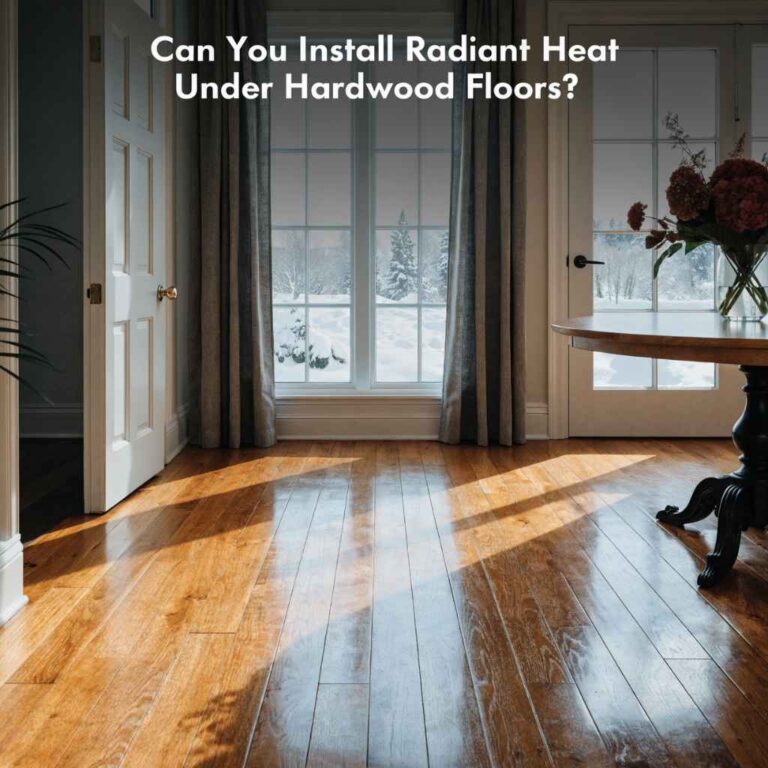
The finish on your hardwood floors plays a big role. Most modern hardwood floors have a protective top coat. This is usually polyurethane. This finish helps resist stains. It makes cleaning easier. However, if the finish is worn or scratched, stains can get through faster. Older floors might have wax finishes. These are less resistant to liquids. They can absorb stains more easily. Knowing your floor’s finish type helps you clean without ruining it. Always test any cleaning product in a hidden spot first.
Common Pet Stain Culprits
Urine: The most frequent offender. Contains ammonia, which can bleach or darken wood.
Feces: Can leave oily residues and pigments that stain.
Vomit: Acidic nature can damage the floor’s finish and discolor wood.
Mud/Dirt: While not a “stain” in the same way, tracked-in mud can leave rings and dirt that embed itself.
My Own Hardwood Floor Nightmare
I remember one particularly stressful evening. My usually well-behaved golden retriever, Max, had an upset stomach. I was working late, the house was quiet, and then I heard that tell-tale gurgling sound. By the time I got to him, it was too late. He’d made a mess right in the middle of my beautiful oak living room floor. Panic set in. It wasn’t just a little puddle; it was a significant amount, and it had clearly soaked in. I grabbed paper towels and wiped frantically, but a dark, ugly stain was already forming. I felt sick to my stomach. All I could think was, “This is going to ruin my floor.” The sheer fear of permanent damage was overwhelming.
My first instinct was to grab the strongest cleaner I had under the sink. I almost sprayed it directly onto the stain. Thankfully, I stopped myself. I remembered reading that harsh chemicals could strip the finish or even damage the wood itself. The thought of making it worse was terrifying. I spent a good hour online, sifting through countless tips and tricks. Some seemed too good to be true. Others sounded dangerous. I felt so lost and worried about damaging my investment. It was a true test of patience and careful research. I learned so much that night about the sensitivity of hardwood.
Eventually, I settled on a few gentle methods. I started with the basics: blotting, mild soap, and water. Then I moved to slightly stronger, yet still safe, options. It took time and repeated effort. But slowly, painstakingly, the stain began to fade. Seeing it lighten gave me so much relief. It taught me that quick reactions and the right approach are everything. It was a hard lesson, but one that has served me well every time a pet accident has happened since. I also learned to have a pet stain kit ready.
The Key Steps to Tackling Pet Stains
When you find a pet stain, the first and most crucial step is to act fast. Don’t let it sit. Grab clean cloths or paper towels. Blot up as much of the liquid or solid mess as possible. Avoid rubbing. Rubbing can push the stain deeper into the wood grain and spread it. Press down firmly. This helps absorb the moisture from the surface.
Once you’ve removed the bulk of the mess, you need to clean the area. For fresh stains, a mild solution often works well. Mix a few drops of pH-neutral dish soap with warm water. Dampen a clean cloth with this solution. Wring it out really well. You want the cloth to be damp, not wet. Excess water can damage hardwood. Gently wipe the stained area. This helps lift any remaining residue from the surface.
After cleaning, it’s important to dry the area thoroughly. Use a dry, clean cloth to blot away any moisture. You can also let the area air dry. Make sure there’s good air circulation. Sometimes, a fan can help speed this up. Leaving any moisture on hardwood can cause issues. It might lead to swelling or warping of the wood. It can also damage the finish over time. So, diligent drying is as important as the cleaning itself.
Quick Stain Removal Checklist
1. Blot Immediately: Use clean cloths to soak up excess liquid or remove solids. Don’t rub!
2. Mild Soap Solution: Mix pH-neutral dish soap with warm water. Dampen, don’t soak, a cloth and wipe.
3. Rinse (Gently): Use a separate cloth dampened with plain water to remove soap residue.
4. Dry Thoroughly: Use a dry cloth and good air circulation to remove all moisture.
Dealing with Stubborn or Old Stains
If a stain has set in, or if you’re dealing with an older, dried-out mess, you’ll need a bit more power. For dark stains that mild soap didn’t lift, white vinegar can be helpful. Vinegar is acidic. It can help break down stains. Mix equal parts white vinegar and water. Again, dampen a cloth. Wring it out well. Wipe the stain. Let it sit for a few minutes. Then, wipe with a clean, damp cloth and dry. Always test vinegar in an inconspicuous spot first.
Another effective option for tougher stains is baking soda. Baking soda is a mild abrasive. It can help lift stains. It also absorbs odors. Make a paste of baking soda and water. Apply this paste to the stain. Let it sit for a few hours, or even overnight. Once dry, gently wipe it away with a soft brush or cloth. Then, clean the area with a damp cloth and dry it well. This method is quite safe for most finishes.
For very dark, set-in stains that haven’t responded to other methods, you might need to try hydrogen peroxide. Use a 3% solution. Dampen a clean cloth with the hydrogen peroxide. Wring it out very well. Gently dab the stained area. You might need to repeat this. Be patient. Hydrogen peroxide can lighten wood. So, use it sparingly and only on the stained spot. After treatment, wipe with a damp cloth and dry thoroughly. Never let peroxide sit on the wood for too long without checking.
Sometimes, for extremely deep stains, you might consider a specialized wood stain remover. These are designed for hardwood floors. They are often more potent than household cleaners. However, they can also be more aggressive. Always follow the product instructions precisely. Test in a hidden area. These products might affect the finish. If you’re unsure, it’s best to consult a professional. They can assess the damage and recommend the safest solution. E-E-A-T is important here; professional advice is valuable.
Advanced Stain Treatment Options
White Vinegar Solution: Mix 1 part vinegar with 1 part water. Dampen cloth, wipe, wait, rinse, dry.
Baking Soda Paste: Mix baking soda with water to form a paste. Apply, let dry, brush off, clean, dry.
Hydrogen Peroxide (3%): Dab sparingly onto stains with a damp cloth. Monitor closely. Rinse and dry.
Commercial Wood Stain Removers: Use as directed, test first, and consider professional help.
What About Odors?
Pet stains often come with odors. Even after the stain is gone, a faint smell might linger. This is because urine contains ammonia. It can soak into the wood and subfloor. Baking soda is your friend here. After cleaning the stain and drying the area, sprinkle a generous amount of baking soda over the spot. Let it sit for several hours or overnight. Baking soda absorbs odors. Then, vacuum it up. This often does the trick.
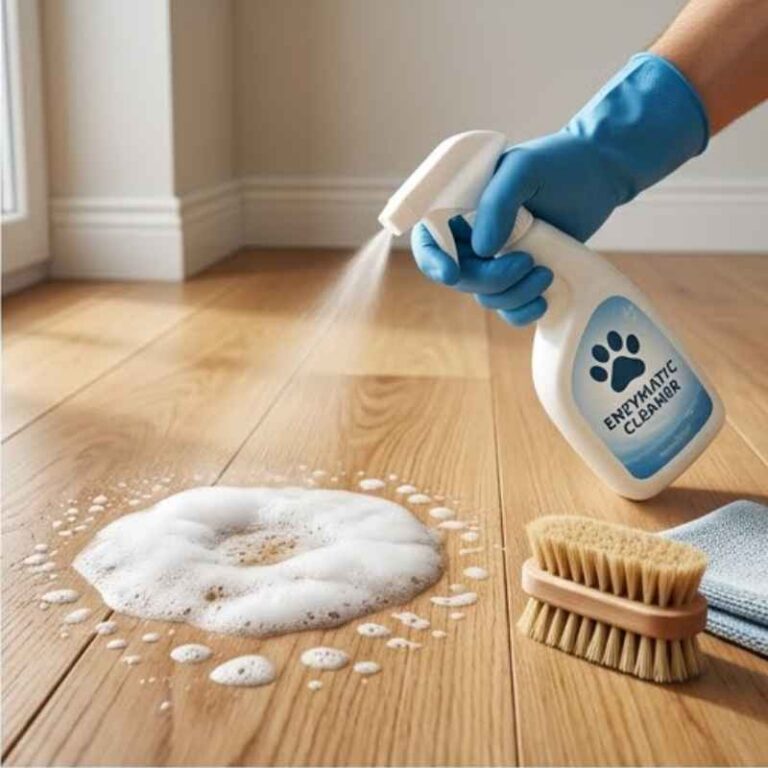
Another way to combat lingering odors is with an enzymatic cleaner. These cleaners are specifically designed to break down organic matter. They are very effective against pet waste odors. You can find them at pet stores. Follow the product instructions carefully. Usually, you apply the cleaner, let it sit for a while, and then wipe it up. These are safe for most hardwood finishes. They work by consuming the odor-causing bacteria.
If the odor persists even after cleaning and using odor absorbers, it might mean the urine has soaked deeper. It could have reached the subfloor. In severe cases, you might need to treat the subfloor itself. This is a more involved process. It might require removing the baseboards and applying an odor-blocking primer. If you suspect this is the case, consulting a flooring professional is wise. They can determine the extent of the problem and offer solutions.
Odor Elimination Strategies
Baking Soda: Sprinkle, let sit, vacuum. Excellent for absorbing smells.
Enzymatic Cleaners: Break down odor-causing organic matter. Follow product directions.
Ventilation: Open windows and use fans to air out the room. Fresh air helps.
Professional Assessment: For persistent odors, professional help might be needed for subfloor treatment.
Protecting Your Hardwood Floors Moving Forward
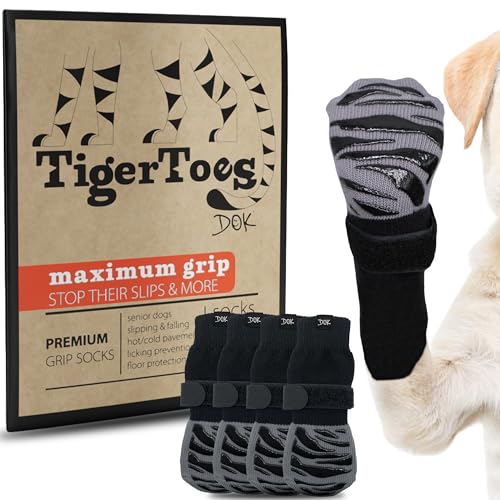
Prevention is always better than cure. The best way to deal with pet stains is to stop them from happening in the first place. Regular potty breaks are essential for puppies and senior dogs. Clean up any accidents immediately. Keep your pet’s paws clean. Wipe them down after walks, especially in wet or muddy conditions. This prevents tracking dirt and moisture onto the floors.
Consider using pet-friendly mats or rugs in high-traffic areas. These can catch dirt and moisture. They also provide extra protection for your floors. Ensure your pet has a designated space. This might be a comfortable bed or crate. Sometimes, territorial marking can occur. Addressing behavioral issues with a trainer can help. This can prevent future accidents and stains.
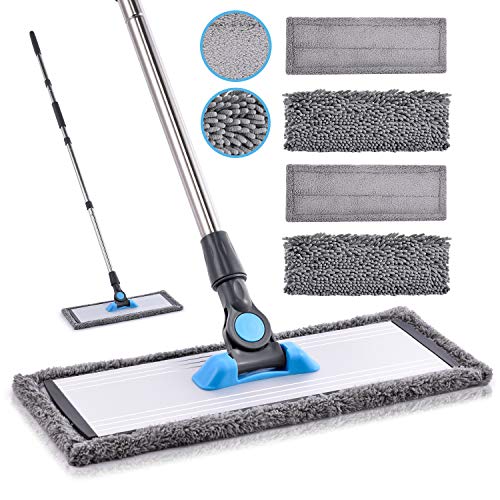
Maintaining your floor’s finish is also key. Regularly sweep or dust mop your floors. This removes grit that can scratch the finish. Periodically clean your floors with a recommended hardwood floor cleaner. Avoid using too much water. A well-maintained finish is more resistant to stains. If you notice wear and tear on your finish, consider refinishing your floors. This can add a new protective layer and restore their beauty.
Preventative Measures for Pet Owners
Consistent Potty Breaks: Essential for puppies and seniors.
Clean Paws: Wipe down pet paws after walks to avoid tracking dirt and moisture.
Protective Mats/Rugs: Place them in high-traffic areas and near food/water bowls.
Regular Floor Maintenance: Sweep, dust mop, and use appropriate cleaners for your floor finish.
When to Call a Professional
While many pet stains can be tackled with DIY methods, there are times when professional help is the best option. If a stain is extremely deep, dark, or has been there for a very long time, you might not be able to remove it completely yourself. Professionals have access to stronger, specialized products and equipment. They also have the expertise to use them safely on your specific type of hardwood floor.
If you’ve tried several methods and the stain is still visible, or if you’re worried about damaging the finish, it’s time to call in the experts. They can assess the damage. They can determine if the stain has penetrated the wood itself or even the subfloor. This is especially important if there are persistent odors. A professional can offer solutions ranging from deep cleaning to board replacement or refinishing.
Don’t hesitate to seek professional advice if you’re unsure about any cleaning product or method. Incorrectly treated stains can lead to permanent damage. This can be much more expensive to fix than calling a professional in the first place. Trusting your floor to an experienced professional ensures the best possible outcome for your beautiful hardwood.
Frequently Asked Questions About Pet Stains on Hardwood
Can pet urine permanently damage hardwood floors?
Yes, pet urine can permanently damage hardwood floors if not treated promptly. The acids and ammonia in urine can penetrate the wood’s finish and discolor the wood itself, leading to dark spots or even warping over time. Acting quickly is crucial.
How do I know if my hardwood floor finish is damaged by a stain?
Damage might appear as a lighter or darker spot than the surrounding wood, a raised or swollen area, or a dull or worn patch where the finish has been compromised. If the wood grain looks altered or the color is significantly different, the finish or wood itself may be damaged.
Can I use bleach to remove pet stains from hardwood floors?
It is generally not recommended to use bleach on hardwood floors. Bleach can lighten the wood and damage its finish, potentially causing more harm than good. Safer alternatives like vinegar, baking soda, or hydrogen peroxide (used cautiously) are preferred.
What is the best way to clean a fresh pet accident on hardwood?
For a fresh accident, blot up as much liquid or solid as possible with clean cloths or paper towels. Then, use a damp (not wet) cloth with a mild solution of pH-neutral dish soap and water to gently clean the area. Rinse with a clean, damp cloth and dry thoroughly.
Will professional floor cleaning remove deep pet stains?
Professional floor cleaners often have access to specialized products and techniques that can remove even deep or old pet stains. They can assess the wood and finish to use the most effective and safest method, which might involve deep cleaning, sanding, or refinishing.
How long does it take for a pet stain to set into hardwood?
Pet stains can start to set in very quickly, sometimes within minutes, especially if the finish on your hardwood floor is compromised. The longer a liquid sits on the wood, the deeper it can penetrate and the more likely it is to cause permanent discoloration or damage.
Final Thoughts on Restoring Your Floors
Tackling pet stains on hardwood floors can feel daunting, but it’s absolutely manageable. By understanding the cause, acting swiftly, and using the right gentle methods, you can restore your floors. Remember to always test solutions first. Patience and care will help you win the battle against stains and odors. Your beautiful floors can shine again.
Sponsored / affiliate links. As an Amazon Associate I earn from qualifying purchases. I may earn additional commission from eligible campaigns.