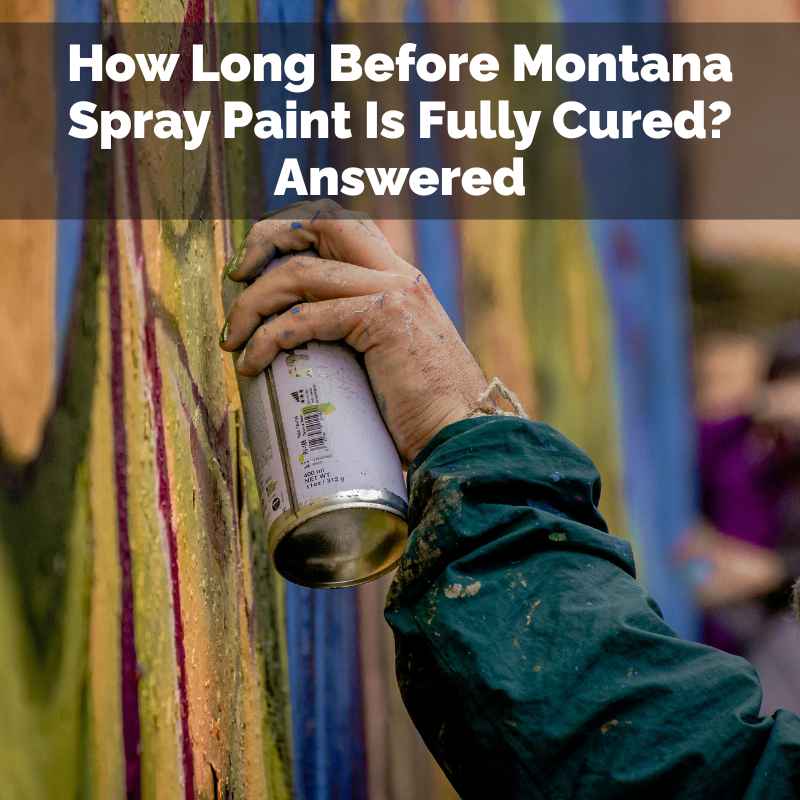
How Long Before Montana Spray Paint Is Fully Cured? Answered
It’s a common question when you’re working on a project. You finish your last spray and want to move on. Or maybe you need to know when you can touch it, stack things on it, or put it outside.
Waiting for paint to dry is one thing. But knowing when it’s truly cured is another. This is especially true with aerosol paints like Montana, which have specific needs.
We’ll break down what “cured” really means for Montana spray paint and how long you should expect to wait. You’ll learn what affects the time and how to get the best results for your art or project.
Montana spray paint cures in stages. Surface dry time is usually 10-15 minutes. Touch dry is about 30 minutes. Full cure, meaning it’s hard and durable, can take anywhere from 24 hours to several days or even weeks, depending on conditions like temperature and humidity. Proper curing ensures maximum durability.
Understanding Paint Curing
When we talk about paint, there are different stages of drying. This is true for wall paint and for spray paint. It’s important to know the difference.
It helps you avoid mistakes. It also helps your project look its best for a long time. Montana spray paint is known for its quality.
Understanding its curing process helps you use it well.
First, there’s surface dry time. This is when the paint feels dry to the touch. You can lightly run a finger over it.
But it’s still soft underneath. You might easily smudge it. For most Montana spray paints, this happens pretty fast.
We’re talking about maybe 10 to 15 minutes.
Next, we have touch dry. This stage is a little further along. The paint is dry enough to handle gently.
You can carefully touch it without leaving a mark. It’s not sticky anymore. This usually takes about 30 minutes.
But it can vary.
The most important stage is full cure. This is when the paint has truly hardened. It’s reached its maximum durability.
It’s resistant to scratches, water, and other damage. The chemicals in the paint have fully bonded and evaporated. This takes the longest.
It’s where people often get confused. They might think it’s fully cured when it’s just touch dry. This can lead to problems later.
Full cure time is not a set number. It depends on many things. We’ll explore those soon.
But generally, you’re looking at at least 24 hours. For many applications, it could be several days. Sometimes, it even takes a few weeks.
Patience is key here.
What Does “Cured” Really Mean?
Think of it like baking a cake. When you take it out of the oven, it’s cooked. But it’s still hot and soft.
It needs time to cool and set. If you try to frost it too soon, it will be a mess. Paint curing is similar.
The solvents in the paint need to fully evaporate.
The binders in the paint also need to harden. This creates a tough, lasting film. If you put heavy objects on a freshly painted surface, it can leave dents.
If you wash it too soon, you might remove some of the paint. This is because the paint hasn’t fully completed its chemical process.
For Montana spray paint, this process is crucial. They use high-quality pigments and binders. This gives their paints great coverage and vibrant colors.
But to get that lasting finish, you need to let the paint do its work. Letting it cure properly means your artwork or project will last longer. It will look better over time.
It’s more than just drying. It’s a chemical transformation. The paint goes from a liquid to a solid, protective layer.
This layer needs to be strong. It needs to withstand everyday wear and tear. This final strength only comes when the paint is fully cured.
Many people assume that once a spray paint is not wet, it’s ready for anything. This is a common misunderstanding. It’s especially true for hobbyists or DIYers.
They might be eager to finish a project. But skipping the curing time is a mistake. It can lead to peeling, chipping, or dulling of the finish.
It’s worth the wait to do it right.
My Own Experience with Curing Patience
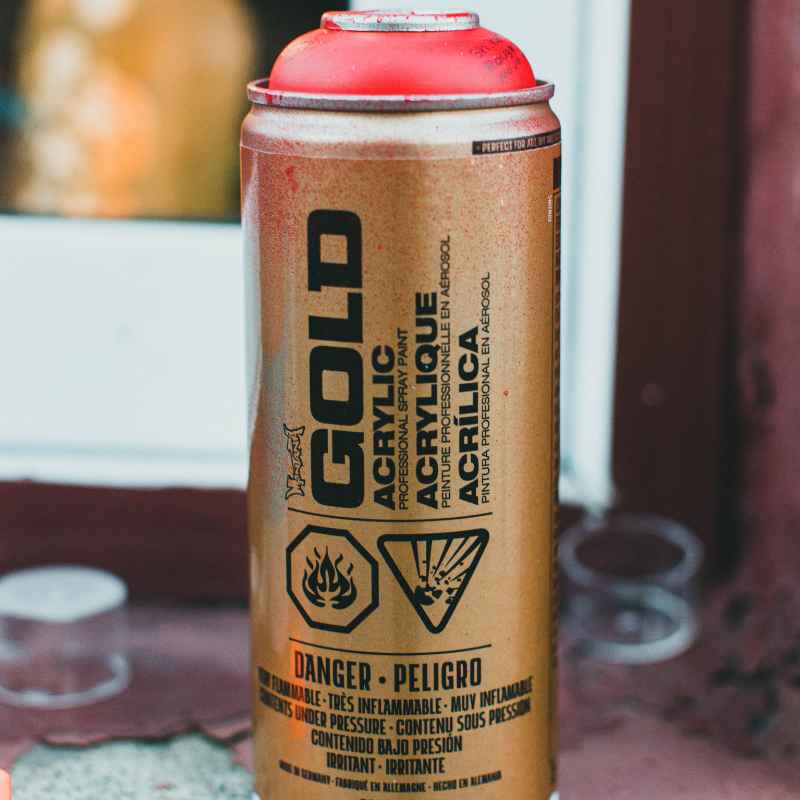
I remember a project I did a few years back. It was a set of custom skateboard decks for a local shop. I used Montana GOLD for the main designs.
I spent days on them, layering colors and details. The final coat looked amazing. It was glossy and smooth.
I was so excited to deliver them.
The shop owner wanted them for a weekend event. I told him they’d be ready. They were surface dry and touch dry well before then.
I carefully wrapped them for transport. When he unpacked them at the event, one of the decks had a small scuff mark. It wasn’t deep, but it was noticeable.
He was a bit disappointed. I felt terrible.
That’s when I really learned the hard way about full cure times. Even though the paint felt dry, it wasn’t tough enough yet. The edge of another deck must have rubbed against it during transport.
It was a lesson learned. Now, I always factor in the full cure time, especially for items that will get handled a lot. I would even add a note to my clients about it.
It’s better to explain the process than to have a surprise issue.
I learned to let my projects sit in a controlled environment for at least 24 to 48 hours. For items like those skateboard decks, I would give them a full week before delivery if possible. This ensured they were truly rock-solid.
The slight delay was always worth the peace of mind and the perfect finish.
This personal experience taught me that while quick drying is great, the ultimate goal is a lasting finish. And that comes from allowing the paint to fully cure. It’s a principle that applies to all types of paint, but especially to high-performance spray paints like Montana.
Quick Cure Timeline Stages
Surface Dry: The paint surface feels dry to the touch. Little to no paint transfers to your finger. Usually 10-15 minutes.
Touch Dry: The paint is dry enough to handle lightly. You can gently press it without leaving a mark. Typically around 30 minutes.
Hard Dry / Handling Dry: The paint is firm enough for careful handling and light assembly. Still not fully cured. Often 2-6 hours.
Full Cure: The paint has reached its maximum hardness and durability. It’s resistant to scratches and chemicals. Can take 24 hours to several weeks.
Factors Affecting Montana Spray Paint Cure Time
Several things influence how fast Montana spray paint cures. Understanding these helps you predict and manage the drying process. It’s like knowing how long it takes for bread to rise.
Different conditions make it faster or slower.
Temperature is a big one. Warmer temperatures speed up the evaporation of solvents. This means faster drying and curing.
Cooler temperatures slow it all down. If you’re painting in a cold garage in winter, it will take much longer. The ideal temperature range is usually around 65-80°F (18-27°C).
Humidity also plays a role. High humidity means there’s more moisture in the air. This slows down the evaporation of solvents from the paint.
It’s like trying to dry clothes on a very damp day. The air is already full of water. For best results, aim for moderate humidity.
Avoid painting during a rainy spell or in very humid conditions.
Airflow is another important factor. Good ventilation helps move the solvent vapors away from the painted surface. This promotes faster drying.
If you paint in a closed-off room, the solvents can build up. This can make the paint stay wet longer. Always ensure good airflow when spraying.
This is also important for your safety.
Paint Thickness matters too. Applying many thick coats can prolong curing. Each layer needs time to release its solvents.
If you apply a heavy coat, it traps solvents underneath. This slows down the cure time significantly. Thin, even coats are best.
They dry and cure much faster.
Surface Type can have a small effect. Porous surfaces might absorb some solvents faster. Non-porous surfaces let solvents evaporate only from the top.
However, for most common project surfaces, this difference is minor compared to temperature and humidity.
Finally, the specific product line from Montana Cans can influence this. Montana GOLD, for instance, is known for its fast drying. Montana BLACK might have slightly different characteristics due to its higher pigment load and valve system.
Always check the can or the manufacturer’s website for specific product details.
Environmental Control Checklist
Temperature:
Ideal: 65-80°F (18-27°C)
Too Cold: Slows cure, may affect finish.
Too Hot: May cause runs or poor adhesion.
Humidity:
Ideal: 40-60%
Too High: Slows evaporation, can cause clouding.
Too Low: Can sometimes lead to issues with certain paints, but generally less problematic than high humidity.
Airflow:
Essential: Ensures solvent vapors dissipate.
Good: Open windows, fans (not directly on paint).
Poor: Enclosed spaces, no ventilation.
Montana Spray Paint Types and Their Curing
Montana Cans offers different product lines. Each is designed for specific uses and has slightly different properties. This can affect their drying and curing times.
Knowing which type you’re using helps set expectations.
Montana GOLD: This is their flagship line. It’s known for its wide color range and high coverage. It also dries very quickly.
It’s great for fine art, murals, and studio work. Surface dry is often around 10 minutes, and touch dry within 20-30 minutes. Full cure on GOLD can still take a few days to a week for maximum hardness.
Montana BLACK: This line is designed for graffiti artists. It has a high-pressure system. This allows for fast application and sharp lines.
BLACK also dries quickly, often similar to GOLD. However, its formulation might be slightly different to handle the high pressure. Full cure is still in the same range, a few days to a week or more.
Montana ACRYLIC: This is a different kind of product. It’s an acrylic marker and spray system. The acrylic paint itself is water-based.
Sprays from this line will dry faster than solvent-based ones on the surface. However, the full cure of the acrylic film depends on the binders. It’s generally very durable once cured.
It often feels hard to the touch quite quickly.
Montana SPRAY PAINT ACCESSORIES: Things like primers, varnishes, and markers also have their own curing times. Primers need to cure before you paint over them. Varnishes need to cure to protect the underlying paint.
Always read the specific product instructions.
Even within the same line, different colors can sometimes dry slightly differently. This is due to the pigments used. Some pigments might affect the way the binders interact and cure.
However, these differences are usually minor. The environmental factors are much more significant.
The key takeaway is that while Montana paints dry fast, “dry” doesn’t mean “fully cured.” Always allow ample time for the paint to reach its full hardness and durability. This ensures your work stands up to the test of time and use.
Montana Product Line Quick Glance
Montana GOLD:
Focus: Art, studio, murals.
Drying: Fast.
Cure: Days to a week+ for full hardness.
Montana BLACK:
Focus: Graffiti, street art.
Drying: Fast.
Cure: Days to a week+ for full hardness.
Montana ACRYLIC:
Focus: Markers, detail work, mixed media.
Drying: Very fast (water-based).
Cure: Fast hard feel, durable film.
What Happens If You Rush the Cure Time?
Rushing the curing process can lead to several problems. These issues might not show up immediately. But they can affect the longevity and appearance of your project.
It’s like trying to rush healing. It often causes setbacks.
Denting and Scratching: As mentioned, the paint film is still soft. Heavy objects placed on the surface can leave dents. Knives, tools, or even fingernails can easily scratch through the paint.
This can ruin intricate designs or smooth finishes. It’s a common problem when moving furniture too soon.
Chipping and Peeling: If the paint hasn’t fully bonded, it’s more prone to chipping. This happens when something impacts the surface. It can also lead to peeling, especially if the paint is stressed.
This is more common on flexible surfaces like plastics or metals that might bend slightly.
Adhesion Issues: If you need to add another layer of paint or a clear coat, and the base coat isn’t fully cured, you can have adhesion problems. The new layer might not stick well. It could lift or peel off later.
This is why letting primers and base coats cure properly is so important.
Yellowing or Discoloration: In some cases, trapped solvents can cause the paint to yellow over time. This is more common with certain types of paint or if applied in extreme conditions. Proper curing helps ensure the paint film stabilizes correctly.
Surface Irregularities: If the paint is still soft, dust and debris can stick to it easily. This makes the surface look dirty or speckled. Even after it dries, the embedded particles remain.
This ruins a smooth finish.
Reduced Durability: Ultimately, rushing the cure time compromises the paint’s intended durability. It won’t be as resistant to moisture, UV light, or abrasion as it could be. This means your project might fade, crack, or degrade much faster.
The goal of using high-quality spray paint like Montana is to create a lasting, beautiful finish. Allowing adequate curing time is the final, critical step in achieving this. It’s an investment of time that pays off in the long run.
Real-World Scenarios and Montana Paint
Let’s look at some situations where knowing the cure time for Montana spray paint really matters.
Furniture Restoration: Imagine you’re painting an old wooden chair. You finish the final coat. It looks beautiful!
If you try to sit on it the next day, you might leave a mark on the seat. Or if you stack cushions on it too soon, they could stick. You need to wait until the paint is hard enough to handle the weight and friction.
Vehicle or Bike Parts: If you’re painting parts of a car, bike, or even a metal sculpture, these items will be exposed to the elements. They’ll also get handled. A bike frame needs to be super tough.
It will endure bumps, scrapes, and potentially weather. Rushing the cure means the paint could chip easily. It won’t protect the metal underneath.
Art Projects on Canvas or Wood: For artists, especially those working on pieces that will be sold or displayed, durability is key. A canvas might be rolled or a wood panel might be stored. If the paint isn’t fully cured, it can crack.
It can also rub off onto other surfaces. Artists need their work to last for years.
Outdoor Murals or Signage: When you paint something outdoors, it faces constant challenges. Sun, rain, wind. The paint needs to be fully cured to withstand this.
A partially cured paint might be more susceptible to water damage. It could fade faster or even blister in the sun. The tough, cured layer offers the best protection.
Model Building or Miniatures: For detailed work like model cars or gaming miniatures, handling is constant. Parts are assembled, painted, and then handled during play or display. The paint needs to be tough.
It must resist scuffs from fingers and friction from other parts. This requires complete curing.
In all these cases, the “dry to touch” stage is just the beginning. The real strength comes later. Patience with the curing process is not optional for a professional, lasting finish.
Scenario: Painting Outdoor Planters
Goal:
Durable, weather-resistant finish on terracotta planters.
Process:
Clean planters, apply Montana primer, apply 2-3 thin coats of Montana GOLD color, apply Montana Varnish.
Cure Time Considerations:
- Primer cure: At least 30-60 minutes before topcoat.
- Color coat cure: Allow each coat to dry (10-15 min) before next.
- Full color cure: Wait 24 hours (minimum) before varnishing.
- Varnish cure: Allow 24-48 hours before exposing to rain or heavy handling.
- Final planter cure: At least 7 days before constant outdoor exposure to ensure maximum durability against elements.
When Is Montana Spray Paint Safe to Handle?
This is where the stages of drying become crucial. You can handle Montana spray paint much sooner than you might think, but with caution.
Very Light Touch: After about 10-15 minutes, the surface should be dry enough for a very light touch. Think of gently brushing off a stray piece of lint. Do not press hard.
Do not slide your finger.
Careful Handling: By the 30-minute mark, it’s usually touch dry. This means you can pick up an object by its edges. You can handle it carefully.
Avoid gripping it tightly or rubbing any surfaces. If you’re painting a small item, like a can, you might be able to hold it by the bottom if the sides are dry.
Assembly and Moving: For projects where you need to assemble parts or move them around, wait longer. Aim for at least 2-6 hours. At this point, the paint is hard dry.
It’s much less likely to mar from careful handling. However, it’s still not fully resistant to scratches.
Full Durability: For anything that will see significant use, stacking, or exposure, you need to wait for the full cure. This means waiting at least 24 hours. For high-wear items, giving it 3-7 days is a much safer bet.
This ensures the paint is completely hardened.
Think about it this way: The “touch dry” stage means the solvents are mostly off the surface. The “full cure” stage means the solvents have mostly left the entire film. This takes much longer.
It’s the difference between a slightly firm jelly and a hard candy.
Always err on the side of caution. If you’re unsure, wait longer. It’s better to delay a project a little than to damage your work.
The beautiful finish you worked hard for deserves the full cure time.
How to Speed Up Montana Spray Paint Curing (Safely!)
While you can’t magically make paint cure instantly, there are safe ways to help speed up the process. These methods focus on optimizing the environmental factors we discussed earlier.
Increase Temperature: If you’re in a cool environment, move your project to a warmer spot. A heated room or a space with controlled heating is ideal. Avoid extreme heat, which can cause problems.
A consistent, moderate warmth is best. Think of a pleasant summer day, not a desert.
Improve Airflow: Open windows or use fans to increase air circulation around your project. This helps carry away the solvent vapors faster. Do not point fans directly at the wet paint.
This can cause uneven drying or dust to be blown onto the surface. Gentle, indirect airflow is the goal.
Reduce Humidity: If you live in a very humid area, consider using a dehumidifier in the room where your project is curing. This removes moisture from the air. This allows the solvents to evaporate more efficiently.
Aim for the ideal humidity range of 40-60%.
Thin Coats: This is more about application than post-application speeding up. When you apply thin, even coats, each layer dries and cures faster. If you’ve already applied thick coats, there’s not much you can do except wait longer.
But for future projects, remember this tip.
Use a Heat Lamp (with extreme caution): In some professional settings, a low-intensity heat lamp might be used. However, this is risky. Too much heat can cause the paint to bubble, wrinkle, or cure unevenly.
If you try this, keep the lamp very far away. Use it for only short periods. Monitor the paint closely.
For most hobbyists and artists, this method is best avoided.
Forced Drying Ovens: Professional painters sometimes use specialized ovens. These provide controlled heat and airflow to speed up curing. This is not something typically available or needed for home projects.
For Montana spray paint, relying on good environmental conditions is usually sufficient.
Remember, these methods help by creating better conditions for the paint’s natural curing process. They don’t replace the chemical reactions that need to happen. Always check the paint’s surface for dryness before handling.
And always wait for full cure for maximum durability.
Safe Curing Boosters
Warmer Environment:
Move project to a room with steady, moderate heat.
Better Airflow:
Ensure good ventilation; use fans indirectly.
Lower Humidity:
Use a dehumidifier if air is very moist.
Thin Coats (Application Tip):
Apply paint in multiple light layers for faster individual drying.
Frequently Asked Questions About Montana Spray Paint Curing
How long does Montana GOLD spray paint take to fully cure?
Montana GOLD spray paint typically takes 24 hours to 7 days for full cure. This means it’s hard and durable. Surface dry time is much faster, around 10-15 minutes.
Can I paint over Montana spray paint if it’s not fully cured?
It’s best to wait for full cure before applying additional layers. Painting over uncured paint can lead to adhesion issues, lifting, or uneven finishes. However, Montana GOLD and BLACK are designed for layering within short periods for specific effects, check product guides for details on wet-on-wet application.
What is the difference between dry and cured for spray paint?
Dry means the surface has lost most of its liquid solvents. You can touch it without leaving marks. Cured means the paint has fully hardened.
Its chemical bonds are complete, providing maximum durability and resistance.
Does humidity affect how long Montana spray paint cures?
Yes, high humidity slows down the curing process. It hinders solvent evaporation. For best results, cure paint in moderate humidity (40-60%).
Can I use a heat gun to speed up curing?
Using a heat gun is risky. Too much direct heat can damage the paint, causing bubbling or uneven curing. Gentle, indirect warmth from a distance is safer, but direct heat guns are not recommended for typical use.
How long does Montana BLACK take to cure?
Montana BLACK also takes 24 hours to 7 days for full cure. Its high-pressure system allows for fast application, and it dries quickly, but full hardening still requires significant time.
What happens if I expose my painted item to water too soon?
If exposed to water before full cure, the paint can become cloudy, soft, or even wash away. It may also develop water spots or stains. Always wait for the paint to be fully cured.
Final Thoughts on Curing
Patience is a virtue, especially when it comes to getting the best out of your Montana spray paint projects. While the fast drying times are fantastic for application, remember that “dry to the touch” is just the first step. The true magic happens during the curing process, when the paint film hardens and becomes resilient.
By understanding the factors that influence cure time—temperature, humidity, airflow, and paint thickness—you can better manage your project’s timeline. Avoid the common pitfalls of rushing the process. Your art, furniture, or custom projects deserve to last.
And that long-lasting finish is only possible with a full cure. So, give your painted creations the time they need to reach their ultimate strength and beauty. The wait will be worth it.
Sponsored / affiliate links. As an Amazon Associate I earn from qualifying purchases. I may earn additional commission from eligible campaigns.