How Much Does a Heat Pump Cost to Install?
A typical heat pump install costs about $8,000 to $20,000 for a ducted home, and ductless mini-splits often run about $3,000 to $12,000 per zone before major electrical or duct work. Miss the quote details, and you can end up paying for hidden duct repairs, panel upgrades, or a system that is the wrong size for your house. This guide breaks the price into equipment, labor, ductwork, electrical work, and climate-specific add-ons so you can compare bids with real numbers.
How much does a heat pump cost to install?
For a whole-home setup, a heat pump install usually lands in the low thousands to the high teens once equipment, labor, and common add-ons are included. A replacement in an existing ducted home often costs less than a first-time install because the duct system is already there, but electrical and code updates can still move the total.
Heat pump pricing varies because installers are not pricing one item. They price the outdoor unit, the indoor air handler or heads, the labor to size and connect the system, and any work needed to prepare the house for that load.
Replacement versus new installation
A replacement job is different from a first-time installation. If your home already has a usable duct system, the quote may stay closer to the equipment-and-labor side of the range. If the home needs ducts, line-set changes, or a panel upgrade, the price can move much higher.
That is why two homes with the same floor area can get very different bids. A straight swap is one project. A full retrofit is another.
📊 Heat pumps cost an average of $8,042 to install. Source: Thisoldhouse.
Heat pump quote estimator
This worksheet helps you turn a bid into a practical budget. Use it to separate the equipment price from the parts of the job that often get folded into one line item, then total the low, typical, and high ends for your house.
| Line item | Low | Typical | High | Fill in your quote |
|---|---|---|---|---|
| Equipment | $3,000 | $6,000 | $12,000 | $____ |
| Labor | $1,500 | $3,500 | $6,000 | $____ |
| Ductwork | $0 | $3,000 | $7,500 | $____ |
| Electrical panel upgrade | $0 | $1,500 | $4,000 | $____ |
| Permits | $50 | $150 | $300 | $____ |
| Optional cold-climate backup heat | $0 | $1,000 | $3,500 | $____ |
| Total | $4,550 | $15,650 | $33,300 | $____ |
Total formula: equipment + labor + ductwork + electrical upgrade + permits + backup heat = installed price.
Use the table as a starting band, not a promise. If a quote is far below the rest, check whether it excludes duct changes, permitting, or electrical work.
How much does each heat pump type cost?
Heat pump type changes the starting price more than almost any other choice. Air-source systems are the common whole-home option, mini-splits cost less to install when you do not have ducts, and geothermal has the highest upfront price because of the ground loop work. Dual-fuel systems sit in their own band because they combine a heat pump with a furnace.
Air-source heat pump
An air-source heat pump is the most common whole-home choice. It can use existing ductwork, and complete installation often falls in the $4,500 to $8,000 range for the equipment and core setup, though the total can move higher with duct changes, panel work, or higher-capacity equipment.
For a 3-ton heat pump, a common price band is $3,900 to $6,200 for the unit itself, before add-ons. Higher capacity usually costs more because the equipment is larger and the home may need more labor to install and balance it.
Mini-split heat pump
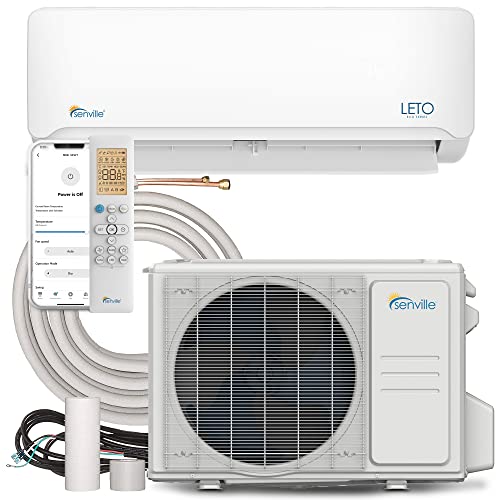
Mini-split heat pumps are often the lower-cost path for homes without ducts. They can serve one zone or several zones, and the average cost is $3,250. The installed price rises with each indoor head, with line-set length, and with whether the home needs electrical changes to support the outdoor unit.
This option can avoid a full duct retrofit, which is why the total often stays lower than a central ducted system. The tradeoff is that multi-zone projects can climb quickly as you add rooms.
Geothermal heat pump
Geothermal systems have the highest upfront cost because the loop installation is part of the job. The average for small to medium homes is $17,000, and large-home installations can exceed $30,000. Some geothermal heat pumps can cost $6,000 to $20,000, but the final installed price depends heavily on site work and loop design. (Thisoldhouse)
Small and medium homes are not priced the same as large homes. More house often means more loop capacity, more labor, and a larger upfront bill.
Dual-fuel hybrid heat pump
A dual-fuel hybrid heat pump combines a heat pump with a gas furnace. It is often used in colder climates where backup heat matters more, and the added furnace-side equipment raises the upfront cost. The installed price depends on whether the existing furnace can stay in place or needs replacement too.
These systems are worth pricing separately because they are not the same as a standard air-source swap. The quote should show both the heat pump side and the backup heat side.
What changes the installed price?
Capacity, efficiency, labor, and local rules all affect the final number. Two quotes can both be honest and still differ by thousands of dollars if one uses a larger system, a higher efficiency model, or more installer time.
Heat pump capacity and home size
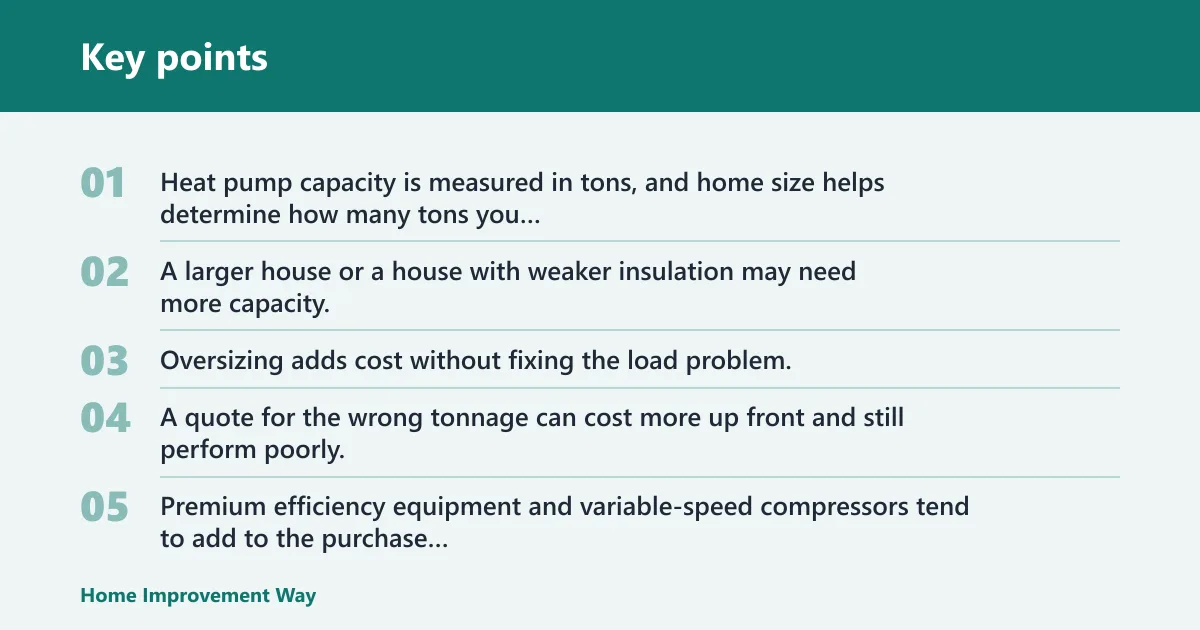
Heat pump capacity is measured in tons, and home size helps determine how many tons you need. A larger house or a house with weaker insulation may need more capacity, which raises the equipment price and sometimes the labor cost too.
Oversizing adds cost without fixing the load problem. A quote for the wrong tonnage can cost more up front and still perform poorly.
Efficiency rating and compressor type
Higher-efficiency models usually cost more. Premium efficiency equipment and variable-speed compressors tend to add to the purchase price because they are built for tighter output control and better performance in harder conditions.
If a quote is much higher than others, check whether it includes a better efficiency tier rather than only a bigger sticker price.
Labor cost and installer rates
Labor is a real line item, not a small afterthought. Installer rates vary by market, and systems that require more setup, more time on site, or more troubleshooting cost more to install.
Geothermal and solar-related work take more labor than a straightforward swap. Mini-splits can also become labor-heavy when several indoor heads are involved.
Permits and local pricing
Permits are usually a small part of the bill, but they are still part of the bill. Permit costs can range from $50 to $300, and local pricing rules can affect the total more than homeowners expect.
Local labor rates, inspection requirements, and code compliance can all push a quote up or down even when the equipment is the same.
How do ducts and electrical work change the total?
Ducts and electrical service are two of the biggest hidden cost drivers. A system that looks cheap on paper can become expensive once the installer checks duct condition or confirms that the panel has enough capacity for the added load.
Ductwork retrofit costs
Ductwork installation may add $3,000 to $7,500. That is why central ducted systems need a close look at the existing ducts before you compare bids. Leaks, undersized runs, or missing returns can add thousands to the project.
Mini-splits often avoid this line item because they do not rely on a full duct network. That is one reason they are common in homes without ducts.
Electrical panel upgrade costs
An electrical panel upgrade may be required if the current service cannot handle the heat pump load. That can add several thousand dollars, depending on what is already in the house and what the local utility or code requires.
If the panel is already near capacity, the heat pump quote should include the upgrade rather than leaving it as a surprise later.
Say your home has an older 100-amp panel and you are pricing a central air-source system. If the installer finds no spare capacity, the quote can jump after the electrical review even though the equipment price did not change.
A common first-timer mistake is treating the outdoor unit as the whole project. The real price also includes the lines, the electrical path, and the work needed to make the system legal and safe.
How do climate and backup heat affect cost?
Colder climates can change both the equipment choice and the quote. In many cases, the installer will recommend backup heat or a dual-fuel setup so the system can handle low outdoor temperatures without sacrificing comfort.
Cold-climate equipment
Cold-climate models usually cost more than basic equipment because they are built to hold output better as outdoor temperatures fall. That can be a smart trade if your region sees long heating seasons or frequent cold snaps.
The price difference is not just the box on the truck. It can also change sizing, labor, and the backup heat plan.
Supplemental or backup heat
Backup heat can come from electric resistance strips, a furnace in a dual-fuel setup, or another supplemental source. Each option adds cost, and the quote should show whether the backup heat is included or priced as an add-on.
Dual-fuel systems cost more upfront because they include more equipment and more installation work. They can make sense where cold weather is a real part of the design, not an edge case.
Picture a cold-climate home that wants a ducted heat pump but also needs dependable furnace backup. The quote may look much higher than a mild-weather air-source replacement, but the added cost is coming from the second heat source and the controls that tie both systems together.
How much does a heat pump cost to buy and install?
Buying and installing a heat pump together usually means pricing the full project, not just the equipment. That total often lands much higher than the sticker price alone because labor, ducts, electrical work, and permits can add thousands of dollars before the system is ready to run.
If you are comparing bids, ask for the equipment price, labor price, and any add-ons as separate lines. That is the only reliable way to compare one quote with another.
How much does a heat pump cost to replace?
Replacement cost is often lower than a full new install when the home already has usable ducts and a suitable electrical setup. Even then, the total can still rise if the old system left damaged ductwork, undersized wiring, or a panel that no longer fits current load requirements.
Replacement quotes should also say whether the old unit removal, refrigerant recovery, and disposal are included. Those details can shift the final number.
How much does a heat pump cost to install in Ontario?
Ontario pricing can differ from U.S. pricing because labor rates, permits, electricity rates, and equipment offerings are not the same. The best way to estimate an Ontario quote is to break it into the same pieces: equipment, labor, ducts, electrical work, permits, and any cold-weather backup heat.
Because rebates and program rules change, verify current provincial and utility incentives before you sign. Ask the installer which incentives they expect you to qualify for, and confirm them yourself before using them in your budget.
How much does a heat pump cost to install in the UK?
UK pricing depends on home type, system style, and whether the house needs radiator or electrical changes to support the new equipment. A ductless mini-split can be a different quote structure from a central whole-home system, so do not compare them as if they were the same product.
If you are pricing in the UK, ask for the installed cost, any cylinder or radiator changes, and any electrical upgrades as separate lines. That makes it easier to compare quotes across installers.
How much does a heat pump cost to install nz?
New Zealand quotes can vary with climate zone, house layout, and whether you are pricing a single-zone mini-split or a whole-home ducted system. The same house can receive very different bids if one installer includes mounting, electrical work, and commissioning while another leaves some of that out.
Ask for a line-by-line quote and confirm what is included in the install price. That matters more than the headline number alone.
Frequently asked questions
How much should a heat pump cost to install?
A fair quote depends on the home, but a ducted install often falls in the $8,000 to $20,000 band once equipment and common add-ons are included. Mini-splits often start lower. If a quote is far outside that range, check what it includes before comparing it to others.
How much does a geothermal heat pump cost to install?
Geothermal heat pumps average $17,000 for small to medium homes, and large-home installations can exceed $30,000. The loop system is the main reason the upfront price is so high. Site conditions and loop design can change the final total a great deal.
What is the average cost of a heat pump installation?
Heat pumps cost an average of $8,042 to install, but that figure is only useful as a rough starting point. Home size, ductwork, electrical capacity, and climate can move the real quote well above or below that number. Use it as a reference, not a budget plan.
Sponsored / affiliate links. As an Amazon Associate I earn from qualifying purchases. I may earn additional commission from eligible campaigns.