Are The Heaters In Electric Fireplaces Cost-Efficient?
It’s that time of year again. The air outside has a crisp bite, and the thought of cozying up by a warm fire is so appealing. Many of us have seen those beautiful electric fi
Electric fireplace heaters can be cost-efficient for supplemental heating. They use less energy than central systems for small spaces. However, they are not ideal for heating entire homes. Their efficiency depends on usage patterns and electricity costs.
Understanding Electric Fireplace Heaters
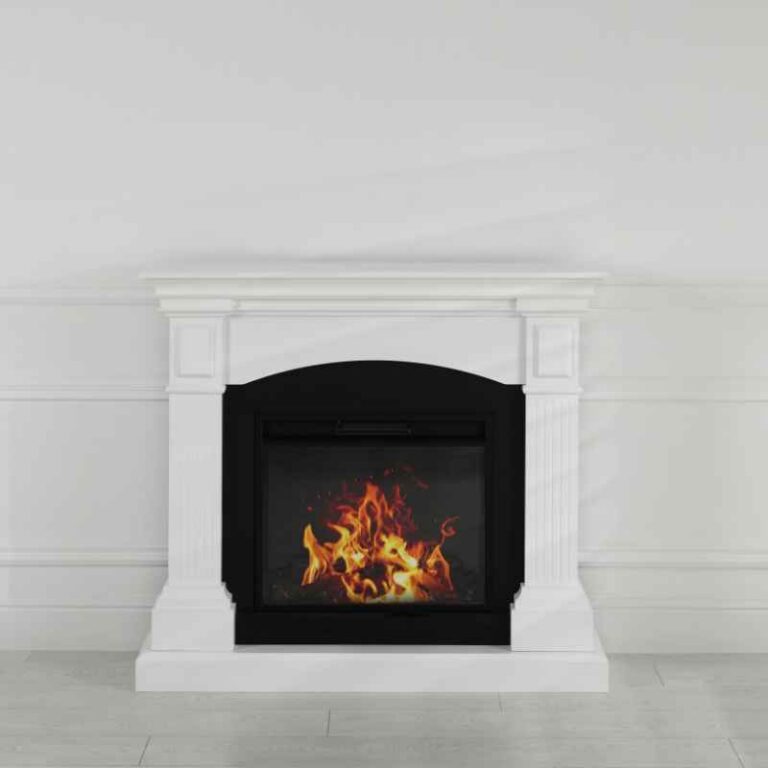
An electric fireplace heater is basically an electric heater designed to look like a traditional fireplace. It has a visual display that mimics flames. Behind this display, there’s an electric heating element.
This element warms the air and a fan blows the warm air into the room. They are designed to add a touch of warmth and style. Many people use them to heat a single room.
This can be a bedroom, a living room, or even a home office. They don’t use real wood or gas. This makes them cleaner and safer in many ways.
The appeal is clear. You get the visual charm of a fireplace. You also get instant heat.
There’s no need for a chimney or complex installation. You just plug it in. This ease of use is a big draw.
But when we talk about cost-efficiency, we need to look beyond just the initial setup. We need to consider how much energy they use. We also need to compare them to other ways of heating our homes.
This includes central heating systems like furnaces and heat pumps.
The Cost of Electricity and Heating
Electricity prices vary a lot. They change based on where you live. They also change based on the time of day.
Some areas have lower rates. Others have much higher rates. In general, electricity is often more expensive per unit of heat produced than natural gas.
This is a key point when thinking about cost-efficiency. If your electricity costs are high, heating a whole room with an electric heater might add up quickly.
Think about a typical electric heater. It uses a resistance heating element. This method is about 100% efficient in converting electricity to heat.
That sounds great! However, it’s important to understand what “100% efficient” means here. It means all the electricity it draws turns into heat.
It doesn’t mean it produces heat cheaply. Other heating systems, like furnaces, might be less efficient in converting their fuel source (like gas) into heat. But the cost of that fuel source can be much lower than electricity.
Comparing Electric Fireplace Heaters to Central Heating
Central heating systems are designed to warm an entire house. They often use a furnace (gas or oil) or a heat pump. These systems are powerful.
They can heat large areas. But they also use a lot of energy. This is true even when you only need to warm one room.
You might heat your whole house. But you only spend time in one or two rooms. This is where supplemental heating comes in.
An electric fireplace heater is a supplemental heater. It’s not meant to replace your main heating system. If you only need to warm a small area, like your desk space while working from home, it can be more efficient.
You can turn down your central thermostat. Then, you use the electric fireplace to warm just your immediate area. This can save energy and money compared to heating your whole house to a higher temperature.
Let’s say your central heating is set to 68°F. You are in a room that feels chilly. You can use the electric fi
Real-World Experience: The Home Office Story
I remember working from home a few years ago. My office was in a part of the house that just never seemed to get warm. Even with the central heat running, the room stayed a solid 5 degrees cooler than the rest of the house.
I tried closing the vents in other rooms. That just made those rooms uncomfortably cold. I was wearing sweaters indoors and still felt a chill.
It was making it hard to focus.
One winter, I decided to try a small electric fi
Factors Affecting Cost-Efficiency
Several things impact how cost-efficient your electric fireplace heater is. The wattage of the heater is one big factor. Most portable electric heaters are around 1500 watts.
This is a common maximum output for household outlets. A 1500-watt heater uses 1.5 kilowatts (kW) of power. The cost of electricity in your area is crucial.
You can find this on your utility bill. It’s usually listed in cents per kilowatt-hour (kWh).
Let’s do a quick calculation. If electricity costs 15 cents per kWh, running a 1500-watt heater for one hour costs 1.5 kW $0.15/kWh = $0.225. So, about 23 cents per hour.
If you run it for 4 hours a day, that’s $0.92 a day. In a month (30 days), that could be around $27.60 just for that one heater. If your electricity costs more, say 25 cents per kWh, then it’s 1.5 kW $0.25/kWh = $0.375 per hour.
That’s about $1.50 a day, or $45 a month. This shows how rates really matter.
Quick Cost Comparison: Heater vs. Central
Scenario: Warming a single room for 4 hours a day.
Electric Fireplace Heater (1500W):
- At $0.15/kWh: Approx. $0.92/day ($27.60/month)
- At $0.25/kWh: Approx. $1.50/day ($45.00/month)
Central Heating (for the whole house):
- This is harder to calculate precisely. It depends on house size, insulation, and thermostat settings.
- However, heating an entire home is generally much more expensive than heating a single zone.
- Anecdotal evidence suggests that using supplemental heat to lower the main thermostat can save 10-30% on overall heating bills.
Takeaway: For targeted heating, electric fireplaces can be more cost-efficient than running your main furnace.
The Role of Insulation and Room Size
The size of the room you are trying to heat is critical. A small bedroom will heat up much faster than a large living room with high ceilings. The insulation in your home also plays a huge role.
If your windows leak cold air or your walls are poorly insulated, the heat from any source will escape quickly. This means your heater will have to work harder and longer. This makes it less cost-efficient.
Consider a well-insulated, smaller room. An electric fireplace can likely maintain a comfortable temperature effectively. It might not even need to run at full power constantly.
In a large, drafty room, it might struggle to make a noticeable difference. You might end up running it on high for hours. This will increase your electricity usage significantly.
It might not even reach the desired temperature. Always think about the space you want to warm.
Myth vs. Reality: Electric Fireplace Heating
Myth: Electric fireplaces can heat my entire house cheaply.
Reality: They are best for supplemental or zone heating. They are not designed to replace central heating systems for large areas.
Myth: All electric heaters use the same amount of energy.
Reality: Wattage varies. Higher wattage means more energy use. However, 1500W is standard for most units and efficient for their purpose.
Myth: The flames use a lot of electricity.
Reality: Flame effects are typically LED lights. They use very little electricity, often just a few watts. They have minimal impact on the overall running cost.
Energy Consumption and Wattage Explained
Most electric fi
When you set your desired temperature, the heater cycles on and off. It heats the air until it reaches the set point. Then, it turns off.
When the temperature drops, it turns back on. This cycling helps manage energy use. It’s more cost-efficient than a heater that runs constantly.
The thermostat is your friend here. Make sure it’s set to a reasonable temperature. Avoid setting it too high.
The “flame effect” or “decorative flame” feature on most electric fi
When Are They Truly Cost-Efficient?
Electric fireplace heaters shine as a supplemental heating solution. This means they work best when used alongside your main heating system. They are particularly cost-efficient in these situations:
- Heating a Single Room: If you spend most of your time in one room, you can turn down the central thermostat. Then, use the electric fireplace to keep that specific room warm and cozy. This can lead to savings on your overall heating bill.
- Addressing Cold Spots: Homes often have rooms that are naturally colder than others. This could be a room over a garage, a basement room, or one at the end of a long duct run. An electric fireplace can provide targeted warmth to these problem areas.
- During Mild Weather: On days when it’s not cold enough to justify running the main furnace, but you still want a little extra warmth, an electric fireplace is perfect. It uses less energy to heat a small space than to turn on a whole house system.
- Quick Warm-Up: If a room gets chilly quickly, the electric fireplace can provide a fast boost of heat. This is faster and more direct than waiting for the central system to kick in and distribute heat.
Their efficiency comes from avoiding the energy loss associated with heating a whole house when only a small area is occupied. It’s about using energy where and when you need it most. This “zone heating” approach is key to their cost-efficiency.
Electric Fireplace Heater Usage Tips for Efficiency
Use it as supplemental heat: Lower your main thermostat and use the fireplace for your primary living space.
Target specific rooms: Heat only the room you are currently in.
Utilize the thermostat: Set it to a comfortable but not excessive temperature.
Choose the right size: Don’t buy a unit too large or too small for the space.
Keep doors closed: This helps trap heat in the room.
Check for drafts: Seal any air leaks around windows and doors.
When They Are NOT Cost-Efficient
There are definite scenarios where an electric fireplace heater will not be your most cost-efficient option. Understanding these limitations helps you make the best choice for your home and budget.
- Heating an Entire Home: If you need to heat multiple rooms or your whole house, an electric fireplace is not the answer. Its heating capacity is limited. Trying to use it as a primary source for a large area will result in high electricity bills and likely insufficient heat.
- High Electricity Rates: As we saw in the cost examples, if your local electricity rates are very high, the cost per hour of running a 1500-watt heater can become significant. In such cases, even for supplemental heating, other methods might be cheaper.
- Poorly Insulated Spaces: If the room you want to heat is drafty, has single-pane windows, or lacks insulation, the heat will escape quickly. The heater will run almost constantly, leading to high energy consumption without much benefit.
- Long Run Times Needed: If you need consistent heat for extended periods (many hours a day) in a large area, a more robust heating system designed for continuous operation will likely be more suitable and potentially more cost-effective in the long run.
It’s about matching the tool to the job. For a quick boost of warmth in a small zone, it’s great. For whole-house heating, look elsewhere.
Electric Fireplace vs. Other Heaters
Electric Fireplace: Pros – Ambiance, zone heating, easy install. Cons – Limited heat output, less efficient for whole house, cost depends on electricity rates.
Portable Electric Space Heater (e.g., ceramic, oil-filled): Pros – Zone heating, portable, often cheaper upfront. Cons – No ambiance, similar running costs to fireplace heaters (wattage is key).
Heat Pump: Pros – Very energy-efficient for both heating and cooling, can heat whole house. Cons – Higher upfront cost, performance can decrease in very cold temps.
Gas Furnace: Pros – Powerful, can heat whole house, natural gas is often cheaper than electricity. Cons – Requires gas line, venting, higher upfront cost, uses fossil fuels.
Conclusion: Electric fireplaces are good for ambiance plus supplemental heat. For pure heating efficiency, heat pumps often win for whole-house solutions.
The Ambiance Factor: Is it Worth the Cost?
Beyond pure heating calculations, there’s the emotional and aesthetic appeal. Many people buy electric fireplaces for the visual warmth and ambiance they provide. The flickering flames can create a cozy, inviting atmosphere.
This is something a simple portable heater can’t offer. For many, this added charm justifies some of the running cost. It transforms a room’s feel.
If you’re looking for a way to make a living room, bedroom, or den feel more inviting, an electric fireplace does that. It can be a focal point. It adds a decorative element that standard heaters lack.
The decision of cost-efficiency then includes the value you place on that ambiance. For some, the visual and psychological benefits are worth the energy expenditure, especially when used moderately.
Observational Flow: A Day with Supplemental Heat
Morning (7 AM): Outside temp 30°F. Central thermostat set to 68°F. You’re in the kitchen.
No extra heat needed.
Late Morning (10 AM): Move to the living room to read. Room is 67°F. Turn on electric fireplace to 72°F.
Flames on. Heater runs for 20 mins, then cycles.
Afternoon (1 PM): Still in the living room. Heater cycles on and off. Room stays comfortable at 72°F.
Central thermostat still at 68°F (because other parts of the house are cooler).
Evening (6 PM): Family gathers in the living room. Heater continues to cycle. Central system occasionally kicks on for short bursts to maintain 68°F elsewhere.
Living room stays cozy.
Night (10 PM): Everyone disperses. Turn off electric fi
Safety and Maintenance
One of the big advantages of electric fireplaces is their safety. They don’t produce real flames, so there’s no risk of fire from a spark. They don’t emit carbon monoxide.
This means you don’t need any special ventilation. They are generally safe to leave on unattended for periods, though it’s always wise to check manufacturer guidelines.
Maintenance is usually very simple. You might need to dust the unit occasionally. The glass or screen might need a wipe down.
The fan might need occasional cleaning to ensure good airflow. This low maintenance is a plus. It adds to the overall ease of owning one.
Compare this to the annual servicing and cleaning required for gas furnaces or wood-burning fireplaces.
What This Means for Your Home
If you’re looking for a way to add warmth and charm to a specific room, an electric fireplace heater can be a good choice. It’s not a whole-house solution, but for targeted heating, it can be quite effective and, in many cases, cost-efficient. Think of it as a smart tool in your heating arsenal.
The key is realistic expectations. Don’t expect it to
Quick Checks and When to Worry
Here are some simple things to check to ensure your electric fireplace is working well and efficiently:
- Thermostat Setting: Make sure it’s set to a temperature that’s comfortable but not excessively high.
- Airflow: Ensure the vents aren’t blocked by furniture or curtains. Good airflow is vital for efficient heating.
- Drafts: Feel around windows and doors in the room. If cold air is coming in, sealing those drafts will help any heater work better.
- Energy Bill: Keep an eye on your electricity bill. If it spikes more than you expect, re-evaluate how long and how often you are running the heater.
When to worry? If the unit starts making strange noises, smells like burning plastic, or the heat output seems to suddenly decrease, unplug it immediately and consult the manual or manufacturer. These are signs of a potential malfunction, not related to cost-efficiency but safety.
Simple Tips for Maximizing Efficiency
To get the most bang for your buck with an electric fireplace heater, try these simple tips:
- Use the timer function: If your unit has one, set it to turn off after a certain period.
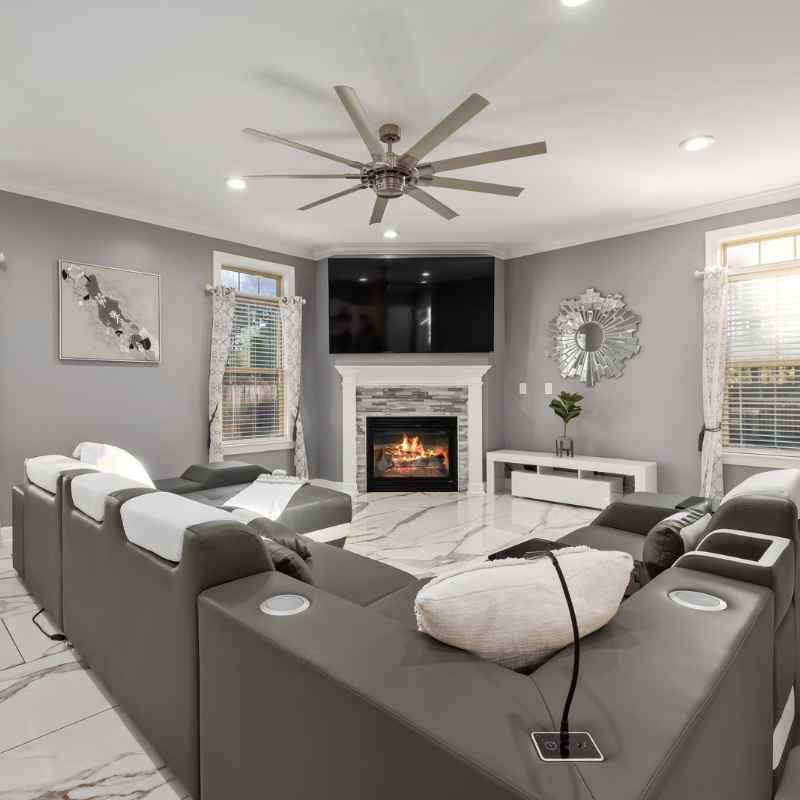
- Combine with a ceiling fan: Running a ceiling fan on a low speed in reverse (clockwise) can help push warm air down from the ceiling, distributing it more evenly.
- Insulate the room: Use heavy curtains on windows, especially at night. Ensure doors seal properly.
- Don’t overheat: Aim for a comfortable temperature, not a tropical one. A few degrees difference can save a lot of energy.
Frequently Asked Questions
Can an electric fireplace heater heat a large living room?
An electric fi
How much electricity does a 1500-watt electric fireplace use per hour?
A 1500-watt electric fireplace uses 1.5 kilowatts (kW) of electricity per hour when running on its highest setting. The actual cost depends on your local electricity rates per kilowatt-hour (kWh).
Are electric fireplace flames energy-efficient?
Yes, the flame effect on most electric fireplaces uses energy-efficient LED lights. These consume very little electricity, often just a few watts, and have a negligible impact on your overall energy bill compared to the heating element.
Should I turn down my main thermostat if I use an electric fireplace?
Yes, this is a key strategy for cost-efficiency. If you are using an electric fireplace to heat the room you are in, you can often turn down your main home thermostat by a few degrees. This can lead to overall savings on your heating costs.
How long does it take for an electric fireplace heater to warm a room?
It typically takes about 15 to 30 minutes for an electric fireplace heater to noticeably warm a small to medium-sized room. This depends on the heater’s wattage, the room’s size, insulation, and the starting temperature.
Are electric fireplaces more expensive to run than gas fireplaces?
Generally, electric fireplaces can be more expensive to run than gas fireplaces if heating your whole house. This is because electricity is often more expensive per unit of heat than natural gas. However, for supplemental zone heating, an electric fireplace’s cost-efficiency can be competitive, especially when you factor in installation and maintenance costs of gas units.
Final Thoughts
So, are electric fireplace heaters cost-efficient? The answer is a resounding “it depends.” For supplemental heat in specific zones, they absolutely can be. They offer ambiance and targeted warmth.
This can help you save money by letting you manage your central heating more wisely. Just remember they are best as a helper, not a primary heat source for your whole home. Enjoy that cozy glow!
Sponsored / affiliate links. As an Amazon Associate I earn from qualifying purchases. I may earn additional commission from eligible campaigns.