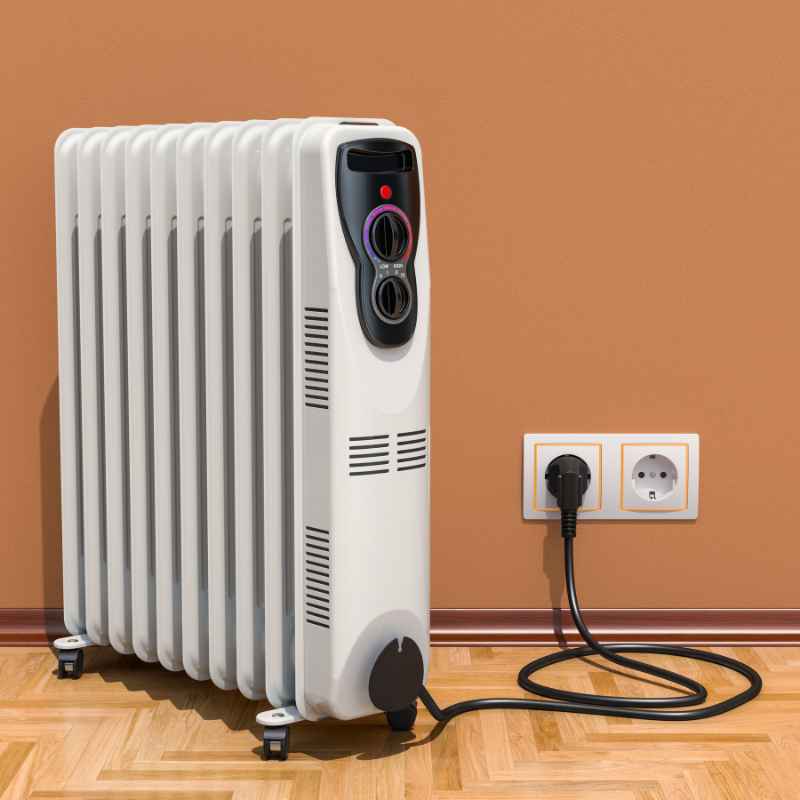
What Size Oil Filled Radiator Do I Need Calculator
Choosing the right size oil filled radiator is crucial for efficient and effective room heating, ensuring comfort without wasting energy. An incorrectly sized radiator can lead to a room that’s either too cold or excessively hot, driving up your electricity bills and diminishing your comfort. This guide will help you understand how to calculate the appropriate radiator size for any room, ensuring optimal performance.
Simply put, to find the correct size oil-filled radiator, you need to calculate the room’s volume and heat loss, then select a radiator with a British Thermal Unit (BTU) output that matches or slightly exceeds this requirement. Online calculators simplify this by factoring in room dimensions, window types, insulation levels, and desired temperature.
Key Takeaways
- Calculate room volume by multiplying length, width, and height.
- Factor in heat loss from windows, doors, and insulation levels.
- Understand that BTU (British Thermal Units) is the standard measure for heating output.
- Use an online oil filled radiator size calculator for the most accurate results.
- Opt for a radiator with a BTU output slightly higher than your calculation for quicker heating.
Understanding BTU and Heat Loss
The primary metric for heating power in radiators is the British Thermal Unit (BTU). A BTU is a unit of energy used to quantify the amount of heat required to raise the temperature of one pound of water by one degree Fahrenheit. Essentially, the higher the BTU output of an oil-filled radiator, the more heat it can generate, making it suitable for larger or colder spaces.
Heat loss is the rate at which a room loses heat to its surroundings. This loss occurs through various pathways, including walls, windows, doors, floors, and ceilings. Poor insulation, single-glazed windows, and drafts significantly increase heat loss, meaning you’ll need a more powerful radiator to compensate.
Understanding these factors is the first step in accurately sizing your radiator.
For example, a poorly insulated room with large, single-glazed windows will lose heat much faster than a well-insulated room with double glazing. The thermostat setting also plays a role; maintaining a higher temperature requires a greater heat output. Therefore, any calculation must account for these environmental variables to ensure sufficient warmth.
Factors Affecting Heat Loss
- Room Dimensions: Larger rooms require more heat.
- Insulation Levels: Poorly insulated walls, attics, and floors lose heat faster.
- Window Type and Size: Single-glazed windows and large windows contribute significantly to heat loss.
- Number of External Walls: Rooms with more exterior walls lose heat more readily.
- Room Location: Rooms above unheated spaces (like garages) or below unheated spaces (like attics) may lose more heat.
- Desired Temperature: Higher target temperatures require a higher BTU output.
- Drafts: Air leaks around windows and doors increase heat loss.
How to Calculate Radiator Size Manually
While online calculators are convenient, understanding the manual calculation process provides insight into the variables involved. The basic formula starts with calculating the volume of the room in cubic meters. You then multiply this volume by a factor that accounts for insulation, window type, and desired temperature.
This gives you a baseline BTU requirement.
You’ll need to adjust this baseline figure based on several factors. For instance, add a percentage for each external wall, a larger percentage for single-glazed windows, and an additional amount for poorly insulated rooms. It’s a multi-step process that requires attention to detail to be accurate.
Getting this calculation wrong can lead to an inefficient heating system.
The goal is to reach a BTU number that the radiator can consistently provide. It’s generally advised to err on the side of slightly over-sizing rather than under-sizing. A radiator that’s too small will struggle to reach the desired temperature, running constantly and still not providing adequate warmth.
An oversized radiator will reach the temperature faster and cycle off, potentially saving energy.
Manual Calculation Steps
- Measure Room Dimensions: Record the length, width, and height of the room in meters.
- Calculate Room Volume: Multiply length × width × height. (e.g., 4m × 3m × 2.5m = 30 m³).
- Initial BTU Estimate: Multiply the room volume by a standard factor, often around 40-50 BTUs per cubic meter for average insulation and double glazing. (e.g., 30 m³ × 40 BTU/m³ = 1200 BTUs).
- Adjust for External Walls: Add 10% of the initial BTU for each external wall. (e.g., 2 external walls: 1200 + (0.10 × 1200) + (0.10 × 1200) = 1440 BTUs).
- Adjust for Window Type: Add 10-15% for single-glazed windows. Add 5-10% for large windows. (e.g., 1 single-glazed window: 1440 + (0.15 × 1440) = 1656 BTUs).
- Adjust for Insulation: Add 10-20% for poorly insulated rooms. Add 5-10% for rooms above unheated spaces. (e.g., Poor insulation: 1656 + (0.20 × 1656) = 1987 BTUs).
- Adjust for Desired Temperature: Add 10% if you prefer a warmer room (e.g., 22-24°C). (e.g., 1987 + (0.10 × 1987) = ~2186 BTUs).
The Role of Online Calculators
Manual calculations can be complex and prone to error. This is where online oil-filled radiator size calculators become invaluable. These tools are designed to simplify the process by prompting users for specific information about their room and then performing the calculations automatically.
These calculators typically ask for details such as room length, width, and height, the type of windows (single or double glazed), the level of insulation, the number of external walls, and the intended use of the room (e.g., living room, bedroom, bathroom). Some advanced calculators may even consider room orientation and external climate factors.
Using an online calculator saves time and reduces the likelihood of mistakes. It provides a more precise BTU requirement, ensuring you select a radiator that is both effective and energy-efficient. Most reputable radiator suppliers offer such tools on their websites, making the selection process straightforward for consumers.
Common Inputs for Online Calculators
- Room length (meters or feet)
- Room width (meters or feet)
- Room height (meters or feet)
- Window type (single glazed, double glazed)
- Number of external walls
- Room location (e.g., ground floor, upper floor, above garage)
- Insulation quality (poor, average, good)
- Desired room temperature (°C or °F)
Comparing Different Radiator Types
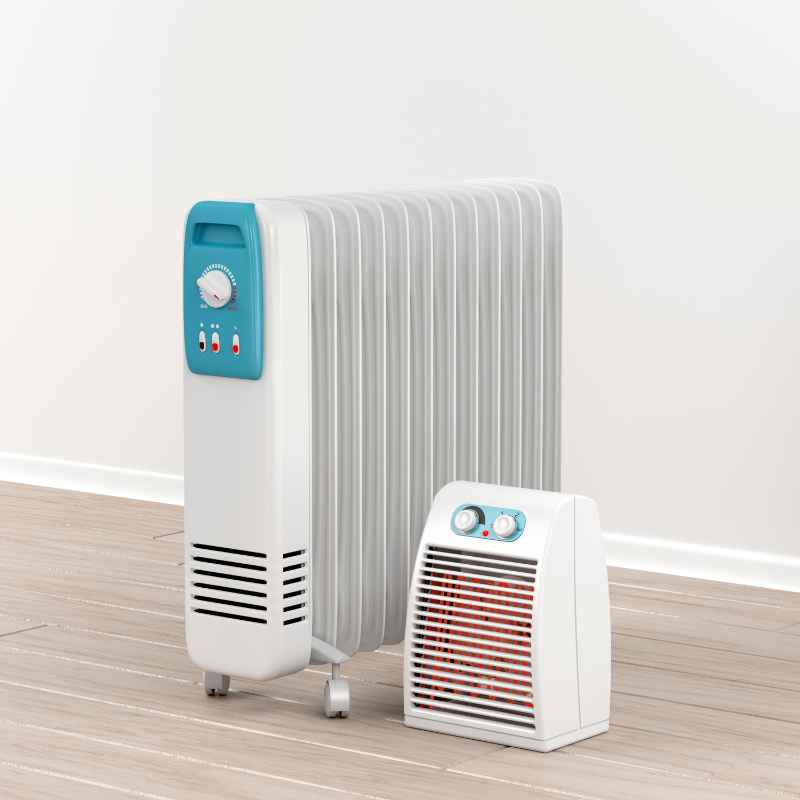
While this guide focuses on oil-filled radiators, it’s helpful to understand how they compare to other electric heating solutions. Oil-filled radiators are favoured for their ability to retain heat long after being switched off, providing a consistent and gentle warmth. They are electric, meaning they don’t require plumbing, making installation simple.
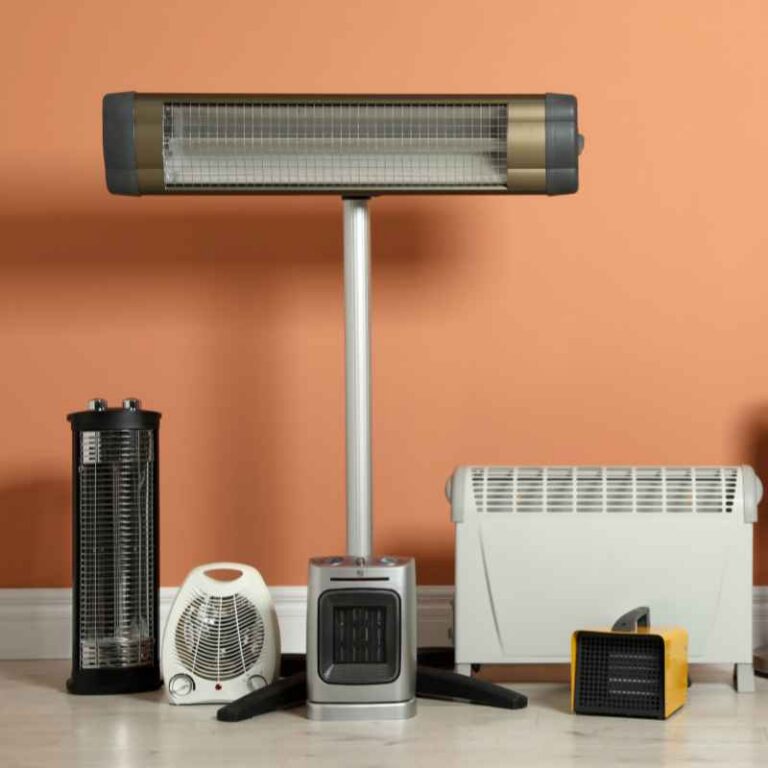
Other electric heaters include fan heaters, panel heaters, and infrared heaters. Fan heaters provide quick bursts of heat but can be noisy and dry out the air. Panel heaters offer a more ambient heat but may take longer to warm a room.
Infrared heaters directly warm objects and people rather than the air, offering a different kind of heat.
Oil-filled radiators typically have a higher BTU output for their size compared to some other electric options. Their internal oil acts as a heat reservoir, distributing warmth evenly and slowly, which can lead to more comfortable and stable temperatures. This characteristic makes them an excellent choice for primary heating in smaller to medium-sized rooms, or as supplemental heat in larger areas.
| Heating Type | Pros | Cons | Best For |
|---|---|---|---|
| Oil-Filled Radiator | Retains heat, even heat distribution, quiet operation, no plumbing required. | Slower to heat up initially, can be heavy. | Living rooms, bedrooms, offices where consistent, ambient heat is desired. |
| Fan Heater | Fast heating, portable, often cheaper to buy. | Can be noisy, dries air, heat dissipates quickly when off. | Quickly heating small spaces or temporary use. |
| Panel Heater | Quiet, provides radiant heat, slim design. | Slower to heat up, may not be sufficient for very cold rooms. | Bedrooms, hallways, or as a background heat source. |
Choosing the right type of heater depends on your specific needs and the room’s characteristics. Oil-filled radiators offer a balanced approach with their consistent and retained heat output.
Sizing Considerations for Different Rooms
The size of the room is the most significant factor, but other considerations tailor the choice further. For a living room, you’ll likely want a slightly higher BTU output to maintain a comfortable temperature even when it’s very cold outside, as these rooms are used for longer periods. A thermostat on the radiator is essential here for maintaining consistent warmth.
Bedrooms might require a slightly lower BTU, prioritizing a comfortable sleeping temperature that doesn’t overheat. Many oil-filled radiators come with adjustable thermostats to allow for precise temperature control. For bathrooms, consider a radiator with a higher BTU output due to the increased heat loss from moisture and tiled surfaces, and ensure it’s suitable for bathroom use (e.g., IP rated).
For very large open-plan spaces, a single large radiator might not be sufficient. In such cases, you might need to consider multiple smaller radiators strategically placed to ensure even heat distribution throughout the area. Alternatively, a single, very high-output radiator might do the job, but placement is key to avoid cold spots.
It’s also worth noting that ceiling height affects room volume; higher ceilings mean a larger volume and thus a higher BTU requirement.
Room-Specific Sizing Tips
- Living Room: Aim for 50-60 BTUs per cubic meter. Ensure thermostat control for comfort.
- Bedroom: Aim for 40-50 BTUs per cubic meter. Prioritize quiet operation and gentle warmth.
- Bathroom: Aim for 60-70 BTUs per cubic meter. Consider moisture resistance (IP rating).
- Kitchen: Aim for 40-50 BTUs per cubic meter. Less demanding than living rooms, but needs to be comfortable.
- Hallway/Landing: Aim for 30-40 BTUs per cubic meter. Primarily for preventing cold draughts.
- Home Office: Aim for 40-50 BTUs per cubic meter. Consistent warmth is key for productivity.
Energy Efficiency and Running Costs
While oil-filled radiators are electric, and electricity can be more expensive per kWh than gas, their efficient sizing and use of a thermostat can manage running costs. An oil-filled radiator heats up the oil inside, which then radiates heat into the room. This process is slower than a fan heater but provides a more sustained and even warmth.
The key to energy efficiency lies in selecting the correct BTU output. An undersized radiator will run constantly, struggling to reach the target temperature and consuming more electricity over time. Conversely, an oversized radiator will reach the temperature quickly, cycle off, and then maintain it efficiently.
This cycling off is where energy savings are made.
Modern oil-filled radiators often come with features like programmable timers and eco modes, further enhancing their energy efficiency. These features allow you to set heating schedules, ensuring the radiator only operates when needed and at the desired temperature, preventing unnecessary energy consumption. Always check the energy efficiency rating of any appliance you purchase.
| Factor | Impact on Energy Use | How to Manage |
|---|---|---|
| Correct BTU Sizing | High: Prevents constant running, promotes efficient cycling. Low: Leads to constant running. | Use a calculator; slightly oversize if unsure. |
| Thermostat Use | High: Maintains set temperature, prevents overheating. | Set to desired comfort level, avoid setting too high. |
| Programmable Timer | High: Heats only when needed, reducing standby energy loss. | Schedule for occupied times and desired wake/sleep temperatures. |
| Room Insulation | Poor: Increases heat loss, forcing radiator to work harder. | Improve insulation, seal drafts, use thermal curtains. |
By combining a correctly sized radiator with smart usage habits, you can ensure your home stays warm without excessive energy expenditure.
Warning: Always ensure that any electric heater used in a bathroom has the appropriate IP (Ingress Protection) rating to protect against water and steam. Consult the manufacturer’s guidelines for safe placement and usage in wet environments.
Common Mistakes to Avoid
One of the most common errors is selecting a radiator based solely on the room’s square footage, neglecting its volume and heat loss factors. A long, narrow room with a high ceiling has a much larger volume than a square room of the same floor area, requiring a higher BTU output.
Another mistake is underestimating the impact of insulation and windows. A room with single-glazed windows and uninsulated walls will need a significantly more powerful radiator than a similarly sized room with modern double glazing and good wall insulation. Ignoring these details will lead to an inefficient heating setup.
Purchasing a radiator that is too small is also a frequent issue. People sometimes choose a lower wattage to save on initial cost, only to find the radiator cannot adequately heat the space, running constantly and consuming more power in the long run. It’s always better to have a slightly more powerful radiator that can be turned down than one that struggles to meet demand.
Top 5 Sizing Mistakes
- Ignoring room volume in favour of square footage.
- Underestimating the impact of window type (single vs. double glazing).
- Overlooking the importance of wall and ceiling insulation.
- Purchasing a radiator that is too small for the room’s requirements.
- Not accounting for rooms with multiple external walls or above unheated spaces.
Frequently Asked Questions
What is the standard BTU per hour for an oil-filled radiator?
Oil-filled radiators come in various wattages, which directly correlate to their BTU output. A common range for smaller radiators might be 700-1000W (approx. 2400-3400 BTU/hr), while larger ones can go up to 2000-2500W (approx.
6800-8500 BTU/hr). Always check the product specifications for the exact BTU output.
How do I calculate the BTU needed for my bedroom?
To calculate the BTU for your bedroom, measure its length, width, and height to find the volume. Then, use an online calculator or the manual method described above, factoring in insulation, window type, and desired temperature. Generally, bedrooms require around 40-50 BTUs per cubic meter.
Can one oil-filled radiator heat a large open-plan living area?
For very large open-plan spaces, a single radiator might not be sufficient for even heat distribution. It’s often better to use multiple smaller radiators strategically placed or one very high-output radiator if its placement can effectively warm the entire zone. A calculator will give you the total BTU requirement for the entire area.
Is an oil-filled radiator more energy-efficient than other electric heaters?
While all electric heaters have similar running costs per kWh, oil-filled radiators can be more efficient in practice due to their ability to retain heat and provide consistent, stable warmth. When correctly sized and used with a thermostat, they can prevent overheating and unnecessary energy consumption compared to heaters that provide intermittent bursts of heat.
What does it mean if my oil-filled radiator is running constantly?
If your oil-filled radiator is running constantly, it typically indicates that it is undersized for the room it’s heating. It’s struggling to reach and maintain the thermostat’s set temperature due to significant heat loss or insufficient heating power. This constant running wastes energy and will likely not achieve optimal comfort levels.
Final Thoughts
Selecting the correct size oil filled radiator is a straightforward yet critical step in ensuring your home is comfortably and efficiently heated. By understanding BTU, accounting for heat loss through factors like insulation and windows, and utilizing online calculators or manual methods, you can accurately determine the right heating power needed. Investing a little time in this calculation prevents wasted energy, higher bills, and the discomfort of an inadequately heated room.
Sponsored / affiliate links. As an Amazon Associate I earn from qualifying purchases. I may earn additional commission from eligible campaigns.
 Portable Air Conditioners, 14000 BTU Room Air Conditioner Cools Up to 750 Sq.Ft, In-1 Portable AC Unit With Cooling, Dehumidifier, Fan & Sleep, With Remote Control & Installation Kits, 24H Timer
 Portable Air Conditioning Cooling Fan with 3 Speeds, Quiet Operation, Digital Display, Rechargeable 1200mAh Battery for Home, Dorm, or Outdoor Use, Grey