Oil-Filled Radiator Not Working? Safe Checks
An oil-filled radiator that won’t heat is almost never actually about the oil itself, since the diathermic oil inside is sealed for the unit’s entire life and never needs to be added to or changed. This guide walks through the checks that are actually safe to do yourself, from the tip-over safety switch to a tripped thermal cutoff, and where to draw the line before calling an electrician or replacing the unit.
Why “Oil-Filled” Doesn’t Mean You Ever Add Oil
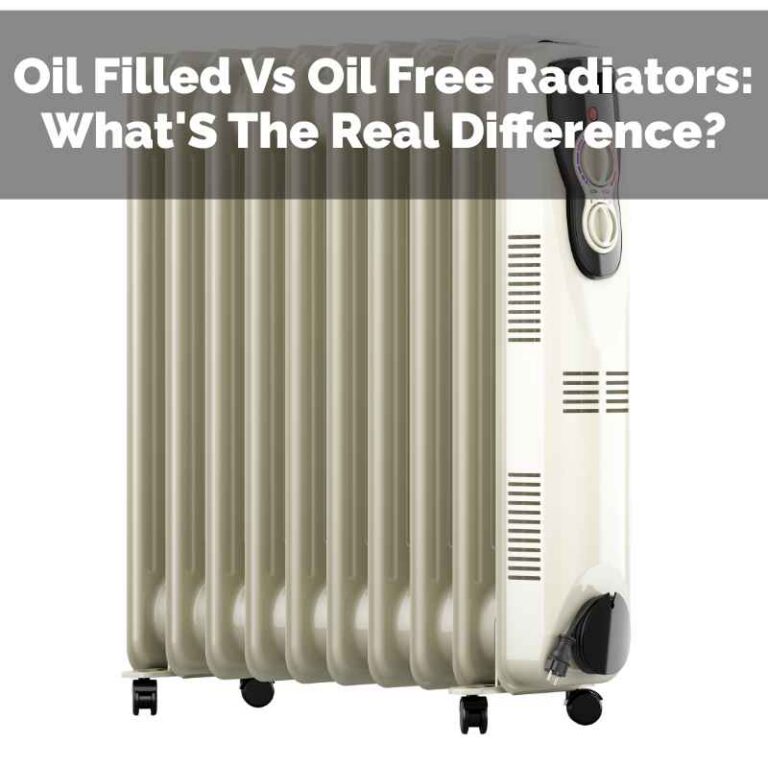
The finned metal columns are filled at the factory with diathermic oil, a heat-transfer fluid that never evaporates or burns off under normal use, and the chamber is welded shut as a sealed, non-serviceable system. If you ever see oil actually leaking from the housing, the radiator is done: it cannot be safely refilled or resealed at home, and continuing to run a leaking unit risks a burn or an electrical short where oil contacts the internal heating element wiring.
Common Reasons an Oil-Filled Radiator Stops Heating
Most oil-filled heaters include a tip-over switch, a small magnet-actuated tab under the base that cuts power the instant the unit isn’t sitting perfectly level, which can get stuck or misaligned even on a flat floor. A thermal cutoff or overheat protection fuse can also trip if the unit was covered, run in a very warm room, or has a failing internal thermostat, and on some models this requires a manual reset button rather than resolving itself. Beyond that, check the obvious: a damaged cord, a dead outlet, or a tripped breaker or GFCI feeding that circuit.
Safe Checks You Can Do Yourself
Unplug the unit and inspect the full length of the cord for cracks, pinches, or scorch marks. Plug a lamp or another known-working device into the same outlet to rule out a dead receptacle, and reset the breaker or GFCI if needed. Set the radiator on a firm, level surface and gently check that the tip-over switch tab under the base moves freely rather than being stuck in the “off” position. If your model has a visible reset button (often on the control panel or base), press it firmly after the unit has cooled. For general context on how these units are meant to run day to day, see our guide on whether it’s oil-filled radiators ever need their oil replaced.
When to Stop and Call an Electrician or Replace the Unit
Stop immediately and don’t attempt further troubleshooting if you smell burning, see any oil seepage around seams or fittings, notice the cord or plug getting hot to the touch, or find the breaker trips again as soon as you reset it. These point to an internal short or a failing heating element, and continuing to use the unit is a fire risk. At that point, the radiator should be unplugged, unused, and either serviced by a qualified appliance technician or replaced outright, since these units are rarely cost-effective to repair internally.
Frequently Asked Questions
Can I open an oil-filled radiator to check the oil level?
No. The oil chamber is a sealed, pressurized system that isn’t designed to be opened, and doing so voids any warranty and creates a real burn and spill hazard. If the unit isn’t heating, the oil itself is essentially never the cause.
Why did my radiator suddenly turn off by itself?
This is most often the built-in overheat protection or tip-over switch doing exactly what it’s designed to do. Check that the unit is sitting flat and hasn’t been covered or pushed against curtains or furniture that could trap heat.
Is it normal for an oil radiator to click while heating?
Yes, light clicking or ticking is normal and comes from the metal fins expanding and contracting as the internal oil heats up and cools down, similar to the sound a car engine makes as it cools after driving.
Sponsored / affiliate links. As an Amazon Associate I earn from qualifying purchases. I may earn additional commission from eligible campaigns.