Oil-Filled Radiator Keeps Turning Off? Causes and Safe Checks
An oil-filled radiator shutting off is usually one of four things: normal thermostat cycling once it reaches the set temperature, an overheat safety cutoff tripped by blocked airflow, a tripped tip-over switch because the unit is not sitting level, or an overloaded circuit tripping the breaker or GFCI outlet. Only one of these (thermostat cycling) is normal operation; the rest need a quick safety check before you keep using the unit.
How an oil-filled radiator actually works
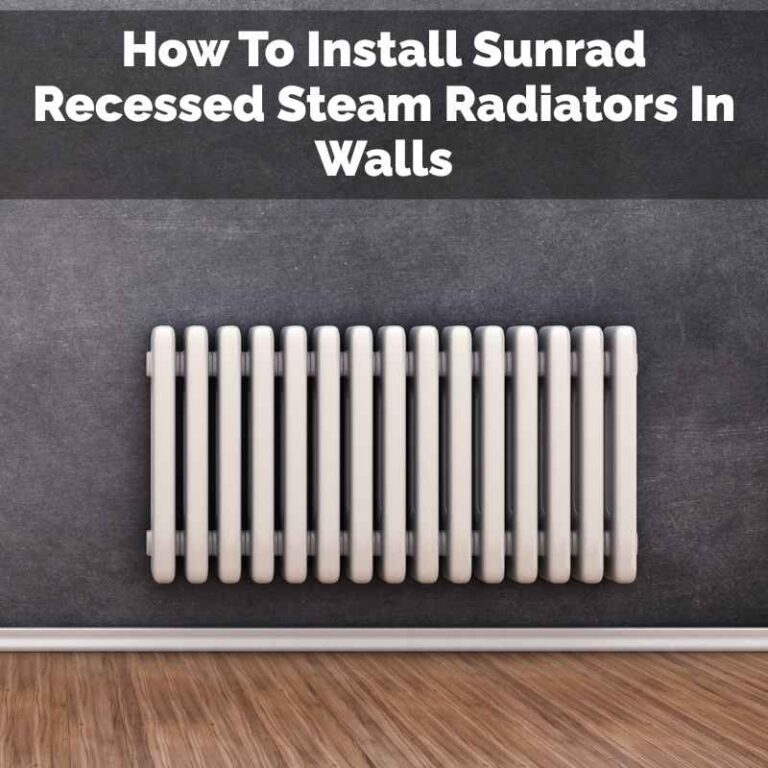
These heaters contain a sealed reservoir of thermal transfer oil that is heated by an internal electric element and never needs refilling or replacing; the oil is simply a heat-retention medium, not fuel. Heat radiates off the fins and rises by natural convection, which is why they run quieter than fan-forced heaters and continue radiating some warmth for a few minutes after shutting off. Because there is no fan pulling air through the unit, airflow around the fins depends entirely on open space around the radiator.
Overheat protection tripping
A high-limit thermal switch shuts the unit down if internal temperature exceeds a safe threshold, which typically happens when the fins are blocked by curtains, furniture, or the radiator is pushed too close to a wall. Give it at least 18 to 24 inches of open space on all sides and above it, since heat rising off the top fins needs somewhere to go. If it keeps tripping even with clearance, dust or lint may be insulating the fins; wipe them down with a dry cloth when the unit is unplugged and cool.
Tip-over switch triggering on a level floor
The tip-over switch is a tilt-sensitive mechanism that cuts power if the unit leans past a small angle from vertical, usually just a few degrees. On thick carpet, uneven flooring, or if one of the caster wheels is slightly compressed into carpet pile, the radiator can read as tilted even though it looks upright to the eye. Move it to a hard, flat surface to test whether that resolves the shutoffs.
Circuit and cord issues
Oil-filled radiators typically draw 1,200 to 1,500 watts, which is 10 to 12.5 amps at 120V, close to the limit of a standard 15-amp circuit once anything else is running on the same breaker. Plugging into an extension cord is a common cause of intermittent shutoffs too, since undersized cord gauge causes voltage drop and heat buildup at the connection, which some units detect and shut down over. Always plug space heaters, including oil-filled models, directly into a wall outlet. For a broader comparison of running costs and behavior across this heater type, see this breakdown of electric oil-filled radiator running costs.
Frequently Asked Questions
Is it normal for an oil-filled radiator to click when it shuts off?
Yes, a soft click from the thermostat relay opening and closing is normal. A loud pop or burning smell is not, and the unit should be unplugged and inspected if that happens.
Can I open the oil compartment to check the fluid level?
No. The oil reservoir is factory-sealed and pressurized; it is not designed to be opened or topped off, and doing so voids the warranty and creates a leak and fire risk.
Why does my radiator shut off sooner in one room than another?
This is usually just thermostat behavior responding to how quickly each room reaches the set temperature; smaller or better-insulated rooms heat up faster and trigger normal cycling sooner.
Sponsored / affiliate links. As an Amazon Associate I earn from qualifying purchases. I may earn additional commission from eligible campaigns.
 MEGAWISE Portable Air Conditioner and Heater, 420W 110V Compact AC Unit with Remote Control, 1400W Cooling Capacity, 800W Heating, Dehumidifier, Fan, Sleep Timer, ChampagneAZEUS Portable AC and Heater Unit, 420W 110V Compact Air Conditioner for Tent RV Truck Cabin and Small Room, 1400W Cooling, 800W Heating, Remote Control, Dehumidifier, Sleep Timer, Champagne