How to Work a Silvercrest Oil Filled Radiator (Quick Guide)
Working a Silvercrest oil filled radiator is straightforward once you understand the control panel and basic settings. This guide walks you through unpacking, positioning, operating, and maintaining your radiator so you get steady, energy-efficient heat every time.
Simply put, a Silvercrest oil filled radiator works by heating diathermic oil sealed inside the unit. You set your desired heat level and thermostat, and the radiator quietly radiates warmth without a fan. It is one of the most energy-efficient and silent ways to heat a room.
Key Takeaways
- Silvercrest oil filled radiators use sealed oil that never needs refilling and operates silently.
- Understanding the thermostat and power settings is the most important step for efficient use.
- Always position the radiator on a flat, stable surface with at least 12 inches of clearance on all sides.
- Use the timer function (if your model has one) to automatically turn the heater on or off and save energy.
- Regular dusting and checking the power cord are the only maintenance tasks required.
1. How to Unpack and Inspect Your Silvercrest Oil Filled Radiator
Before you plug in your radiator, you need to unpack and inspect it properly. Silvercrest radiators ship with several protective pieces that must be removed before first use.
Start by taking the radiator out of the box and removing all plastic wrap, foam inserts, and tape. Check underneath the unit for any packing materials that may be stuck to the feet or fins.
- Inspect the power cord for cuts, kinks, or frayed areas
- Check the oil fins for dents or leaks (oily residue on the metal)
- Ensure the control panel knob turns freely without sticking
- Verify that the feet or casters are attached securely
- Look for the model number and voltage rating on the label
- Confirm that all packaging foam is removed from the vents
- Read the user manual for your specific model’s wattage and fuse requirements
Warning: Never operate a Silvercrest oil filled radiator with a damaged power cord or visible oil leaks. Oil leaks indicate a seal failure, and the unit must be replaced or serviced immediately.
According to the National Fire Protection Association (NFPA), space heaters like oil filled radiators are involved in 44% of home heating fires. A simple visual inspection before each heating season reduces that risk significantly.
2. How to Position Your Silvercrest Oil Filled Radiator
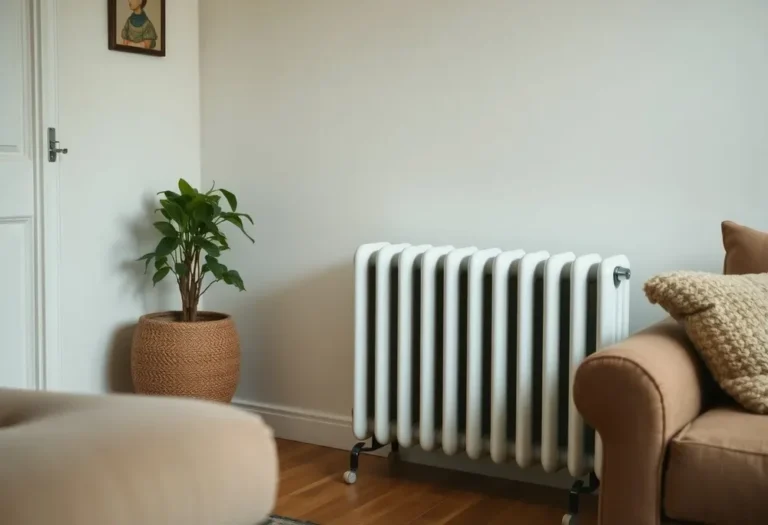
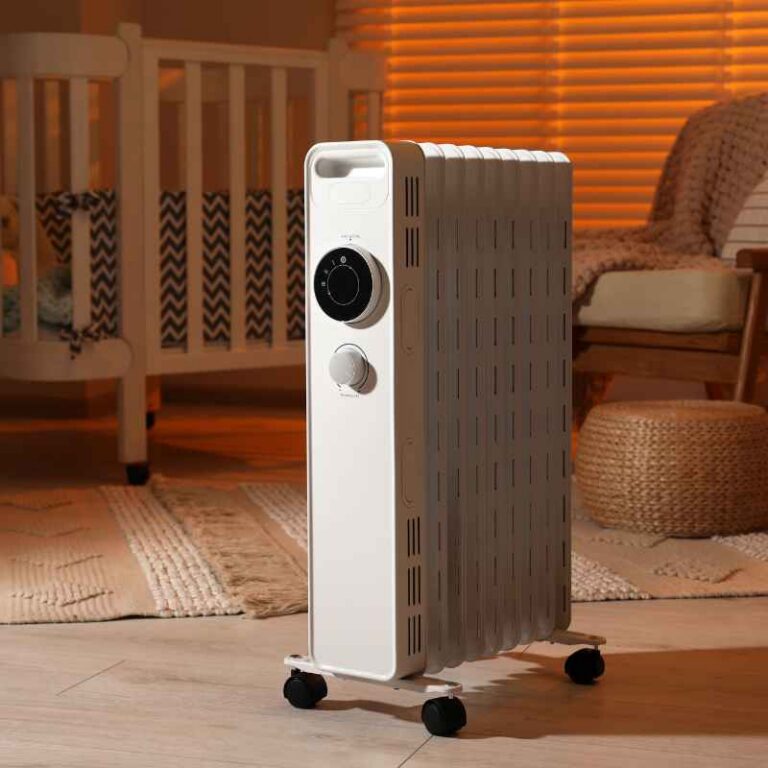
Where you place your radiator directly affects how well it heats the room and how safe it is. Silvercrest oil filled radiators need proper clearance and a level surface to function correctly.
The radiator works by convection: it heats the air around it, which then rises and circulates. If you block the airflow, the heater cannot distribute warmth effectively.
- Choose a flat, stable surface like hardwood, tile, or low-pile carpet
- Keep at least 12 inches of clearance from furniture, curtains, and walls
- Place it near an electrical outlet to avoid using extension cords
- Avoid bathrooms and wet areas unless the model is rated for damp locations
- Do not place it under a desk or table where heat can get trapped
- Position it against an interior wall for better heat distribution
| Surface Type | Suitability | Notes |
|---|---|---|
| Hardwood / Tile | Excellent | Best for heat transfer and stability |
| Low-pile Carpet | Good | Must have casters or feet to raise unit |
| High-pile Carpet | Not Recommended | Blocks airflow and is a fire hazard |
| Rug over Hardwood | Fair | Ensure rug is flat and not too thick |
This placement guide helps you get the most from your heater while staying safe. The U.S. Department of Energy recommends placing portable heaters away from drafts to improve efficiency by up to 15%.
3. Understanding the Control Panel and Settings
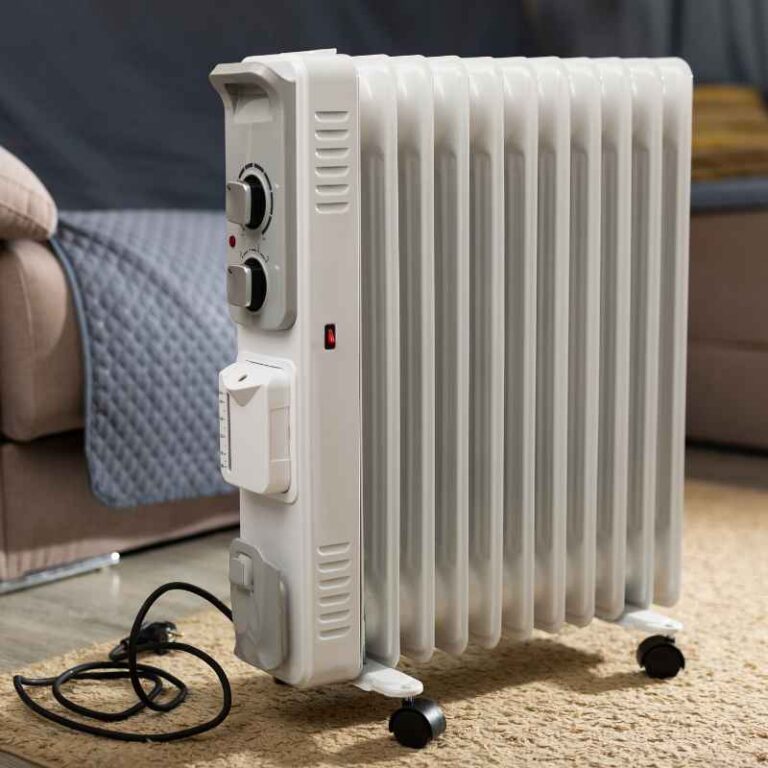
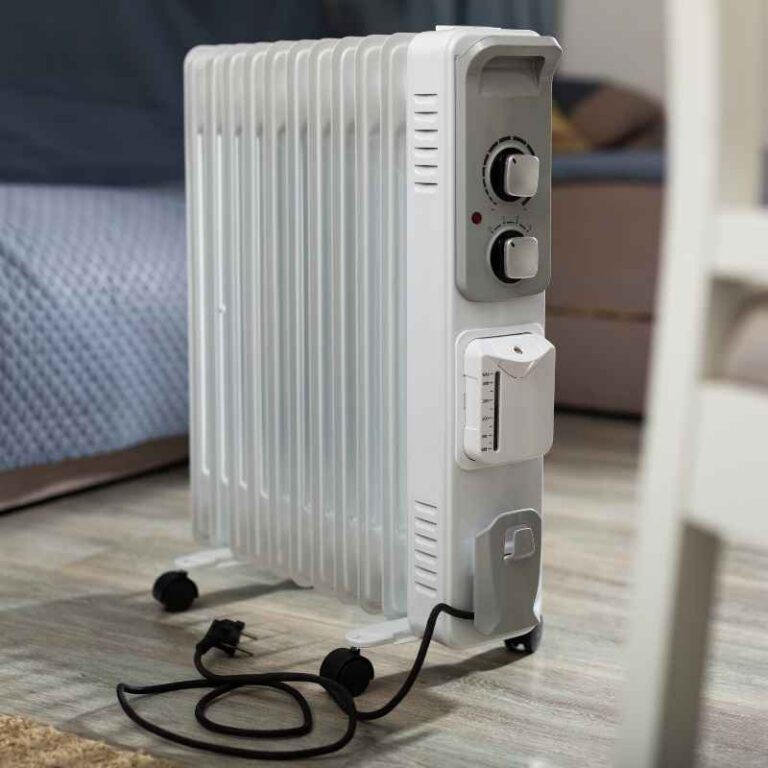
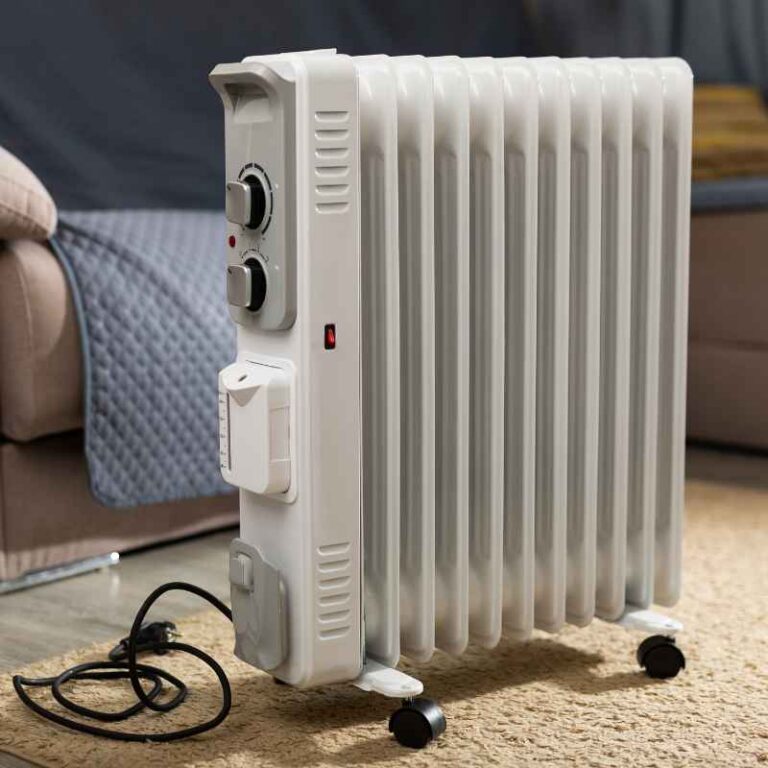
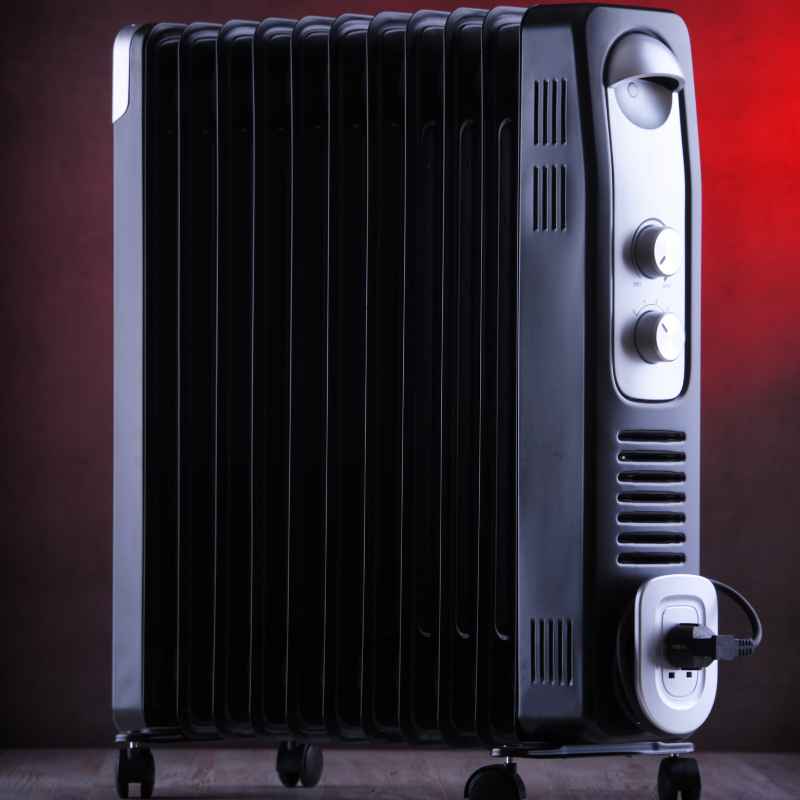
The control panel on your Silvercrest oil filled radiator typically has three main controls: a power switch, a thermostat dial, and sometimes a timer dial. Knowing what each one does is essential for proper operation.
Most Silvercrest models use a simple analog interface. There is no digital display, which means everything is controlled by turning knobs to specific positions.
- Power Switch (0 / I / II): Turns the heater on and selects the wattage level. 0 is off, I is low power, II is high power.
- Thermostat Dial: Controls the room temperature setpoint. Turn clockwise for warmer, counterclockwise for cooler.
- Timer Dial (optional): Sets how many hours the heater runs before automatically shutting off. Usually ranges from 1 to 12 hours.
- Indicator Light: A red or orange light that glows when the heating element is actively warming the oil.
- Tip-Over Switch (internal): Automatically shuts off the unit if it is knocked over. No user action needed.
Tip: The indicator light cycling on and off is normal. It means the thermostat is maintaining your desired temperature by turning the heating element on and off as needed.
According to Silvercrest product specifications, most models consume between 500W and 2000W depending on the power setting selected. The Energy Saving Trust notes that using the lower wattage setting can reduce electricity use by up to 30% while still keeping a small room comfortable.
4. How to Set the Thermostat Correctly
Setting the thermostat properly is the single most important step for efficient heating. If you set it too high, the radiator will run longer than necessary. Too low, and you will feel cold.
The thermostat on a Silvercrest oil filled radiator works like a temperature dial. It does not display a number; instead, it uses a range from minimum to maximum. You adjust it based on how warm you want the room to feel.
- Turn the thermostat dial to the maximum setting (fully clockwise)
- Select your desired power level using the power switch
- Let the radiator run for 20-30 minutes until the room reaches a comfortable temperature
- Slowly turn the thermostat dial counterclockwise until you hear a click and the indicator light turns off
- Leave the dial at that position. The radiator will cycle on and off to maintain that temperature
Important: The thermostat measures the air temperature near the radiator, not the whole room. If you feel cold but the radiator cycles off, turn the thermostat dial slightly clockwise to raise the setpoint.
The ideal thermostat setting for most rooms during winter is between 18°C and 21°C (65°F to 70°F). The World Health Organization recommends 18°C as a minimum for healthy adults, while 20-21°C is better for elderly people or those with respiratory conditions.
5. How to Select the Heat Settings (Power Levels)
Your Silvercrest oil filled radiator has two or three power settings depending on the model. These settings control how much electricity the heating element uses, which directly affects how quickly the room warms up.
Using the right power setting for your room size is the key to balancing comfort and energy cost. A higher wattage setting heats faster but uses more electricity.
| Setting | Wattage | Best For | Room Size |
|---|---|---|---|
| I (Low) | ~500W – 800W | Small rooms, overnight use, supplemental heat | Up to 10 m² (100 sq ft) |
| II (High) | ~1500W – 2000W | Quick warm-up, large rooms, cold weather | Up to 20 m² (200 sq ft) |
| ECO / Fan (if equipped) | ~600W – 1000W | Energy-saving mode, constant low heat | Up to 15 m² (160 sq ft) |
A common question is whether to start on high and then switch to low, or keep it on one setting. The most efficient approach is to start on high to warm the room quickly, then switch to low once the thermostat cycles off.
Tip: For a 12 m² bedroom, use setting I for overnight heating. It will keep the room comfortable without drying out the air or running up your electricity bill.
6. How to Use the Timer Function Effectively
Many Silvercrest oil filled radiators include a timer dial that lets the heater run for a set number of hours and then shut off automatically. This is one of the most useful features for energy savings.
The timer dial is usually separate from the main power switch and thermostat. It has markings from 1 to 12 (hours). Turning the dial to a specific number tells the radiator to stay on for that many hours and then stop.
- For morning warmth: Set the timer for 1-2 hours before you wake up. The room will be warm when you get out of bed.
- For overnight use: Set the timer for 3-4 hours. This will keep you warm while falling asleep without running all night.
- For short heating sessions: Use the timer for 1-2 hours when you are in a room for a limited time.
- For whole-day heating: Set the timer to maximum (12 hours) if you will be home all day and want continuous heat.
Important: The timer counts down continuously. If you set it for 4 hours and then turn the radiator off manually, the timer resets. You need to turn the timer dial back to 0 before setting a new time.
The timer function is especially useful for people who want to come home to a warm room. By coordinating the timer with your arrival time, you avoid heating an empty room. According to the Energy Saving Trust, using a timer can reduce heating energy consumption by 10-20%.
7. Common Mistakes to Avoid When Using Your Radiator
Even a high-quality Silvercrest oil filled radiator will perform poorly if you make common setup errors. Knowing what to avoid helps you get the best performance and longest lifespan from your heater.
These mistakes are easy to make, especially if you are in a hurry to warm up a cold room. Taking a few extra minutes to set up correctly saves you money and reduces safety risks.
- Blocking the airflow by placing furniture or curtains too close to the radiator
- Running the radiator on high constantly instead of using the thermostat to cycle it
- Forgetting to clean the dust from the fins, which reduces heat output by up to 25%
- Using an extension cord instead of plugging directly into a wall outlet
- Setting the thermostat too high and wasting energy on unnecessary heat
- Placing the radiator on an uneven surface where it can tip over more easily
- Operating the heater in a room that is too large for its wattage capacity
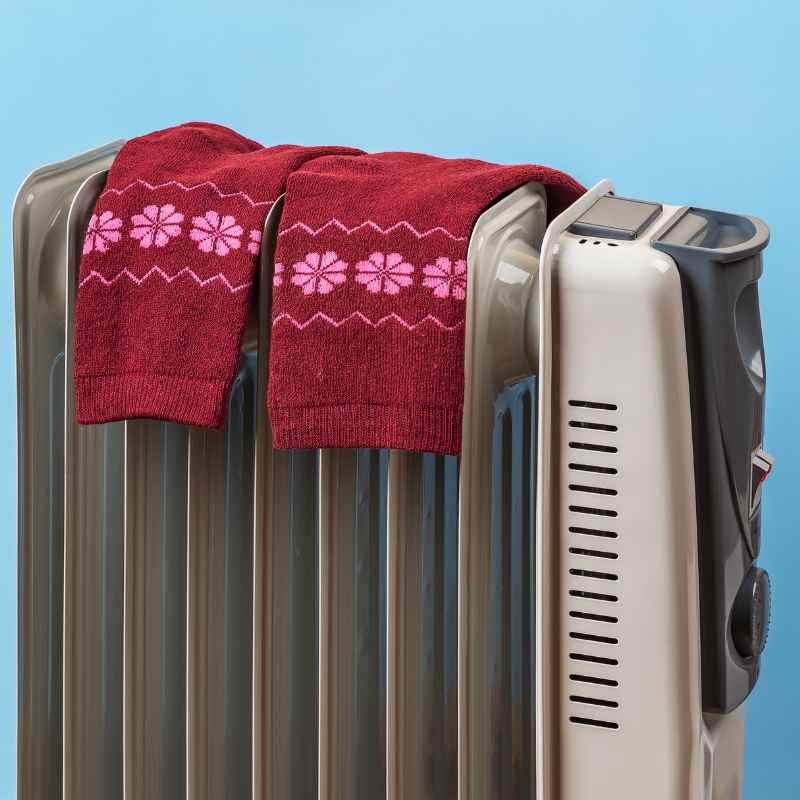
Warning: Never cover your oil filled radiator with a towel, blanket, or clothing to dry them. The heat output is not designed for drying fabrics, and covering the unit can cause a fire.
A study by Which? found that oil filled radiators are one of the safest types of space heaters when used correctly, but improper placement remains the leading cause of incidents. Always leave the radiator uncovered and free from obstructions.
8. Safety Tips for Operating Your Oil Filled Radiator
Safety should always come first when operating any space heater. Silvercrest oil filled radiators are designed with multiple safety features, but you need to follow basic precautions to ensure trouble-free operation.
The radiator never touches an open flame, and the oil is sealed so there is no need to refill it. Still, the exterior can get very hot, and the unit draws enough current to overload a circuit if used incorrectly.
- Plug directly into a wall outlet rated for at least 15 amps. Do not use power strips or extension cords.
- Keep children and pets away from the hot surface. The fins can reach 100°C (212°F) or more.
- Place the radiator on a stable surface where it cannot be knocked over by foot traffic.
- Turn off and unplug the unit when you leave the room for extended periods or go to sleep.
- Inspect the power cord regularly for cracks, bends, or damage. Replace the unit if the cord is compromised.
- Do not use the radiator in small, enclosed spaces like a closet or under a desk where heat can build up.
- Keep the radiator dry at all times. Do not use it in bathrooms or near sinks unless it is rated for damp locations.
| Safety Feature | How It Works | What It Prevents |
|---|---|---|
| Tip-Over Switch | Senses angle > 30° and cuts power | Fire from knocked-over heater |
| Overheat Protection | Thermal fuse shuts off at max temp | Damage to internal components |
| Sealed Oil System | No refilling, no leaks | Fire and burn hazards from oil spills |
Tip: Test the tip-over switch on your Silvercrest radiator when you first get it. Gently tilt the unit to hear if the internal switch clicks off. If it does not, contact Silvercrest customer support.
The National Safety Council reports that space heaters are responsible for an estimated 25,000 residential fires each year. However, oil filled radiators are statistically safer than fan-forced or ceramic heaters because they have no exposed heating elements and operate at lower surface temperatures. Still, you should never leave any space heater unattended for long periods.
Frequently Asked Questions
How do I turn on my Silvercrest oil filled radiator?
Plug the radiator into a wall outlet. Set the power switch to I (low) or II (high) depending on your heating needs. Turn the thermostat dial clockwise to your desired temperature.
The indicator light will come on, showing the unit is heating.
Why does the indicator light on my Silvercrest radiator go on and off?
This is normal. The light turns on when the heating element is actively warming the oil and turns off when the room reaches the thermostat setpoint. The cycling action maintains a steady room temperature without running constantly.
Can I leave my Silvercrest oil filled radiator on overnight?
Yes, but use the lowest power setting (I) and set the timer for 2-4 hours. This keeps the room comfortable while you fall asleep without running the heater all night. Always place the radiator away from bedding and curtains.
Does the oil in my Silvercrest radiator ever need to be replaced?
No. The oil in a Silvercrest oil filled radiator is sealed inside the unit and never needs to be refilled or replaced. If you see oil leaking, that indicates a damaged seal, and the radiator should be replaced immediately.
What size room can a Silvercrest oil filled radiator heat?
Most Silvercrest models with 1500W to 2000W output can effectively heat rooms up to 20 m² (200 sq ft). For smaller rooms around 10 m², using the low power setting (500-800W) is sufficient and more energy-efficient.
Final Thoughts
Operating your Silvercrest oil filled radiator is simple once you understand the control panel, thermostat adjustment, and timer function. Position the heater safely with proper clearance, choose the right power setting for your room size, and let the thermostat do the work of maintaining a comfortable temperature. With these basics, you will enjoy quiet, steady heat all season long without wasting energy.
Sponsored / affiliate links. As an Amazon Associate I earn from qualifying purchases. I may earn additional commission from eligible campaigns.