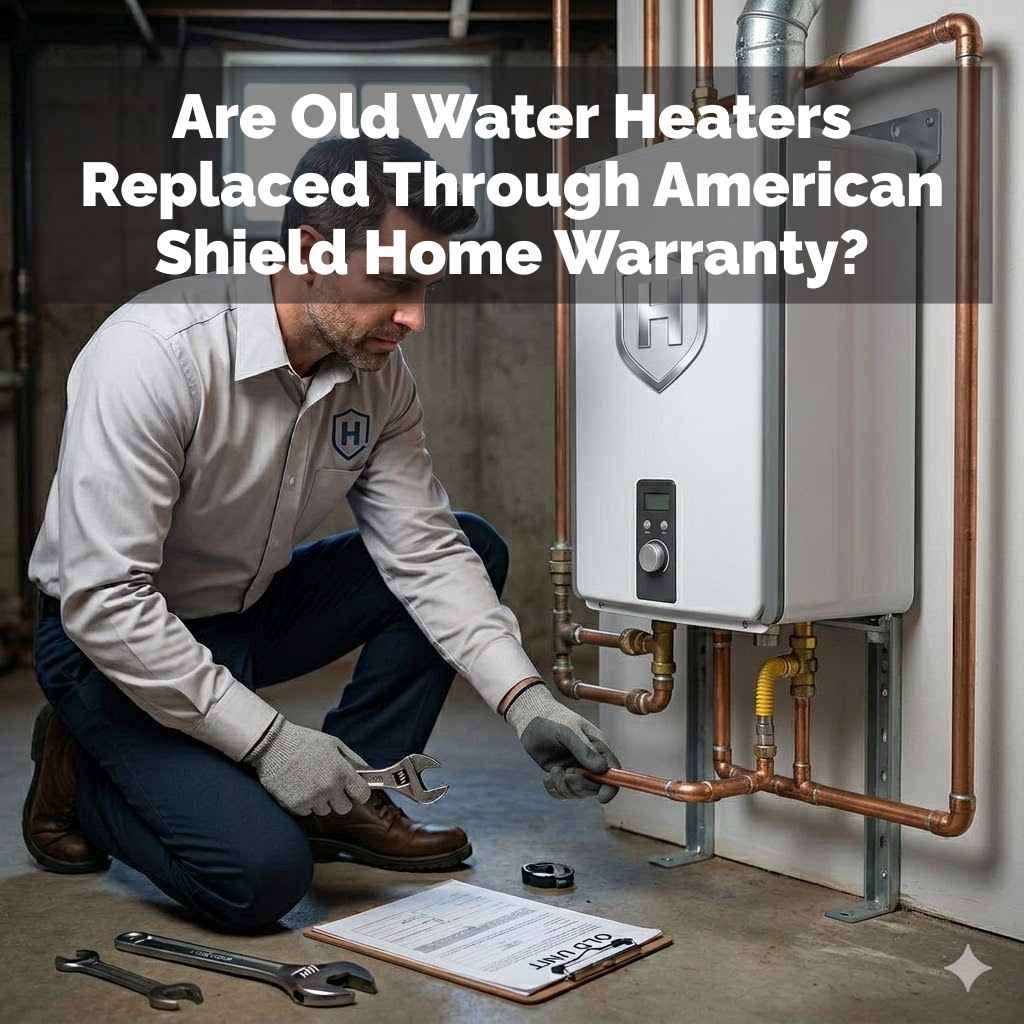
Are Old Water Heaters Replaced Through American Shield Home Warranty?
Most water heaters don’t last forever. They do a lot of work every single day. Think about it: heating water for showers, dishes, laundry.
It’s a constant cycle. On average, a standard tank water heater can last about 10 to 15 years. Some might go a bit longer.
Others might give up sooner.
Several things can affect how long a water heater lives. The quality of the water in your home plays a big role. Hard water, with lots of minerals, can cause buildup.
This buildup can make the heater work harder and corrode parts faster. How often you use hot water also matters. A busy family will put more strain on a unit than a single person.
Regular maintenance is also key. Flushing the tank to remove sediment can help. Checking the anode rod is another important step.
This rod sacrifices itself to protect the tank from rust. When it’s gone, the tank can start to rust. Ignoring these simple checks can shorten your water heater’s life significantly.
Many people don’t know about these things until it’s too late.
When a water heater fails, it’s rarely a gentle goodbye. It can be a sudden event. Water might leak, or you might just get cold water.
Either way, it’s an urgent problem. Finding out if your warranty covers it is the first step to getting it fixed. It can save you a lot of money and stress.
Can American Shield Home Warranty Replace an Old Water Heater?
American Shield Home Warranty typically covers the repair or replacement of major home systems and appliances when they break down due to normal wear and tear. Whether an old water heater is covered depends on the specific terms of your contract, the age of the unit, and the cause of failure. It is always best to check your policy details or contact American Shield directly for a definitive answer regarding your specific situation.
This is the big question, and the answer isn’t always a simple yes or no. Home warranties work in a specific way. They are service contracts.
They help cover the cost of repairs or replacements for covered items. These items usually include major home systems. Things like plumbing, electrical, and HVAC systems are often included.
Water heaters fall under the plumbing system. So, in principle, they should be covered. However, there are often important conditions.
One of the biggest is age. Many policies have limits on how old a covered item can be. If your water heater is very old, say over 10 or 15 years, a warranty company might say it’s past its “useful life.”
They might argue that an older unit is more likely to fail. They see it as a pre-existing condition or simply at the end of its expected service life. This is where it can get frustrating for homeowners.
You’ve been paying for a warranty, and now the part that breaks is too old to be covered.
Another factor is the reason for failure. If the water heater broke due to a manufacturing defect or normal wear and tear, it’s more likely to be covered. But if it failed because of neglect, poor maintenance, improper installation, or external damage, the warranty company might deny the claim.
They will often investigate the cause of the failure.
It’s crucial to read your American Shield contract carefully. Look for sections on plumbing systems and appliances. Pay close attention to any exclusions or limitations.
These are the clauses that can prevent coverage. Sometimes, a warranty might cover the repair but not the full replacement of an old unit. Or they might offer a credit towards a new one.
What “Normal Wear and Tear” Really Means
The phrase “normal wear and tear” is used a lot in warranty contracts. It’s important to understand what it means. It refers to the natural deterioration of a system or appliance over time.
This happens from regular use. Think of a car engine. It wears out with miles driven.
A water heater wears out from heating water day after day.
This is different from damage caused by an accident. It’s also different from a problem that existed before you bought the home or the warranty. It’s the expected aging process.
For a water heater, this could mean the internal components slowly degrading. It could be the heating element failing. It could be seals wearing out.
However, warranty companies often have a stricter interpretation. They might look at the age of the unit. If it’s significantly older than the average lifespan, they might claim it’s not “normal” wear.
They might say it’s at the end of its operational life. This is a common point of contention for homeowners.
I remember a client, Sarah, who had an older water heater. It started leaking one evening. She had an American Shield warranty.
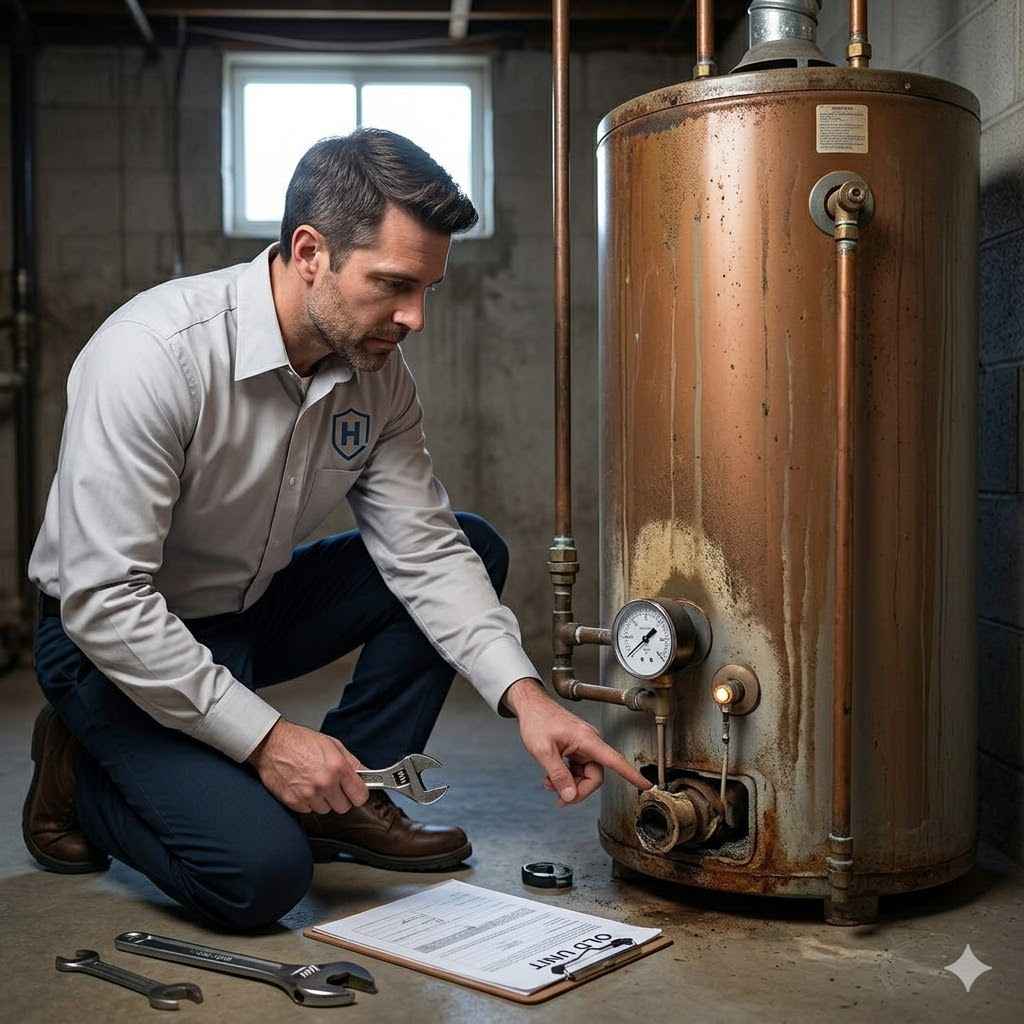
She called them immediately. The technician came out. He said the tank had rusted through.
He pointed to the date on the tank. It was 14 years old. American Shield denied the claim.
They said the unit was beyond its expected lifespan and that rust was not covered as “normal wear and tear” for a unit that old. Sarah was devastated. She felt she had been paying for nothing.
This is a tough situation many homeowners find themselves in.
The core idea is that the warranty is there to protect you from the unexpected breakdowns. It’s not meant to replace items that are simply old and have reached their natural end. But the line between “old and naturally failed” and “unexpectedly failed due to wear” can be blurry.
And that’s where the contract details matter most.
Key Factors Affecting Coverage
Age of the Water Heater: Older units are often excluded or have limited coverage.
Cause of Failure: Wear and tear is typically covered. Neglect or improper installation usually isn’t.
Policy Specifics: Your contract defines exactly what is and isn’t covered.
Deductible/Service Fee: Even if covered, you’ll likely pay a fee per service call.
When a Water Heater Failure Might Be Covered
Even with an older unit, there are scenarios where American Shield might cover the replacement. It often depends on the specific failure and the age of the unit. If your water heater is, say, 8 to 10 years old, it’s in a more favorable age range for coverage.
Let’s say the thermostat suddenly stops working. Or perhaps the dip tube breaks. These are internal parts that can fail due to normal use.
If the unit is not excessively old, American Shield is more likely to see this as a covered breakdown. They would typically send a pre-approved technician to diagnose the issue.
The technician’s report is crucial. It details the problem and its cause. If the report states the failure is due to a component malfunction from regular operation, the claim has a good chance of being approved.
The warranty company reviews this report. They compare it against your contract terms.
Consider a situation where a homeowner had a 7-year-old water heater. It started making loud banging noises. Then, it stopped heating.
The warranty company sent a technician. The technician found that the heating element had burned out. This was deemed a normal failure for a component under regular use.
The warranty covered the replacement of the heating element. In this case, the entire unit wasn’t replaced, but the repair was covered. This is a common outcome.
If the unit is deemed beyond economical repair, the warranty might authorize a replacement. However, they might also offer a cash-out option. This means they give you a certain amount of money.
You can then use that money towards buying a new water heater yourself. This amount is usually less than the full cost of a new unit.
It’s important to be honest and thorough when reporting the issue. Don’t try to hide the age of the unit. Be prepared to provide maintenance records if you have them.
This shows you’ve taken care of the appliance. This can strengthen your claim, especially if the failure seems unusual for its age.
What to Expect During a Claim
Contact American Shield: Call their customer service to initiate a claim. Be ready with your policy number.
Service Fee: You’ll likely pay a service call fee (deductible) when the technician arrives.
Technician Visit: A pre-approved technician will diagnose the problem.
Diagnosis and Report: The technician writes a report for the warranty company.
Approval or Denial: American Shield reviews the report and approves or denies the claim based on your contract.
Repair or Replacement: If approved, they will arrange for the repair or replacement.
Common Exclusions and Limitations
Home warranty policies are packed with exclusions. These are things the warranty will NOT cover. For water heaters, these can be very important.
Understanding them upfront can save you a lot of heartache.
Age Limit: As mentioned, this is a big one. Many policies exclude water heaters over a certain age, often 10 or 12 years. Some might have a sliding scale of coverage based on age.
A unit at 11 years might get partial coverage, while one at 15 gets none.
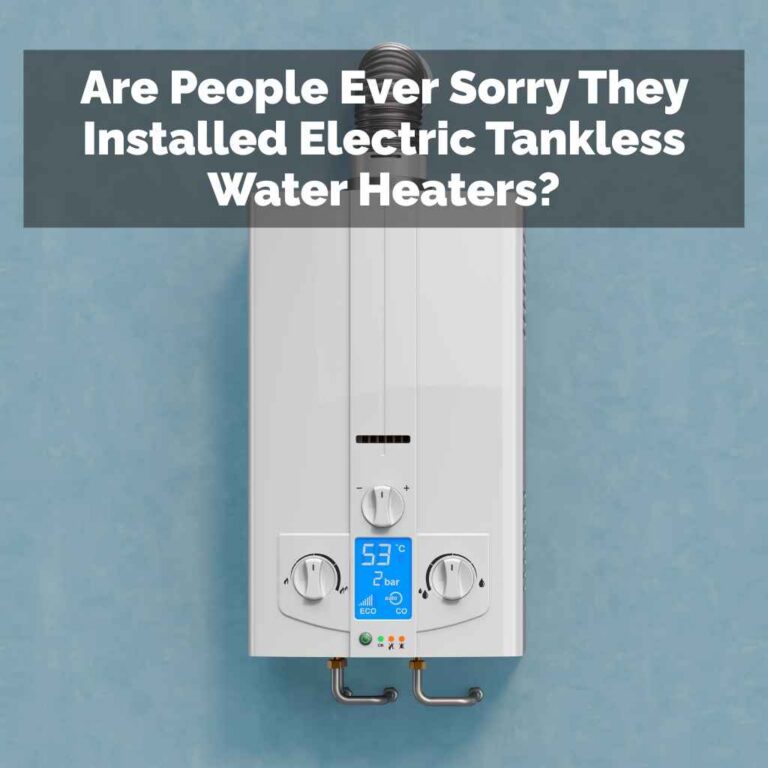
Type of Water Heater: Some warranties only cover standard tank-style water heaters. Tankless water heaters, or more complex systems, might require a separate rider or be excluded entirely. Always check if your specific type of unit is covered.
Installation and Permits: If the water heater was not installed by a licensed professional, or if required permits were not obtained, the warranty company might deny a claim. They want to ensure the system was installed correctly and to code. Improper installation can lead to premature failure.
Cosmetic Damage: Dents, scratches, or other superficial damage to the exterior of the water heater are almost never covered. The warranty is for functional failures.
Maintenance-Related Issues: If the failure is due to a lack of regular maintenance, like sediment buildup or a worn-out anode rod, it can be excluded. This ties back to the “neglect” clause. It’s why keeping up with maintenance is so important, even with a warranty.
Energy Efficiency Upgrades: If your old water heater is inefficient and you want to
External Factors: Damage from floods, fires, power surges, or natural disasters is usually not covered by a home warranty. These are typically covered by homeowner’s insurance.
It’s like buying insurance for your car. You know they won’t cover you if you intentionally crash it. Or if you drive it without a license.
Home warranties have similar “common sense” rules built in, often written in very technical language.
The Role of the Service Fee
Even when a water heater replacement is covered by American Shield, you won’t get out entirely free. There’s almost always a service fee, sometimes called a deductible. This is a fixed amount you pay each time a technician comes to your home for a covered service call.
The amount of the service fee can vary. It’s usually stated clearly in your contract. It might be $75, $100, $125, or even more per visit.
This fee applies regardless of the total cost of the repair or replacement. So, if a simple part costs $50 to fix, you still pay the full service fee. If a complete replacement costs $1,500, you still pay the same service fee.
This fee is a way for the warranty company to share some of the risk with the homeowner. It also helps to deter frivolous service calls for minor issues. You need to factor this fee into your budget when a breakdown occurs.
It’s a part of the total cost of getting the problem resolved through the warranty.
Sometimes, the service fee might feel high compared to the cost of a minor repair. However, when it comes to a major replacement like a water heater, the service fee is usually a fraction of the total expense. This is where the warranty truly provides value.
I’ve seen people get frustrated by the service fee. They might say, “I already paid for the warranty, why do I have to pay again?” It’s important to remember that the warranty is a service contract. The fee covers the dispatch of a qualified technician and their assessment of the problem.
It’s a standard practice in the industry.
What’s Typically NOT Covered (Water Heater Specific)
Pre-Existing Conditions: Problems that existed before you bought the warranty.
Improper Installation: If the unit wasn’t installed to code.
Lack of Maintenance: Failures caused by not flushing the tank or replacing the anode rod.
Cosmetic Damage: Dents or scratches on the outside.
Specialty Units: Tankless, solar, or high-efficiency models may be excluded.
Non-Functional Issues: If the unit makes noise but still works, it’s likely not covered.
When to Consider Replacing Your Water Heater Yourself
There are times when it makes more sense to handle a water heater replacement on your own, even if you have a home warranty. This is often the case if your unit is very old or if the warranty claim is likely to be denied.
If your water heater is approaching or has passed its 15-year mark, the warranty company will likely deny coverage. In this situation, you know you’ll have to pay for a new one anyway. It might be quicker and less hassle to just find a plumber yourself and get a new unit installed.
Another reason is if the warranty company offers a “cash-out” option that is too low. If they offer you $300 towards a $1,200 replacement, you’re still on the hook for $900 plus the service fee. You might be able to find a better deal on a water heater and installation by shopping around yourself.
Also, consider the hassle of the warranty process. You have to file a claim, wait for approval, and then wait for the assigned technician. If you need hot water urgently, this process can be very frustrating.
Sometimes, a direct plumber can get the job done faster.
I talked to Mark, a homeowner in Arizona. His 13-year-old water heater started leaking badly. He had an American Shield warranty.
He filed a claim. The warranty company denied it due to age. They offered him $250 cash.
Mark got quotes from three local plumbers. He found a reputable one who could install a new 50-gallon gas water heater for $1,100. He decided to pay out of pocket.
It was faster, and he felt he got a better unit for the price he paid than if he had tried to force the warranty.
Before you call your warranty company, do a quick online search for local water heater replacement costs. Get a ballpark figure. This will help you understand if the warranty’s potential payout, minus the service fee, is worth the process.
When you do decide to replace it yourself, make sure to hire a licensed and insured plumber. Ask for recommendations. Check online reviews.
A good installation is just as important as the water heater itself for its longevity.
Tips for Working with American Shield on Water Heater Issues
If you find yourself with a failing water heater and an American Shield warranty, here are some tips to navigate the process smoothly:
1. Read Your Contract Thoroughly: This is the most critical step. Understand your policy’s coverage for plumbing systems and appliances, including any age limits or specific exclusions for water heaters.
2. Document Everything: Keep copies of your contract, any communication with American Shield, and the technician’s report. If possible, take photos of the issue.
3. Be Honest and Clear: When you report the problem, describe it accurately. Don’t exaggerate or downplay issues.
Mention the age of the water heater if asked, but let the technician make the final assessment.
4. Know Your Service Fee: Be prepared to pay the service fee when the technician arrives. Have the amount ready.
5. Understand the Technician’s Role: The technician is sent by American Shield. Their job is to assess the problem and report back to the warranty company.
They don’t make the final coverage decision.
6. Ask Questions: If you don’t understand something, ask the technician or the American Shield representative. Don’t be afraid to seek clarification.
7. Follow Up: If you don’t hear back within the timeframe they give you, follow up with American Shield. Keep track of when you’re supposed to receive updates.
8. Consider the Cash-Out Option: If your claim is approved but you’re not happy with the replacement process or the authorized replacement unit, ask about the cash-out option. Weigh it against getting quotes yourself.
These steps can help make the process less stressful. It’s about managing expectations and understanding the system.
Quick Comparison: Warranty vs. Self-Replace
| Feature | Using American Shield | Replacing Yourself |
|---|---|---|
| Cost Upfront | Service Fee + Potential Deductible | Full Cost of Water Heater + Installation |
| Speed | Can be slow; depends on approval and scheduling | Potentially faster; you control the timeline |
| Unit Choice | Often limited to approved models or standard replacements | Full choice of brands, models, and features |
| Hassle Factor | Claim filing, waiting, multiple calls | Research, quotes, scheduling |
| Likelihood of Coverage | Depends on age, cause, and policy terms | Guaranteed if you pay for it |
The Bottom Line on Water Heater Coverage
So, to circle back to the main question: are old water heaters replaced through American Shield Home Warranty? It’s often not a simple yes. For newer units that fail due to normal wear and tear, yes, it’s very likely to be covered, after your service fee.
For older units, it becomes a much trickier situation.
American Shield, like most home warranty companies, aims to cover unexpected breakdowns. They are not typically designed to be a long-term replacement fund for aging appliances. If your water heater is old, it’s more probable that a claim will be denied based on age or “end of useful life.”
The best course of action is always to understand your policy. Read it carefully. And if a problem arises, contact American Shield promptly.
Be prepared with details and understand that the outcome depends heavily on the specifics of your contract and the condition of your water heater.
It’s a good idea to budget for potential water heater
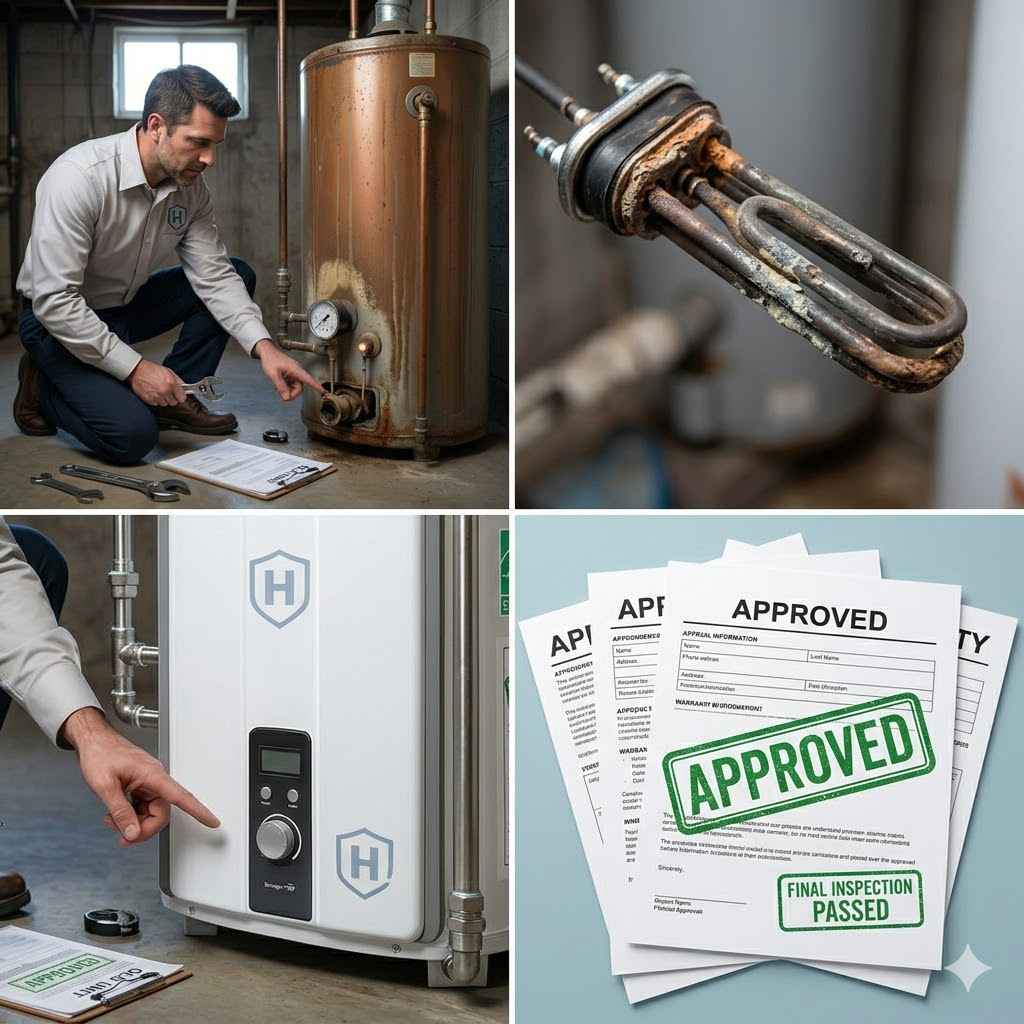
Frequently Asked Questions
Does American Shield cover the labor costs for water heater replacement?
Yes, if the water heater
What if my water heater is only 9 years old but fails? Is it covered?
A 9-year-old water heater is generally within the age range where many home warranties, including potentially American Shield, would consider it for coverage. If the failure is due to normal wear and tear and not neglect or improper installation, it has a good chance of being approved after review.
Can I choose any plumber to replace my water heater if American Shield covers it?
No, typically you cannot choose any plumber. American Shield will assign a pre-approved, licensed technician from their network to perform the work. You do not get to select your own plumber for warranty-covered repairs.
What happens if American Shield denies my water heater claim?
If your claim is denied, you will usually be responsible for the full cost of the repair or replacement. You may also have the option to appeal the decision if you believe it was made in error, or consider replacing it yourself.
Is a tankless water heater covered by American Shield Home Warranty?
Coverage for tankless water heaters can vary significantly. Many standard home warranty policies are designed for traditional tank-style water heaters. You must check your specific contract or contact American Shield directly to see if tankless models are included or if an add-on coverage is needed.
How long does American Shield usually take to approve or deny a claim?
The timeframe for claim approval or denial can vary. Typically, you should expect a decision within a few business days after the technician has submitted their report. However, complex cases or high claim volumes can sometimes extend this period.
Does American Shield cover the cost of a new, more energy-efficient water heater?
Home warranties usually cover the cost of replacing a covered item with a unit of like kind and quality. This means they will typically cover the cost of a standard replacement. If you opt for a more expensive, energy-efficient model, you will likely have to pay the difference in price yourself.
Final Thoughts on Water Heater Coverage
Navigating home warranty coverage for an aging appliance like a water heater can be complex. While American Shield offers peace of mind for many repairs, understanding the limitations, especially regarding age and cause of failure, is crucial. Always read your policy and be prepared for various outcomes.
This helps manage expectations and protects your budget when that old water heater finally needs replacing.
Sponsored / affiliate links. As an Amazon Associate I earn from qualifying purchases. I may earn additional commission from eligible campaigns.