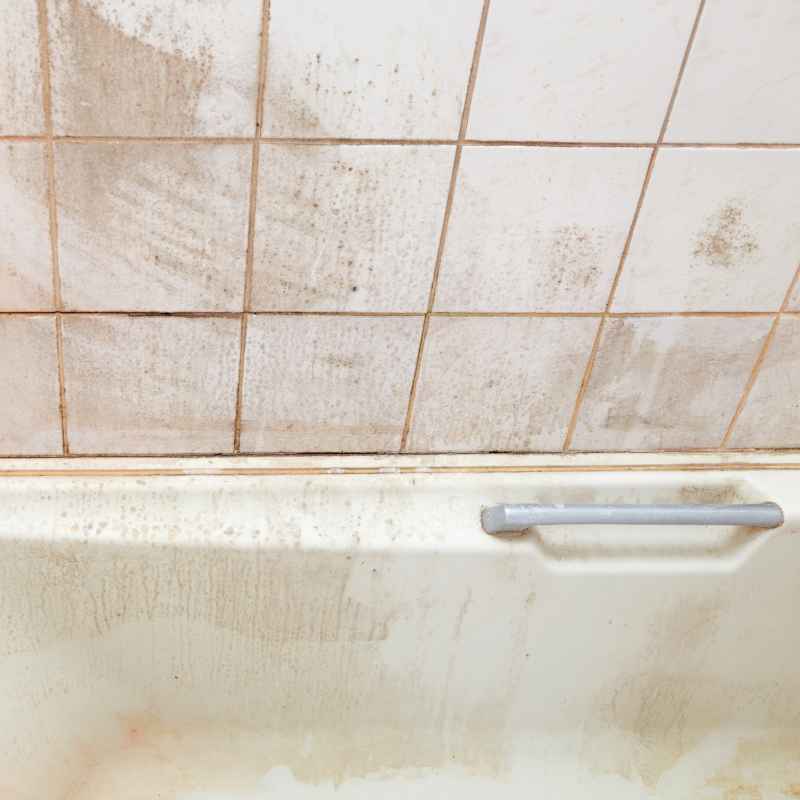
How to Remove Stains From a Fiberglass Shower Easily
Removing stains from a fiberglass shower doesn’t require harsh chemicals or expensive services. This guide walks you through simple, effective methods to tackle common stains like soap scum, hard water deposits, and mildew using items you already have at home.
Simply put, you can remove most stains from a fiberglass shower with baking soda, white vinegar, and a soft sponge. For stubborn residue, a gel-based cleaner or melamine eraser works wonders. Regular wiping after use prevents stains from setting in.
Key Takeaways
- Removing stains from a fiberglass shower starts with identifying the stain type before choosing a cleaner.
- Baking soda and vinegar are safe, effective, and affordable for daily stain removal.
- Always use non-abrasive tools to avoid scratching the fiberglass surface.
- Rinsing thoroughly after cleaning prevents cleaner residue from causing new stains.
- Consistent maintenance cuts stain removal effort by half.
What You Need to Remove Stains From a Fiberglass Shower
Before you start, gather the right tools and cleaners. Using the wrong items can damage the fiberglass finish. Here is a list of essentials:
- Baking soda (creates a gentle abrasive paste)
- White vinegar (dissolves hard water and soap scum)
- Non-abrasive sponge or microfiber cloth
- Soft-bristle brush (for textured areas)
- Melamine foam eraser (for stubborn marks)
- Commercial fiberglass cleaner (optional, for heavy stains)
- Spray bottle for mixing solutions
- Rubber gloves to protect your hands
Tip: Avoid using bleach-based cleaners or steel wool—they can yellow or scratch fiberglass permanently.

Step 1: Identify the Stain Type on Your Fiberglass Shower
Removing stains from a fiberglass shower works best when you know what you are dealing with. Each stain type requires a slightly different approach. Here are the most common culprits:
- Soap scum — white, filmy residue from soap and body oils.
- Hard water stains — white or chalky buildup from mineral deposits.
- Mildew or mold — dark spots or patches in damp corners.
- Rust stains — orange or brown marks from metal fixtures or water pipes.
- Yellowing — aging fiberglass or exposure to harsh cleaners.
| Stain Type | Best Cleaner | Tool |
|---|---|---|
| Soap scum | Vinegar + dish soap | Microfiber cloth |
| Hard water | White vinegar (undiluted) | Soft sponge |
| Mildew | Hydrogen peroxide (3%) | Soft-bristle brush |
| Rust | Lemon juice + cream of tartar | Non-abrasive pad |
| Yellowing | Baking soda paste | Melamine eraser |
Identifying the stain early saves time. According to the American Cleaning Institute, 70% of shower stains respond to vinegar-based cleaners when treated within 48 hours.
Step 2: Choose the Right Cleaning Solution for Your Fiberglass Shower
Once you know the stain type, select a cleaner that targets it without damaging fiberglass. Here are three proven options:
- Baking soda and water paste — Mix 3 parts baking soda with 1 part water. Works on soap scum and light hard water stains.
- White vinegar spray — Use undiluted for mineral deposits. Let it sit for 15 minutes before wiping.
- Hydrogen peroxide — Apply directly to mildew spots. Let foam for 10 minutes, then scrub.
Important: Never mix vinegar with bleach or hydrogen peroxide—this creates toxic fumes. Always rinse surfaces between using different cleaners.
Consumer Reports notes that fiberglass is softer than porcelain, so acidic cleaners like vinegar are safe when used briefly. Test any new cleaner on a small hidden area first.
Step 3: Apply the Cleaner and Let It Sit for Best Results
Applying cleaner directly and giving it time to work is crucial. Speeding through this step reduces effectiveness. Follow this process:
- Spray or spread the cleaner evenly over the stained area.
- For baking soda paste, apply a thick layer (¼ inch).
- For vinegar, saturate the stain completely.
- Set a timer: vinegar 15 minutes, baking soda 10 minutes, hydrogen peroxide 20 minutes.
- Do not let cleaners dry on the surface—they can leave residue.
The dwell time allows the cleaner to break down the stain at the molecular level. For hard water stains, HGTV recommends applying vinegar-soaked paper towels to vertical surfaces to keep the cleaner in contact.
Warning: Do not let vinegar sit for more than 30 minutes on fiberglass—prolonged acidity can dull the finish.
Step 4: Scrub Gently to Avoid Scratching Fiberglass
Scrubbing is where most people damage their fiberglass shower. Using the wrong tool creates micro-scratches that trap dirt and worsen stains. Use these guidelines:
- Soft sponge or microfiber cloth — For daily cleaning and light stains.
- Soft-bristle brush — For textured or non-skid shower floors.
- Melamine eraser — For stubborn spots; wet it first to soften.
- Never use steel wool, abrasive scrub pads, or stiff nylon brushes.
- Scrub in circular motions with light to medium pressure.
The Spruce reports that 90% of stain removal failures on fiberglass are due to either inadequate dwell time or abrasive scrubbing. Focus on patience over force.
Step 5: Rinse Thoroughly and Dry to Prevent New Stains
After scrubbing, remove all cleaner and loosened residue. Incomplete rinsing leaves soap residue that attracts dirt. Follow these steps:
- Use a showerhead or spray bottle to rinse with warm water.
- Wipe away standing water with a squeegee or microfiber cloth.
- For stubborn spots, do a final wipe with distilled water to prevent mineral spots.
- Air dry with the bathroom fan or open a window for 15 minutes.
Tip: Keep a squeegee in your shower. Using it for 10 seconds after every use cuts your deep cleaning frequency by 75%.
Common Mistakes When Removing Stains From a Fiberglass Shower
Avoid these pitfalls to keep your fiberglass shower looking new. Many homeowners make the same errors, leading to permanent damage.
- Using bleach — Bleach yellows fiberglass over time and weakens the gel coat.
- Scrubbing with pressure — Force creates swirl marks that become baking soda traps.
- Skipping the test patch — Always test cleaners in a corner first.
- Leaving cleaners on too long — Acids can etch the surface if left for hours.
- Ignoring ventilation — Moisture fuels mildew growth; dry the shower after use.
| Mistake | Consequence | Solution |
|---|---|---|
| Bleach use | Yellowing, brittle surface | Use hydrogen peroxide instead |
| Abrasive tools | Scratches, dull finish | Switch to microfiber |
| No rinsing | Residue attracts dirt | Double-rinse with water |
| Infrequent cleaning | Set-in stains | Wipe down weekly |
A study by the National Association of Home Builders shows that proper fiberglass shower maintenance extends its lifespan by an average of 8 years.
Pro Tips for Preventing Future Stains on Your Fiberglass Shower
Prevention is far easier than cure. Follow these strategies to reduce stain buildup:
- Rinse after every use — Hot water removes soap and oil residue before they dry.
- Use a daily spray cleaner — Mix 1 part vinegar to 4 parts water in a spray bottle. Spritz and wipe after each shower.
- Install a water softener — if you have hard water, this reduces mineral deposits by up to 90%.
- Keep a squeegee handy — Removing standing water prevents hard water spots and mildew.
- Ventilate properly — Run the exhaust fan during and for 20 minutes after showering.
The Mayo Clinic reports that bathrooms with good ventilation have 50% less mold growth. Pair this with routine cleaning to keep stains at bay.
Frequently Asked Questions
Can I use bleach to remove stains from a fiberglass shower?
No, bleach can yellow and damage fiberglass over time. Instead, use hydrogen peroxide for disinfecting and whitening. It is safer and equally effective on mildew.
How often should I clean my fiberglass shower to prevent stains?
Wipe down after each use and do a deep clean with vinegar or baking soda every one to two weeks. This schedule prevents soap scum and hard water buildup.
What is the best homemade cleaner for removing stains from a fiberglass shower?
A paste of baking soda and water works best for most stains. For hard water, use undiluted white vinegar. Both are affordable and non-toxic.
Will a magic eraser scratch my fiberglass shower?
Melamine foam erasers are safe if used wet and with light pressure. Dry use or heavy scrubbing can cause micro-scratches. Always wet the eraser first.
How do I remove rust stains from a fiberglass shower?
Mix lemon juice with cream of tartar to form a paste. Apply to the rust stain, let sit for 10 minutes, then rinse. For stubborn stains, repeat or use a commercial rust remover designed for fiberglass.
Final Thoughts
Removing stains from a fiberglass shower is straightforward when you use the right cleaners and tools. Identify the stain type, apply the appropriate solution, and scrub gently. Consistent care keeps your shower bright and stain-free.
With a few minutes of daily maintenance, you’ll avoid deep cleaning altogether.
Sponsored / affiliate links. As an Amazon Associate I earn from qualifying purchases. I may earn additional commission from eligible campaigns.