Fiberglass Bathtub Stains: CLR, Vinegar & Baking Soda Fixes
Baking soda paste, vinegar soaks, and dish soap lift most soap-scum and hard-water stains from a fiberglass bathtub safely — but rust and set-in dye need a fiberglass-safe product like CLR instead of scrubbing harder. Steel wool or stiff brushes dull and scratch the gel coat permanently, turning a stain problem into a refinishing bill. This guide covers gentle stain-removal methods, what to avoid, and when a commercial cleaner is actually worth using.
Understanding Fiberglass Bathtub Stains
Fiberglass tubs are great. They look nice and are usually pretty easy to clean. But they can get stained.
These marks often come from things like soap scum. They can also be from mildew. Hair dye or even certain bath oils can leave their own marks.
Sometimes, rust from leaky fixtures can drip down. These can all leave ugly spots.
The surface of fiberglass is a bit softer than, say, porcelain. This means it can scratch easily. Harsh chemicals can also damage the gel coat.
That’s the shiny outer layer. So, knowing what kind of stain you have is a good first step. It helps you pick the right cleaning method.
You don’t want to make things worse.
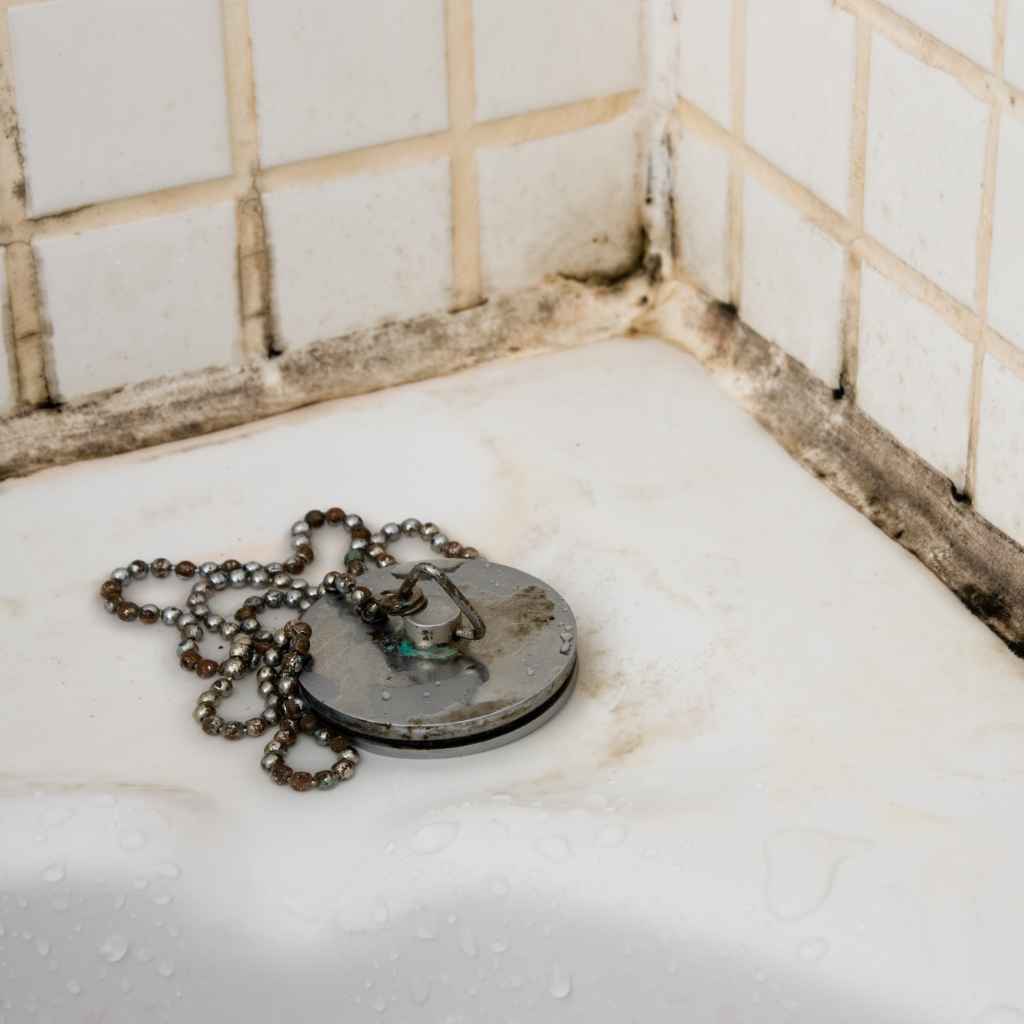
My Own Fiberglass Tub Scare
I remember one time, I was redoing my bathroom. I had some paint cans sitting near the tub. Of course, one of them sprung a tiny leak.
Just a few drops of dark blue paint landed on the white fiberglass. My heart sank. I grabbed a sponge and some regular bathroom cleaner.
I scrubbed like crazy. It just smeared the paint. It looked like a giant bruise on my tub.
I felt a wave of panic. I thought I’d have to replace the whole tub. That felt overwhelming and expensive.
I spent the next hour researching how to fix it. I tried a few things that didn’t work. Then, I found a method using baking soda.
I was skeptical but desperate. I made a paste. I gently rubbed it on.
Slowly, the paint stain started to lift. It was such a relief. The tub looked almost perfect again.
That experience taught me a lot about how to treat fiberglass gently.
“I scrubbed like crazy with regular bathroom cleaner and it just smeared the paint into a bruise-looking mess. A baking soda paste, left on for about 10 minutes, is what finally lifted it — not the harsh scrubbing I tried first.”
What Causes Common Tub Stains?
Soap Scum Buildup: This is a mix of soap, oils, and minerals. It looks white and chalky. Or it can be a greasy film.
Mildew & Mold: These are fungi that love damp, dark places. They appear as black, green, or pink spots. They often grow in grout lines or around drains.
Water Spots & Mineral Deposits: Hard water has lots of minerals. These minerals can leave spots when water dries. They look like dull rings or cloudy patches.
Dye Stains: Hair dyes, bath bombs, or colored soaps can dye the fiberglass. This is especially true if left to sit for a while.
Gentle Cleaning for Sparkling Results
The key to getting stains out of fiberglass is to be gentle. You want to lift the stain. You don’t want to strip the finish.
Many common household items work wonderfully. They are less harsh than strong commercial cleaners. Always start with the mildest option.
See if that works before moving to something stronger.
For most everyday grime and light stains, a simple mixture works. You can use warm water and a little dish soap. For tougher spots, baking soda is your best friend.
It’s a mild abrasive. It helps lift stains without scratching. Another great helper is white vinegar.
Vinegar is acidic. It helps break down soap scum and mineral deposits.
Method 1: The Baking Soda Paste
This is a go-to for many stains. It’s safe and effective for fiberglass. You will need baking soda and water.
Maybe a little dish soap too.
First, gather your supplies. You’ll need a bowl, baking soda, and water. You might also want a soft cloth or a sponge.
Avoid abrasive scrubbers. Those can scratch the fiberglass. Open a window for fresh air.
This is always a good idea when cleaning.
In your bowl, mix about one cup of baking soda. Add just enough water to make a thick paste. It should be like toothpaste.
Stir it well. If the paste is too thin, add more baking soda. If it’s too thick, add a tiny bit more water.
Now, apply this paste to the stained areas. Use a soft cloth or your sponge. Gently rub the paste onto the stain.
Work in a circular motion. Don’t scrub hard. Let the paste sit on the stain for about 10 to 15 minutes.
This gives the baking soda time to work.
After letting it sit, gently wipe away the paste. Use a damp, soft cloth. Rinse the area thoroughly with clean water.
Check the stain. For tougher stains, you might need to repeat this process. Sometimes two or three applications are needed.
You can also add a drop of dish soap to the paste for extra cleaning power. Just make sure to rinse very well afterward.
Quick Baking Soda Paste Steps
- Mix baking soda and water to a paste.
- Apply paste to stains.
- Let sit for 10-15 minutes.
- Gently wipe away.
- Rinse well with water.
- Repeat if needed.
Best Fiberglass-Safe Stain Paste Pick
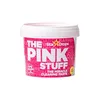
Stardrops The Pink Stuff Miracle Cleaning Paste – $5.97
A non-scratch paste that works like the baking-soda method above but pre-mixed, useful for soap scum and everyday grime when you do not want to mix your own paste.
- Best for: soap scum and general grime buildup
- Why we picked it: non-scratch formula safe on fiberglass, ceramic, and glass
- Main drawback: not formulated specifically for rust, use a rust-specific remover for that
Compare more fiberglass tub cleaning options
 Option 1 Zep Calcium Lime & Rust Remover – $4.55
|
 Option 2 Method Tub & Tile Spray – $9.32
|
 Option 3 Microfiber Cloths (24-Pack) – $10.26
|
As an Amazon Associate we earn from qualifying purchases.
Method 2: White Vinegar Power
White vinegar is another champion for cleaning fiberglass tubs. It’s excellent for tackling soap scum and hard water marks. It’s also great for mildew.
You can use it in a couple of ways.
For light soap scum or water spots, you can spray vinegar directly. Put some white vinegar into a spray bottle. Lightly spray the stained areas.
Let it sit for about 10 to 20 minutes. Then, wipe with a damp cloth and rinse. This is a quick way to refresh your tub.
For more stubborn buildup, a vinegar soak can help. Mix equal parts white vinegar and water. Dampen paper towels with this mixture.
Lay these wet paper towels over the stained areas. Make sure they stick well. Let them soak for about 30 minutes to an hour.
This allows the vinegar to soften the grime.
After soaking, remove the paper towels. Use a soft cloth to gently wipe away the loosened gunk. You might need a non-abrasive sponge for any remaining residue.
Rinse the tub thoroughly with water. The smell of vinegar can be strong. Make sure your bathroom is well-ventilated.
The smell will fade as it dries.
Vinegar Soak for Tough Grime
What you need: White vinegar, water, spray bottle, paper towels, soft cloth.
Steps:
- Mix equal parts vinegar and water in a spray bottle.
- Spray stains or dampen paper towels with the mix.
- Apply damp towels to stained areas.
- Let soak for 30-60 minutes.
- Remove towels and wipe away residue.
- Rinse the tub well.
Method 3: Dish Soap and Warm Water
Sometimes, the simplest methods are the best. For fresh stains or general cleaning, warm water and dish soap can do wonders. This is the mildest approach.
Get a bucket of warm water. Add a few drops of mild dish soap. Mix it up to create some suds.
Grab a soft cloth or a non-abrasive sponge. Dip it into the soapy water. Wring out the excess water so it’s not dripping everywhere.
Wipe down the entire surface of your fiberglass tub. Focus on any stained areas. Use gentle, circular motions.
For light marks, this might be all you need. After cleaning, rinse the tub thoroughly with clean water. This removes all soap residue.
Dry the tub with a clean, soft towel to prevent water spots.
This method is perfect for daily upkeep. It prevents tougher stains from forming in the first place. If you notice a spill or a light mark, clean it right away with this solution.
It’s much easier than dealing with set-in stains later.
Daily Cleaning Routine
- Use warm water and mild dish soap.
- Wipe down the tub after each use.
- Rinse and dry the tub regularly.
- This prevents soap scum and mildew.
Dealing with Tougher Stains
What about those really stubborn stains? Like dye or rust? You might need a bit more power.
But always remember to be gentle with fiberglass.
For Dye Stains: If a dye stain is fresh, try the baking soda paste first. If that doesn’t work, you can try a paste made of baking soda and hydrogen peroxide. Mix them to a paste.
Apply it to the stain. Let it sit for about 15-20 minutes. Hydrogen peroxide can help lift colors.
Rinse very well. Always test hydrogen peroxide in an inconspicuous spot first. It can sometimes lighten surfaces.
For Rust Stains: Rust stains can be tricky. A paste of lemon juice and salt can sometimes work. The acid in the lemon juice helps.
The salt acts as a mild abrasive. Apply the paste. Let it sit for a while.
Gently rub and rinse. For very stubborn rust, you might need a commercial rust remover specifically designed for fiberglass. Read the label carefully.
Make sure it says it’s safe for fiberglass. Apply it with caution.
For Mildew: For mildew, a diluted bleach solution can be effective. Mix one part bleach with three parts water. Apply it with a sponge or cloth.
Let it sit for about 10 minutes. Scrub gently. Rinse thoroughly.
Never mix bleach with other cleaners, especially ammonia. This can create dangerous fumes. Ensure good ventilation.
For sensitive individuals, a vinegar solution is a safer alternative.
Are CLR or Bar Keeper’s Friend Safe for a Fiberglass Tub?
Yes. CLR Calcium, Lime & Rust Remover and Bar Keeper’s Friend cleanser are both labeled safe for fiberglass by their manufacturers, and they work faster than a lemon-and-salt paste on set-in rust or mineral deposits. They are a genuinely stronger option than plain DIY pastes when household methods have not fully lifted a stain, but they are still a chemical product — test an inconspicuous spot first and rinse thoroughly.
📊 Bar Keeper’s Friend directions call for waiting up to one minute before scrubbing and rinsing — longer contact time risks etching the surface. Source: Bar Keeper’s Friend, 2026
CLR’s own FAQ page confirms the formula is compatible with fiberglass among the surfaces it lists as safe, alongside tile and fixtures — see CLR Brands, 2026 for the full compatibility list before using it on any colored or textured fiberglass finish.
Special Stain Solutions
Dye Stains
Try: Baking soda and hydrogen peroxide paste.
Rust Stains
Try: Lemon juice and salt paste, or a fiberglass-safe rust remover.
Mildew
Try: Diluted bleach solution (1 part bleach: 3 parts water) or vinegar.
Things to AVOID When Cleaning Fiberglass
This is super important. Some cleaning products and tools can damage your fiberglass tub. Knowing what to avoid will save you from bigger problems.
Avoid Abrasive Scrubbers: Steel wool, stiff brushes, or scouring pads will scratch the surface. Even some “non-scratch” sponges can be too rough. Always use soft cloths or non-abrasive sponges.
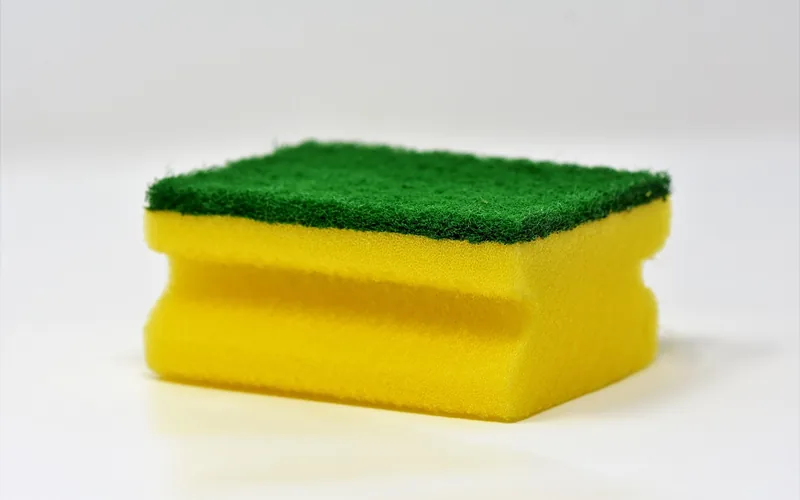
Avoid Harsh Chemicals: Products with strong acids (like undiluted toilet bowl cleaner) or harsh solvents can eat away at the gel coat. Acetone and paint thinner are usually too strong. Always check product labels for fiberglass safety.
Avoid Over-Scrubbing: Even with mild cleaners, too much force can dull the finish. Let the cleaner do the work. Use gentle motions.
Avoid Letting Stains Sit: The longer a stain stays, the harder it is to remove. Clean spills and marks as soon as you notice them.
Avoid Mixing Cleaners: Never mix bleach with ammonia or acids. This creates toxic gases. Stick to one cleaner at a time.
Rinse thoroughly between different methods if you are trying multiple things.
Cleaning Don’ts for Fiberglass
- Don’t use: Steel wool, stiff brushes, scouring pads.
- Don’t use: Harsh acids, strong solvents, acetone.
- Don’t scrub: Too hard or too long.
- Don’t wait: To clean up spills and marks.
- Don’t mix: Cleaning chemicals.
Real-World Scenarios and Solutions
Let’s look at some common situations and how to handle them. Understanding these can help you prevent damage.
Scenario 1: The Yellowing Tub
Over time, fiberglass tubs can start to look yellow. This often happens due to UV exposure or just age. Sometimes, it’s a buildup of body oils.
Try the baking soda and hydrogen peroxide paste. You can also try a cleaner specifically made for restoring yellowed fiberglass. These often contain mild bleaching agents.
Follow product instructions carefully. Regular cleaning can help slow this process.
Scenario 2: Hair Dye Mishaps
Hair dye is a common culprit for tough stains. It can seep into the pores of the fiberglass. As mentioned, a baking soda and hydrogen peroxide paste is often effective.
You might need to leave it on longer. Some people have success with non-acetone nail polish remover. Use it very sparingly.
Apply it with a cotton swab only to the stain. Wipe it off immediately. Rinse thoroughly.
Always test this in a hidden spot first.
Scenario 3: Water Spots from Hard Water
If you have hard water, you’ll see rings and cloudy spots. White vinegar is your best bet here. A good soak with vinegar-soaked paper towels usually works.
For very stubborn spots, you might need a dedicated hard water stain remover. Make sure it’s safe for fiberglass. After cleaning, consider a water softener if hard water is a big issue in your home.
Scenario 4: Scuff Marks from Shoes or Items
Sometimes, things dragged or bumped in the tub can leave scuff marks. Often, a simple magic eraser (use gently!) or a paste of baking soda can remove these. The mild abrasive action is usually enough.
Wipe clean and rinse.
Common Problems & Their Fixes
Problem: Yellowing
Solution: Baking soda/peroxide paste, fiberglass restorer.
Problem: Hair Dye Stains
Solution: Baking soda/peroxide, carefully with non-acetone remover.
Problem: Hard Water Spots
Solution: Vinegar soak, hard water remover.
Problem: Scuff Marks
Solution: Magic eraser (gentle), baking soda paste.
What This Means For Your Tub’s Shine
So, what’s the takeaway from all this? It means you have control over your tub’s appearance. Even tough stains don’t have to mean the end of its good looks.
When is a stain normal? Very light soap scum, faint water spots if you have hard water, or minor scuffs after a lot of use are pretty normal. They happen in most homes.
When should you worry? If stains are deep, dark, or won’t budge after a few gentle attempts, it might be time to look closer. Also, if the surface itself looks dull, pitted, or discolored permanently, it might be damage that cleaning won’t fix.
Simple checks you can do: After cleaning, run your hand over the surface. Does it feel smooth or gritty? If it feels gritty, you may need another rinse.
If it feels rough or pitted, that’s a sign of wear. Check for any signs of cracking or peeling.
Understanding how to clean your fiberglass tub means you can maintain its beauty. It also means you can prevent costly replacements. A little knowledge goes a long way.
Quick Tips for Keeping Your Tub Stain-Free
Preventing stains is always easier than removing them. Here are some simple habits that help a lot:
- Rinse after use: A quick rinse with water after showering washes away soap residue. This stops it from drying and becoming soap scum.
- Dry it down: Wiping the tub dry with a towel after rinsing makes a big difference. It prevents water spots, especially in humid climates or if you have hard water.
- Ventilate well: Keep the bathroom door open or the fan on during and after showers. This reduces moisture. Less moisture means less chance for mildew and mold to grow.
- Use mats: If you use bath mats, make sure they dry completely. A damp mat can trap moisture underneath and lead to mildew.
- Clean regularly: A quick wipe-down with mild soap and water once a week can prevent buildup.
- Address spills immediately: If you spill something like hair dye or colored bath oil, clean it up right away. Don’t let it sit.
Preventative Care Checklist
- Rinse tub after each use.
- Dry tub surface often.
- Ensure good bathroom ventilation.
- Keep bath mats dry.
- Perform weekly light cleaning.
- Wipe up spills immediately.
Frequently Asked Questions About Fiberglass Tub Stains
What is the best thing to clean a fiberglass tub with?
The best thing to use is a mild cleaner. Baking soda paste, a solution of white vinegar and water, or mild dish soap are excellent choices. Always avoid abrasive scrubbers and harsh chemicals that can damage the fiberglass surface.
Can I use bleach on my fiberglass bathtub?
Yes, but use it carefully and diluted. A mixture of one part bleach to three parts water is generally safe for tackling mildew. Always ensure good ventilation, wear gloves, and rinse the tub thoroughly afterward.
Never mix bleach with other cleaning products, especially ammonia.
My fiberglass tub is stained yellow. What can I do?
Yellowing is often due to age or body oil buildup. Try a paste made from baking soda and hydrogen peroxide. Apply it to the yellowed areas, let it sit for 15-20 minutes, then gently scrub and rinse.
For very stubborn yellowing, a commercial fiberglass restorer might be needed, but always test it in an inconspicuous spot first.
How do I remove hard water stains from a fiberglass tub?
White vinegar is very effective for hard water stains. Mix equal parts white vinegar and water. You can spray this solution on the stains and let it sit, or soak paper towels in the mixture and apply them to the stained areas for 30-60 minutes.
Then, wipe and rinse. For very tough spots, a dedicated hard water remover safe for fiberglass might be necessary.
Is a magic eraser safe for fiberglass tubs?
Magic Erasers can be effective on scuff marks and some lighter stains. However, they are mildly abrasive. Use them gently and with light pressure.
Avoid prolonged scrubbing or excessive force, as this can dull the finish over time. Always test in a small, hidden area first.
How often should I clean my fiberglass bathtub?
For best results, aim for a quick rinse and wipe-down after each use. A more thorough cleaning with mild soap and water should be done weekly. Addressing any spills or noticeable stains immediately will prevent them from setting in and becoming difficult to remove.
Final Thoughts on a Sparkling Tub
Keeping your fiberglass bathtub looking its best is totally within reach. By using gentle, effective methods and a little bit of care, you can tackle those annoying stains. Remember to avoid harsh products and tools.
Focus on regular maintenance. Your tub will thank you for it with years of shine and cleanliness. You’ve got this!
Sponsored / affiliate links. As an Amazon Associate I earn from qualifying purchases. I may earn additional commission from eligible campaigns.