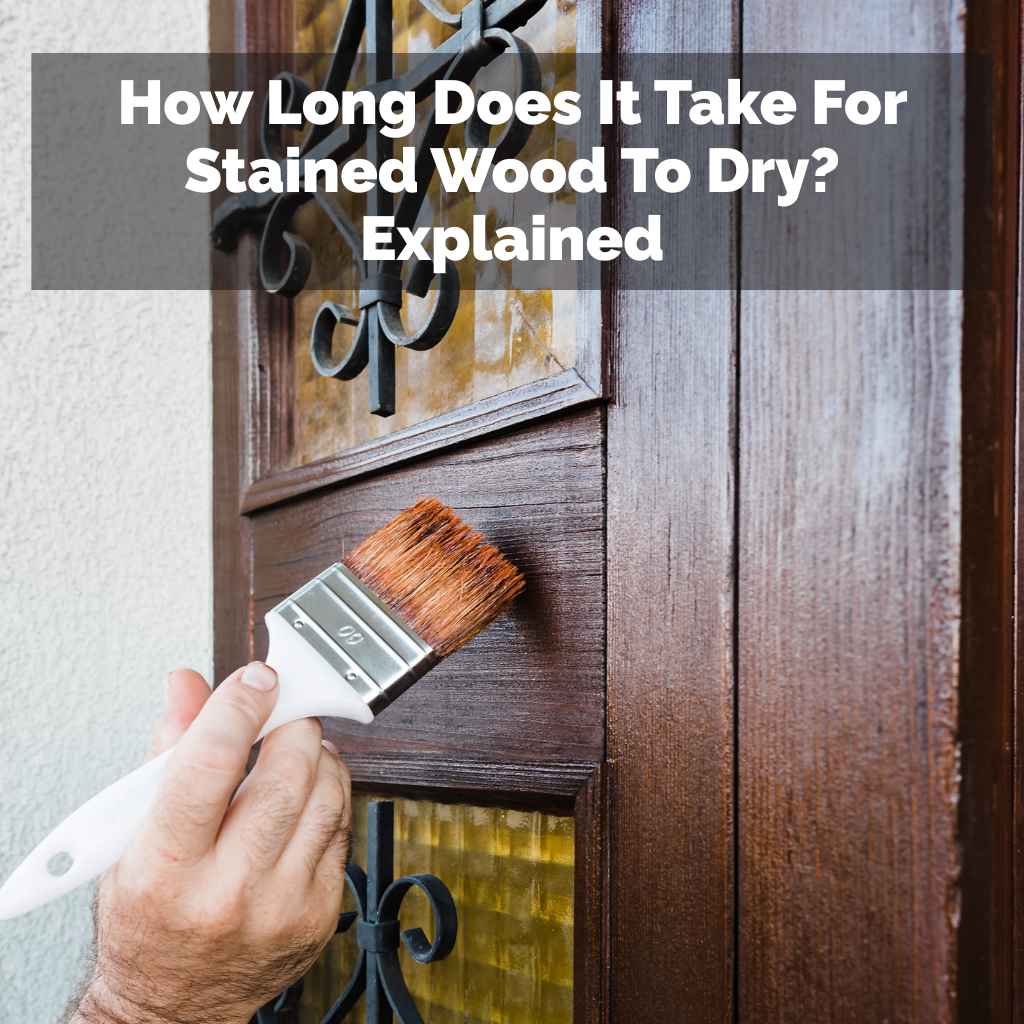
How Long Does It Take For Stained Wood To Dry? Explained
Stained wood typically takes 24 to 48 hours to dry to the touch. However, it can take up to 30 days for the stain to fully cure and harden. This drying time depends on many factors like temperature, humidity, air flow, and the type of stain used.
Understanding Wood Stain Drying Times
Wood stain needs time to work its magic. It’s not just about feeling dry. The liquid in the stain sinks into the wood.
Then, it changes. This change makes the color stick. It also protects the wood a bit.
Most stains feel dry to your finger after a day or two. This means the surface is not sticky anymore. But the stain is still soft inside.
It needs more time to get hard. This hardening is called curing. It makes the color last longer.
It also helps protect the wood from scratches and spills.
Think of it like paint. Paint feels dry quickly. But it takes weeks to get really hard.
Wood stain is much the same. The longer you wait for it to cure, the better it will hold up. This is super important for floors or tables.
Several things affect how fast or slow your stain dries. We’ll look at these more closely. Knowing them helps you plan better.
It also helps you avoid problems later on.
My Own Stained Wood Waiting Game
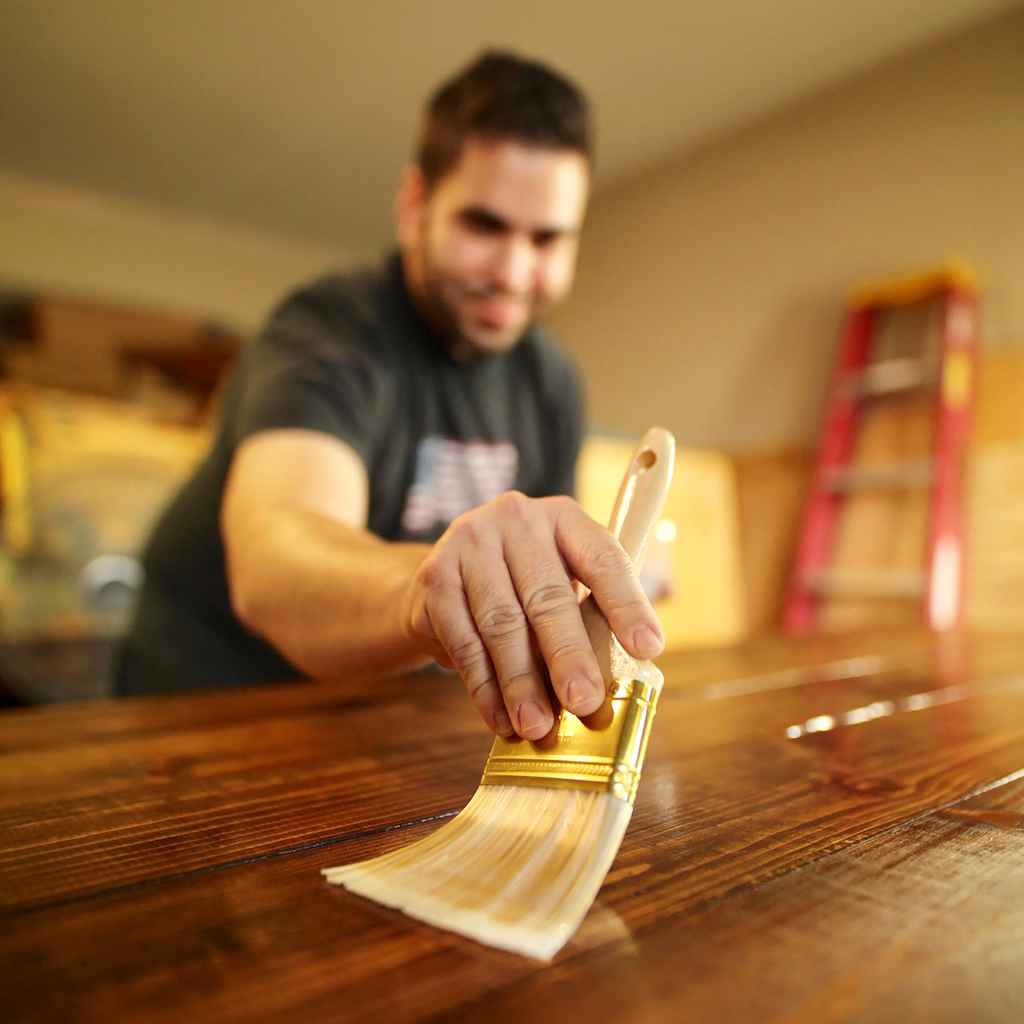
I remember one time I was working on a simple bookshelf for my son’s room. I had picked out this lovely warm brown stain. I thought a quick weekend project would be perfect.
I applied the stain on Saturday afternoon. It looked great! I was so excited.
By Sunday morning, it still felt a little tacky. I figured, “No big deal, it’ll dry.” I put a second coat on Sunday afternoon, thinking it would make it richer. That’s when I started to worry.
Monday morning came, and the whole thing was still sticky. My son needed his books organized, and I couldn’t even touch the shelf without getting stain on my fingers. It was a mess.
I had to wait almost three full days before it felt truly dry enough to handle properly. That lesson taught me patience is truly a virtue when it comes to stain.
Key Factors Affecting Stain Drying
Temperature: Warmer air helps solvents evaporate faster. Colder temps slow things down. Most stains dry best between 60-80°F (15-27°C).
Humidity: High humidity traps moisture in the air. This slows down evaporation. Low humidity can make the stain dry too fast on the surface, causing issues.
Airflow: Good ventilation is crucial. Moving air carries away the evaporating solvents. Stagnant air makes drying take much longer.
Stain Type: Oil-based stains dry slower than water-based ones. Some quick-dry formulas exist but may have different looks.
Wood Type: Denser woods soak up more stain. This can mean longer drying times. Woods like pine dry faster.
Coats Applied: More coats mean more liquid needs to dry. Applying coats too soon can trap solvents.
Real-World Context: Why Drying Matters So Much
In American homes, we often want things done quickly. We have busy lives. This means we might rush the drying process.
But for wood stain, patience pays off. If you don’t let the stain dry and cure properly, you’ll face problems.
Imagine staining a dining table. You put on a top coat too soon. The top coat traps the wet stain underneath.
This can lead to a cloudy look. It can also make the finish feel soft. Then, when you put dishes or books on it, you can dent or scratch it easily.
This is not what you want for a table you use every day.
Or think about floors. Wood floors are walked on constantly. They need to be tough.
If the stain isn’t fully cured, it can scuff. You might see streaks where shoes have rubbed. This means you’d have to sand and restain the whole floor again.
That’s a lot of extra work and cost.
The environment where you stain also matters. If you live in a humid climate, like Florida or Louisiana, drying will take longer. If you’re in a dry climate, like Arizona, it might be faster.
You also need to consider the temperature. Staining in a cold garage in winter won’t work well. The solvents won’t evaporate as they should.
What This Means for Your Projects
So, what does this all mean for your DIY projects? It means planning ahead. You need to set aside enough time.
Don’t try to rush through the drying stages.
For small projects like picture frames or shelves, a few days might be enough. For larger items like furniture or floors, you might need a week or more for full curing. Always read the can of stain.
It gives you the best guide.
It’s also good to know the difference between dry-to-touch and fully cured. Dry-to-touch means you can lightly brush it without getting a lot of stain on your hand. Fully cured means it’s as hard and durable as it will ever get.
If you’re unsure, it’s always better to wait longer. A little extra waiting time is much better than having to fix a mistake later. This is especially true for items that get a lot of use.
Stain vs. Varnish/Polyurethane: A Quick Look
Stain: Adds color to wood. It doesn’t add much protection on its own.
Varnish/Polyurethane: These are top coats. They add a hard, protective layer over the stain. They also add durability.
Drying Time Difference: Stains dry and cure at different rates than top coats. Top coats often dry faster but still need time to cure.
Quick Tips for Better Drying
Here are some simple things you can do to help your stain dry well:
- Ensure Good Airflow: Open windows and doors if possible. Use fans. Make sure the air can move around the project.
- Control Temperature: Aim for a steady room temperature, ideally between 60-80°F (15-27°C). Avoid extreme heat or cold.
- Watch Humidity: If humidity is very high, consider using a dehumidifier. This helps pull moisture from the air.
- Apply Thin Coats: Thin coats of stain dry faster and more evenly than thick ones.
- Wipe Off Excess: After applying, let the stain sit for the time recommended on the can. Then, wipe off all the excess thoroughly with a clean cloth. This is key for oil-based stains.
- Allow Plenty of Time: Don’t rush the process. Give the stain the time it needs. It’s better to wait an extra day than to have a problem.
When is Stain Dry Enough for a Top Coat?
General Rule: Wait at least 24 hours after the final stain coat. For oil-based stains, 48-72 hours is often better.
Feel Test: The surface should not feel tacky or sticky at all. It should feel smooth and dry to the touch.
Smell Test: While not foolproof, a strong solvent smell usually means it’s not fully dry. The smell should be faint or gone.
Manufacturer’s Guide: Always check the stain can. It will give specific recommendations for recoating or applying a top coat.
Frequent Questions About Wood Stain Drying
How long does it take for oil-based wood stain to dry?
Oil-based wood stains typically take 24-48 hours to dry to the touch. Curing can take 30 days or more. They dry slower than water-based stains because of their oil content.
How long does it take for water-based wood stain to dry?
Water-based wood stains usually dry faster. They are often dry to the touch in 1-4 hours. Full curing can still take up to 30 days, but they are generally ready for a top coat sooner, often within 12-24 hours.
Can I speed up the drying time for wood stain?
Yes, you can help speed it up. Increase airflow with fans. Use a dehumidifier in humid conditions.
Ensure the room temperature is warm (60-80°F or 15-27°C). Thin coats also help.
What happens if I put a top coat on too soon?
If you apply a top coat before the stain is dry, it can trap moisture. This may cause the finish to look cloudy or milky. It can also prevent the stain from hardening properly, leading to a softer, less durable surface.
Does humidity affect how long stain takes to dry?
Yes, high humidity slows down drying. The moisture in the air makes it harder for the solvents in the stain to evaporate. In very humid conditions, drying will take longer than usual.
How can I tell if the wood stain is fully cured?
The surface will feel hard and smooth to the touch. There will be no tackiness. Also, the color will look consistent.
Curing is a chemical process that takes much longer than just drying to the touch. Waiting for the full curing time ensures maximum durability.
Final Thoughts on Waiting for Stain to Dry
Waiting for wood stain to dry and cure is a vital step. It ensures your project looks good and lasts a long time. Be patient, control your environment, and follow the product instructions.
Your hard work will be rewarded with beautiful, durable results.
Sponsored / affiliate links. As an Amazon Associate I earn from qualifying purchases. I may earn additional commission from eligible campaigns.