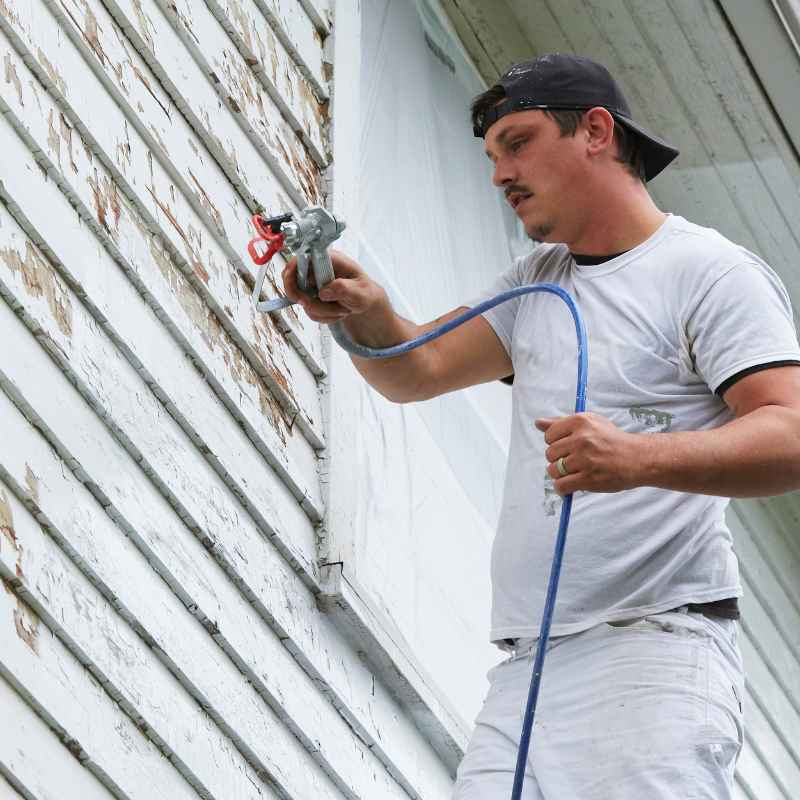
Can You Spray Stain With An Airless Sprayer? Real Answer
You can spray stain with an airless sprayer, but it’s not as simple as spraying paint. It requires specific equipment, techniques, and product types. Not all stains work well for spraying, and success often depends on the sprayer’s capabilities and the user’s experience.
Spraying Stain: What It Is and Why It’s Tricky
Spraying stain means applying a liquid stain using a sprayer. Think of how painters spray walls. This method can be fast.
It gets stain into tight spots easily. But stain is different from paint. It’s usually thinner.
It often has less pigment. This makes it behave differently in a sprayer.
The main goal of stain is to soak into wood. It adds color and protection. Paint sits on top of the surface.
Because stain soaks in, it needs to be applied thinly. Too much can cause drips. It can also make the wood look blotchy.
This is why spraying stain can be harder than spraying paint.
My First Time Spraying Deck Stain
I remember my first time trying to spray stain on a deck. It was a hot Saturday. The deck looked tired.
I had a brand-new airless sprayer. I thought, “This will be so fast!” I bought a good deck stain. I loaded up the sprayer.
Then I pulled the trigger.
Oh, boy. It was a mess. The stain came out in big globs.
It splattered everywhere. I had huge drips running down the boards. It looked terrible.
I spent more time wiping up runs than actually spraying. My dream of a quick job turned into a long, frustrating afternoon. I felt so defeated.
I had to learn the hard way.
Sprayer Types for Staining
Airless Sprayers: These are powerful. They use high pressure. They are great for large areas.
They can spray thinner materials like stain. But they need the right tip.
HVLP Sprayers: This stands for High Volume Low Pressure. They use less air. They are good for fine finishes.
They offer more control. They are often better for furniture. They can handle stain well.
Garden Sprayers: These are basic. They are often used for wood preservatives. They are not ideal for even stain coverage.
They can work for very thin stains on rough wood.
Understanding Your Airless Sprayer for Stain
Airless sprayers push liquid through a small hole. This hole is called a tip. The pressure forces the liquid out.
It breaks it into a mist. For paint, you use a certain tip size. For stain, you often need a different one.
Stain needs to flow easily. It also needs to spread evenly.
The wrong tip can cause problems. Too large a tip sprays too much. This leads to drips.
Too small a tip can clog. It might not spray at all. The pressure setting matters too.
Too high a pressure can make the stain too fine. It might not soak in right. Too low pressure means poor atomization.
The spray will be uneven.
Choosing the Right Sprayer Tip
Tip Size: Look for the numbers on the tip. The first digit is about the fan width. Multiply it by two.
That’s the width in inches. For stain, a 6-inch to 10-inch fan is good. The last two digits are the orifice size.
Smaller numbers mean a smaller opening. This is better for thinner liquids like stain.
Tip Type: Some tips are made for thin materials. They are often called “fine finish” or “low-pressure” tips. Ask your hardware store.
They can guide you. For stains, look for tips around .015 to .021 inches. Check the stain can for recommendations.
Stain Types That Spray Well
Not all stains are created equal. Some are very thick. Others are quite thin.
For spraying, you want a stain that flows. It should not be too gummy. Look for terms like “water-based stain” or “oil-based stain.” Some are called “thin-body” stains.
These are good candidates.
Solid stains are thicker. They look more like paint. They can be harder to spray evenly.
Semi-transparent stains are thinner. They let wood grain show. They are often easier to spray.
Always check the product label. It might say “suitable for spraying.” If not, you might have trouble. You might also need to thin it.
But be careful with thinning.
Thinning Stain: When and How
Why Thin? Sometimes stain is too thick for your sprayer. Thinning helps it flow. It also helps it atomize better.
It makes spraying smoother.
What to Use: Use the manufacturer’s recommended thinner. For water-based stains, it’s usually water. For oil-based stains, it’s mineral spirits or paint thinner.
Never guess. Bad thinner can ruin the stain.
How Much? Start small. Add about 5% thinner. Stir well.
Test spray on scrap wood. If it’s still too thick, add a little more. Don’t over-thin.
It can weaken the stain. It might not stick or protect as well.
The Process: Step-by-Step Spraying Stain
So, you’ve got the right sprayer. You have the right tip. You picked a sprayable stain.
Now what? Preparation is key. Mask off anything you don’t want stained.
This includes siding, windows, and plants. Cover the ground too. Use drop cloths or plastic sheeting.
Clean the wood first. Make sure it’s dry. Wood dust can clog your sprayer.
It can also get into the stain. Now, load your sprayer. Follow the manufacturer’s instructions.
Make sure the strainer is in place. This catches debris.
Spraying Techniques for Even Coverage
Test Spray: Always test on scrap wood. Check the spray pattern. Look for an even fan shape.
Make sure there are no gaps. Adjust pressure or tip if needed.
Maintain Distance: Hold the sprayer about 10-12 inches from the surface. Keep the sprayer moving. Start before the wood.
Stop after the wood. This avoids heavy spots at the start and end.
Overlapping Passes: Overlap each spray pass by about 50%. This ensures full coverage. If you see lines, you didn’t overlap enough.
If you see thick spots, you overlapped too much.
Work in Sections: Don’t try to spray the whole deck at once. Work in small, manageable sections. This helps you keep a wet edge.
A wet edge means the new spray overlaps the still-wet previous spray. This avoids lap marks.
Brushing or Rolling Alongside Spraying
Here’s a secret many pros use. You don’t just spray. You often need to back-brush or back-roll.
What does that mean? It means you spray a small section. Then, you immediately use a brush or roller.
You gently work the stain into the wood. You smooth out any drips or lines.
This step is critical for a good finish. The sprayer applies the stain quickly. The brush or roller makes sure it soaks in evenly.
It pushes the stain into the wood grain. It also helps prevent puddles. This combination is what gives a professional look.
It’s worth the extra effort.
Tools for Back-Brushing/Rolling
Brushes: Use a good quality natural bristle brush for oil-based stains. Use a synthetic bristle brush for water-based stains. A 2-3 inch wide brush is good.
Rollers: Use a short-nap roller cover. A 1/4 inch nap is common. Make sure it’s compatible with your stain type.
You can also use a special stain pad applicator.
When Spraying Stain Isn’t the Best Idea
Sometimes, spraying isn’t the right choice. If you have a very small deck, it might be overkill. Brushing might be faster and cleaner.
If your stain is very thick or sticky, spraying could be a nightmare. You might end up with more work than you started with.
Also, consider the weather. Wind is a big problem. It blows overspray everywhere.
It can make an even coat impossible. Very hot or humid days can affect drying. This can lead to issues.
Always check the forecast. Work on a calm, mild day if possible.
Potential Problems When Spraying Stain
Overspray: Stain can travel far. It can land on cars, houses, or plants. This requires extensive masking.
It can also be hard to clean up.
Drips and Runs: Too much stain or uneven spraying causes these. They look bad. They can weaken the wood if not fixed.
Uneven Color: If the spray pattern is bad or you don’t overlap. Some areas might be lighter. Others might be darker.
This is especially noticeable with solid stains.
Clogging: Debris in the stain or a too-small tip can clog the sprayer. This stops the job. It requires cleaning and restarting.
Real-World Context: Different Wood Surfaces
The type of wood matters. Softwoods like pine are porous. They soak up stain easily.
This can be good for spraying. They accept the stain without too much effort. Hardwoods like oak or maple are denser.
They don’t absorb stain as well. You might need to thin the stain more. Or you might need to use a stain conditioner first.
The condition of the wood is also important. Old, weathered wood is rough. It’s often dry and thirsty.
New wood is smooth. It might be harder for stain to penetrate. Always prepare the surface properly.
Sanding and cleaning are crucial steps.
What This Means For Your Project
Spraying stain is a tool. It’s not a magic wand. It can save time on large areas.
It can give a consistent look if done right. But it has a learning curve. For small jobs, it might not be worth the setup.
For big decks or fences, it can be a game-changer.
If you’re new to this, practice first. Get some scrap wood. Try spraying and back-brushing.
Get a feel for your equipment. Understand how the stain behaves. This will save you headaches later.
Your final result will be much better.
Quick Tips for Spraying Stain Successfully
1. Read the Can: Always check the stain’s label for application instructions. 2.
Use the Right Tip: A fine-finish tip is often best for stains. 3. Test Spray: Always test on scrap wood before starting.
4. Mask Everything: Overspray is a real issue. 5.
Back-Brush/Roll: This is often necessary for a good finish. 6. Clean Up Immediately: Don’t let stain dry in your sprayer.
7. Work in Sections: Maintain a wet edge. 8.
Check the Weather: Avoid windy days. 9. Consider an HVLP Sprayer: For more control on smaller projects.
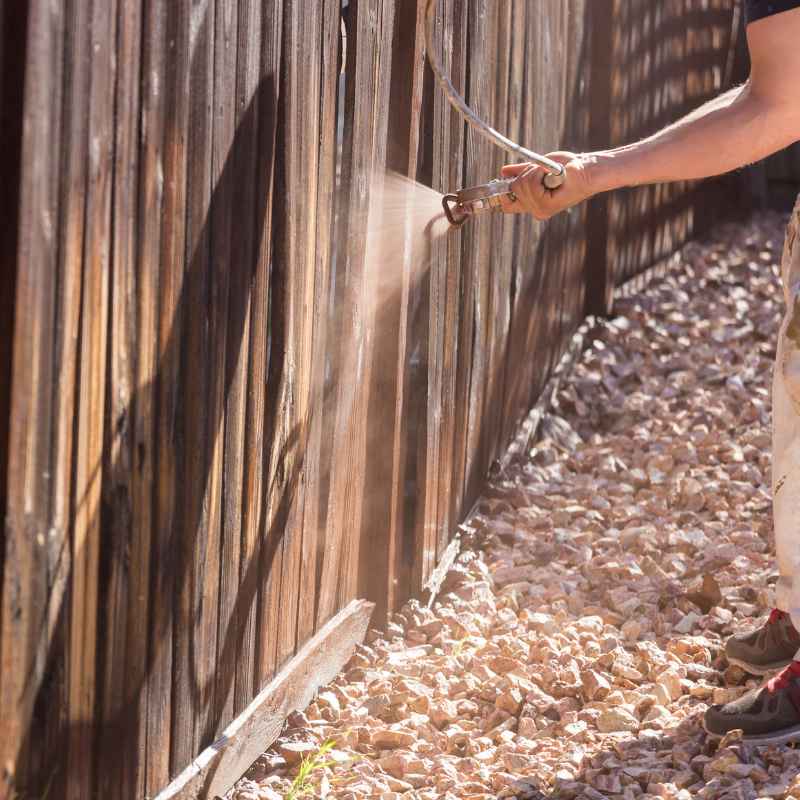
Frequently Asked Questions About Spraying Stain
Can I spray any type of deck stain with an airless sprayer?
Generally, no. You need to use stains designed for spraying or stains that are thin enough to flow through the sprayer without clogging. Check the product label.
Water-based and some oil-based semi-transparent stains often work best.
What is the best sprayer tip size for spraying stain?
For most airless sprayers, a tip size between .015 and .021 inches is recommended for stains. The fan width should also be considered, with 6-10 inches often being ideal. Always consult your stain manufacturer’s recommendations.
Do I need to thin the stain before spraying?
It depends on the stain and your sprayer. Some stains are ready to spray. Others may need thinning with the manufacturer’s recommended solvent (water for water-based, mineral spirits for oil-based) to achieve the right consistency for spraying.
What is overspray when spraying stain?
Overspray is the mist of stain that drifts away from your intended target. It can land on surrounding surfaces like walls, windows, plants, or cars. Proper masking is essential to prevent unwanted overspray.
Why do I need to back-brush or back-roll after spraying stain?
Back-brushing or back-rolling helps to ensure the stain soaks into the wood evenly. It smooths out any lines, drips, or inconsistencies left by the sprayer. This step is crucial for a professional and long-lasting finish.
Can I spray a solid stain with an airless sprayer?
Yes, you can spray solid stain, but it is thicker and more like paint. You will likely need a larger tip size and potentially more thinning. Careful application and back-brushing are very important to avoid drips and ensure even coverage.
Final Thoughts on Spraying Stain
So, can you spray stain with an airless sprayer? The answer is a definite yes, but with important caveats. It’s a technique that requires the right tools, the right product, and patience.
Understanding the process helps you achieve beautiful results faster. If you’re ready to try, prepare well and practice first.
Sponsored / affiliate links. As an Amazon Associate I earn from qualifying purchases. I may earn additional commission from eligible campaigns.