How To Get Rid Of Water Stains On Furniture (Proven Ways)
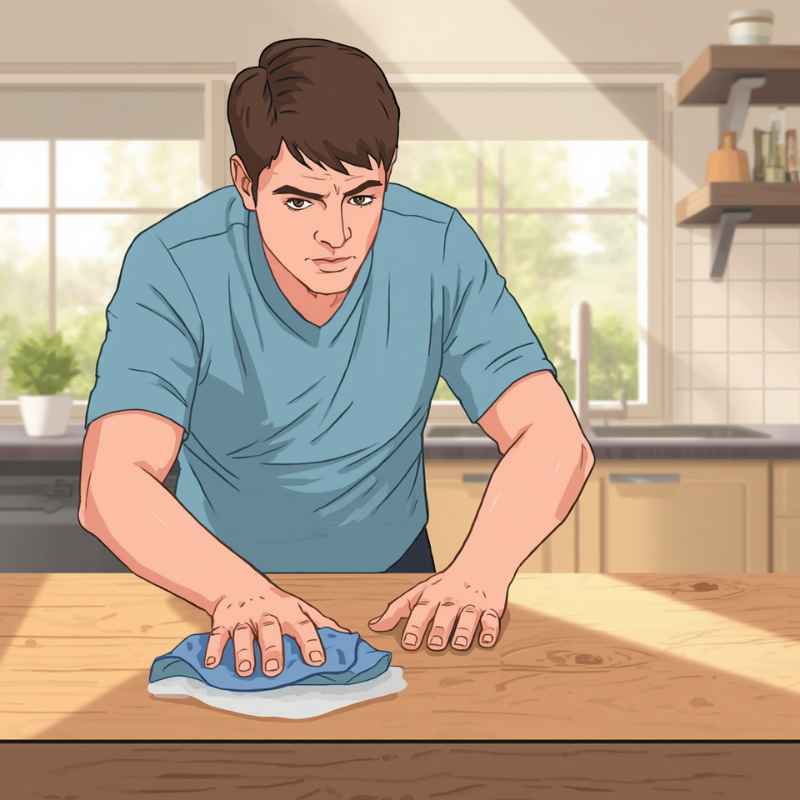
Water stains on furniture can often be removed using common household items. Methods vary slightly based on the furniture material, such as wood, fabric, or leather. The key is to act gently and test any cleaning solution on an inconspicuous area first.
Understanding Water Stains on Furniture
Water stains happen when water gets into or onto the material of your furniture. This can change its look. It often leaves a white or dark mark.
The type of mark depends on the furniture’s finish and how long the water sat there. Different materials need different care. Wood is very common.
Fabric and leather are also popular choices. Each type reacts to water in its own way.
Why do they happen? It’s usually from spills. Maybe a plant pot leaked.
A wet umbrella left a mark. Even high humidity can sometimes cause issues. The water can affect the finish on wood.
It might soak into fabric fibers. It can alter the natural oils in leather. Knowing this helps us choose the right fix.
It’s about understanding the problem first.
How do they work? On finished wood, water often gets under the top coat. It can trap moisture.
This makes the finish cloudy or white. This is called a white stain. If the water soaks in deeper or for a long time, it can darken the wood.
This is a dark stain. For fabric, water can leave a ring as it dries. It might also carry dirt into the fibers.
Leather can absorb water. This can make it stiff or change its color.
My Own Water Stain Scare
I remember one late autumn evening. I was hosting a small gathering. We had a few friends over.
I had just bought a beautiful new oak coffee table. It had a lovely matte finish. I was so proud of it.
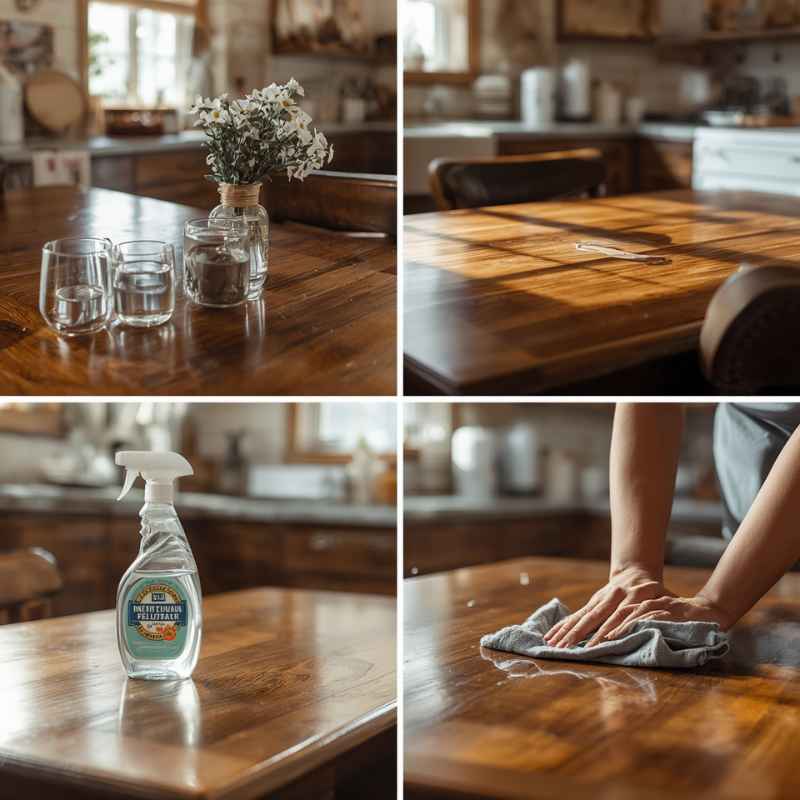
One of my friends placed a cold drink on it. They didn’t use a coaster. I didn’t notice at first.
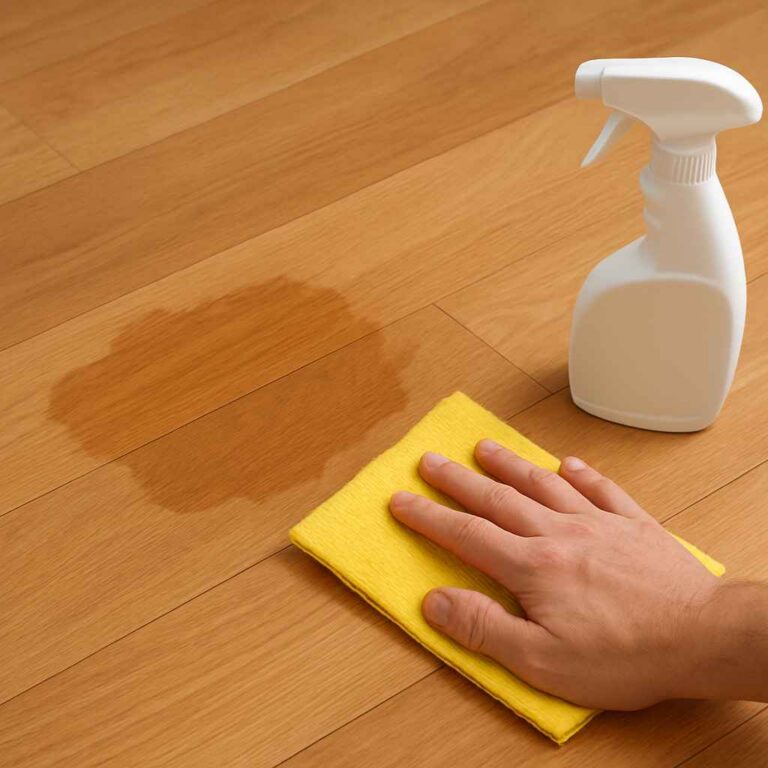
Later, as everyone was leaving, I saw it. A perfect white ring. Right in the middle of the table.
My heart sank. I felt a mix of panic and annoyance. It looked so obvious.
I immediately worried I had ruined it. My mind raced. Was it permanent?
How could I fix it? I knew I had to do something fast.
I spent hours online that night. I read so many different ideas. Some seemed too harsh.
Others sounded like they wouldn’t work at all. I felt overwhelmed. The next morning, I decided to try a very gentle approach.
I grabbed an iron and a soft cloth. I put the cloth over the stain. I used the iron on a low setting.
I moved it back and forth. Slowly, the white mark started to fade. I could hardly believe it.
It was a small victory. It taught me that patience and the right method can really help.
Wood Furniture Water Stain Types
White Stains: These are common. They mean water is trapped in the finish. The finish looks cloudy.
It hasn’t gone into the wood itself yet.
Dark Stains: These are trickier. Water has likely gone into the wood. It may have caused some discoloration.
Or it carried dirt with it.
Fixing White Water Stains on Wood Furniture
White water stains are usually easier to fix. They haven’t damaged the wood itself. They are often just in the top coat.
This means we can often lift the moisture out. There are several safe ways to try this. Always start with the gentlest method first.
This is very important.
The Iron Method: This is a classic for a reason. You need a clean, dry cloth. Also, an iron.
Make sure the iron has no water in it. Set it to a low heat. No steam!
Place the cloth over the white stain. Gently press the warm iron onto the cloth. Move the iron slowly.
Don’t leave it in one spot. The heat helps lift the moisture from the finish. Keep checking.
You should see the white mark start to disappear.
The Hair Dryer Method: This is similar to the iron method. It uses less direct heat. Hold a hair dryer on a low setting.
Aim it at the stain. Keep it moving. Don’t hold it too close.
The warm air will help dry out the moisture. This can take a few minutes. Be patient.
Watch the stain. It should start to fade.
Mayonnaise or Petroleum Jelly: This might sound strange. But oil can displace water. It can help lift the moisture.
Dab a small amount of full-fat mayonnaise. Or use petroleum jelly. Rub it gently into the stain.
Let it sit for a few hours. Or even overnight. Then, wipe it off with a clean cloth.
Buff the area. The stain should be gone or much less visible.
Baking Soda Paste: Make a paste with baking soda and water. It should be thick. Apply the paste to the stain.
Rub it gently in a circular motion. Baking soda is a mild abrasive. It can help buff out the stain.
Wipe it clean with a damp cloth. Then dry the area thoroughly.
Toothpaste (Non-Gel): White, non-gel toothpaste can also work. It has mild abrasives. Apply a small amount to the stain.
Gently rub it in with a soft cloth. Wipe it off with a damp cloth. Dry the area well.
This method is best for very small, light stains.
Quick Check for Wood Finish
Before trying any method: Gently scratch a hidden spot with your fingernail. If it leaves a white mark, it’s likely lacquer or varnish. If it doesn’t mark, it might be an oil finish or unfinished wood.
This helps know how deep the water may have gone.
Tackling Dark Water Stains on Wood
Dark water stains are more serious. They mean the water has soaked into the wood. The wood fibers might be stained.
This requires a stronger approach. Sometimes, these stains are permanent. But there are ways to lighten them.
Or to cover them up.
Oxalic Acid (Wood Bleach): This is the most effective way to remove dark stains. Oxalic acid is a wood bleach. You can buy it at hardware stores.
Follow the package directions carefully. It usually involves mixing a powder with water. Apply the solution to the stain.
Let it work. It will lift the dark color. You might need to apply it more than once.
After bleaching, you may need to lightly sand the area. Then, you’ll need to reapply the finish. This is a more advanced fix.
Steel Wool and Mineral Oil: For minor dark stains, you can try superfine steel wool (0000 grade). Dip it in mineral oil. Gently rub the stain.
Work with the wood grain. The oil lubricates. The steel wool gently sands.
Wipe away the residue. This might lighten the stain a bit. You will likely need to re-oil the wood afterwards.
Hydrogen Peroxide: For some dark stains, hydrogen peroxide can help. Dab a small amount onto a cloth. Gently blot the stain.
Don’t saturate the wood. Let it sit for a short time. Then wipe clean.
You may need to repeat this. Always test in an unseen spot first. Peroxide can lighten wood too much if left on too long.
When Dark Stains Might Be Permanent
Deep Damage: If the wood has warped or the finish is completely gone, the stain might be too deep to fix completely. Always manage expectations.
Type of Wood: Some woods stain more easily than others. Older, antique woods might have tannins that react strongly with water.
Removing Water Stains from Fabric Furniture
Fabric furniture can also suffer from water stains. These are often rings left behind as the water dries. They can also be from mildew if the fabric stayed wet too long.
Cleaning fabric requires a different touch.
Identify the Fabric Type: Check the furniture’s care tag. It will have a cleaning code. ‘W’ means water-based cleaners are okay.
‘S’ means only solvent-based cleaners. ‘W/S’ means both are fine. ‘X’ means no liquid cleaners at all.
You must follow this code.
For ‘W’ or ‘W/S’ Codes: Mild Soap and Water: Mix a little mild dish soap with water. Dampen a clean white cloth. Gently blot the stain from the outside in.
Don’t rub hard. This can spread the stain or damage the fibers. Blot until the stain is gone.
Then, use a clean cloth dampened with plain water to rinse. Blot dry with a towel. Let it air dry completely.
For ‘S’ Codes: Solvent Cleaner: You will need a special upholstery solvent cleaner. Follow the product’s instructions carefully. Usually, you apply a small amount to a cloth.
Blot the stain gently. Always test in an hidden spot first. These solvents can sometimes change fabric color.
Vinegar Solution: A solution of equal parts white vinegar and water can work for some fabrics. Dampen a cloth. Blot the stain.
Vinegar can help break down water marks. Rinse with a damp cloth of plain water. Blot dry.
Baking Soda for Odors: If the fabric smells musty from being wet, baking soda is your friend. Sprinkle dry baking soda over the fabric. Let it sit for a few hours or overnight.
Then vacuum it up. It will absorb odors.
Fabric Stain Removal Tips
Blot, Don’t Rub: Rubbing pushes the stain deeper and can fray the fabric.
Use White Cloths: Colored cloths can transfer dye to your furniture.
Work from Outside In: This stops the stain from spreading.
Test First: Always test any cleaner on a hidden area.
Cleaning Water Stains on Leather Furniture
Leather is a natural material. It can absorb water. This can lead to stiff spots or discoloration.
Leather stains need gentle care.
Wipe Away Moisture Immediately: The best defense is to wipe up spills right away. Use a soft, dry cloth. Don’t let water sit on the leather.
For Light Water Spots: Sometimes, a light water spot on leather just needs to be blended. Dampen a clean cloth very lightly with distilled water. Gently wipe the entire cushion or panel of leather.
This can help the area dry more evenly. Then, let it air dry naturally. Avoid heat sources.
Leather Conditioner: After cleaning any water mark, it’s a good idea to use a leather conditioner. This replenishes the oils in the leather. It keeps it soft and prevents cracking.
Apply a small amount to a clean cloth. Rub it into the leather. Buff off any excess.
Always use a conditioner designed for your type of leather (e.g., aniline, protected).
Mild Soap for Stubborn Stains: If water has left a mark, you can try a very mild soap. Mix a tiny bit of saddle soap or a pH-neutral soap with distilled water. Dampen a cloth.
Gently wipe the stained area. Then, wipe with a cloth dampened with clean distilled water. Dry with a soft towel.
Condition the leather after it dries.
Professional Cleaning: For very old or stubborn water stains on fine leather, consider professional cleaning. They have specialized products and expertise.
Leather Care Advice
Avoid Harsh Chemicals: Never use window cleaner, ammonia, or abrasive cleaners on leather. They can cause permanent damage.
Condition Regularly: Even without spills, condition your leather furniture every 6-12 months.
Protect from Sunlight: Direct sun can dry out and fade leather.
Preventing Future Water Stains
The best way to deal with water stains is to prevent them. A few simple habits can save your furniture.
Always Use Coasters: This is the most important rule for wood furniture. Keep coasters handy. Make it a habit to use them for all drinks.
Educate guests too.
Use Placemats and Trivets: For dining tables or kitchen tables, use placemats. Use trivets for hot dishes. This protects against spills and heat.
Protect Upholstery: For fabric furniture, consider a fabric protector spray. This makes spills bead up instead of soaking in. Reapply as directed.
Wipe Up Spills Immediately: Don’t let spills sit. Grab a cloth and blot them up right away. The quicker you act, the less chance of a stain.
Mind Your Plants: Make sure plant pots have saucers. Check them regularly to ensure they aren’t leaking onto furniture.
Control Humidity: Very high humidity can sometimes cause issues, especially with wood. Use a dehumidifier if your home is too damp.
Quick Prevention Checklist
- Coasters for drinks
- Trivets for hot items
- Fabric protector
- Wipe spills fast
- Plant saucers
- Humidity control
When to Call a Professional
Sometimes, the stain is too much for DIY fixes. Or you might be worried about damaging your furniture. In these cases, it’s best to call a pro.
Expensive or Antique Furniture: If your furniture is very valuable or an antique, it’s safer to let experts handle it. They have specialized knowledge and products.
Stubborn Dark Stains on Wood: If oxalic acid or other strong methods haven’t worked, a furniture restorer might have better options.
Delicate Fabrics or Leathers: Some materials are very sensitive. Professional upholstery cleaners have experience with these.
Water Damage from Flooding: If furniture has been exposed to significant water damage, like from a flood, professional restoration is needed. This also addresses potential mold growth.
Conclusion
Water stains can be upsetting. But with the right knowledge, many can be fixed. Remember to identify your furniture’s material.
Start with the gentlest methods. Always test first. Prevention is key.
By taking a few simple steps, you can keep your furniture looking its best for years to come.
Sponsored / affiliate links. As an Amazon Associate I earn from qualifying purchases. I may earn additional commission from eligible campaigns.