How To Get Stains Out Of Hardwood Floors Without Damage
Dealing with stains on your beautiful hardwood floors can feel like a real panic. You see that mark, and your mind races. Will it be there forever?
How do you even start cleaning it without making things worse? It’s a common worry for homeowners. These floors are lovely, but they can be tricky to care for.
This guide is here to help you understand how to tackle those tough spots. We’ll look at different kinds of stains and how to gently lift them. You’ll learn what works and, just as importantly, what to avoid.
Getting stains out of hardwood floors involves gentle, targeted methods. Start with the mildest approach, like a damp cloth or a specialized wood cleaner. For tougher stains, specific remedies like vinegar for pet accidents or baking soda for dark spots might work.
Always test in an inconspicuous area first and ensure the floor is dry afterward to prevent further damage.
Understanding Hardwood Floor Stains
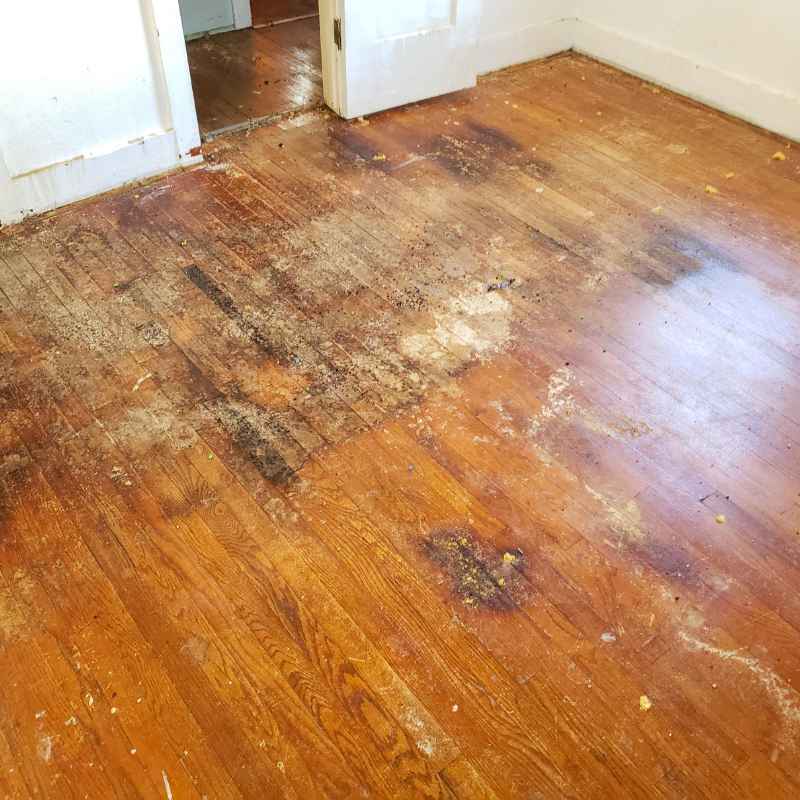
Hardwood floors can get all sorts of marks. They come from spills, pets, even the air. Some stains are light and just need a quick wipe.
Others sink deep into the wood. They can change the color of your floor. This happens because the wood itself absorbs the liquid.
Water stains are very common. They show up as white rings or dark spots. Pet accidents can also leave dark, stubborn marks.
Food spills, mud, or even certain cleaning products can cause trouble. Knowing what caused the stain helps you pick the right fix.
The finish on your floor plays a big role too. Many floors have a protective top coat. This coat stops some stains from reaching the wood.
But if the finish is worn or scratched, stains can get through. Older floors might have different types of finishes. Some are more sensitive to water or chemicals.
It’s good to know what kind of finish you have if you can. But even without knowing, you can start with safe methods.
Dark spots often mean the stain has gone past the finish. It’s into the wood grain itself. This can happen with things like rust or pet urine.
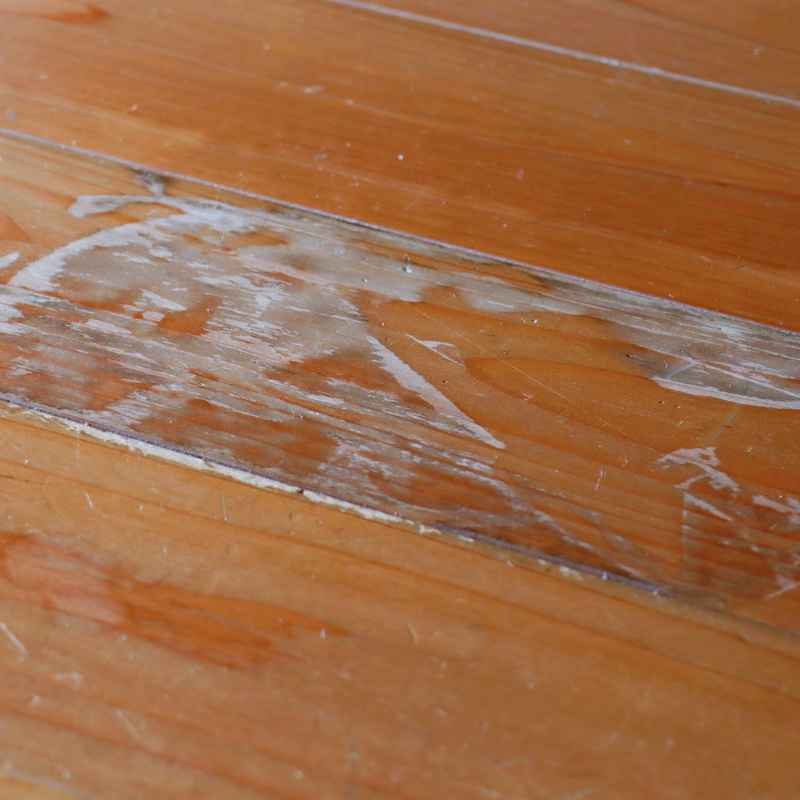
White spots usually mean water or moisture has been trapped under the finish. This can happen from a spilled drink or a wet plant pot. The moisture affects the finish layer.
It can make it look cloudy or milky. These are different problems and need different approaches.
My First Hardwood Stain Panic
I remember the first time I saw a dark ring on my living room floor. It was from a forgotten glass of iced tea. The condensation had sat there for hours.
I felt a wave of dread wash over me. My heart sank. This floor was brand new, and I had already made a mistake.
I ran my fingers over it. It felt smooth, but the mark was plain as day. My mind went to the worst-case scenarios.
Was I going to have to sand and refinish? That sounded like a huge, expensive job. I remember feeling so frustrated and a little silly for letting it happen.
I spent the next hour online, panicking and searching. I saw all sorts of scary advice. Some people suggested harsh chemicals.
Others talked about sanding down the whole floor. I was worried about damaging the finish or the wood itself. I felt lost.
I just wanted my pretty floor back. I decided to try the simplest thing first. I got a soft cloth and dampened it slightly.
I gently wiped the ring. To my surprise, it faded. Then, with a little more pressure, it was gone.
It was a small victory, but it taught me a valuable lesson: start simple.
Spotting the Stain Type
White Rings: Often from moisture trapped in the finish. Think glasses, vases, or spills.
Dark Spots: Usually means liquid has soaked into the wood itself. Pet accidents, rust, or certain foods can cause this.
Scuffs: These are surface marks from shoes or furniture. They are often easier to remove.
Mud Marks: Dirt and clay can leave tough residues. Drying them well is key.
Dealing with Water Stains
Water stains are a very common problem for hardwood floors. They happen when water sits on the floor for too long. This can be from a spilled drink, a leaky plant pot, or even condensation.
White water stains are usually in the finish layer. They look like a cloudy or milky patch. Dark water stains mean the water has gone deeper into the wood.
This is more serious and can lead to discoloration.
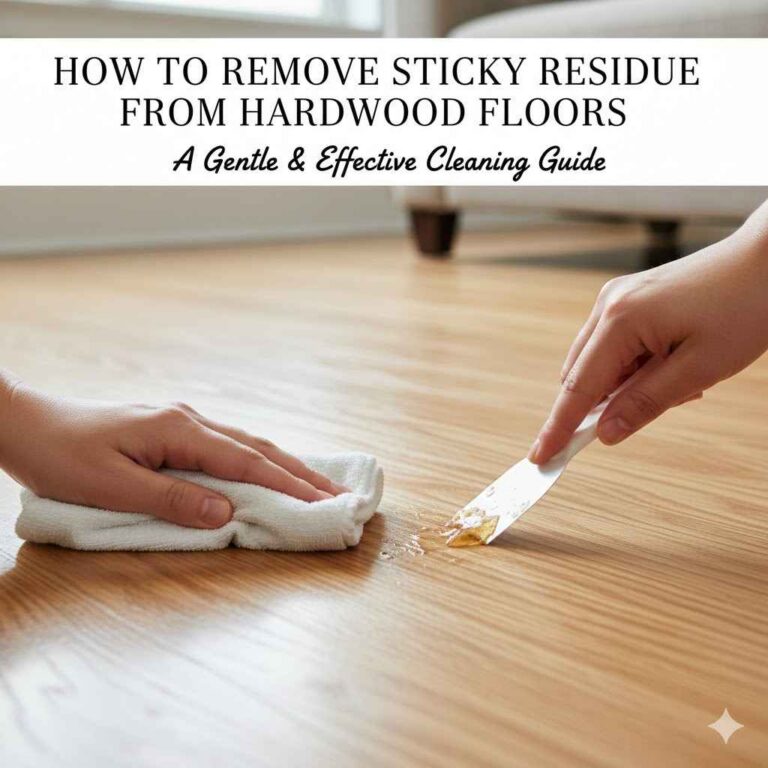
For white water stains, you can often try a few simple things. First, make sure the area is completely dry. Then, you can try using a soft cloth.
You can dampen this cloth with a little bit of mineral spirits. Rub the stain gently. Wipe it dry right away.
If that doesn’t work, you can try a baking soda paste. Mix baking soda with a little bit of water to make a paste. Apply it to the stain with a soft cloth.
Rub gently in the direction of the wood grain. Wipe it clean and dry the spot.
Another option for white stains is a very mild abrasive. Some people use a bit of toothpaste. Make sure it’s a white, non-gel toothpaste.
Put a small amount on a soft cloth. Rub it gently over the stain. Then, wipe it clean with a damp cloth.
Dry the area well. Always test these methods in a hidden spot first. You don’t want to accidentally damage the finish further.
If you have dark water stains, these are harder to fix. The water has likely damaged the wood itself. You might need to use a wood bleach.
This is a stronger chemical. You must use it with care. Follow the product instructions exactly.
Always wear gloves and work in a well-ventilated area. After bleaching, you may need to reapply a matching finish to the spot. This can be tricky to get right.
In some cases, dark water stains might be too deep to remove completely without sanding. If the stain is very old or very dark, you might need to sand down that section of the floor. Then you would re-stain and refinish it to match the rest.
This is a job best left to professionals. Or, if you’re experienced with woodworking, you can tackle it yourself.
Quick Water Stain Fixes
- White Stains:
- Try a soft, dry cloth first.
- Dampen cloth with mineral spirits, rub gently, wipe dry.
- Baking soda paste (baking soda + water), rub gently, clean, dry.
- White toothpaste on a cloth, rub gently, clean, dry.
Tackling Pet Stains
Pet stains are a real challenge for hardwood floors. Dogs and cats can have accidents. These accidents can leave behind not just a stain but also an odor.
The urine can soak into the wood. This causes dark discoloration. It can also damage the finish.
The smell can linger if not cleaned properly.
When you find a pet stain, act fast. Blot up as much of the liquid as you can with paper towels. Press down firmly.
You want to absorb as much as possible. Do not rub. Rubbing pushes the liquid deeper into the wood.
Once you’ve absorbed the liquid, you need to clean the area. For fresh stains, a solution of mild dish soap and water can work. Use a damp cloth, not a soaking wet one.
Wipe the area gently.
For older or tougher pet stains, you might need something stronger. White vinegar is often recommended. Mix equal parts white vinegar and water.
Apply this solution to a cloth and dab the stain. Vinegar helps neutralize odors. It can also help break down the stain.
After dabbing, wipe the area with a clean, damp cloth. Then, dry the floor completely. It’s very important to dry the area well to prevent water damage.
If the stain is still there and the odor persists, you might need an enzymatic cleaner. These cleaners are made for pet stains. They break down the organic matter causing the stain and smell.
Follow the product directions carefully. You usually apply it and let it sit for a while. Then you wipe it up.
Again, always test in an inconspicuous spot first. Some hardwood finishes can react to these cleaners.
For very dark pet stains that have penetrated the wood, you might need to use a wood bleach. This is a more drastic step. You should only do this if other methods fail.
Wood bleach can lighten the wood. It might also change the color slightly. You’ll likely need to reapply the floor’s finish to that spot after bleaching.
This can be hard to match perfectly. If the stain is widespread or very deep, it may be time to call a professional.
Pet Stain Action Plan
- Immediate Action: Blot up liquid with paper towels.
- Fresh Stains: Mild dish soap and water on a damp cloth.
- Tough Stains/Odor: White vinegar and water solution on a cloth.
- Persistent Issues: Enzymatic cleaner (follow product directions).
- Deep Stains: Consider wood bleach (with caution) or professional help.
Removing Dark Stains (Food, Ink, Rust)
Dark stains on hardwood floors can be frustrating. They can come from many sources. Think spilled coffee, ink from a pen, rust from a metal object, or even certain types of mud.
These stains often mean that the color has penetrated the wood grain.
For general dark stains from food or drinks, start with the mildest approach. A pH-neutral wood floor cleaner is a good first step. Follow the product instructions.
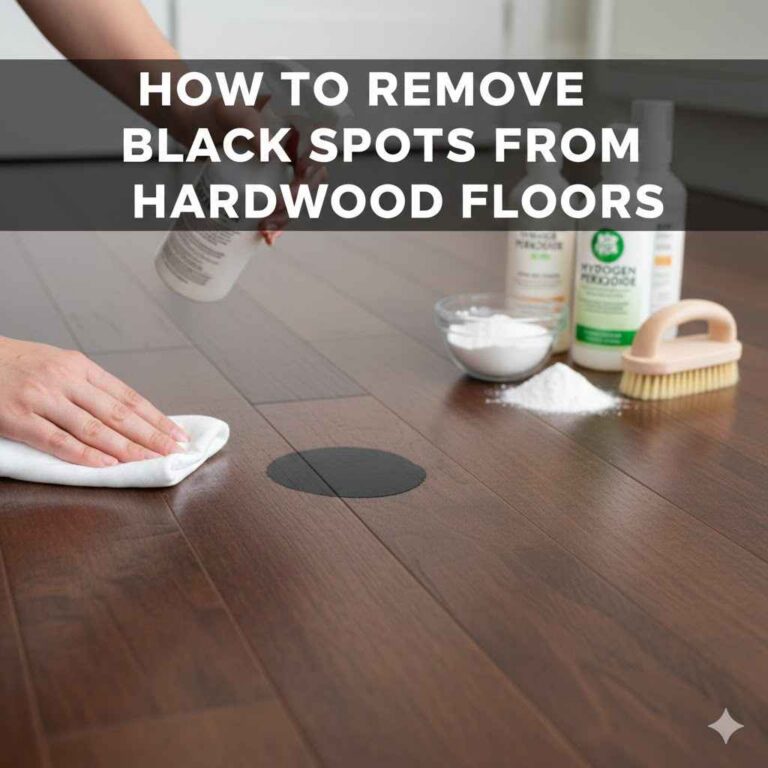
If that doesn’t work, you can try a paste of baking soda and water. Gently rub this paste onto the stain with a soft cloth. Work in the direction of the wood grain.
Wipe it clean and dry thoroughly.
Ink stains can be tough. For fresh ink marks, sometimes rubbing alcohol on a cotton ball can work. Dab the stain gently.
Be careful not to spread the ink. Wipe the area with a damp cloth afterward. Then dry it well.
For older or set-in ink stains, you might need to try a bit of lemon juice and salt. Make a paste and apply it to the stain. Let it sit for a short time, then wipe it clean and dry.
Rust stains are often from metal objects left on the floor. These are very stubborn. You might need to try a rust remover specifically designed for wood.
Always test this in a hidden area first. These can be strong chemicals. Another option is a paste made from lemon juice and salt.
Apply it to the rust stain and let it sit for an hour or two. Then wipe it clean and dry.
If the dark stain is very deep and doesn’t come out with these methods, you’re likely looking at sanding. This means removing the top layer of wood. It’s a significant process.
You’ll need to carefully sand the affected area. Then you’ll need to re-stain and seal it to match the rest of your floor. This is where professional help is often recommended.
Getting the stain and finish to blend perfectly can be very challenging.
Dark Stain Quick Tips
General Dark Stains:
- Start with pH-neutral wood cleaner.
- Try baking soda paste (baking soda + water).
Ink Stains:
- Rubbing alcohol on a cotton ball (for fresh marks).
- Lemon juice and salt paste.
Rust Stains:
- Specific wood rust remover (test first).
- Lemon juice and salt paste.
What About Scuff Marks?
Scuff marks are different from stains. They are usually surface marks. They come from things like shoe soles rubbing on the floor.
Furniture legs can also leave scuffs. The good news is that these are often the easiest to deal with. They haven’t penetrated the wood.
For most scuff marks, a simple cleaning will do the trick. Start with a dry, soft cloth. Rub the scuff mark.
Often, this is enough to lift it. If that doesn’t work, you can try a slightly damp cloth. Use water or a bit of wood floor cleaner.
Gently wipe the scuff away. Make sure to dry the spot afterward.
For tougher scuffs, some people have success with a pencil eraser. Yes, a simple pink pencil eraser! Gently rub the eraser over the scuff mark.
It can often lift the mark without damaging the finish. After erasing, wipe the area clean with a damp cloth and dry it.
Another method that works for some scuffs is a tennis ball. A clean tennis ball can often buff out light scuff marks. Just rub the ball gently over the mark.
For very stubborn scuffs, you might try a tiny bit of mineral spirits on a cloth. Rub the scuff gently. Then wipe the area with a damp cloth and dry it.
Be careful with mineral spirits. They can dull some finishes if used too much or left on too long.
It’s important to remember that scuffs are usually signs of wear and tear. Preventing them is key. Using felt pads on furniture legs is a great idea.
Encourage people to take off their shoes at the door. This will help keep your floors looking good longer.
Scuff Mark Removal Kit (Your Household Items)
- Soft Cloths: For dry or damp wiping.
- Water or Wood Floor Cleaner: For damp cleaning.
- Pencil Eraser: For stubborn marks.
- Tennis Ball: For buffing.
- Mineral Spirits (use sparingly): For very tough scuffs.
When to Call a Professional
Sometimes, the stains on your hardwood floors are beyond what simple home remedies can fix. It’s good to know when to stop trying and call for expert help. This saves you time, effort, and potential further damage.
If a stain has deeply penetrated the wood, it might require professional sanding and refinishing. This is especially true for large, dark stains from water, pets, or old accidents. Professionals have the right equipment and knowledge to match the stain and finish.
This ensures the repaired area blends seamlessly with the rest of your floor.
If you have a very old or antique hardwood floor, it’s wise to consult a professional. These floors can be more delicate. The finishes might be different.
An amateur attempt to clean or repair them could cause irreversible damage.
When you’ve tried several gentle methods and the stain is still visible or looks worse, it’s a sign to step back. Continuing to scrub or use harsh chemicals could harm the wood or the finish. Professionals can assess the situation and provide the best solution.
Also, if the stain is accompanied by damage to the wood itself, like splintering or deep gouges, it’s time for an expert. They can repair the wood structure before addressing the stain and finish.
Don’t feel defeated if you need professional help. It’s a sign of taking good care of your home. Sometimes the best care comes from those with specialized skills and tools.
Signs You Need a Pro
- Deeply penetrated stains (dark, widespread).
- Damage to the wood (splintering, gouges).
- Old or antique floors.
- Stains that worsen with DIY attempts.
- Inability to match stain or finish correctly.
Preventing Future Stains
The best way to deal with stains is to prevent them from happening in the first place. Prevention is always easier than cure, especially with beautiful hardwood floors.
Wipe Up Spills Immediately: This is the golden rule. Keep a soft cloth handy. As soon as something spills, blot it up.
Don’t let it sit. This is the number one way to avoid water rings, food stains, and pet accidents setting in.
Use Coasters and Mats: Place coasters under drinks. Use mats under plant pots. Put a rug or mat by the sink or dishwasher to catch drips.
This simple step stops water from reaching the wood directly.
Address Pet Accidents Quickly: If you have pets, clean up accidents right away. Even if you use puppy pads or litter boxes, accidents can happen. Prompt cleaning prevents deep, dark stains and odors.
Furniture Pads are Essential: Put felt pads on the bottom of all your furniture legs. This includes chairs, tables, sofas, and even decorative items. These pads stop scratches and scuffs.
They are inexpensive and easy to install.
Wipe Your Feet: Encourage everyone to take off their shoes at the door. Shoes track in dirt, mud, and moisture. This can lead to stains and scratches.
A good doormat outside and inside can help.
Regular Cleaning: Sweep or vacuum your floors regularly. This removes grit and dust that can scratch the finish. When you do need to clean, use a cleaner specifically made for hardwood floors.
Avoid excess water. Never use steam mops on hardwood floors.
By following these preventive measures, you can keep your hardwood floors looking beautiful for years to come. It takes a little extra effort, but it’s worth it.
Your Hardwood Floor Shield Plan
Immediate Wipe-Ups: Keep cloths handy.
Protective Barriers: Use coasters, mats, and rugs.
Pet Patrol: Clean accidents instantly.
Furniture Friendliness: Add felt pads to legs.
Shoe-Free Zone: Create a “no shoes” policy.
Daily Dusting: Sweep or vacuum often.
Smart Cleaning: Use wood-specific cleaners, avoid steam.
What This Means for You
Seeing a stain on your hardwood floor doesn’t have to mean disaster. It’s a normal part of owning a home. Most common stains, like those from drinks or light scuffs, can be handled with simple, everyday items.
The key is to act quickly and gently.
For most people, a white water ring is the most frequent issue. These are usually easy to fix with methods like mineral spirits or baking soda. Pet accidents require a bit more attention.
But with prompt action and the right cleaner, you can often avoid permanent damage. Darker stains are more serious. They might require stronger methods or professional help.
The good news is that you have options. You don’t always need fancy cleaning products. Many effective solutions use things you already have in your home.
It’s also important to know when to seek professional advice. Trying to fix a deep stain with the wrong approach can make it worse.
Ultimately, understanding the type of stain and the nature of your hardwood floor is your best defense. By being prepared and knowing these gentle methods, you can confidently tackle most issues. And remember, prevention is always the easiest path to beautiful floors.
Quick Fixes & Tips
Here are some easy tips to remember when dealing with wood floor stains:
- Always test first: Before applying any cleaner or method to the main stain, test it in a hidden corner of your floor. This ensures it won’t damage the finish or color.
- Less is more: Start with the mildest cleaning solution. You can always try something stronger if needed. Avoid using too much water.
- Work with the grain: When rubbing or wiping, always move in the direction of the wood grain. This helps prevent visible scratches.
- Dry thoroughly: After cleaning any stain, make sure the area is completely dry. Moisture can cause new problems.
- Ventilate: If you use any cleaning product, open windows for fresh air.
- Read labels: If using a commercial cleaner, always read and follow the instructions carefully.
Frequent Questions About Hardwood Floor Stains
Can I use bleach on hardwood floor stains?
Diluted wood bleach can be used for very dark, stubborn stains that have penetrated the wood, like pet stains or rust. However, it’s a strong chemical. Always test it in an inconspicuous area first, wear protective gear, and work in a well-ventilated space.
Follow product instructions precisely. After bleaching, you may need to reapply a finish to the spot.
What is the best way to clean white rings from my hardwood floor?
White rings are usually caused by moisture trapped in the finish. You can often remove them by gently rubbing the spot with a soft cloth dampened with mineral spirits, then drying immediately. Another method is using a paste of white, non-gel toothpaste or baking soda and water, rubbing gently, then cleaning and drying.
My dog had an accident on my hardwood floor. How do I get the dark stain out?
Act fast! Blot up as much urine as possible with paper towels. For fresh stains, use a damp cloth with mild dish soap and water.
For tougher or older stains, try a solution of equal parts white vinegar and water. If the stain persists and is dark, you may need an enzymatic cleaner or, in severe cases, professional sanding and refinishing.
Can I use a Magic Eraser on hardwood floors?
Magic Erasers are made of melamine foam, which is a very fine abrasive. While they can be effective for scuffs, they can also remove or dull the finish on your hardwood floors if used too aggressively or too often. It’s best to use them with extreme caution, test in a hidden spot, and use very light pressure.
A soft cloth or a pencil eraser is usually a safer first choice.
How do I prevent future stains on my hardwood floors?
Prevention is key! Wipe up spills immediately. Use coasters under drinks and mats under plant pots.
Encourage a “shoes off” policy at the door. Place felt pads on furniture legs to prevent scuffs. Regularly sweep or vacuum to remove dirt and grit that can scratch and stain the floor.
Is it okay to use a damp mop on my hardwood floors?
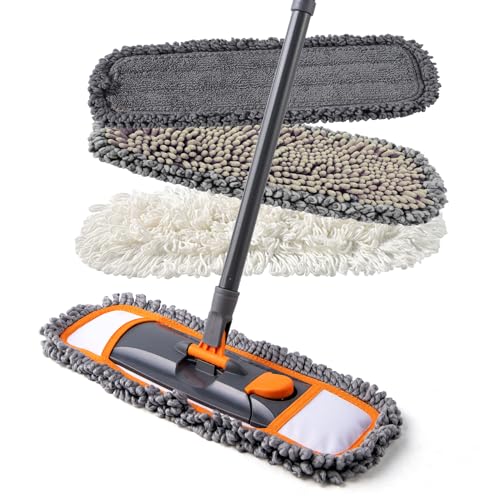
You should generally avoid using a wet mop on hardwood floors. Excessive moisture can seep into the wood and cause swelling, warping, and staining. If you need to clean your floors, use a damp mop (wrung out very well) or a microfiber cloth.
For tougher spots, use a cleaner specifically designed for hardwood floors and follow its instructions, usually involving a damp cloth.
Conclusion
Tackling stains on your hardwood floors might seem daunting at first. But by understanding the different types of stains and employing gentle, tested methods, you can often restore their beauty. Remember to start simple, test products first, and always dry the area well.
Your floors will thank you for it.
Sponsored / affiliate links. As an Amazon Associate I earn from qualifying purchases. I may earn additional commission from eligible campaigns.