How Do I Remove Deck Stain From Vinyl Siding? Easy Fix
Removing deck stain from vinyl siding is possible with gentle cleaning. Start with mild soap and water. If that doesn’t work, try a cleaner specifically for vinyl siding.
Always test in a small, hidden spot first. For tough stains, a paste of baking soda and water or a diluted solution of oxygen bleach might be needed. Avoid harsh chemicals or abrasive scrubbers that can damage the vinyl.
Understanding Deck Stain on Vinyl Siding
Deck stain is meant to soak into wood. It protects the wood and gives it color. When it hits vinyl siding, it doesn’t soak in the same way.
Vinyl is a smooth plastic. The stain sits on the surface. This makes it easier to remove than if it had soaked into porous material.
However, some deck stains have oils or pigments that can be quite strong. They can cling to the vinyl surface. The longer the stain sits, the harder it might be to get off.
Think of it like spilled paint on a plastic table. It’s usually wipeable when fresh. But if left for days, it can become a real pain.
Why does this happen? Deck stains are designed to be durable. They need to withstand sun, rain, and foot traffic.
This means they have binders and pigments that stick well. Vinyl siding, while tough, is a smooth surface. It doesn’t have the texture that might hold onto a stain permanently.
But it can still grab onto it. The type of deck stain also plays a big role. Water-based stains are often easier to remove than oil-based ones.
The finish on your vinyl siding matters too. A glossy finish might be easier to clean than a matte one. Some older vinyl can be more sensitive.
My Own Deck Stain Disaster
I remember one summer afternoon. I was helping a friend stain his deck. It was a beautiful, sunny Saturday.
We were both a little too relaxed. I was carrying a can of semi-transparent stain. I tripped slightly on a loose board.
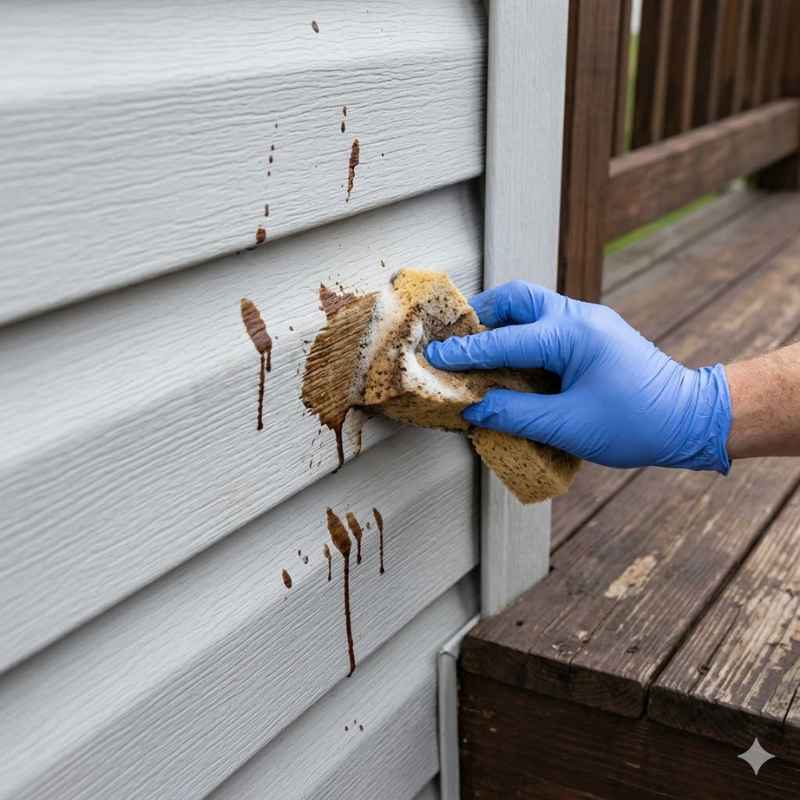
The can tilted, and a good amount of dark walnut stain went flying. A good portion of it splattered onto my friend’s pristine white vinyl siding. My heart sank.
He’s really proud of his house. My friend, bless his soul, just sighed. He said, “Well, that’s not ideal.” I felt terrible.
My first thought was, “This is going to be a nightmare to clean.” I imagined scrubbing for hours with harsh chemicals. I pictured damaged siding. It was a moment of pure panic.
The sight of those dark brown splotches against the white was jarring.
We stopped immediately. We didn’t want it to set. My friend grabbed a hose.
We tried rinsing it with plain water. It didn’t do much. The stain just beaded up.
It looked like it was starting to set. We then grabbed some dish soap and a soft cloth. We gently rubbed at the spots.
Some of the lighter splatters came off. But the bigger drips were still very visible. It was frustrating.
We were worried about making it worse. We knew we couldn’t just ignore it. We needed a better plan.
That’s when we started looking for more specific advice. We wanted to fix it without ruining the siding. It was a messy, stressful afternoon, but we eventually found a solution.
What Kind of Deck Stain Is It?
Water-Based Stains: These are generally easier to remove. They clean up with soap and water, especially when fresh. They are less likely to leave stubborn marks.
Oil-Based Stains: These are tougher. They contain oils that can penetrate surfaces more easily. They might require stronger cleaning agents or solvents.
Be very careful with these on vinyl.
Stain & Sealant Combos: These can be tricky. They have both pigment and a protective coating. Their removal can depend on the specific product used.
Getting Started: The Gentle Approach
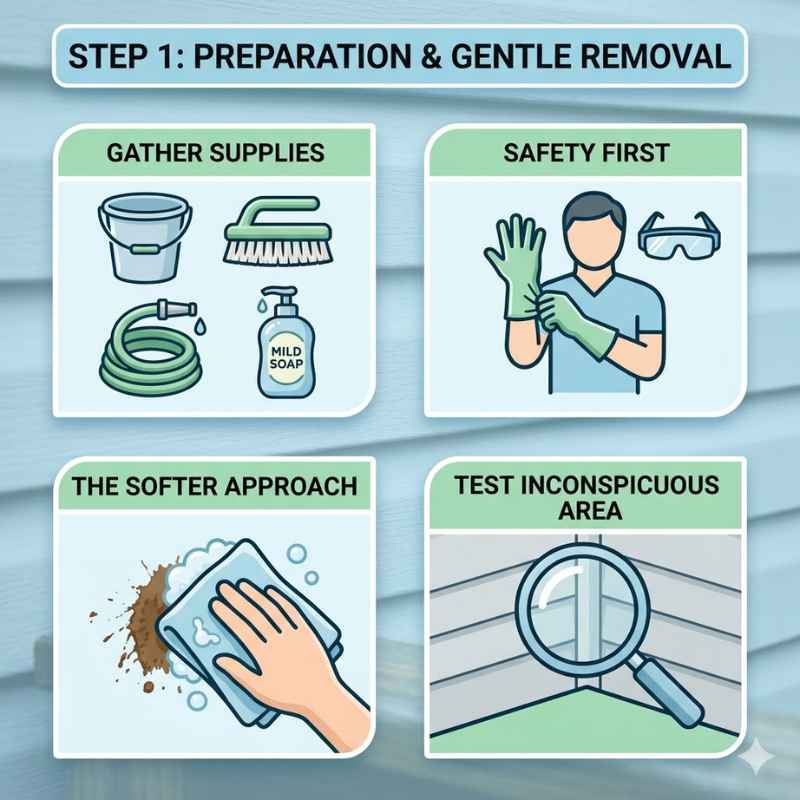
Before you reach for anything strong, always start with the gentlest method. This is the most important rule for protecting your vinyl siding. Harsh cleaners and tools can scratch or discolor the vinyl.
This can cause permanent damage. That’s much worse than a few deck stain spots. So, let’s begin with what’s usually safe and effective.
The first thing to try is plain water. Get a soft cloth or sponge. Dampen it with cool water.
Gently wipe the stained area. Sometimes, if the stain is very fresh, this might be enough. Don’t scrub hard.
Just a gentle wipe. If water alone doesn’t work, move to the next step.
Next, use mild soap and water. Mix a few drops of a gentle dish soap (like Dawn) with warm water. Make a soapy solution in a bucket.
Dip your soft cloth or sponge into the soapy water. Wring it out so it’s damp, not dripping. Gently rub the stain.
Work in small circles. Be patient. You might need to repeat this a few times.
Rinse the cloth often. Also, rinse the section of siding you’re cleaning with plain water afterward. This removes any soap residue.
Soap residue can sometimes attract dirt. It can also leave streaks.
After trying soap and water, rinse the area thoroughly with clean water. Use a hose on a gentle setting. Check the siding in good light.
Are the stains gone? If they are, great! You’re done.
If some marks remain, don’t despair. We have more options. But if these simple steps worked, you’ve saved yourself a lot of trouble.
Quick Scan: Stain Removal Steps
1. Water Rinse: Fresh, cool water and a soft cloth.
2. Mild Soap & Water: Gentle dish soap in warm water. Soft cloth.
3. Rinse Thoroughly: Remove all soap residue.
4. Inspect: Check if stains are gone.
When Mild Soap Isn’t Enough
Okay, so the gentle stuff didn’t quite do the trick. This is where things can get a little more involved. It’s still crucial to be careful.
We want to remove the stain, not damage the siding. Think of it like a sensitive skin treatment. You wouldn’t use a harsh scrub.
You’d try something a bit more specialized.
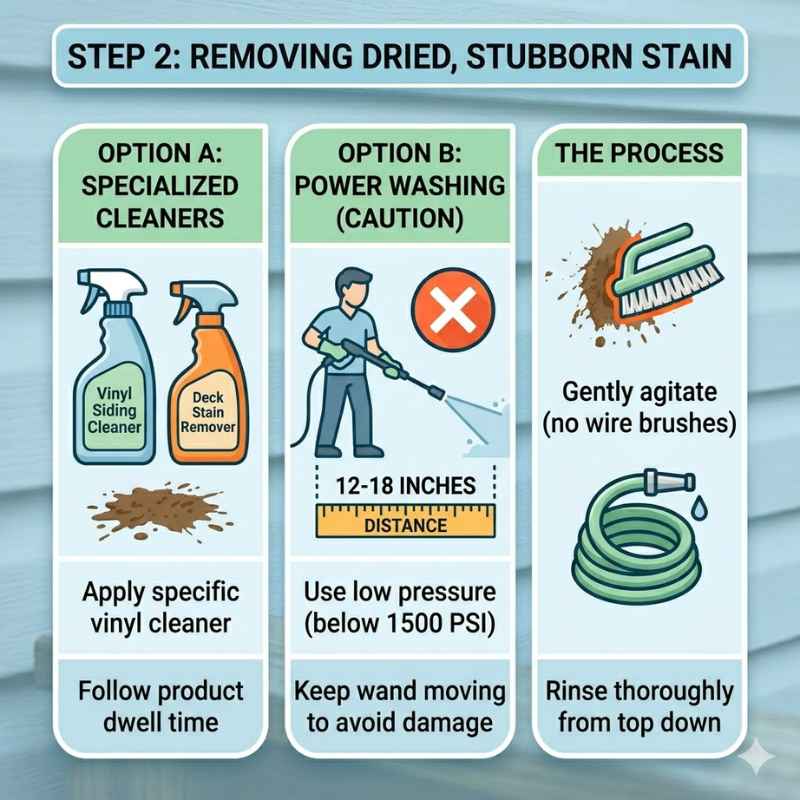
Many hardware stores sell cleaners specifically made for vinyl siding. These are often a good next step. Look for a product that claims to remove stains or dirt.
Read the label carefully. Make sure it’s safe for use on vinyl. Some cleaners are designed for general cleaning.
Others target specific types of marks. If you find one for outdoor stains, that might be ideal.
Always, always, always test these products first. Find an inconspicuous spot on your siding. This might be on the back of the house or near the ground.
Apply a small amount of the cleaner to a cloth. Gently rub the test spot. Wait for the time recommended on the product label.
Then, rinse the area thoroughly. Let it dry completely. Check the test spot for any signs of damage.
Look for discoloration, dulling, or etching. If the test spot looks good, you can proceed to use the cleaner on the stain. Apply it according to the product’s instructions.
When using a commercial vinyl siding cleaner, follow the directions precisely. Don’t leave it on longer than recommended. Don’t use more than you need.
Use a soft cloth or a non-abrasive sponge. Work gently. Rinse the area very well when you’re done.
Make sure all cleaner is gone. This is important to prevent potential issues down the line.
DIY Cleaning Pastes and Solutions
Sometimes, you might not have a specific vinyl cleaner handy. Or perhaps you prefer to use household ingredients. There are a couple of common DIY solutions that can help.
These are generally safe when used correctly. But remember, always test them first in a hidden spot.
One effective DIY cleaner is a paste made from baking soda and water. Baking soda is a mild abrasive. It can help lift stains without being too harsh.
Mix about three parts baking soda to one part water in a small bowl. You want to create a thick paste, like toothpaste. Apply this paste directly to the deck stain marks.
Use a soft cloth or an old toothbrush to gently rub the paste into the stain. Work in small, circular motions. Let the paste sit on the stain for about 10-15 minutes.
This gives it time to work. Then, gently wipe it away with a damp cloth. Rinse the area thoroughly with clean water.
See if the stain is lighter or gone. You might need to repeat this process a couple of times for stubborn marks.
Another option is a diluted oxygen bleach solution. Oxygen bleach (like OxiClean) is generally safer for surfaces than chlorine bleach. It’s a good stain remover.
Mix a small amount of oxygen bleach powder with warm water. Follow the product’s instructions for mixing a general cleaner. Use a weaker solution than recommended for heavy-duty cleaning.
You want it strong enough to lift the stain, but not so strong it damages the vinyl. Dip a soft cloth into the solution. Wring it out well.
Gently apply it to the stain. Let it sit for a few minutes. Do not let it dry on the siding.
Gently wipe the area. Rinse very, very well with clean water. Again, test this in an inconspicuous spot first.
Some vinyl types might react differently.
Contrast Matrix: Gentle vs. Stronger Methods
Myth: You always need harsh chemicals.
Reality: Start with water and mild soap. Often, this is enough.
Myth: Scrubbing hard removes stains faster.
Reality: Scrubbing can damage vinyl. Gentle rubbing is key.
Myth: All deck stains are impossible to remove.
Reality: Most stains can be removed with the right approach and patience.
What to Absolutely Avoid
This part is just as important as knowing what to do. There are certain things you should never, ever use on vinyl siding when trying to remove deck stain. These can cause irreversible damage.
You might end up with a bigger, more expensive problem than the stain itself.
Abrasive Scrubbers: Never use steel wool, abrasive pads, or stiff-bristled brushes. These will scratch the surface of your vinyl siding. Once scratched, it’s very hard to fix.
It can also make the siding more prone to future staining. It creates tiny grooves for dirt and grime to hide.
Harsh Solvents: Be very wary of strong solvents like mineral spirits, acetone, or paint thinner, especially on oil-based stains. While they might dissolve the stain, they can also dissolve or weaken the vinyl itself. They can cause the siding to warp, become brittle, or lose its color.
Always check the vinyl siding manufacturer’s recommendations before using any solvent. If unsure, skip it.
Chlorine Bleach: While bleach is a powerful cleaner, chlorine bleach can be too harsh for vinyl siding. It can potentially discolor or damage the material. It can also affect the finish.
Stick to oxygen-based cleaners or specialized vinyl cleaners.
Pressure Washers (on high settings): A very gentle rinse with a hose is fine. But a high-pressure washer can force water into the seams of your siding. It can also damage the surface.
If you use a pressure washer, use the widest fan tip and keep it at a safe distance. Never aim it directly at seams or edges.
Scraping: Avoid using putty knives or scrapers to remove the stain. This will definitely scratch and gouge the vinyl. Patience is your best tool here, not brute force.
Avoid These Tools and Chemicals
Tools to Avoid:
- Steel wool
- Stiff brushes
- Abrasive pads
- Putty knives/scrapers
Chemicals to Avoid:
- Chlorine bleach
- Acetone
- Paint thinner
- Strong solvents (unless specifically approved for vinyl)
Real-World Scenarios and What to Expect
Let’s talk about when and where this usually happens. Deck staining season is typically spring and summer. That’s when homeowners are out working on their decks.
It’s also when they’re spending more time outdoors. So, these stains often appear on the siding closest to the deck. This could be the lower parts of the house, around patios, or even higher up if there was a spill from a deck railing.
The environment plays a role. If it’s a very hot, sunny day, deck stain can dry faster. This makes it harder to remove.
If it’s humid, it might take longer to dry. The type of siding matters too. Older vinyl siding might be more brittle or have a less resilient finish.
Newer vinyl is often quite durable. But it’s still plastic and can be affected by harsh chemicals.
User behavior is a big factor. Accidents happen. Someone might be too casual with their stain can.
They might not use a drop cloth effectively. Or maybe they’re rushing the job. Sometimes, when hiring professionals, they might be less careful than you would be.
It’s good to be present when this work is happening. You can keep an eye on things. A simple instruction like “Please be careful of the siding” can go a long way.
The design of the house also matters. Houses with large decks that are close to the siding are more at risk. If there are bushes or plants directly against the siding, they can trap moisture.
This might make the stain stick more. Or it could prevent you from seeing the stain until much later.
What This Means for Your Siding
So, when should you worry? Most deck stain marks on vinyl siding are fixable. You should start to worry if you see that the cleaning attempts are causing damage.
Are you noticing the vinyl becoming dull? Is it changing color? Is it feeling rough or chalky?
These are signs that you are using a method that is too harsh for your siding.
If you’ve tried everything suggested here and the stain is still visible, it might be time to call a professional. Some staining companies might have specialized products or techniques. Or, a siding cleaning specialist might have the right tools and knowledge.
It’s better to pay for a professional cleaning than to try something that could ruin your siding.
Here are some simple checks you can do:
- Check the Siding Manufacturer’s Guide: If you know the brand of your vinyl siding, check their website for cleaning recommendations. They often have specific advice.
-
Inspect Regularly: Make it a habit to look at your siding. Especially after deck work.
Catching stains early makes them easier to remove.
- Test a Small Area: Before using any new cleaner, always test it on a hidden spot. Wait to see how the siding reacts.
If the stain is very old and deeply set, it might be permanent. In rare cases, especially with oil-based stains on older vinyl, it might not come off completely. If this happens, you might have to live with a faint mark.
Or, you could consider a very light coat of exterior paint specifically designed for vinyl siding. This is a more involved solution. But it’s an option if the stain is a persistent eyesore.
Always follow paint manufacturer instructions carefully for vinyl.
When to Call a Pro or Consider Painting
Signs you’re damaging siding:
- Siding is dulling
- Color is changing
- Surface feels rough or chalky
When to consider professional help:
- You’ve tried safe methods with no success
- The stain is very old or deep
- You are concerned about damaging the siding
Painting as a last resort:
- Only for stubborn, permanent stains
- Use paint specifically made for vinyl siding
- Requires careful application
Quick Fixes and Preventive Tips
While we’ve covered removal, let’s also touch on prevention. It’s always easier to avoid a problem than to fix it. When you or someone else is working with deck stain, take precautions.
- Use Drop Cloths: Always cover the area of siding near where you are staining. Use old sheets, tarps, or plastic sheeting. Extend them beyond the deck area.
- Work on Calm Days: Avoid staining on windy days. Wind can carry droplets of stain unexpectedly.
- Keep Stain Cans Closed: Don’t leave stain cans open for long periods. Close them when you’re not actively dipping your brush or roller.
- Careful Handling: Be mindful when moving stain cans. Carry them carefully. Avoid placing them near the edge of the deck where they can be knocked over.
- Brush Strokes Away from Siding: When brushing or rolling, try to direct your strokes away from the house.
- Clean Spills Immediately: The moment a spill happens, deal with it. The fresher the spill, the easier it is to remove. Keep a damp cloth handy.
If you do get a small drip, don’t panic. Grab a clean, damp cloth and gently blot it up. Don’t smear it.
Blotting lifts the stain. Smearing spreads it. For tiny spots, even a wet paper towel might work if you catch it right away.
Frequently Asked Questions
Can I use bleach to remove deck stain from vinyl siding?
It’s best to avoid chlorine bleach. It can potentially discolor or damage vinyl siding. Oxygen bleach, diluted carefully, might be an option, but always test it first in an inconspicuous area.
How long do I have to clean deck stain off vinyl siding?
The sooner you can clean it, the better. Fresh deck stain is much easier to remove than stain that has had time to dry and set into the vinyl surface. Ideally, clean it within a few hours.
Will scrubbing damage my vinyl siding?
Yes, aggressive scrubbing with abrasive materials like steel wool or stiff brushes can scratch and damage the surface of your vinyl siding. Always use a soft cloth or non-abrasive sponge.
What is the best way to remove old, set-in deck stain?
Old, set-in stains are tough. You might need to try a commercial vinyl siding cleaner or a baking soda paste. Repeat applications may be necessary.
If these methods don’t work, the stain might be permanent or require professional help.
Can I paint over deck stain on vinyl siding?
Yes, you can paint over deck stain on vinyl siding if it cannot be removed. Use a high-quality exterior paint specifically designed for vinyl surfaces. Proper preparation, including cleaning and possibly priming, is essential for good adhesion.
Is it safe to use WD-40 to remove deck stain from vinyl siding?
WD-40 is a solvent and can potentially damage or discolor vinyl siding. While it might remove some stains, it’s not generally recommended. Always test in a small, hidden area first, and be prepared for potential negative reactions from the vinyl.
Final Thoughts
Dealing with deck stain on vinyl siding can be a frustrating experience. But with patience and the right approach, you can often restore your siding. Remember to start gentle and work your way up if needed.
Always prioritize the safety of your siding. Avoiding harsh chemicals and abrasive tools is key. By following these steps, you can tackle those unwanted marks and keep your home looking its best.
Prevention is always the best cure, so take steps to avoid spills in the future.
Sponsored / affiliate links. As an Amazon Associate I earn from qualifying purchases. I may earn additional commission from eligible campaigns.