How To Remove Marble Countertop Stains Safely
Marble countertops are stunning. They add a touch of class to any kitchen or bathroom. But they can also be a bit fussy.
Spills happen. Life happens. And suddenly, you’re staring at a stain.
It’s easy to feel a knot of worry in your stomach. You want to fix it, but you don’t want to make it worse. Many people rush to harsh cleaners.
That’s often a big mistake with marble. It’s a natural stone that can react poorly to strong chemicals. We’ve all been there, looking at a lovely piece of stone and fearing we’ve ruined it.
This guide is here to help. We’ll walk through safe ways to tackle those stubborn marks. You’ll learn what works and what to avoid.
Let’s bring back that shine!
Marble countertop stains can be removed safely by using gentle poultices made from absorbent materials like baking soda or diatomaceous earth mixed with a mild liquid. Blotting, understanding the stain type, and acting quickly are key. Always test any cleaning solution in an inconspicuous spot first to avoid damage.
Understanding Marble Stains
Marble is a beautiful, porous stone. This means it can soak up liquids. When a liquid with color spills on your marble, it can leave a mark.
These marks are called stains. They can look like dark spots or rings. Some stains are from things that have pigment.
Others are from acidic substances. The type of stain matters a lot. It helps decide the best way to clean it.
Knowing your marble’s nature is the first step. It’s like knowing a friend’s personality. You know what makes them happy and what upsets them.
Marble is similar. It’s sensitive to acids. It can also etch.
Etching looks like a dull spot. It’s not a true stain, but it can be mistaken for one.
There are two main kinds of marble stains. One is an organic stain. Think coffee, tea, wine, or food.
These often look brown or pinkish. The other is an inorganic stain. This can be rust from metal objects or dye from something like ink.
Rust stains are usually orange or brown. Ink stains can be very dark. Grease or oil stains are also common.
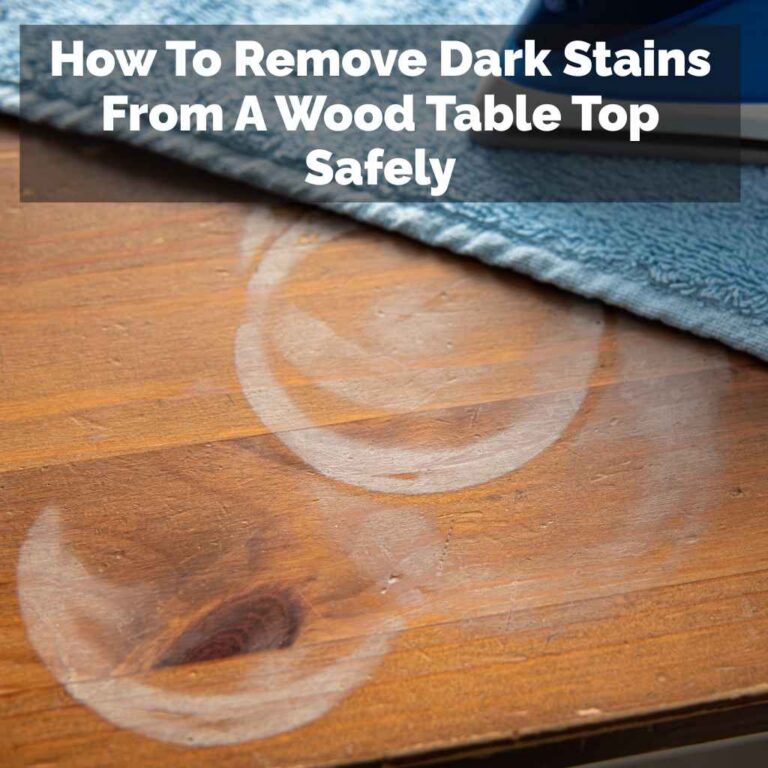
They tend to darken the marble. Water spots can also happen. These look like rings.
They are usually caused by hard water. Or sometimes by a spill that dried on the surface.
When you see a stain, don’t panic. Take a deep breath. Your first thought might be to grab some bleach or vinegar.
But hold on! Marble is sensitive. Acids like vinegar can etch the surface.
This makes it look dull. Strong chemicals can also react badly. They might change the marble’s color.
Or they could even weaken the stone itself. So, the best approach is always gentle. Think of it as a careful conversation, not a forceful demand.
We need to coax the stain out, not blast it away. This careful approach protects your investment. It keeps your countertops looking lovely for years.
Not sure what surface you actually have? Laminate and natural stone stain differently, and the safe cleaning method for one can dull or scratch the other. If your kitchen has a Formica countertop instead of real marble, see our guide on how to remove stains from Formica countertops for the right approach.
The Power of Poultices
Poultices are a secret weapon for marble stains. What is a poultice? It’s like a paste.
It’s made from an absorbent material. This material is mixed with a liquid. The paste is spread onto the stain.
Then, it’s covered up. The absorbent material draws the stain out. It lifts it from the stone.
This is a very gentle method. It’s ideal for porous stones like marble. It works over time, like a slow hug for the stone.
The best absorbent materials are ones that soak things up well. Baking soda is a great choice. It’s safe and readily available.
Diatomaceous earth is another excellent option. It’s made from fossilized aquatic organisms. It’s very porous.
Talcum powder or even white paper towels can also work in a pinch. For the liquid part, you can use water. Or you can use a mild cleaning agent.
The agent depends on the stain. For most organic stains, hydrogen peroxide is good. For grease stains, a little ammonia can help.
But always be careful with ammonia. Never mix it with bleach. That creates dangerous fumes.
Let’s talk about how to make one. Take your absorbent powder. Add just enough liquid to make a thick paste.
It should be like peanut butter. Not too runny, not too dry. Spread this paste over the stain.
Make it cover the stain well. Go a bit beyond the stain’s edges. Then, cover the paste with plastic wrap.
Tape down the edges of the plastic wrap. This keeps the paste moist. It needs time to work.
Leave it on for at least 24 hours. Some tough stains might need 48 hours. After that, remove the plastic wrap.
Let the paste dry completely. As it dries, it pulls the stain out. Once it’s dry, gently scrape it off.
A plastic scraper is best. Then, clean the area with a soft cloth and water. Rinse it well.
Dry it with a soft towel.
Poultice Breakdown: Quick Guide
Stain Type: Organic (Coffee, Tea, Wine)
Absorbent: Baking Soda
Liquid: Hydrogen Peroxide (3%)
Stain Type: Grease/Oil
Absorbent: Baking Soda or Diatomaceous Earth
Liquid: Ammonia (diluted) or Dish Soap
Stain Type: Rust
Absorbent: Diatomaceous Earth
Liquid: Commercial Rust Remover for Stone (use carefully)
Stain Type: Ink
Absorbent: Baking Soda or Talcum Powder
Liquid: Hydrogen Peroxide (for light marble) or Acetone (for dark marble)
Dealing with Specific Stain Types
Different stains need different approaches. It’s like treating different kinds of cuts. A small scratch needs a band-aid.
A deep cut needs stitches. Marble stains are similar. Knowing the cause helps you choose the right tool.
Or the right poultice.
Organic Stains
These come from things with color. Coffee, tea, wine, fruit juice, and even some foods. They are common.
They usually look brown or pinkish. They have pigment. A poultice is your best friend here.
For lighter colored marble, use hydrogen peroxide. Mix baking soda with hydrogen peroxide. You want a thick paste.
Spread it on the stain. Cover it with plastic wrap. Tape the edges.
Let it sit for 24 to 48 hours. Remove the plastic. Let it dry.
Scrape it off gently. Clean the area with water. Dry it thoroughly.
If the stain is on dark marble, hydrogen peroxide might lighten the stone. In that case, use plain water or a very mild detergent for the poultice liquid.
Grease and Oil Stains
These can happen from cooking. Or from lotions and oils. They make the marble look darker.
They are oily. For these, you need something to break down the oil. Baking soda is still great as an absorbent.
Mix it with a little bit of ammonia. Or you can use a mild dish soap. Make that paste.
Spread it. Cover it. Let it work its magic for 24 hours.
Then let it dry. Scrape and clean. Always work in a well-ventilated area when using ammonia.
Rust Stains
Rust stains are usually orange or brown. They come from metal objects. A can left out.
A metal leg on a chair. Even water with high iron content. These can be tough.
For rust, a commercial rust remover is often needed. But it must be made for natural stone. Look for products specifically labeled for marble.
Follow the instructions very carefully. Test it first. Apply it to a small, hidden area.
If it’s safe, use it on the stain. You might still need a poultice. Mix the rust remover with an absorbent like diatomaceous earth.
Make a paste. Apply it. Cover it.
Let it dry. This process might take a couple of tries for deep rust.
Ink Stains
Ink can be very stubborn. The type of ink matters. Ballpoint pen ink might come out with a poultice.
For light-colored marble, you can try hydrogen peroxide. Mix it with baking soda to make a paste. For dark-colored marble, hydrogen peroxide could bleach it.
In that case, try acetone. Acetone is a solvent. It can lift ink.
Make a paste with baking soda and acetone. Be very careful with acetone. It’s flammable.
Ensure good ventilation. Cover the poultice. Let it dry.
Scrape and clean.
It’s always best to clean up spills right away. This is the easiest way to prevent stains. Wiping up that spilled wine or coffee immediately is much simpler.
It saves you a lot of worry later. Keep a soft cloth handy near your countertops. This makes quick cleanups easy.
Myth vs. Reality: Marble Care
Myth: Bleach is good for all stains on marble.
Reality: Bleach can damage marble. It can cause yellowing or pitting. Use it only as a last resort and diluted, if at all.
Myth: Vinegar will disinfect and clean marble effectively.
Reality: Vinegar is acidic. It will etch marble, making it look dull.
Myth: Sealing marble means it won’t stain.
Reality: Sealing helps, but marble is still porous. It slows down stains, but doesn’t make it stain-proof.
Myth: Any household cleaner is safe for marble.
Reality: Many cleaners are too harsh. Stick to pH-neutral cleaners or natural methods.
When to Worry: Etching vs. Stains
Sometimes, what looks like a stain isn’t a stain at all. It might be etching. Etching happens when an acidic substance touches the marble.
Things like lemon juice, vinegar, or even certain cleaning products. Etching doesn’t add color to the stone. Instead, it damages the surface.
It makes the polished finish dull. It looks like a light gray spot or ring. It’s like a scratch on the surface, but from a chemical reaction.
Identifying etching is important. Because the treatment is different. Stains can often be lifted out.
Etching needs to be polished out. For light etching, you might be able to buff it out. Use a dry, soft cloth.
Sometimes a marble polishing powder can help. For deeper etching, you might need a professional. They have special tools and compounds.
They can re-polish the stone. This restores its shine.
How can you tell the difference? A stain will look like a discoloration in the stone. It might feel slightly different to the touch.
An etch mark will look like the shine is gone from the surface. It will appear duller than the surrounding area. If you’re unsure, try the stain removal method first.
If it doesn’t work, and the spot is dull, it’s likely etching.
Don’t worry too much if you see a few dull spots. It’s a sign of use. It’s part of living with natural stone.
The key is to know how to address it. Or how to prevent it. Prevention is always better than cure.
Keep coasters handy for drinks. Use cutting boards when preparing food. And be mindful of acidic cleaners.
Always opt for pH-neutral cleaners for daily care.
Daily Care and Prevention
Keeping your marble countertops looking their best is all about routine. And a little bit of awareness. Daily care is simple.
But it makes a huge difference. The most important thing is to wipe up spills. As soon as they happen.
This is the number one rule for marble.
For everyday cleaning, use a soft cloth. Dampen it with warm water. You can add a drop of pH-neutral soap.
Many stone care companies make these. Or you can use a very mild dish soap. Make sure it’s pH-neutral.
Wipe down the countertops. Then, rinse the cloth well. Wipe the counters again with plain water.
This removes any soap residue. Finally, dry the countertops thoroughly. Use a clean, soft towel.
This prevents water spots. It also makes the surface shine.
Avoid abrasive cleaners. Things with grit will scratch the marble. So will abrasive sponges or scrub brushes.
Steel wool is a definite no-no. It will leave scratches and rust marks. Also, avoid any cleaners with acids.
This includes vinegar, lemon juice, and many bathroom cleaners. They will etch the surface. If you’re unsure if a cleaner is safe, check the label.
Or do a test in an inconspicuous spot first.
Sealing your marble is also a key part of prevention. Marble is porous. Sealers create a barrier.
This barrier helps to repel liquids. It gives you more time to wipe up spills. How often should you seal?
It depends on the sealer. And how much you use your countertops. A good rule of thumb is every six months to a year.
You can test if your marble needs sealing. Drip a little water on the surface. Let it sit for a few minutes.
If the water beads up, your sealer is still working. If the water soaks in and darkens the marble, it’s time to reseal.
Quick Scan: Marble Maintenance Checklist
- Wipe spills immediately.
- Use soft cloths for cleaning.
- Use pH-neutral cleaners.
- Rinse and dry counters well.
- Avoid abrasive materials.
- Avoid acidic cleaners.
- Test new cleaners first.
- Reseal marble regularly (6-12 months).
My Own Marble Mishap
I remember one time, I was making a smoothie. It was one of those bright green ones. Spinach, kiwi, maybe some berries.
I was in a hurry. I poured it into a glass. And then, the glass slipped.
It didn’t shatter, but the smoothie splashed. All over my beautiful white marble island. My heart sank.
It was late. I was tired. My first thought was to grab paper towels.
I wiped it up as fast as I could. But the bright green liquid had already hit the stone. A faint green tint seemed to linger.
I felt a wave of panic. Had I ruined my counter? I ran to the cabinet.
I saw a bottle of bathroom cleaner. It had bleach in it. I almost sprayed it.
But then I stopped myself. I remembered reading about marble’s sensitivity. Bleach would probably make it worse.
Or leave a yellow stain. I took a deep breath.
I decided to try a gentler approach. I mixed up a paste of baking soda and water. It was a thick, white paste.
I spread it carefully over the faint green mark. I covered it with plastic wrap. I taped it down.
I left it overnight. The next morning, I felt nervous. I peeled back the plastic.
The paste was dry and crumbly. I gently scraped it off. I wiped the area with a damp cloth.
Then I dried it. And guess what? The green tint was gone.
Completely gone. It was like it had never been there. That experience taught me a valuable lesson.
Patience and the right gentle methods are key with marble. Sometimes the simplest things work best.
Expert Tips for Tough Stains
Beyond the basic poultice, there are a few extra tricks. These can help with really stubborn marks. Always remember to test first.
What works for one marble might not work for another. Or for a different type of stain.
Using a Commercial Stone Cleaner
There are many good stone cleaners on the market. Look for ones made specifically for marble. Or for natural stone.
They are formulated to be safe. They can help lift many types of stains. Follow the directions on the bottle.
Usually, you spray it on. Let it sit for a few minutes. Then wipe it clean.
Some might require a poultice method.
When to Call a Professional
Sometimes, a stain is just too deep. Or it’s etching that’s severe. In these cases, it’s time to call a stone restoration specialist.
They have the tools and experience. They can polish out deep etches. They can also often remove very old or difficult stains.
It might cost a bit. But it can save your countertops. And your peace of mind.
It’s better to pay for a pro than to risk damaging your marble further.
The Importance of Ventilation
When using any cleaning product, even gentle ones, good ventilation is important. Open windows. Turn on a fan.
This helps to clear the air. It’s especially crucial if you’re using stronger solutions like acetone or ammonia. Fresh air makes the job safer and more pleasant.
Ingredient Spotlight: Baking Soda
What it is: A mild alkali (sodium bicarbonate).
Why it’s great for marble: It’s absorbent. It’s a gentle abrasive. It helps lift stains without scratching or etching.
How to use it: Mix with water, hydrogen peroxide, or ammonia to form a paste. Spread onto the stain, cover, and let dry.
Safety: Generally very safe. Avoid mixing with bleach.
What This Means for Your Marble
So, what’s the takeaway from all this? It means you can enjoy your marble countertops. You can use them every day.
You just need to be smart about it. A little bit of care goes a long way. Knowing how to deal with stains is empowering.
It takes away the fear. You can handle those little accidents.
When is a mark normal? A slight dullness in a high-traffic area might happen over time. This is likely minor etching from daily use.
Small water spots that dry quickly. Or faint rings from a glass left too long. These are usually manageable with good care.
A well-sealed marble surface will resist most minor spills.
When should you worry? If a stain is very dark. And it doesn’t lighten with gentle methods.
If you see widespread etching. Or if you accidentally used a harsh chemical. And the marble looks damaged.
These are times to pause. And to consider professional help. Don’t try to fix very serious damage yourself.
You could make it worse. It’s better to seek expert advice. They can assess the situation properly.
Think of your marble as a living surface. It has character. It will show signs of life.
Your goal isn’t to keep it looking brand new forever. It’s to keep it looking beautiful and well-cared-for. To maintain its natural elegance.
With the right knowledge, this is totally achievable. You can prevent most problems. And you can fix many of them safely.
Quick Fixes and Tips Summary
Here’s a quick recap of the best ways to handle marble stains. These are easy to remember. They are practical tips for your home.
- Act Fast: The sooner you clean a spill, the less likely it is to stain.
- Identify the Stain: Is it organic, grease, rust, or ink? This guides your approach.
- Use Poultices: Baking soda or diatomaceous earth mixed with the right liquid is your go-to.
- Gentle is Key: Always start with the mildest method.
- Avoid Acids and Bleach: These can damage marble.
- Test First: Always test any cleaner or poultice in a hidden spot.
- Daily Wipe-Downs: Use water and a soft cloth. Dry thoroughly.
- Reseal Regularly: Protect your marble’s surface.
- Know When to Call Pros: For deep stains or severe etching.
These tips are designed to be simple. They are easy to follow. They will help you keep your marble countertops looking stunning.
It’s about smart care. Not about being afraid of your own kitchen.
Frequently Asked Questions about Marble Stains
Can I use soap and water to clean marble countertops?
Yes, mild soap and water are generally safe for daily cleaning of marble countertops. Ensure the soap is pH-neutral and rinse the surface thoroughly afterward to remove any residue. Always dry the marble completely with a soft cloth to prevent water spots.
What is the best way to remove a coffee stain from marble?
For a coffee stain, which is organic, you can create a poultice. Mix baking soda with a small amount of hydrogen peroxide (for light marble) to form a thick paste. Apply this paste to the stain, cover with plastic wrap, tape the edges, and let it sit for 24-48 hours. Remove the plastic, let the paste dry, then gently scrape it off and clean the area.
How can I tell if a mark on my marble is a stain or an etch mark?
A stain is a discoloration within the stone, often looking like a shadow or colored spot. An etch mark, caused by acids, is damage to the surface finish, making the area look dull or matte. You can usually feel the difference; etch marks feel smooth but lack shine, while stains might feel the same as the rest of the stone.
Is it safe to use a marble cleaning spray from the store?
Yes, many commercial marble cleaning sprays are safe if they are specifically formulated for natural stone and are pH-neutral. Always check the product label. It’s a good practice to test any new cleaner in an inconspicuous area first to ensure it doesn’t damage or discolor your marble.
How often should I reseal my marble countertops?
The frequency of resealing depends on the sealer used and the amount of use your countertops get. Generally, resealing is recommended every 6 to 12 months. You can test if your marble needs resealing by dripping a bit of water onto the surface. If the water beads up, the seal is good. If it soaks in, it’s time to reseal.
What should I do if I spill red wine on my marble countertop?
Red wine is a common organic stain. Blot up as much liquid as possible immediately with a clean cloth. Then, create a poultice using baking soda and hydrogen peroxide (for light marble) or just baking soda and water. Apply the paste, cover it, and let it dry for 24-48 hours. Gently scrape and clean the area.
Conclusion
Marble countertops are a beautiful addition to any home. They can last for generations with the right care. Understanding how to tackle stains safely is key.
It’s about using gentle methods. And knowing when to seek professional help. Don’t let the fear of stains stop you from enjoying your stone.
With this knowledge, you can keep your marble looking its best. You can maintain its natural beauty. Enjoy your elegant countertops!
Sponsored / affiliate links. As an Amazon Associate I earn from qualifying purchases. I may earn additional commission from eligible campaigns.