How to Remove Ink Stains From Plastic (Without Damaging It)
Rubbing alcohol and acetone dissolve most ballpoint and marker ink on plastic within seconds — but acetone also dissolves polystyrene and ABS, two of the most common plastics in storage bins and electronics housings. Using the wrong solvent can cloud, crack, or melt the surface instead of just lifting the stain. This guide covers which solvent matches which plastic, the dry-erase-marker trick that works without any chemicals, and how to treat ink that has already dried on.
Whether it’s a pen mishap on a plastic container or a marker stain on a plastic bottle, knowing how to tackle these stains can save the item from being discarded — browse more stain and paint removal guides if you’re dealing with a different surface.
Effective Techniques
When it comes to removing ink stains from plastic, there are several effective techniques that can help you tackle the stubborn marks. Whether it’s a ballpoint pen, marker, or printer ink, these methods can help you restore your plastic items to their former glory. Let’s explore some powerful solutions for removing ink stains from plastic.
Using Acetone For Ink Stain Removal
Acetone is a potent solvent that can effectively break down ink stains on plastic surfaces. You can use acetone-based nail polish remover to dab onto a cotton ball and gently rub the stained area. Be cautious when using acetone, as it can potentially damage certain types of plastics. Always test on a small, inconspicuous area first to ensure compatibility.
📊 Polystyrene rates “C” (Poor resistance) against acetone on standard plastics chemical-compatibility charts — meaning acetone will visibly soften, cloud, or dissolve it on contact rather than just lifting the ink. — Source: K-mac Plastics Chemical Resistance Chart
Rubbing Alcohol As A Powerful Solvent
Rubbing alcohol, also known as isopropyl alcohol, is another excellent solvent for removing ink stains from plastic. Simply dampen a cotton ball or cloth with rubbing alcohol and gently dab at the ink stain. The alcohol will help dissolve the ink, making it easier to wipe away. It’s important to note that rubbing alcohol should be used in a well-ventilated area and kept away from open flames due to its flammable nature.
Hydrogen Peroxide And Diluted Bleach Solutions
Hydrogen peroxide and diluted bleach solutions can also be effective at removing ink stains from plastic. For hydrogen peroxide, apply it directly to the stain and allow it to sit for a few minutes before wiping it away. As for diluted bleach solutions, mix a small amount of bleach with water and use a cloth to gently blot the stained area. However, exercise caution when using bleach, as it can discolor or damage certain types of plastic. Always test on a small area first and wear protective gloves when handling bleach.
Specialized Products
When it comes to stubborn ink stains on plastic, specialized products can be a game-changer. These products are formulated to effectively remove ink without damaging the plastic surface.
Amodex Ink & Stain Remover
Amodex Ink & Stain Remover is a popular choice for tackling ink stains on plastic. This specialized solution is designed to break down ink particles, making it easier to wipe away the stain.
Permanent Marker Remover Kits
Permanent Marker Remover Kits are specifically crafted to target tough permanent marker stains on plastic surfaces. These kits usually come with a combination of products that work together to dissolve and lift the ink stain.
Best Ink Stain Remover Pick
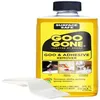
Goo Gone Original Liquid – $14.98
Formulated to break down sticky, resin-based residue the same way rubbing alcohol dissolves ink pigment — a useful backup when alcohol alone doesn’t fully lift a set-in marker stain from a plastic bin or container.
- Best for: Marker and pen residue that alcohol only partially removes
- Why we picked it: Labeled surface-safe on plastic when tested on a hidden spot first, matching the spot-test caution in this guide
- Main drawback: Leaves an oily residue that needs a soapy-water rinse afterward
Compare more ink stain remover options
 Option 1 Mr. Clean Magic Eraser Pads – $6.07
|
 Option 2 Melamine Foam 6-Pack – $9.99
|
 Option 3 Goo Gone Pro-Power Gel – $29.99
|
As an Amazon Associate we earn from qualifying purchases.
Which Plastics Are Safe for Acetone and Rubbing Alcohol?
Acetone is a polar solvent that breaks down molecular chains in certain plastics, not just ink pigment — which is why it works so fast on stains but also carries a real damage risk. It dissolves polystyrene almost on contact and softens ABS, but has little effect on the polyethylene and polypropylene used in most storage bins and bottle caps. Test any solvent on a hidden spot for at least 30 seconds before treating a visible stain.
| Plastic Type | Safe With Acetone? | Better Alternative |
|---|---|---|
| Polystyrene (PS) — foam cups, disposable cutlery | No — dissolves on contact | Rubbing alcohol or a dry-erase marker |
| ABS — LEGO-style bricks, electronics housings | No — softens and clouds the surface | Rubbing alcohol, diluted |
| HDPE / Polypropylene — storage bins, milk jugs, bottle caps | Yes — minimal reaction | Acetone or rubbing alcohol |
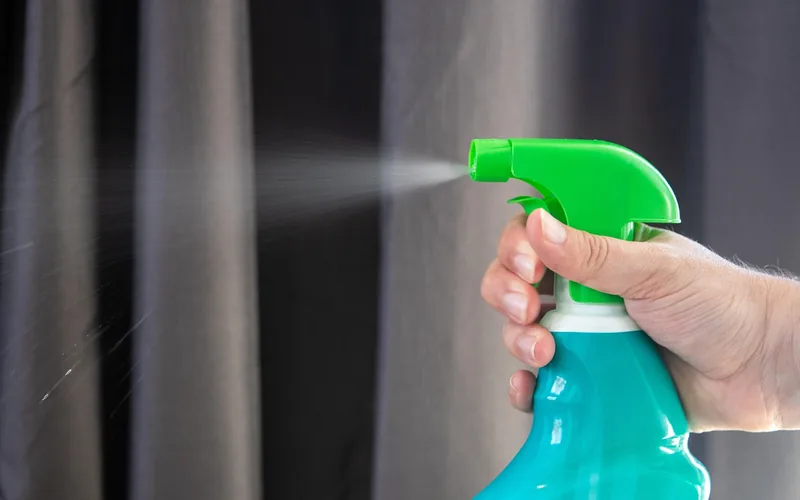
Dry-Erase Marker and Magic Eraser: Two Overlooked Tricks
Why a Dry-Erase Marker Removes Permanent Ink
Both dry-erase and permanent markers carry pigment in an alcohol-based solvent. Drawing a dry-erase marker directly over set permanent ink re-wets that pigment with fresh solvent, so it wipes away with a cloth instead of staying chemically bonded to the plastic. Let the dry-erase ink sit for a few seconds before wiping.
“Permanent markers use a resin-based ink that chemically bonds to a surface as the solvent evaporates. Dry-erase ink uses a similar alcohol-based solvent, so drawing over the permanent mark re-dissolves it instead of just covering it up.”
Using a Magic Eraser on Plastic
A melamine foam pad (sold as Magic Eraser) works as a fine micro-abrasive rather than a chemical solvent — wet it, wring it out, and rub gently in circles over the ink. It’s a good no-chemical option for kids’ toys, but avoid it on high-gloss plastic, since repeated scrubbing can leave a faint dull patch.
DIY Solutions
Removing Ballpoint Pen Ink Stains from Plastic Surface
Ink stains on plastic surfaces can be tough to remove, but with some DIY solutions, you can effectively tackle the problem without hassle.
Removing Ballpoint Pen Ink Stains From Plastic Surface
To remove ballpoint pen ink stains from plastic, you can use household items like rubbing alcohol or white vinegar.
- Apply rubbing alcohol on a cotton ball and gently dab the ink stain.
- Alternatively, mix white vinegar with water and use a cloth to scrub the stained area.
Cleaning Ink Stains With Household Items
Household items like baking soda, toothpaste, or dish soap can also be effective in removing ink stains from plastic.
- Create a paste using baking soda and water, apply it to the stain, and let it sit for a few minutes before scrubbing.
- Use toothpaste directly on the stain and rub gently in circular motions to lift the ink.
- Dish soap can be mixed with warm water to create a solution for cleaning ink stains off plastic surfaces, or try a gentle laundry detergent solution for a milder approach.
By utilizing these simple DIY solutions, you can easily get rid of ink stains on plastic items without the need for harsh chemicals or professional cleaning services. If the stain is on a wood surface instead of plastic, our Sharpie-on-wood removal guide covers wood-safe methods that would damage plastic.
Expert Advice
In the quest for keeping plastic surfaces pristine, removing ink stains can be quite a challenge. Housekeeping professionals and cleaning tutorial videos offer valuable insights and techniques for tackling this common issue.
Guidance From Housekeeping Professionals
Housekeeping professionals emphasize the use of specialized cleaning products and techniques for effective ink stain removal from plastic surfaces. They recommend the following:
- Utilize ink and stain remover products specifically designed for plastic surfaces.
- Apply rubbing alcohol or acetone to the stained area and gently scrub with a soft cloth — only on plastics confirmed safe per the table above.
- For stubborn stains, create a paste using baking soda and water, then gently rub it onto the affected area.
Tips From Cleaning Tutorial Videos
Cleaning tutorial videos offer practical demonstrations and DIY solutions for removing ink stains from plastic. These videos provide insightful tips, such as:
- Placing the stained plastic item in a glass container and applying rubbing alcohol or specialized ink remover.
- Gently rubbing the surface of the plastic container with a soft cloth or sponge to lift the ink stain.
- Using gentle laundry detergent or dry cleaning methods for treating ink stains on plastic surfaces.
Preventive Measures
When it comes to preventing ink stains on plastic items, taking proactive measures is key. By following these preventive tips, you can avoid the hassle of dealing with stubborn stains later on.
Storing Pens And Markers Properly
Store pens and markers in an upright position to prevent leaks and spills that can lead to ink stains on plastic surfaces.
Using Protective Covers For Plastic Items
Consider using protective covers or sleeves for plastic items that frequently come in contact with pens or markers to create a barrier and prevent direct staining. The same acetone sensitivity in the table above applies to protective covers made of polystyrene foam.
Frequently Asked Questions
What Removes Pen Ink From Plastic?
To remove pen ink from plastic, use acetone, rubbing alcohol, hydrogen peroxide, or diluted bleach as powerful solvents. Check the plastic-type table above first — acetone damages polystyrene and ABS, so rubbing alcohol is the safer default when you don’t know the plastic type.
How Do You Remove Dried Ink Stains?
To remove dried ink stains, wipe the affected area with a powerful household solvent like acetone, rubbing alcohol, hydrogen peroxide, or diluted bleach. Alternatively, lightly spray the stain with hairspray to loosen it, then soak for half an hour in a solution of ½ a teaspoon of clear dish soap, one tablespoon of white vinegar, and a quart of warm water. Rinse with clean water and repeat the process if the stain persists.
How To Remove Printed Text From Plastic?
To remove printed text from plastic, use a powerful household solvent like acetone, rubbing alcohol, hydrogen peroxide, or diluted bleach. Alternatively, try hair spray or a solution of dish soap, white vinegar, and warm water. Rinse with clean water and repeat if needed.
Does Alcohol Remove Ink From Plastic?
Yes, rubbing alcohol can remove ink from plastic surfaces. It’s a powerful household solvent that dissolves ink pigment without the acetone risk of dissolving polystyrene or ABS plastic.
Does Acetone Damage Plastic?
Yes, on some plastics. Acetone dissolves polystyrene almost on contact and softens or clouds ABS, but has little effect on HDPE or polypropylene. Always test a hidden spot for 30 seconds before using acetone on any plastic you can’t positively identify.
Can A Dry-Erase Marker Remove Permanent Marker Ink From Plastic?
Yes. Both marker types use an alcohol-based ink solvent, so drawing over set permanent ink with a dry-erase marker re-dissolves the pigment, letting it wipe away with a cloth instead of staying bonded to the surface.
Conclusion
Removing ink stains from plastic can seem like a daunting task, but it doesn’t have to be. Match the solvent to the plastic — rubbing alcohol for polystyrene and ABS items, acetone only for HDPE and polypropylene — and you can remove stubborn ink stains without damaging the surface underneath.
Remember to always test a small area first and handle these solutions with care. With these tips and tricks, you can keep your plastic items looking clean and new.
Sponsored / affiliate links. As an Amazon Associate I earn from qualifying purchases. I may earn additional commission from eligible campaigns.