What Is The Average Price For A Cord Of Wood In 2025?
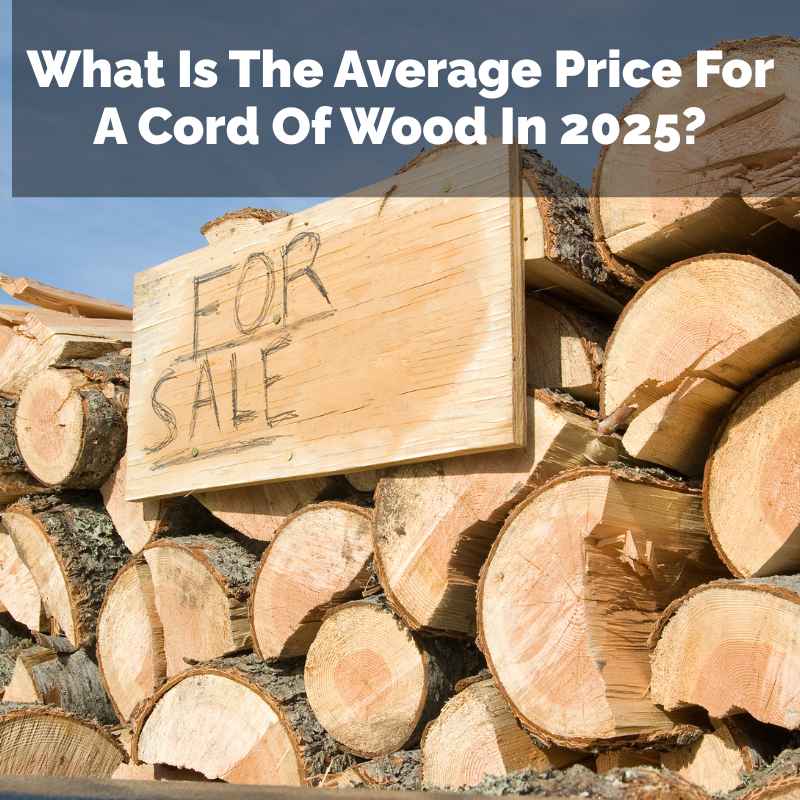
The average price for a cord of wood in 2025 generally ranges from $200 to $400. This cost depends on wood type, quality, delivery fees, and your location. Seasoned hardwood is typically at the higher end of this spectrum.
Understanding the Cost of a Cord of Wood
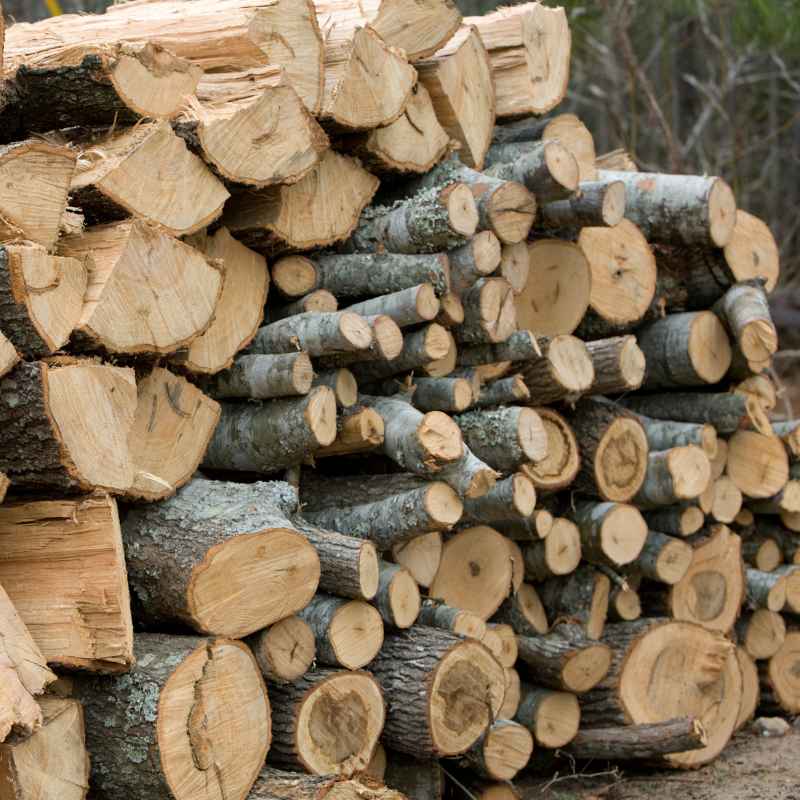
A cord of wood is a standard unit for buying firewood. It’s a big stack of wood. The standard size is 4 feet high, 4 feet wide, and 8 feet long.
This makes a total of 128 cubic feet. This is a lot of wood. It’s enough to heat many homes for a good part of the winter.
Many things can change how much you pay for this much wood. Think of it like buying other things. The quality matters.
So does where you buy it from. The time of year can also play a role. Understanding these points helps you make a smart choice.
You want to get good value for your money.
What Drives the Price of Firewood?
Several key factors influence the price you’ll see on a wood bill. Knowing these helps you understand why one price is different from another. It also helps you figure out if you are getting a good deal.
Type of Wood
Not all wood is the same. Some trees burn better and longer. Hardwoods like oak, maple, and ash are very popular.
They burn hot and slow. This makes them great for heating. They also produce fewer sparks.
Because they are in high demand, they often cost more.
Softwoods like pine and fir are easier to find. They burn faster and hotter. They also create more creosote, which can be bad for your chimney.
They are usually less expensive. They can be good for starting fires or for shorter burns. But for steady heat, hardwoods are usually preferred.
Seasoning or Drying Time
Wood needs to dry out before you burn it. This process is called seasoning. Freshly cut wood, called green wood, has a lot of water.
Burning wet wood is not good. It smokes a lot. It doesn’t produce much heat.
It can also damage your chimney over time.
Seasoned wood has been left to dry for at least six months, often longer. Kiln-dried wood is dried in a special oven. This process is faster and more effective.
It makes the wood very dry. It burns cleaner and hotter. Seasoned wood, especially kiln-dried wood, costs more.
This is because it takes time and effort to dry it properly.
Delivery and Distance
Most people don’t cut and stack their own firewood. You usually need it delivered. Delivery is a big part of the cost.
The farther the wood has to travel, the more the delivery will cost. Some wood sellers offer free delivery if you are close by. Others charge a fee based on miles.
Also, think about how the wood is delivered. Is it dumped in your driveway? Or is it stacked neatly where you want it?
If they stack it for you, that often costs extra. This service takes more time and labor.
Local Market Conditions
Prices can change a lot from one area to another. In rural areas where wood is plentiful, prices might be lower. In cities or suburbs, where land is more expensive and wood is harder to get, prices can be higher.
Supply and demand also play a big role. If there’s a very cold winter, more people want wood. This can drive prices up.
The local economy matters too. If people have more money, they might be willing to pay more for good firewood. If the economy is slow, prices might stay lower.
The cost of labor for cutting and stacking wood also changes by region.
Quality and Preparation
You can buy wood in different forms. Some people buy logs they have to cut and split themselves. This is the cheapest option.
Others buy wood that is already cut into fireplace-sized pieces. Some sellers even split the logs for you. This service adds to the cost.
The cleanliness of the wood also matters. Some wood might have dirt, bark, or even bugs. Good quality firewood should be clean and ready to burn.
You pay more for wood that is well-prepared and inspected.
Wood Types at a Glance
Hardwoods: Oak, Maple, Ash, Birch
Pros: Burn long and hot, less smoke, best for steady heat.
Cons: More expensive, can be harder to find.
Softwoods: Pine, Fir, Cedar
Pros: Cheaper, burn fast and hot, good for starting fires.
Cons: Burn quickly, more creosote, less heat over time.
Personal Experience with Wood Prices
I remember my first winter in our new home. It had a beautiful stone fireplace. I was excited to use it.
I figured buying firewood was simple. I called the first number I found in a local ad. The price seemed okay.
But when the truck arrived, it was a small pile. It was mostly soft, wet wood. It smoked more than it heated.
I learned a hard lesson that day. You can’t just buy any wood. The next year, I did my homework.
I talked to neighbors. I looked at different sellers online. I learned about hardwood versus softwood.
I found out about seasoned wood. I even visited a wood yard to see the stacks myself. It took more effort.
But the wood I got was amazing. It burned hot and clean for hours. It made the whole house cozy.
That experience taught me that knowing about wood really matters.
Wood Seasoning Levels
Green Wood: Freshly cut, very high moisture. Not good for burning. Smokes and heats poorly.
Seasoned Wood: Dried for 6+ months. Moisture content around 20%. Burns well.
Kiln-Dried Wood: Dried in an oven. Moisture content below 20%. Burns hottest and cleanest.
Most expensive.
Typical Price Ranges for 2025
Let’s get into the numbers. Based on trends and what experts expect for 2025, here are some average price ranges for a full cord of seasoned hardwood. Remember, these are just estimates.
Your exact price will vary.
Hardwood Prices
For good quality, seasoned hardwood, expect to pay between $250 and $400 per cord in 2025. Oak and maple are usually at the higher end of this range. They are very dense and burn for a long time.
Ash is also a popular choice and falls in this range.
If you’re looking for kiln-dried hardwood, the price can go up. You might see prices from $300 to $450 or even more. This is for wood that is ready to burn right away.
It offers the best burning experience.
Softwood Prices
Softwoods are typically cheaper. A cord of seasoned softwood might cost you between $200 and $300. Pine and fir are common.
They are great for getting a fire started quickly. But they don’t last as long as hardwoods.
If you are on a tight budget, softwoods can be a good option. Just be aware of their downsides. You might need to refuel your fire more often.
You’ll also need to be more diligent about chimney cleaning.
Factors Affecting Your Specific Price
Think about these specific costs that might add up:
Cost Breakdown Snapshot (Estimated for 2025)
Delivery fees can add $25 to $100 or more, depending on distance. If you want the wood stacked, this could be another $20 to $50. Buying smaller amounts also means a higher per-cord price.
Bulk purchases are usually cheaper.
Real-World Context: Where and When to Buy
The location where you buy your wood can make a big difference. For example, if you live in a state with lots of forests, like Maine or Oregon, you might find lower prices. Local sawmills or independent woodcutters are often good sources.
In areas where wood is scarcer, like parts of California or Arizona, prices can be much higher. You might be paying more for the transportation costs alone. It’s always a good idea to compare prices from a few different suppliers in your immediate area.
The time of year you buy wood also matters. Buying wood in the spring or early summer, before the heating season really kicks off, can sometimes get you a better deal. Sellers want to move their inventory.
They might offer discounts to clear out stock. Buying wood in late fall or winter, when demand is highest, usually means paying peak prices.
Buying Smart: Location & Timing
Best Locations: Areas with abundant forests, local sawmills, independent woodcutters.
Higher Cost Locations: Urban areas, regions with less timber, places with high delivery costs.
Best Timing: Spring and early summer (off-season deals).
Peak Season: Late fall and winter (highest demand, highest prices).
What This Means for Your Heating Budget
Knowing the average price helps you plan your budget. If you use wood as your primary heat source, a cord of wood is a significant expense. For a cold winter in the Northeast, a home might use anywhere from 3 to 10 cords of wood.
This means your wood bill could be $600 to $4,000 or more.
If you only use wood for ambiance, like for a few hours on a weekend, you might only need a few bags or a quarter cord. The cost will be much lower. It’s important to estimate your needs accurately.
This helps you avoid overspending or running out of wood when you need it most.
Consider the efficiency of your fireplace or wood stove. A modern, EPA-certified wood stove is much more efficient. It uses less wood to produce more heat.
An old, leaky fireplace can waste a lot of energy. Upgrading your heating appliance could save you money on wood in the long run. It’s also better for the environment.
Budgeting Your Wood Needs
Estimate Your Usage: How cold are your winters? How often will you use the fire?
Calculate Costs: Multiply estimated cords needed by the average price per cord in your area.
Consider Efficiency: A good wood stove saves fuel. Check EPA certification.
Factor in Extras: Don’t forget delivery and stacking fees.
Quick Tips for Saving Money on Firewood
You can often find ways to lower your firewood costs. Here are some practical tips:
- Buy in Bulk: Purchasing a full cord is usually cheaper per cubic foot than buying smaller amounts.
- Buy Off-Season: As mentioned, spring and summer often have better prices.
- Do Some Work Yourself: If you have the time and tools, buying logs to split yourself is the cheapest option.
- Compare Suppliers: Get quotes from several local firewood dealers.
- Ask About Deals: Some sellers offer discounts for first-time buyers or repeat customers.
- Check for Local Resources: Sometimes, there are community wood banks or programs that can help.
- Look for Hardwood Scraps: Sawmills might sell cheaper scraps of hardwood that are good for burning.
Also, consider trading services. If you have a skill or product someone needs, you might be able to trade for firewood. It’s worth exploring local networks.
Frequently Asked Questions About Firewood Prices
What is the cheapest type of firewood?
Generally, softwoods like pine and fir are the cheapest. However, they burn faster and produce less heat over time compared to hardwoods. Buying logs to split yourself is also a very cost-effective option if you have the equipment.
How much does delivery cost for a cord of wood?
Delivery costs can vary widely. Expect to pay anywhere from $25 to $100 or more. This depends on the distance from the seller to your home and whether they offer special placement or stacking services.
Is it worth buying kiln-dried firewood?
Kiln-dried firewood is more expensive. But it burns hotter, cleaner, and starts easily. It also has very low moisture content.
If you prioritize a good burn and less chimney maintenance, it can be worth the extra cost.
When is the best time to buy firewood for the next winter?
The best time is usually during the off-season, which is spring and early summer. Sellers often have more inventory and are looking to clear it out before the busy fall and winter months. This can lead to better pricing.
What are the dangers of burning unseasoned wood?
Burning unseasoned (green) wood is not recommended. It produces a lot of smoke and creosote. Creosote is a tar-like substance that can build up in your chimney and cause dangerous chimney fires.
It also produces less heat and can be frustrating to keep lit.
How can I tell if firewood is properly seasoned?
Seasoned wood usually has cracks at the ends of the logs. It also sounds hollow when you knock two pieces together. The bark might be loose or peeling.
The wood will feel lighter than green wood and will not have a strong fresh-cut smell.
Conclusion: Making the Right Choice for Your Wood Needs
Understanding the average price for a cord of wood in 2025 is key. It helps you budget and make smart buying decisions. Remember that prices vary based on wood type, seasoning, delivery, and your location.
By doing your research and shopping around, you can find good quality wood at a fair price.
You can stay warm and cozy without breaking the bank. Focus on getting the right type of wood for your needs. And always look for seasoned or kiln-dried options for the best experience.
Happy burning!
Sponsored / affiliate links. As an Amazon Associate I earn from qualifying purchases. I may earn additional commission from eligible campaigns.