Can Treated Wood Be Used Indoors? Yes — Except These 3 Places
Modern pressure-treated wood (ACQ, MCQ, or copper azole) is EPA-registered and safe for most indoor structural uses, like a sill plate resting on a concrete slab — but it should never touch food, like a cutting board or countertop. Using it there risks slow chemical transfer onto food and skin. This guide covers which indoor uses are approved, which to avoid, and the handling precautions that actually matter.
Quick Answer
Yes, for structural uses like sill plates on concrete or framing in damp areas — modern copper-based treated lumber (ACQ, copper azole) is EPA-registered for this. No, for cutting boards, countertops, or anything in direct, repeated contact with food or skin — use natural wood, engineered wood, or borate-only treated lumber there instead.
Types of Treated Wood: What Changed Since CCA
Older pressure-treated lumber used chromated copper arsenate (CCA), an arsenic-based preservative. Manufacturers voluntarily stopped using CCA in most residential lumber effective December 31, 2003, though it still exists in older decks, foundations, and some non-residential uses. If your indoor or outdoor structure predates 2004, it may still contain CCA-treated wood.
Today’s treated lumber almost always uses copper-based preservatives instead — alkaline copper quaternary (ACQ), micronized copper quaternary (MCQ), or copper azole (CA-C). These are EPA-registered for residential and consumer use, including raised garden beds and interior framing in damp areas. A separate category, borate-only (AWPA Use Category UC1) treated wood, is intended specifically for interior, dry applications and direct handling. See our full treated wood guides for related projects.
Where Treated Wood Is Approved for Indoor Use
The most common approved indoor use is the sill plate (bottom plate) of a wall — the horizontal board that sits directly on a concrete slab or foundation. Building codes typically require treated lumber here because concrete holds moisture that would rot untreated wood over time. Treated lumber is also commonly used for floor joists and subfloor framing in basements and other consistently damp interior spaces.
- Sill plates and bottom plates resting on concrete or masonry
- Basement floor joists and subfloor framing in damp conditions
- Structural framing members not in direct, repeated contact with skin or food
Where NOT to Use Treated Wood Indoors
Treated wood should never be used for cutting boards, countertops, or any surface with direct, repeated food contact — the preservative can transfer in small amounts with skin contact or abrasion. It’s also a poor choice for children’s furniture, toy boxes, or anything that will be chewed or mouthed. For these applications, choose naturally durable species, untreated hardwood, or borate-only (UC1-rated) treated lumber instead — see the difference between treated and untreated wood for more on when each makes sense.

Best Dust Respirator Pick for Cutting Treated Wood
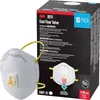
3M 8511 N95 Cool Flow Valved Respirator (10-Pack) – $19.99
A NIOSH-approved N95 respirator for exactly the situation covered above — cutting or sanding treated lumber indoors where sawdust containing the preservative can build up in the air.
- Best for: Cutting or sanding treated lumber indoors or in an unventilated garage
- Why we picked it: Cool-flow valve makes extended wear more comfortable during a full project
- Main drawback: Disposable — not reusable across many projects
Compare more respirator options
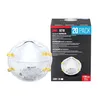 Option 1 3M 8210 N95 Performance Respirator (20-Pack) – $21.99
|
 Option 2 9116 Particulate Respirator Dust Mask (10-Pack) – $14.14
|
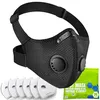 Option 3 Base Camp M Pro Reusable Dust Respirator – $22.99
|
As an Amazon Associate we earn from qualifying purchases.
Handling and Ventilation Precautions
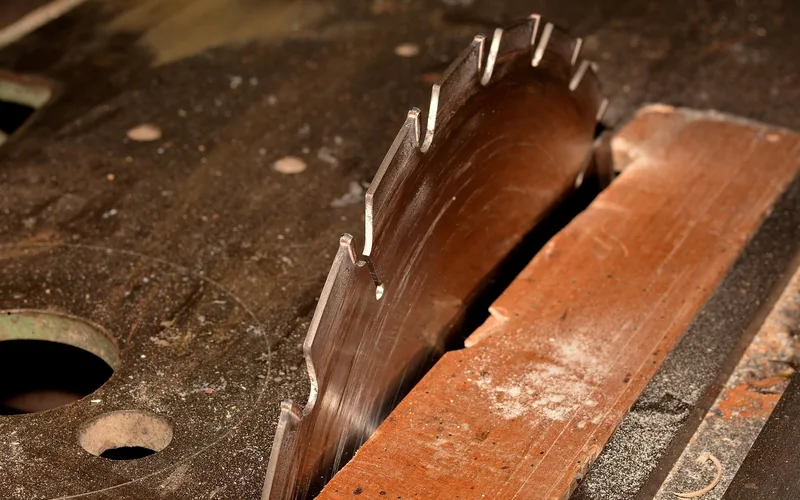
Whenever you cut, sand, or drill treated wood, the preservative can be present in the dust. Cut outdoors when possible; if you must cut indoors, run a shop vacuum or dust collector at the cut and wear an N95 or better respirator. Wash your hands before eating, drinking, or smoking, and launder work clothes separately from other laundry.
For any treated wood used indoors long-term — framing, subfloor, sill plates — ventilation during and immediately after installation reduces any off-gassing. This matters most with freshly treated lumber; wood that has already dried and cured for weeks presents much lower exposure than a board straight from the lumber yard.
- Cut and sand outdoors, or run dust collection if you must work indoors
- Wear an N95 or better respirator while cutting or sanding
- Wash hands before eating, drinking, or smoking after handling
- Ventilate the room during and after installation of any indoor treated lumber
📊 CCA (arsenic-based) preservative was voluntarily phased out of virtually all residential lumber effective December 31, 2003 — but it’s still present in decks, foundations, and framing built before that date. — Source: EPA, Chromated Arsenicals (CCA)
“Modern copper-based preservatives like ACQ and copper azole are registered by the EPA for residential and consumer use, including framing in damp interior areas — but they were never evaluated or approved for direct, repeated food contact.”
Alternatives for Food-Contact and Children’s Projects
For cutting boards, countertops, indoor planters that touch soil you’ll garden in, or children’s furniture, skip treated lumber entirely. Naturally rot- and insect-resistant species like cedar or white oak, untreated hardwoods such as maple or birch, and borate-only (UC1-rated) treated lumber are all safer choices for surfaces that get direct hand or food contact.
| Application | Best Choice |
|---|---|
| Cutting board / countertop | Untreated hardwood (maple, walnut) — never treated lumber |
| Children’s furniture or toy box | Untreated hardwood or naturally durable species |
| Sill plate on concrete | ACQ or copper azole treated lumber |
| Indoor damp-area framing | ACQ, copper azole, or borate (UC1/UC2) treated lumber |
If you’re unsure whether a board in your home is treated at all, our guide to identifying treated wood covers the stamp codes and visual cues to look for. And if you’re deciding whether to seal any treated lumber you do use indoors, see our sealing guide for when it actually helps.
Frequently Asked Questions
Is treated wood safe for indoor use?
Modern copper-based treated wood (ACQ, copper azole) is EPA-registered and safe for indoor structural uses like sill plates and damp-area framing. It is not safe for cutting boards, countertops, or other direct food-contact surfaces.
What are the benefits of using treated wood indoors?
Treated wood resists decay, insects, and moisture, which matters most where indoor lumber sits on concrete or in a consistently damp area, like a basement. Structural framing lasts longer and needs less repair than untreated wood in those specific conditions.
What precautions should I take when using treated wood indoors?
Cut and sand outdoors when possible, wear an N95 respirator if you must cut indoors, wash your hands after handling, and ventilate the room during and after installation. Freshly cut treated wood carries more exposure risk than lumber that has already cured for several weeks.
Can treated wood be used for indoor furniture?
It can be used for structural furniture components not in direct food or extended skin contact, but avoid it for cutting boards, tabletops used for food prep, or children’s furniture — choose untreated hardwood or a naturally durable species for those instead.
Conclusion
Treated wood belongs indoors at the sill plate and in damp-area framing, where its EPA-registered copper-based preservative does the job it was designed for — not on a cutting board or a child’s toy box. Match the wood to the application, wear a respirator when cutting indoors, and reach for untreated hardwood anywhere food or skin will touch the surface repeatedly.
Sponsored / affiliate links. As an Amazon Associate I earn from qualifying purchases. I may earn additional commission from eligible campaigns.