Is Lacquer Thinner The Same As Paint Thinner? Real Answer
While often used interchangeably in casual conversation, lacquer thinner and paint thinner are not the same. They differ in their chemical composition, evaporation rates, and the types of coatings they are designed to work with. Lacquer thinner is a more aggressive solvent, primarily for lacquers, while paint thinner is a milder solvent for oil-based paints.
Understanding Lacquer Thinner and Paint Thinner
Let’s break down what each one is. Think of them like tools. You wouldn’t use a hammer to screw in a nail, right? It’s the same with solvents. They have specific purposes.
Lacquer thinner is a strong mix of solvents. It usually contains things like toluene, xylene, and methyl ethyl ketone (MEK). These are powerful chemicals. They are made to dissolve lacquer. Lacquers are special finishes. They dry very fast. They also form a hard, shiny layer. Because lacquers dry so fast, they can crack or get cloudy. This is called blushing. Lacquer thinner helps prevent this. It evaporates slowly enough. This lets the lacquer dry evenly. It can also be used to clean spray guns. It’s good for removing dried lacquer paint too.
Paint thinner is also a solvent mix. But it’s usually milder. Common ingredients include mineral spirits or petroleum distillates. Sometimes it has naphtha. Its main job is to thin oil-based paints. It can also clean up oil-based paint tools. Because it’s milder, it evaporates slower than some other solvents. This is good for paints. It gives you more time to work. It helps the paint flow smoothly. It also makes the paint easier to apply evenly. It’s not as harsh as lacquer thinner.
Why the Confusion?
The confusion happens for a few reasons. First, they both smell strong and have similar colors. They are both liquids used to thin or clean. People see “thinner” and assume it’s all the same. Also, some older paint formulas might have been compatible with both. But modern finishes are more specialized. Using the wrong thinner can ruin the finish. It’s like using dish soap on your car. It might clean it a little. But it can also strip the wax and dull the paint.
The labels can also be a bit vague. Sometimes, “general purpose thinner” is used. This can lead people to grab the wrong bottle. Always check the specific product. Look at what it says it’s for.
The Core Difference: Solvent Strength
The biggest difference is how strong the solvents are. Lacquer thinner has strong solvents. These can dissolve tough coatings quickly. Think of it as a heavy-duty cleaner. It can get through tough stuff.
Paint thinner is a lighter-duty cleaner. It’s designed for less stubborn materials. It works well with oil-based paints. These paints are not as tough as lacquers. Paint thinner helps them spread out. It makes them flow better. It doesn’t attack the paint film as aggressively.
Evaporation Rate Matters
Another key difference is how fast they dry up in the air. This is called the evaporation rate. Lacquer thinner evaporates very fast. This is good for lacquers. It means the finish dries quickly. But if you use it on other types of paint, it can cause problems. It might dry too fast. This can lead to streaks. It can also make the paint surface rough.
Paint thinner evaporates more slowly. This is often a good thing. It gives you time to spread the paint. It helps the paint level itself out. This means a smoother finish. If you use paint thinner on lacquer, it might not thin it enough. The lacquer might not flow well. This could lead to a poor finish.
A Real-Life Mix-Up
I remember a time when I was helping a friend paint his shed. He had a can of old oil-based primer. He also had a can of what he called “general thinner.” We started painting. At first, it looked okay. But within minutes, the primer started to look strange. It was getting bumpy. It wasn’t spreading smoothly. It looked like it was curdling.
We stopped. I looked at the can he used. It was labeled “Lacquer Thinner.” He thought it was all the same. He used the strong stuff on the oil-based primer. The lacquer thinner was too aggressive. It was attacking the oil binder in the primer. It was making it break down. We had to scrape off the primer. Then we had to clean everything with mineral spirits. It was a long, frustrating afternoon. That mistake cost us a lot of time and extra work. It taught me to always double-check labels.
Lacquer Thinner: When to Reach for It
Lacquer thinner is your go-to for specific jobs.
Thinning Lacquers: This is its main job. If you are spraying or brushing lacquer, you will likely need lacquer thinner. It helps it spray on smoothly. It prevents drips.
Cleaning Up Lacquer: After using lacquer, clean your brushes, rollers, and spray equipment with lacquer thinner. It dissolves the sticky lacquer residue.
Removing Tough Coatings: Sometimes, you need a strong solvent to remove old, hardened paint or finishes. Lacquer thinner can be effective here. But test it first. It can damage some surfaces.
Degreasing Metal: Its strong cleaning power makes it good for degreasing metal parts before painting or welding.
What Lacquer Thinner Should NOT Be Used For
It’s important to know when not to use it.
Oil-Based Paints: Using lacquer thinner on oil-based paints is usually a bad idea. It can make them crack. It can cause them to become gummy. It can ruin the finish.
Latex or Acrylic Paints: These are water-based. Lacquer thinner won’t do much for them. It won’t thin them. It might even damage the plastic binders in the paint.
Sensitive Surfaces: Lacquer thinner can damage plastics, some types of wood finishes, and even certain metals. Always test in an inconspicuous area.
Paint Thinner: The Milder Choice
Paint thinner is for less demanding tasks.
Thinning Oil-Based Paints: This is its primary role. If you have oil-based enamel or alkyd paints, paint thinner is what you need. It helps achieve the right consistency.
Cleaning Oil-Based Paint Tools: Brushes, rollers, and trays used with oil-based paint should be cleaned with paint thinner. It dissolves the oil.
Cleaning Light Grease and Grime: It can be used for general cleaning of light oil and grease. But it’s not as strong as lacquer thinner.
When Paint Thinner Isn’t Enough
Lacquers and Fast-Drying Finishes: Paint thinner won’t work for lacquers. It won’t thin them. It won’t clean them up properly.
Heavy-Duty Cleaning: For dried-on paint or really tough grease, paint thinner might not be strong enough. You might need something more powerful.
The Chemistry Behind the Differences
Let’s peek at the chemistry. Solvents work by dissolving other substances. They have molecules that attract and break apart the molecules of the substance they are dissolving.
In lacquer thinner, you have solvents like toluene and xylene. These have aromatic rings in their structure. These rings make them very good at dissolving the resins in lacquers. MEK is also a powerful ketone solvent. It breaks down tough organic materials.
Paint thinner, like mineral spirits, is made of aliphatic hydrocarbons. These are simpler chains of carbon and hydrogen atoms. They are good at dissolving the oils and alkyds in oil-based paints. They are not as good at breaking down the more complex resins found in lacquers.
Think of it this way: lacquer resins are like a really tough knot. Lacquer thinner has strong fingers that can untie that knot. Paint thinner has softer fingers. It can loosen up some threads, but it can’t untie the tough knot.
Common Misconceptions to Avoid
Let’s clear up some common mistakes people make.
“All thinners are the same”: As we’ve seen, this is false. They have different strengths and uses.
“I can use paint thinner to clean up my lacquer spill”: You’ll likely be disappointed. Paint thinner won’t dissolve dried lacquer well. You’ll end up with a sticky mess.
“I can use lacquer thinner to thin my oil-based paint for a smoother finish”: This is risky. It can cause the paint to break down. It might bubble or peel.
Can You Mix Them?
Generally, you should avoid mixing lacquer thinner and paint thinner. They are different chemical families. Mixing them doesn’t create a better solvent. It could create an unpredictable mixture. It might not thin paint effectively. It could also lead to unexpected reactions or damage to your finish. If you need to clean up a tool that has both lacquer and oil-based paint on it, you’ll need to use one then the other. Clean the lacquer with lacquer thinner first. Then clean the oil-based paint with paint thinner.
What About “General Purpose Thinner”?
This is where things can get tricky. “General purpose thinner” can be a catch-all term. Some products labeled this way might be closer to paint thinner. Others might contain a mix of solvents. They are often designed for a range of common paints. But they are usually not as strong as dedicated lacquer thinner.
If you see “general purpose thinner,” always check the ingredients or the specific recommendations on the label. It’s often best to stick with the thinner recommended by the paint or finish manufacturer. When in doubt, read the can.
The Smell Factor: Safety First
Both lacquer thinner and paint thinner have strong fumes. These fumes can be harmful. They can also be flammable. Always use them in a well-ventilated area. Wear gloves to protect your skin. Wear safety glasses to protect your eyes. Avoid breathing the fumes directly. Keep them away from open flames or sparks.
If you’re working indoors, open windows and doors. Use fans to move air out. If the smell is overwhelming, take a break. Don’t push yourself. Your health is important.
Understanding Material Safety Data Sheets (MSDS/SDS)
For more detailed information on the safety of these chemicals, you can look up their Material Safety Data Sheets (MSDS) or Safety Data Sheets (SDS). These documents provide comprehensive information about the properties, hazards, and safe handling procedures for chemicals. You can usually find them on the manufacturer’s website.
When to Call a Professional
Sometimes, a project is more complex. You might be dealing with a delicate antique finish or a high-tech coating. In these cases, it’s always best to err on the side of caution. If you’re unsure about the right solvent to use, or if the material is very valuable, ask an expert. A paint store professional or a coatings specialist can offer guidance. It’s better to spend a little on advice than to ruin a project.
Real-World Applications: A Quick Guide
Let’s summarize where you’d likely use each one.
Toolbox Essentials: Lacquer Thinner vs. Paint Thinner
Lacquer Thinner:
- Primary Use: Thinning and cleaning lacquers.
- Solvent Strength: High.
- Evaporation: Fast.
- Good For: Spraying lacquers, cleaning lacquer spray guns, removing tough residues.
- Not Good For: Oil-based paints, latex paints.
Paint Thinner:
- Primary Use: Thinning and cleaning oil-based paints.
- Solvent Strength: Medium.
- Evaporation: Medium.
- Good For: Brushing or rolling oil-based paints, cleaning oil paint brushes.
- Not Good For: Lacquers, water-based paints.
Can You Use Paint Thinner to Clean a Lacquer Spill?
No, generally not. Paint thinner is not strong enough to dissolve dried lacquer effectively. You will end up with a sticky, gummy residue that is hard to remove. For lacquer spills, especially if they have started to dry, lacquer thinner is the appropriate cleaner. Always act quickly to clean up spills. The sooner you address it, the easier it will be to clean.
What Happens If You Use the Wrong Thinner?
The results can be messy and frustrating.
Consequences of Using the Wrong Thinner
Using Paint Thinner on Lacquer:
- Poor Flow: The lacquer won’t thin properly. It might not spray or brush well.
- Weak Finish: The lacquer might not cure correctly. It could be soft or peel.
- Difficult Cleanup: Paint thinner won’t clean tools effectively.
Using Lacquer Thinner on Oil-Based Paint:
- Paint Breakdown: The strong solvents can attack the paint binders. This causes the paint to bubble, wrinkle, or even dissolve.
- Surface Damage: It can eat through the paint film and damage the surface underneath.
- Uneven Drying: The paint may dry too fast, leading to streaks or a rough texture.
The Bottom Line: Read the Label!
The most important takeaway is to always read the label on your paint or finish product. The manufacturer will tell you exactly what thinner to use. They will also tell you what to use for cleanup. Don’t guess. Don’t assume. Check the can. It’s the simplest way to avoid costly mistakes.
If you’re unsure, a quick call to the paint store or a look at the product’s technical data sheet online can save you a lot of trouble. Manufacturers spend a lot of time testing their products. Their recommendations are the best guide.
Are There Other Types of Thinners?
Yes, there are many other types of thinners and solvents. Some common ones include:
Acetone: Very strong and evaporates extremely fast. Good for cleaning epoxy and some plastics.
Denatured Alcohol: Used for shellac and some inks.
MEK (Methyl Ethyl Ketone): A powerful solvent used in lacquers and adhesives.
VM&P Naphtha: A solvent that evaporates faster than mineral spirits but slower than lacquer thinner. Used for thinning some varnishes and cleaning.
Each of these has specific uses. They are not interchangeable.
When is Lacquer Thinner the Only Option?
Lacquer thinner is really the only good option when you are working with lacquers. This includes spray lacquers, brushing lacquers, and lacquer-based sealers. These finishes are chemically unique. They require the specific dissolving power of lacquer thinner to apply correctly and to cure properly. Trying to substitute anything else will likely lead to a compromised finish, if not a complete failure.
What About Water-Based Paints?
For water-based paints like latex or acrylics, you don’t use paint thinner or lacquer thinner at all. You use water! Water is the solvent for these paints. If you need to thin them, you add a little water. If you need to clean up, you use soap and water. Using chemical thinners on water-based paints will cause them to break apart, curdle, and become unusable.
The Role of Experience in Choosing Solvents
Over time, you develop a feel for these things. After years of painting and fixing things, you start to recognize what works. You learn from mistakes, like my shed incident. You see how different materials react. You start to trust the labels more.
But even experienced people can get caught out. New products come out. Formulas change. That’s why staying informed and checking labels is always a good habit. It ensures you’re using the right tool for the job, every time.
When is it Okay to Use a “Stronger” Thinner?
Sometimes, you might want to speed up drying time or get a smoother finish with certain oil-based paints. You might be tempted to use a solvent that’s a bit stronger than standard paint thinner. For instance, some people might use a mix that includes a small amount of xylene or naphtha with mineral spirits.
However, this is a risky game. The paint formulation is key. What works for one brand or type of oil-based paint might ruin another. The safest approach is always to use the thinner recommended by the paint manufacturer. If you want to experiment, do it on a scrap piece first.
Summary: Know Your Solvents
To wrap this up, it’s clear that lacquer thinner and paint thinner are distinct. They are designed for different jobs.
Lacquer thinner is strong. It’s for lacquers and tough cleaning.
Paint thinner is milder. It’s for oil-based paints and general cleanup.
Using the wrong one can lead to big problems. It can ruin your paint job. It can damage your tools. It can even damage the surface you are working on.
So, the next time you reach for a solvent, take a moment. Look at the label. Understand what you’re working with. Your projects will thank you for it. And you’ll save yourself a lot of headache and frustration.
Frequently Asked Questions
Can I use lacquer thinner to clean oil-based paint off a brush?
While lacquer thinner might break down some of the oil-based paint, it’s not the ideal cleaner. Paint thinner (mineral spirits) is specifically designed to dissolve oil-based paints and is much more effective and safer for your brush bristles. Using lacquer thinner might be too harsh.
Is paint thinner safe to use on plastic?
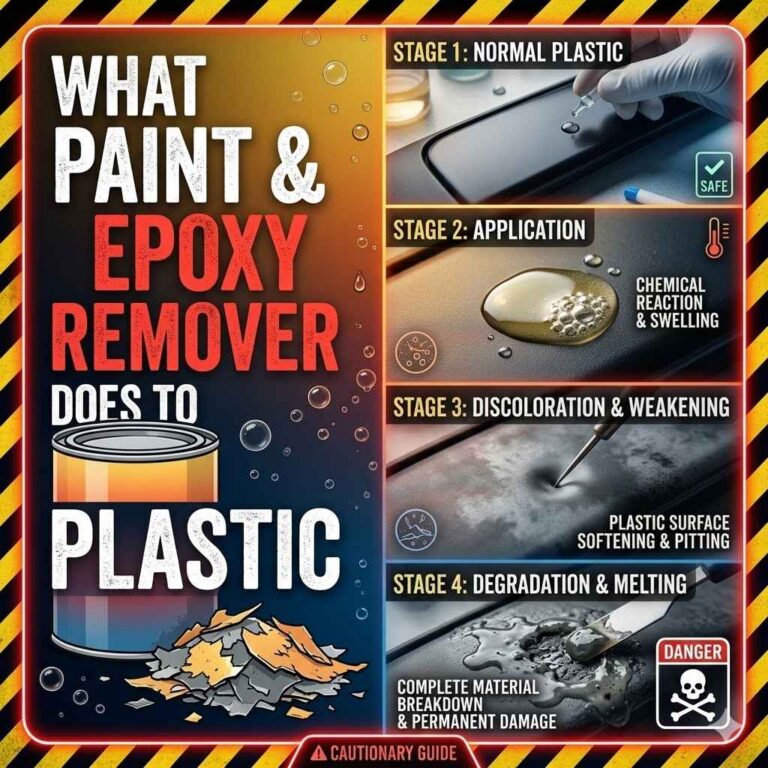
Many types of paint thinner can damage or melt certain plastics. It’s always best to test paint thinner on an inconspicuous area of the plastic first. Lacquer thinner is even more aggressive and is very likely to damage most plastics.
Does lacquer thinner evaporate faster than paint thinner?
Yes, generally lacquer thinner evaporates much faster than paint thinner. This quick evaporation is necessary for lacquers to dry properly without blushing. Paint thinner has a slower evaporation rate, which allows oil-based paints to flow and level out more smoothly.
Can I use acetone instead of lacquer thinner?
Acetone is a very strong solvent and evaporates extremely quickly. While it can sometimes be used for cleaning or thinning very specific coatings, it is usually too aggressive for general lacquer thinning. It can cause some lacquers to dry too fast and become brittle. Always refer to the manufacturer’s recommendations.
What is the main difference between lacquer thinner and paint thinner in terms of composition?
Lacquer thinner typically contains a blend of strong solvents like toluene, xylene, and MEK. Paint thinner, commonly mineral spirits, is made from petroleum distillates or naphtha. The solvents in lacquer thinner are much more potent and designed to dissolve lacquer resins, while paint thinner’s solvents are milder and target oils and alkyds.
If I accidentally use lacquer thinner on my oil-based paint, what should I do?
If you’ve used lacquer thinner on oil-based paint and notice it bubbling, wrinkling, or becoming gummy, stop immediately. You will likely need to remove the damaged paint. Clean the area thoroughly with the recommended paint thinner (mineral spirits) to remove as much of the affected paint as possible before repainting.
Final Thoughts
Understanding the differences between solvents like lacquer thinner and paint thinner is crucial for any project involving finishes. They are not interchangeable. By knowing their specific uses and properties, you can ensure the best results, protect your tools, and work safely. Always read the product labels and follow the manufacturer’s advice for the best outcome. Happy painting and thinning!
Sponsored / affiliate links. As an Amazon Associate I earn from qualifying purchases. I may earn additional commission from eligible campaigns.