How to Remove Painted Popcorn Ceiling Without the Mess
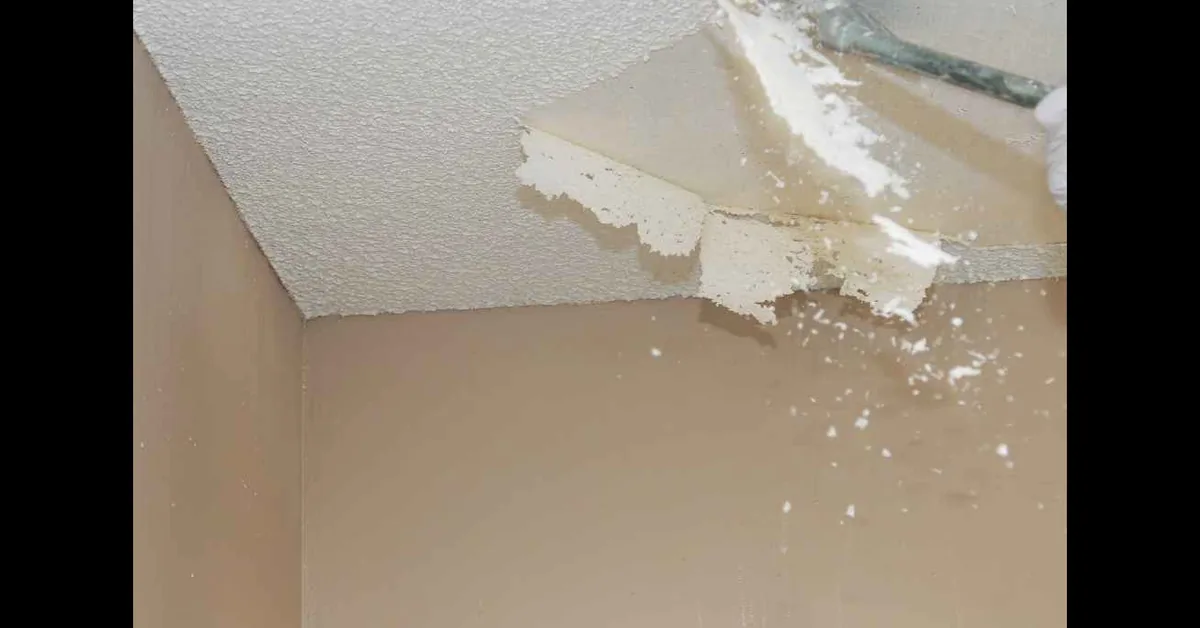
Painted popcorn ceiling texture removes cleanly only if you control the water and the dust — the paint seals the texture, so a light mist and a shallow-angle scrape work; a heavy soak just smears it into mud. Test for asbestos first if your home was built before 1980, since disturbing an asbestos-containing ceiling without testing is a real health risk. This guide covers safe testing, mess-controlled scraping in small sections, cleanup, and getting the bare ceiling ready for paint.
Quick Answer
Test for asbestos before you touch anything if your home was built before 1980, or possibly into the mid-1980s. If it’s clear, seal off the room with plastic sheeting, lightly mist a 3×3-foot section of ceiling with warm water, wait 5–10 minutes, then scrape at a shallow angle with a wide putty knife. Fold drop cloths inward to trap debris, vacuum with a fine-dust filter, then patch, sand, and repaint the bare ceiling.
Understanding Painted Popcorn Ceilings
Popcorn ceilings, also called acoustic ceilings, were common in homes for decades — they helped dampen sound and hid imperfections in the drywall or plaster underneath. Most original popcorn texture used paper or cardboard fibers, but many older mixes used asbestos, which is why testing is a mandatory first step, not an optional one.
Painting over popcorn texture changes the removal process. The paint acts like glue, sealing the material to the ceiling and to itself, which makes it heavier and harder for water to penetrate. Water or scraping alone often won’t work the same way it does on unpainted popcorn — you generally need to soften the paint film first, not just the texture underneath.
My Own Popcorn Ceiling Nightmare (and How I Learned)
I remember one Saturday morning, about five years ago, deciding it was finally time to deal with my living room’s faded, yellowed popcorn texture. I’d watched a few videos that made it look easy — just spray with water and scrape. Simple, right? Wrong.
I grabbed a garden sprayer, filled it with warm water, and misted a section of the ceiling. I waited a few minutes, put a drop cloth down, put on a mask and old clothes, and got out my putty knife. The first scrape was okay — a few chunks came down — but most of it just smeared. I tried more water, and it started dripping down the walls in little mud streaks.
Then came the dust. It wasn’t a controlled fall — it was a mini-avalanche that puffed out from under the drop cloth and landed on furniture I thought I’d covered. I ended up looking like a ghost, and my dog watched from the doorway looking completely terrified. That day taught me a lot about what not to do — namely, too much water at once, and scraping without sectioning the ceiling off into small, manageable areas.
Testing for Asbestos Before You Start
Popcorn ceiling asbestos testing is a lab process that confirms whether your texture contains asbestos fibers before you disturb it. Homes built before 1978 are the highest risk, since that’s when the EPA banned spray-applied texture coatings containing asbestos under the Clean Air Act — but installers could still use existing stock afterward, so ceilings applied into the mid-1980s can also test positive. If your home falls in that window, test before you scrape anything.
You have two options: a mail-in DIY test kit (take a small sample with the ceiling wet to limit fiber release, then send it to an accredited lab) or a licensed inspector who samples and tests it for you. A DIY kit is the cheaper route for a quick answer; a licensed inspector costs more but is the safer choice if you’re not confident collecting the sample yourself. Read more from Mesothelioma.com’s guide to asbestos in popcorn ceilings. If the test comes back positive, stop — don’t scrape it yourself. Hire a licensed asbestos abatement contractor.
The Essential Steps: Preparation is Key
Most people mess up here by skipping straight to scraping. Good prep work saves hours of cleanup later and keeps dust from spreading through the rest of your home.
Clear the room of furniture if you can, or push what’s left to the center and cover it completely. Cover the floor with canvas drop cloths (they won’t slide and absorb moisture better than plastic) and overlap the edges by several inches, taping them to the baseboards to stop debris from creeping under. Cover the top 3–4 feet of your walls with plastic sheeting taped along the ceiling line, and cover light fixtures and vents so dust doesn’t get into electrical parts or your HVAC system.
Wear old clothes, an N95 dust mask, and safety glasses — even with full coverage, dust gets everywhere.
Your Pre-Scraping Checklist
Gather your tools:
- Plastic sheeting or canvas drop cloths
- Painter’s tape
- Putty knife or drywall knife (6-inch wide is a good size)
- Pole scraper with a long handle (optional, helpful for high ceilings)
- Garden sprayer or pump sprayer
- Warm water and a bucket
- Ladder or sturdy scaffolding
- Safety glasses and an N95 dust mask
- Old clothes and gloves
- Heavy-duty trash bags
Prepare the room:
- Remove or cover all furniture
- Cover floors completely and tape edges to baseboards
- Cover walls and fixtures
- Ensure good ventilation but avoid strong drafts that spread dust
Best Popcorn Ceiling Removal Kit
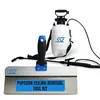
Popcorn Ceiling Removal Tool Kit (14in Scraper + Sprayer) – $34.99
Pairs a wide low-angle scraper with a pump sprayer sized for the light-mist, small-section technique this guide walks through — no separate sprayer purchase needed.
- Best for: A first-time DIY popcorn ceiling job, one room
- Why we picked it: Matched scraper width and sprayer in one purchase
- Main drawback: Standard blade, not vacuum-attached for dust control
Compare more popcorn ceiling removal tools
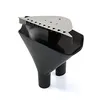 Option 1 Popeeze PRO Vacuum Scraper – $44.99
|
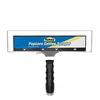 Option 2 Homax 6104 Scraper – $21.97
|
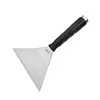 Option 3 Chili Tools Pole Scraper – $20.50
|
As an Amazon Associate we earn from qualifying purchases.
The Smear-Resistant Scraping Technique
The key to painted popcorn is not blasting it with water. Paint makes it tough, and you only need to soften it enough — too much water and it gets mushy and drips everywhere; too little and it won’t budge. Start with warm water in your sprayer and lightly mist a 3×3-foot section. Wait 5–10 minutes so the water soaks in without drenching the drywall underneath.
Hold your putty knife or scraper at a shallow angle — about 20–30 degrees — and push it forward to get under the edge of the popcorn. If it’s softened enough, it should peel away in overlapping strokes without gouging the drywall. If it’s not coming off easily, don’t force it; re-mist the same spot and wait a few more minutes before trying again. Direct the falling material onto your drop cloths and work one section at a time so the process stays manageable.
Scraping Tips for Painted Popcorn
- Angle is everything: hold the scraper at a low angle to lift the material without digging into the drywall.
- Gentle pressure: use light, steady pressure and let the water do most of the work.
- Small sections: work about 3×3 feet at a time so the water doesn’t dry out before you scrape.
- Overlapping strokes: scrape in overlapping motions to get all the material in one pass.
- Test first: always test your water-to-scraping timing on an inconspicuous area first.
Dealing with Stubborn Spots and Adhesives
See our full paint removal and cleaning guides for more on stubborn coatings elsewhere in the house. Sometimes parts of the popcorn won’t budge no matter how much water you use — usually because the paint is unusually thick or a special adhesive was used underneath. For tough spots, a drywall knife with a swivel head reaches awkward angles, and a pole scraper with a long handle lets you cover more area with even pressure from a distance (be careful, since these can gouge drywall if used incorrectly).
A wallpaper scoring tool can also help — gently score the painted popcorn to create tiny holes that let water penetrate deeper, without pressing hard enough to damage the drywall paper below. If you suspect old adhesive, water alone might not cut it; some adhesives are water-resistant, so you may need a specialized adhesive remover. Test any chemical product in a small spot first, confirm it’s rated safe for drywall, and ventilate the room well. If a spot is truly impossible to remove without major damage, plan to skim it with joint compound later rather than gouging the drywall trying to force it off.
Cleaning Up the Aftermath: The Dust Buster
Once you’re done scraping, fold your drop cloths inward to trap the debris before carrying them straight to trash bags — try not to shake them, and seal the bags tightly. Use a shop vac with a fine dust filter on the floor and drop cloths, then vacuum the entire floor area, paying close attention to corners and edges.
Damp-wipe every surface — baseboards, window sills, any furniture left in the room, and the walls themselves, working top to bottom with a sponge or microfiber cloth and rinsing it often. Damp wiping traps fine particles far better than dry dusting does. Don’t forget light switches and outlet covers. Once you’re done, carefully fold down any plastic sheeting from the walls and dispose of it with the trash, then open windows to air the room out.
Dealing with the Naked Ceiling: What’s Next?
Once the popcorn is gone, expect a bit of roughness — minor gouges or uneven spots are normal. Inspect the surface for imperfections and fix small scrapes or holes with joint compound applied using a drywall mud knife, spread thin, then left to dry completely before sanding.
For a truly smooth finish, you may need a full skim coat — a very thin layer of joint compound over the entire ceiling, sometimes called “mudding.” It takes practice; if you’re not comfortable with it, our guide on smoothing textured surfaces without heavy sanding covers a lower-effort alternative, or you can hire a drywall professional for this one step.
Once all patches are dry, sand with fine-grit sandpaper (a sanding pole makes ceiling work easier), wearing your dust mask and safety glasses until the surface feels smooth. Wipe the ceiling down again with a damp cloth to remove sanding dust, then prime the bare drywall before painting — two coats of a quality ceiling paint is usually the right finish.

Post-Scrape Ceiling Makeover Checklist
- Inspect for damage: look closely for scrapes, gouges, or uneven areas.
- Patch and repair: use joint compound to fill small holes, and let it dry fully.
- Sand smooth: gently sand patched areas and the whole ceiling until it feels smooth.
- Prime and paint: apply a quality primer, then two coats of ceiling paint for a fresh, modern look.
When to Call a Professional
Removing painted popcorn ceilings can be a DIY project, but there are times it’s smarter to hire someone. If your home was built before 1980 (or possibly into the mid-1980s), have the ceiling tested before you touch it — if the test is positive, you need a licensed asbestos abatement company, not a DIY scrape. Even without asbestos, consider hiring a pro for very high ceilings, large or multiple rooms, or if there’s significant water damage or structural issues that need assessment beyond a simple scrape.
📊 Professional popcorn ceiling removal typically runs $1–$6 per square foot, or around $2,008 on average for a full project — asbestos remediation, if needed, adds roughly $5–$20 per square foot on top of that. — Source: Angi, 2026
“The first scrape was okay — a few chunks came down — but most of it just smeared because I’d used too much water at once. Working small, 3×3-foot sections with a light mist instead of a heavy soak is what actually stopped the mess on the rest of the ceiling.”
Frequently Asked Questions About Painted Popcorn Ceilings
Is it safe to remove painted popcorn ceilings myself?
It can be, if you take proper precautions. The biggest concern is asbestos in homes built before 1980 (or into the mid-1980s in some cases) — always test before starting. If the test is clear, wear protective gear, control dust with small wet sections, and keep the room ventilated.
How long does it take to remove painted popcorn ceilings?
For a standard 10×12 foot room, plan on 4–8 hours for scraping and cleanup, plus additional time for patching, sanding, priming, and painting. A professional crew typically completes just the removal in 1–2 days for a similar-sized job.
What’s the best way to control the dust?
Seal the room with plastic sheeting and drop cloths, fold them inward when you’re done to trap debris, and vacuum with a shop vac fitted with a fine or HEPA filter. Damp-wipe every surface afterward, since dry dusting just moves fine particles around instead of removing them.
Can I use a power sander on the ceiling after scraping?
You can, but be careful — a power sander easily removes too much drywall material or leaves deep scratches. Hand sanding with a pole sander is usually safer for beginners. Wear a good dust mask and safety glasses either way.
What if the paint makes the popcorn too hard to scrape?
Mist the ceiling with warm water and let it soak longer — 10–15 minutes instead of 5–10. You can also gently score the painted surface with a scoring tool to help water penetrate deeper. Don’t force the scraper; forcing it is what damages the drywall.
Will removing painted popcorn damage my drywall?
It’s possible if you scrape too aggressively or use too much water at once, which can damage the drywall paper. Minor damage patches easily with joint compound; significant damage may need more extensive repair or replacement of drywall sections.
Can I use a chemical ceiling texture remover instead of water?
Yes, for stubborn painted areas where water alone isn’t softening the texture. Chemical strippers made for ceiling texture can cut through a thick paint seal, but they need good ventilation, protective gear, and a small test patch first to confirm the product is safe on your specific drywall and won’t affect any finish you plan to apply afterward.
Conclusion
Removing a painted popcorn ceiling takes patience, but controlling the mess comes down to two things: testing for asbestos first, and working small, lightly-misted sections instead of soaking the whole ceiling at once. Prep the room well, scrape in 3×3-foot areas, contain the debris as you go, and you’ll get a smooth, modern ceiling without the dust cloud that catches most first-timers off guard.
Sponsored / affiliate links. As an Amazon Associate I earn from qualifying purchases. I may earn additional commission from eligible campaigns.