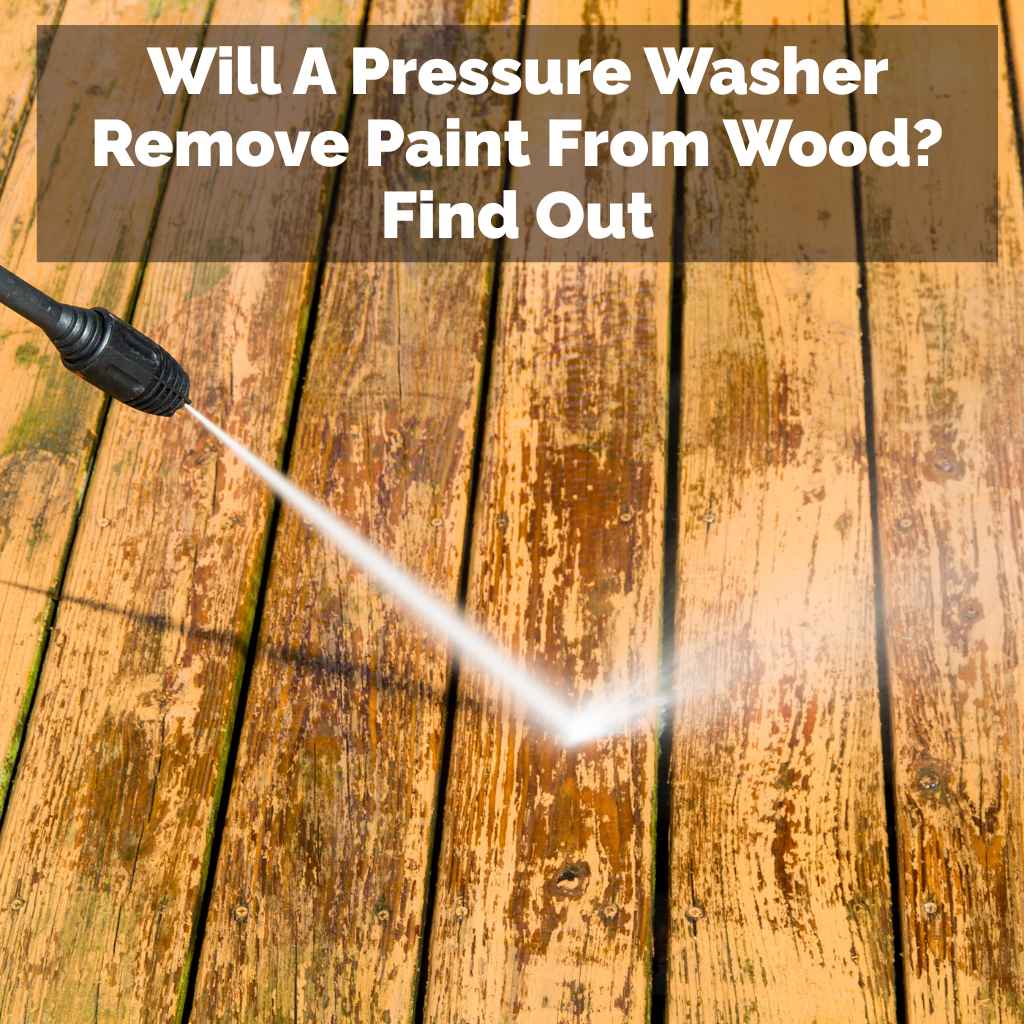
Will A Pressure Washer Remove Paint From Wood? Find Out
You see them advertised everywhere. Powerful machines that can blast away dirt, grime, and tough stains. The thought of skipping hours of scraping and sanding feels incredibly tempting. But will this powerful tool actually work for paint removal on wood? And more importantly, will it do more harm than good?
Let’s dive into this and figure out what’s really going on when you point a pressure washer at painted wood. We’ll explore the potential and the pitfalls so you can make the best choice for your home and your project.
A pressure washer can remove paint from wood, but it’s a risky method. The high-pressure water can easily damage the wood’s surface, causing it to splinter, gouge, or become fuzzy. It’s often too aggressive for delicate wood, leading to costly repairs. Safer methods are usually recommended.
Understanding Pressure Washing and Wood
Pressure washers use a powerful stream of water. This stream is forced out at high speed. Think of it like a super-powered garden hose. The goal is to strip away unwanted materials. This can include dirt, mud, loose paint, and mildew.
Wood, on the other hand, is a natural material. It has a grain and can be quite soft. Its structure can be easily affected by force. When you combine high-pressure water with soft wood, you run into problems quickly.
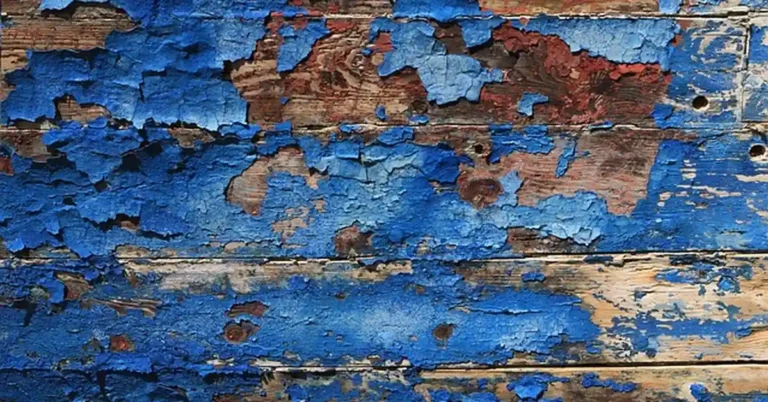
The paint itself acts as a protective layer. When it’s intact, it shields the wood. But once that layer is broken or starts to peel, the water can get underneath. Then, it starts to lift the paint. It can also dig into the wood itself.
My Own Pressure Washing Adventure
I remember when I first got my hands on a decent pressure washer. My wooden deck was looking pretty sad. Years of sun and rain had taken their toll. The paint was flaking everywhere. I thought, “This is it! My deck will be like new in an afternoon!”
I set it up, chose what I thought was a safe nozzle, and aimed it at a corner. At first, it looked like magic! The old paint just blasted away. I was so excited. But then I noticed something. The wood underneath wasn’t smooth anymore. It looked. fuzzy. Almost like it had been rubbed with sandpaper, but not in a good way.
Panic set in. I had done this to a small section, and I could already see the damage. The grain was raised. Some spots looked almost like they were split. I had to stop. My dream of a quick deck refresh turned into a lesson in caution. I spent the next week using gentler methods to fix the mess and then properly prep the wood.
Pressure Washing Paint Risks
Wood Damage: The high pressure can gouge, splinter, and erode the wood’s surface. This is especially true for softer woods or older, weathered wood.
Fuzzy Texture: The water can lift the wood fibers, leaving a rough, fuzzy texture that is hard to fix.
Water Intrusion: High pressure can force water deep into the wood. This can lead to rot and mold issues later.
Uneven Results: It’s very hard to control the pressure evenly. You might blast some paint off but leave other bits behind, creating a messy look.
When Pressure Washing Might Seem Okay (But Still Risky)
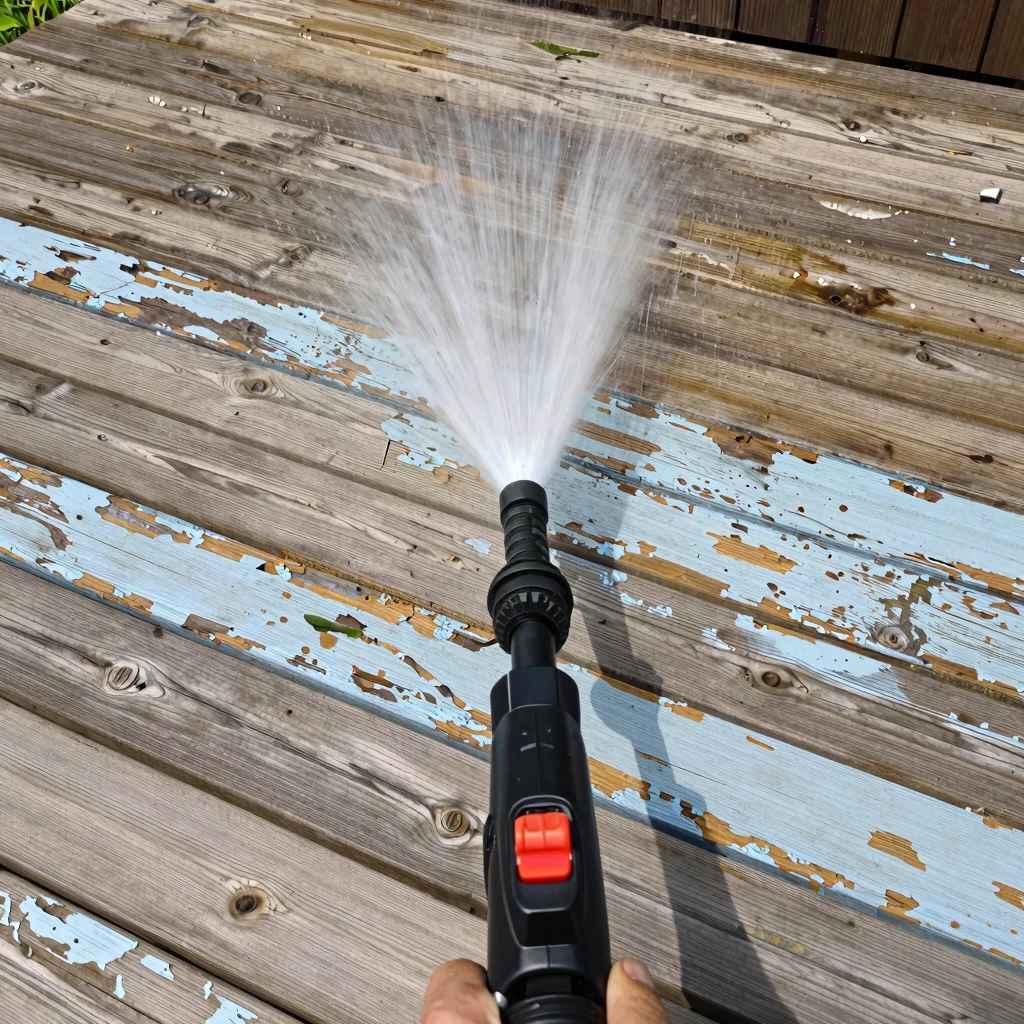
There are times when a pressure washer might seem like a good idea. This is usually when the paint is already in very bad shape. We’re talking about paint that’s almost completely gone. Or maybe it’s very old, loose paint that’s bubbling up everywhere.
In these cases, the pressure washer might be able to knock off some of the very loose flakes. However, even then, it’s a delicate balance. You have to use the lowest possible pressure setting. You also need to use a wide fan nozzle. This spreads the water out more.
The distance you hold the wand from the wood matters a lot. Keeping it further away reduces the impact. But this also means it takes much longer to remove paint. You are still running a high risk of damaging the wood fibers beneath.
You might hear people say they’ve done it successfully. They often have newer, harder wood. Or they were lucky. But for most wood surfaces, especially older decks or fences, it’s a gamble. The cost of fixing damaged wood is often much higher than the time saved.
Pressure Washer Settings to Consider (Use with Extreme Caution!)
- PSI (Pounds per Square Inch): Aim for the lowest possible setting, ideally below 1500 PSI for most wood.
- GPM (Gallons Per Minute): Lower GPM can mean less force, but also less cleaning power.
- Nozzle Type: Always use a wide-angle fan nozzle (e.g., 25-degree or 40-degree). Never use a zero-degree (red) or 15-degree (yellow) nozzle on wood.
- Distance: Keep the nozzle at least 18-24 inches away from the wood surface.
- Technique: Move the wand constantly in a sweeping motion. Do not linger on any one spot.
Real-World Context: Where Paint Removal is Toughest
Different types of wood react very differently. Softwoods like pine or fir are much more vulnerable. Their fibers are not as dense. This makes them easy to damage with high water pressure.
Hardwoods, such as oak or mahogany, are tougher. They can withstand more pressure. However, even they can be damaged. Plus, these woods are often used for more detailed work or fine furniture, where damage is even less acceptable.
The age of the wood also plays a big role. Older wood has often been exposed to the elements for years. It can be brittle or weakened. New wood is generally stronger, but still needs care.
Consider the surface itself. A flat deck board is one thing. But what about intricate trim, a porch railing, or the siding on your house? These areas have more detail. They are harder to clean evenly. You risk damaging detailed edges or carvings.
Think about the climate. In humid areas, wood can absorb more moisture. This can make it softer and more prone to damage. In very dry climates, wood can become brittle and crack easily under pressure.
Safer Ways to Remove Paint from Wood
Since pressure washing is so risky, what are the better options? Luckily, there are several effective methods. They take more time but preserve your wood’s integrity. This is crucial for a good-looking and long-lasting finish.
One of the most reliable ways is manual scraping. You use a stiff putty knife or a paint scraper. It’s slow work, but you have total control. You can feel the paint coming off without digging into the wood.
For tougher jobs, sanding is key. You can use sandpaper by hand, sanding blocks, or an orbital sander. Start with a coarser grit paper to remove the bulk of the paint. Then, move to a finer grit to smooth the surface.
There are also chemical paint strippers. These come in liquid, gel, or paste forms. You apply them to the painted surface. They soften the paint. Then, you can scrape it off much more easily. Always follow the product’s safety instructions carefully. Wear gloves and eye protection.
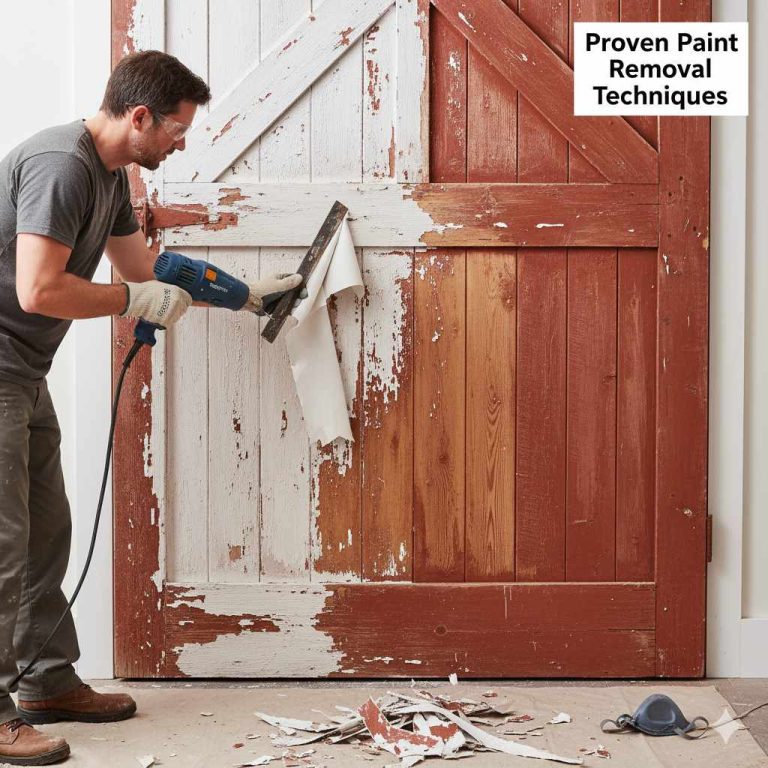
Heat guns can also be useful. A heat gun warms the paint, making it soft and pliable. This allows you to scrape it away. You must be careful not to scorch the wood. Proper ventilation is also important.
Safer Paint Removal Tools
- Putty Knife / Scraper: For loose paint and detailed work.
- Sandpaper (various grits): Essential for smoothing. Orbital sanders save time.
- Chemical Strippers: Effective for tough paint layers. Requires safety gear.
- Heat Gun: Softens paint for easier scraping. Use with caution.
- Wire Brush: Can help with stubborn spots, but be gentle.
What This Means for Your Home Project
When you’re planning to repaint, you need a clean, smooth surface. Using a pressure washer to strip paint often creates the opposite. It can leave you with damaged wood that is worse than when you started.
The goal is to prepare the wood for new paint. New paint needs a solid surface to adhere to. If the wood is splintered or fuzzy, the new paint won’t stick well. It will start peeling again very soon. This means you’ll be doing the job all over again.
It’s normal for paint to peel over time. Wood expands and contracts with weather. This movement can break the bond between the paint and the wood. The key is to remove the old paint properly. This gives the new paint the best chance to last.
When to worry about paint damage? If you see deep gouges. If the wood feels soft or spongy. If it looks like it’s ready to fall apart. These are signs that the pressure washer did too much damage. You might need to repair or replace wood sections.
A simple check is to run your hand over the wood after trying to remove paint. Does it feel smooth? Are the wood fibers intact? If it feels rough, fuzzy, or you can easily dig your fingernail in, you’ve likely caused damage.
Assessing Wood Damage After Pressure Washing
Visual Check: Look for deep grooves, splintering, or a raised grain pattern (fuzziness).
Tactile Check: Run your hand over the surface. It should feel smooth. Roughness or fuzziness indicates damage.
Flexibility Test: Gently try to bend a loose fiber. If it breaks off easily or feels weak, the wood is compromised.
Sound Test: Tap the wood. Does it sound solid? Or does it sound hollow or dead, suggesting internal damage or rot?
Quick Tips for Better Paint Removal
If you’re still set on trying to use a pressure washer for paint removal, here are some final tips. Remember, these are for situations where the paint is already very loose. And even then, proceed with extreme caution.
Always test in an inconspicuous area first. Pick a spot on the deck, fence, or siding that nobody will see. See how the wood reacts before you tackle the main part.
Start with the lowest pressure setting your machine has. Use the widest spray nozzle available. It will take longer, but it’s much safer for the wood.
Hold the wand at least two feet away from the wood. Move it constantly in a steady, sweeping motion. Never stay in one spot for more than a second or two.
If the wood starts to look fuzzy or splinter, stop immediately. You are using too much pressure or holding the wand too close.
After pressure washing (if you choose to do so), let the wood dry completely. Then, inspect it very carefully. You will likely need to do some light sanding to smooth out any rough spots or raised grain.
For most projects, sticking to manual scraping, sanding, or chemical strippers will give you much better results. It preserves the wood and ensures your new paint job looks great and lasts longer. Investing a little more time upfront saves a lot of headaches later.
Frequently Asked Questions
Can a pressure washer remove all types of paint from wood?
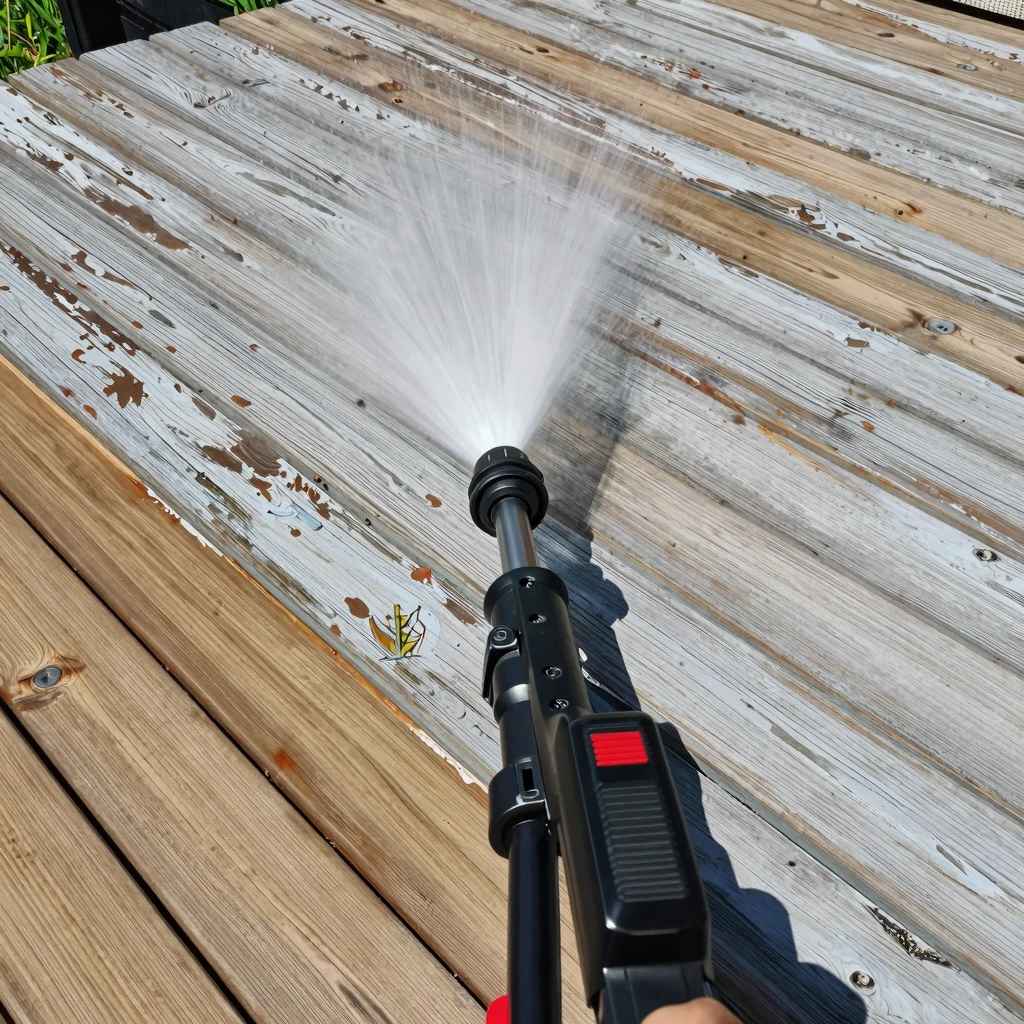
A pressure washer might remove very loose, flaky paint. However, it struggles with paint that is well-adhered. It’s more likely to damage the wood than remove all the paint effectively.
What is the safest way to remove paint from wood?
The safest methods involve manual scraping with a putty knife, sanding with various grits of sandpaper, or using chemical paint strippers. These methods offer more control and are less likely to damage the wood.
How much PSI should I use on wood to remove paint?
For removing paint from wood, it’s generally recommended to use the lowest PSI setting available on your pressure washer, ideally below 1500 PSI. Even then, it carries risks. Many experts advise against using pressure washers for paint removal on wood altogether.
Will pressure washing make my wood fuzzy?
Yes, high-pressure water can lift the wood fibers, causing a fuzzy or splintered texture. This is a common side effect of using a pressure washer on wood, especially if the pressure is too high or the nozzle is too close.
Can I use a pressure washer on a wooden deck?
It is possible to use a pressure washer on a wooden deck for cleaning purposes, but extreme caution is advised. For paint removal, it is generally not recommended due to the high risk of damaging the wood. Always use the lowest pressure and a wide nozzle, and test in an inconspicuous area.
What nozzle should I use on wood with a pressure washer?
For cleaning wood (not paint removal), a 25-degree (green) or 40-degree (white) fan nozzle is typically recommended. Never use a zero-degree (red) or 15-degree (yellow) nozzle, as these are too aggressive for wood.
Conclusion
So, to answer the big question: Can a pressure washer remove paint from wood? Yes, it can, but it’s a path fraught with peril for your wood. The power that makes it great for cleaning can easily destroy the surface you’re trying to prepare.
For a smooth, lasting finish on your next painting project, trust the proven methods. Scraping, sanding, and safe chemical strippers are your best friends. They take more effort, but they protect your wood and ensure your hard work pays off.
Sponsored / affiliate links. As an Amazon Associate I earn from qualifying purchases. I may earn additional commission from eligible campaigns.