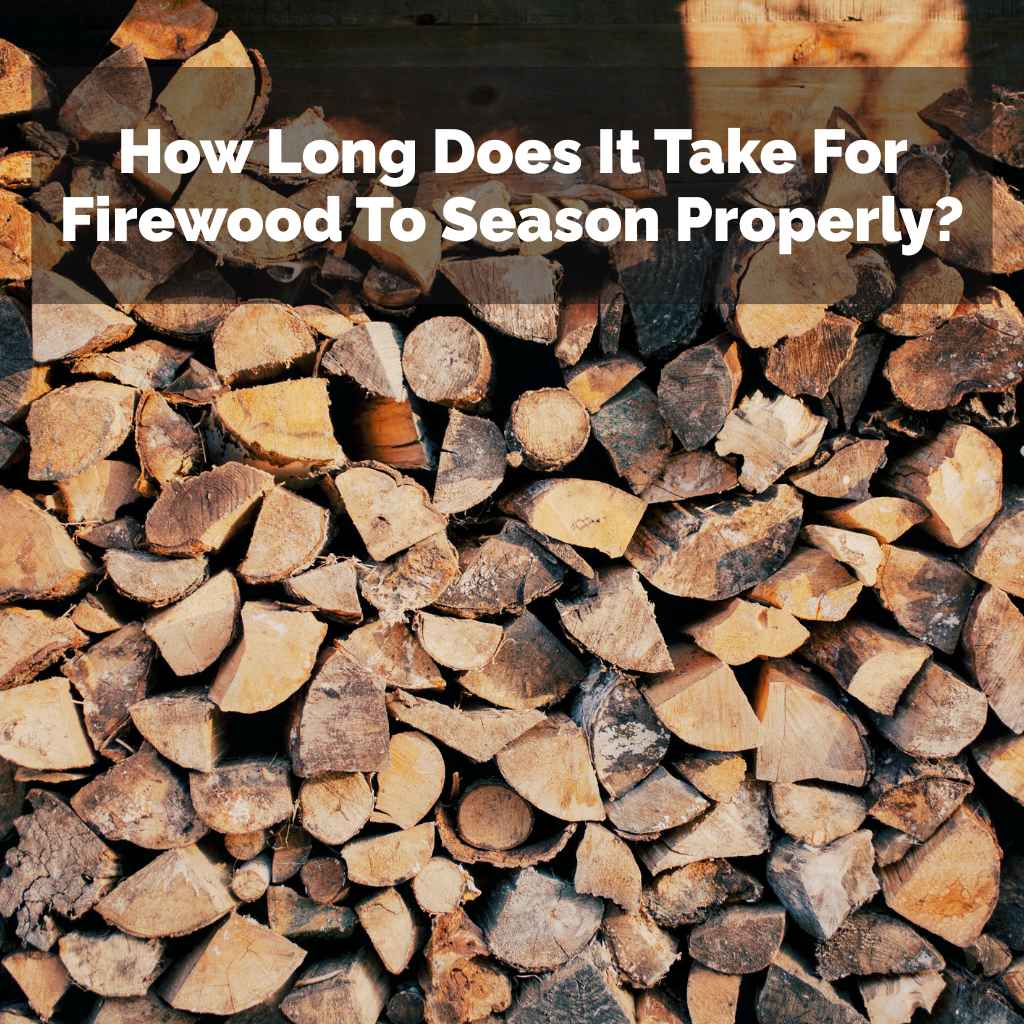
How Long Does It Take For Firewood To Season Properly?
It’s a common question for anyone who loves a good fire. You’ve got a stack of wood, maybe from a fallen tree or a recent delivery. But can you just light it up?
The answer is usually no. Wood needs time to dry out. This drying process is called seasoning.
If you burn wood too soon, it can cause problems. It might smoke a lot. It won’t burn very hot.
It can even damage your chimney. So, knowing how long firewood takes to season is super important. Let’s dive into what makes wood ready for your fireplace or wood stove.
Seasoning firewood means letting it dry until its moisture content is low enough for efficient and clean burning. Properly seasoned wood has a moisture content of 20% or less, typically taking 6 to 12 months or more to achieve, depending on wood type, climate, and drying methods.
What is Firewood Seasoning?
Seasoning firewood is basically letting it dry out naturally. Think of it like letting your clothes air dry instead of putting them in a hot dryer. When trees are cut down, their wood is full of water.
This water is trapped inside the wood cells. For burning, we want that water gone. Dry wood burns much better.
It produces more heat. It also creates less creosote, which is a sticky tar that builds up in chimneys.
When wood burns, the water inside it has to turn into steam. This takes a lot of energy. If the wood is really wet, the fire uses most of its heat just to boil the water away.
This means less heat gets into your room. The burning process is also not complete. This leads to smoke and those harmful creosote deposits.
So, seasoning is all about reducing that moisture content. The goal is usually to get it down to around 20% or even lower. This allows the wood to ignite easily and burn hot and clean.
It’s a natural process that relies on air and time. You can’t really rush it too much without special equipment.
Why Does Wood Need to Season?
The main reason wood needs to season is that wet wood just doesn’t burn well. It’s a frustrating experience to try and get a fire going with damp logs. They might smolder and smoke for ages.
You’ll get a weak, flickering flame. The room won’t get warm. It feels like a waste of effort and wood.
Beyond just poor performance, burning unseasoned wood can be harmful. The smoke you see from wet wood is often a sign of incomplete combustion. This means that not all the fuel in the wood is burning.
The unburned particles combine with water vapor to create creosote. Creosote is highly flammable. If it builds up in your chimney, it can cause a chimney fire.
These fires can be very dangerous and damage your home.
Also, wet wood can make your fire seem cooler. The heat produced by burning is used up turning the water into steam. This means less heat goes into warming your home.
You end up using more wood to get the same amount of warmth. Over time, this can cost you more money. Properly seasoned wood is key for an efficient, safe, and warm fire.
It’s an investment in good heating.
How Long Does It Take for Firewood to Season?
Typical Drying Times
The time it takes for firewood to season can vary a lot. Most people aim for 6 to 12 months. Some types of wood might be ready sooner.
Others can take much longer, sometimes up to two years.
Several things affect how fast wood dries:
- Wood Type: Hardwoods like oak and maple dry slower than softwoods like pine and fir.
- Wood Size: Smaller logs dry faster than larger ones.
- Splitting: Split logs dry much faster than whole logs. The ends are exposed to air.
- Season: Wood cut in late winter or early spring often seasons faster. It starts drying as the weather warms up.
- Storage: How you stack and store the wood makes a big difference. Good airflow is key.
- Climate: Dry, sunny, and windy conditions help wood dry quickly. Humid or rainy climates slow down the process.
So, while 6 to 12 months is a good rule of thumb, it’s not a hard and fast rule. You need to check your wood. You can’t just set a calendar date.
Many factors influence the speed of drying. Understanding these factors helps you get the best results for your firewood.
Factors Affecting Drying Time
Several key things influence how quickly your firewood becomes ready to burn. It’s not just about how long it sits there. The type of tree the wood came from is a big one.
Hardwoods, like oak, ash, and maple, are dense. They hold more water. They also have tighter wood grains.
This means water escapes more slowly. Softwoods, like pine, spruce, and fir, are less dense. They have larger pores.
Water can get out faster. So, pine might be ready in 4-6 months. Oak could need 12-18 months or more.
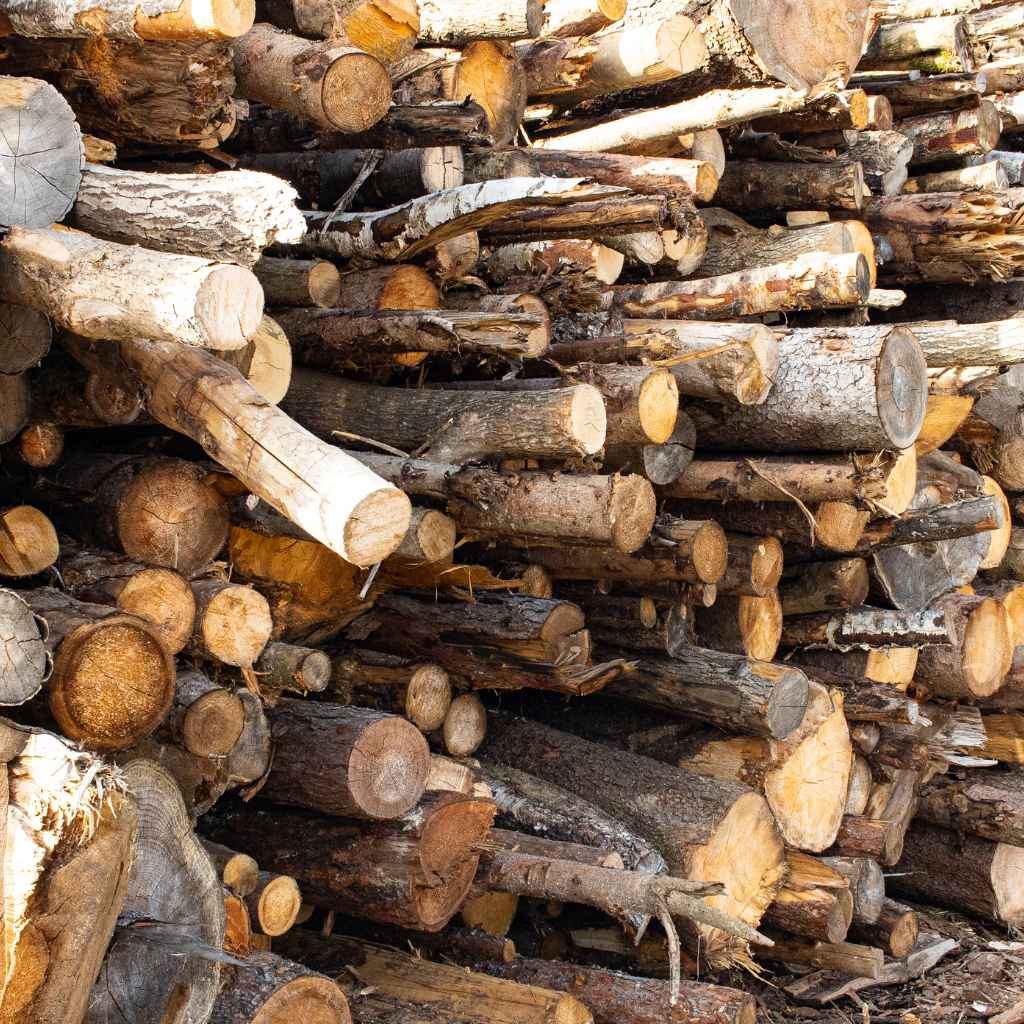
The size of the wood also matters a lot. A big, round log has less surface area exposed to the air than a split log. When you split a log, you break open those tight cells.
You expose more ends. This allows moisture to escape much more easily. That’s why most people split their firewood before stacking it to season.
Smaller pieces, like kindling or small split logs, will dry faster than large, round rounds.
When the wood was cut can also play a role. Wood cut in the dormant season, usually late fall or winter, tends to have less moisture to begin with. As the weather warms up in spring and summer, the natural drying process speeds up.
This is because evaporation happens faster in warmer temperatures and with more sunlight.
Finally, the storage conditions are crucial. How you stack your wood affects airflow. Good airflow is like giving the wood a constant breeze.
This breeze carries away the moisture. If wood is stacked too tightly or against a damp wall, it can trap moisture. This can lead to mold or rot.
It slows down seasoning significantly. Proper stacking is one of the easiest ways to ensure your wood dries well.
The local climate is another huge factor. If you live in a very dry, sunny, and windy area, your wood will season faster. If you are in a humid, rainy place, it will take much longer.
High humidity means there’s already a lot of moisture in the air. This makes it harder for the wood to release its own moisture. Wind helps whisk away the moisture that does come out.
Sunlight adds heat, which speeds up evaporation.
Best Practices for Storing Firewood to Season
Stacking for Success
Proper storage is key to fast and effective seasoning. Here’s how to do it:
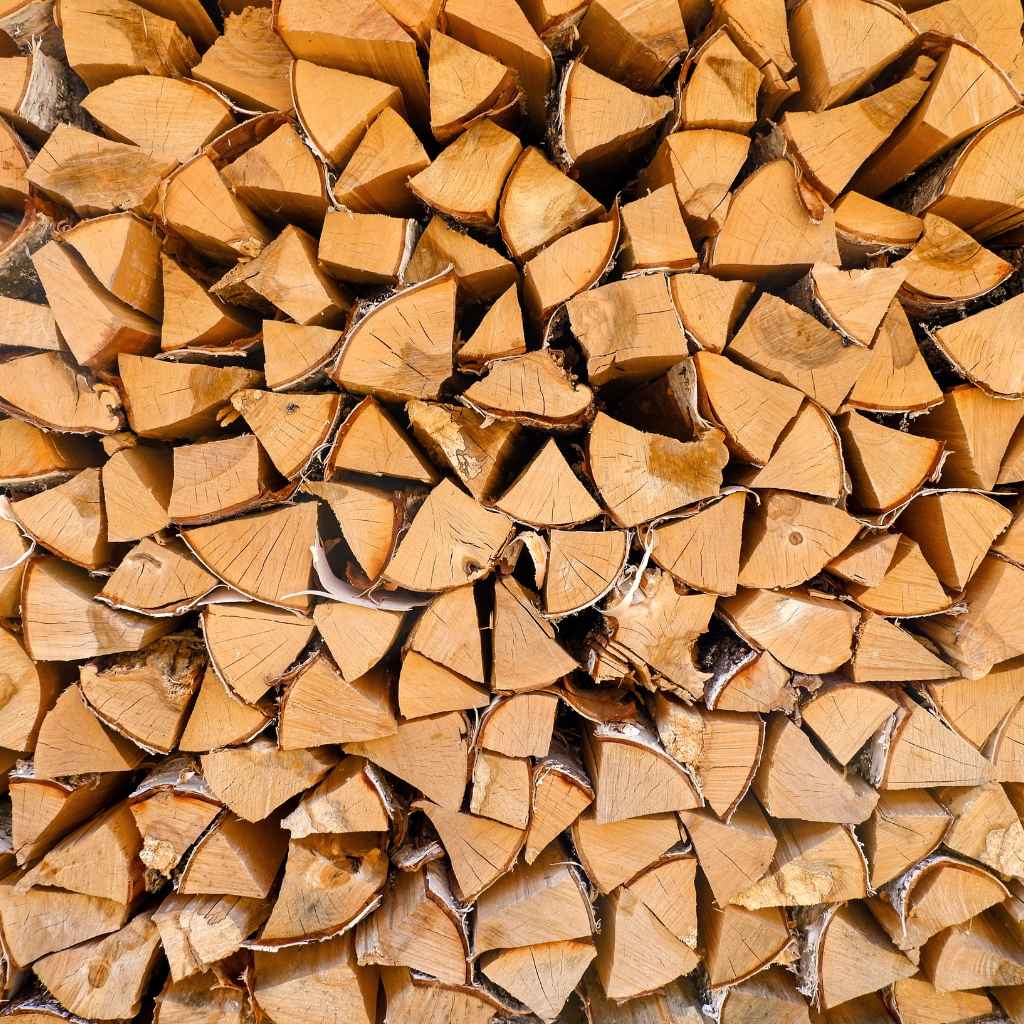
- Elevate the Wood: Never stack wood directly on the ground. Use pallets, skids, or sturdy lumber. This keeps the bottom layer dry and prevents rot. It also helps air circulate underneath.
- Allow Airflow: Stack logs side-by-side, not end-to-end. Leave small gaps between logs. This lets air move freely through the stack.
- Open Sides: Face the stack towards the prevailing wind if possible. The ends of the logs should face the drying winds. The sides of the stack should be open.
- Cover the Top: Use a waterproof cover for the top of the stack. This protects the wood from rain and snow. Make sure the cover extends beyond the sides of the stack.
- Ventilate Sides: Do NOT cover the sides of the stack. The wood needs to breathe. Covering the sides traps moisture and slows drying.
- Location Matters: Store wood in a sunny, open area if possible. Avoid shady spots or areas near buildings where air might be stagnant.
I remember one year, I got a great deal on a truckload of logs. I was so excited. I stacked them all up nicely against the back wall of my garage.
It looked neat. But it was also a very damp, shaded spot. The wood sat there for over a year and still felt heavy.
I learned my lesson. You need airflow. Air is your best friend for drying wood.
Think about it this way: the wood is like a sponge. It’s full of water. Airflow is like wringing that sponge out.
If you block the air, you’re not wringing it out. You’re just letting it sit there, possibly getting moldy. So, even if you have great wood, if you store it poorly, it will take much longer to season.
It might even become unusable.
A simple way to elevate wood is to use old wooden pallets. Lay them flat on the ground. Then stack your wood on top of the pallets.
For covering, a tarp works well. Just make sure it’s not tied down so tightly that it blocks all air. You want to keep the rain off the top logs.
But you want the sides to be open for that drying breeze to pass through.
How to Tell if Firewood is Properly Seasoned
You can’t always tell by looking at wood if it’s seasoned. Sometimes it looks dry on the outside but is still wet inside. There are a few reliable ways to check.
The best method is using a moisture meter. These are electronic devices. You stick the probes into the wood.
They give you a digital reading of the moisture content. Properly seasoned wood should read 20% or less.
If you don’t have a moisture meter, there are other signs. Seasoned wood is lighter in weight than green (unseasoned) wood. This is because a lot of the water has evaporated.
It feels much lighter when you pick it up. Green wood feels heavy and dense.
The ends of seasoned logs often show cracks or checks. This is a sign that the wood has dried and shrunk. The bark might also be loose or peeling.
It comes off easily. Green wood has tight bark. It’s hard to remove.
When you split a seasoned log, the wood inside should look dry. It shouldn’t look damp or feel cold to the touch. It often has a lighter color than green wood.
You might also hear a hollow, ringing sound when you knock two seasoned logs together. Green wood makes a dull thud. The smell is another indicator.
Seasoned wood often has a pleasant, dry, woody smell. Unseasoned wood can smell damp or even musty.
I learned to check by feel and sound. When I pick up a log, I can tell if it’s much lighter than I expect. If the bark peels off easily, that’s another good sign.
Sometimes I’ll tap two pieces together. If they make a nice, clear ‘clack’ sound, I know it’s pretty dry. But a moisture meter is the most accurate way if you want to be absolutely sure.
It takes the guesswork out of it.
Here’s a little quick-check guide you can use:
Quick Seasoning Check Guide
What Happens if You Burn Wet Firewood?
Burning wet or unseasoned firewood is like fighting a losing battle. It’s frustrating, inefficient, and potentially dangerous. The first thing you’ll notice is how hard it is to get the fire started.
You’ll use up a lot of kindling and starter material. Even then, the fire might just smolder. It won’t produce a strong flame.
The smoke is another big clue. You’ll see a lot of thick, white smoke. This smoke is not just steam.
It contains unburned particles from the wood. This is why it smells acrid and unpleasant. This smoke is a sign of incomplete burning.
Your fireplace or wood stove won’t be heating your home effectively. Most of the energy from the wood is going into boiling off that water.
As mentioned earlier, this smoke is also loaded with creosote. Creosote is a black, tar-like substance. It sticks to the inside walls of your chimney.
It’s like sticky soot. Over time, creosote builds up. It gets thicker and thicker.
Because it’s flammable, a chimney full of creosote is a fire hazard. A spark or hot ember can ignite it. This causes a chimney fire, which is a roaring blaze inside your chimney.
These fires can spread to your roof or walls.
Burning wet wood also leads to lower temperatures inside your stove or fireplace. This means less heat is transferred into your home. You’ll feel like you’re constantly adding more wood to try and stay warm.
It’s a constant struggle. It feels wasteful. You’re burning more wood but getting less heat.
The stove itself might not get as hot as it should. This can affect its efficiency and lifespan.
My neighbor once tried to burn wood he just got delivered in the spring. He hadn’t waited for it to season. He complained his fireplace wasn’t putting out much heat.
He also had this constant, smoky smell in his house. I checked his wood. It was still heavy and cold.
The bark was on tight. When he split a piece, the inside was visibly damp. I explained that his wood needed at least another summer to dry out.
He learned that burning wet wood means no cozy warmth, just frustration and smoke.
Here’s a breakdown of what goes wrong:
Consequences of Burning Wet Wood
Types of Wood and Their Seasoning Times
As we’ve touched on, different types of wood season at different rates. This is mainly due to their density. Denser woods have more mass and tighter structures.
This means it takes longer for the water to escape from their cells.
Hardwoods are generally denser. They burn longer and hotter once seasoned. But they take longer to season.
Examples include:
- Oak: A very popular firewood. It’s dense and burns with a good amount of heat. Oak can take 12 to 18 months, or even up to 2 years, to season fully.
- Maple: Another excellent hardwood. It seasons a bit faster than oak, usually around 9 to 12 months.
- Ash: Burns well and seasons relatively quickly for a hardwood, often ready in 6 to 9 months.
- Hickory: Burns very hot and long. It’s dense and can take 12 to 18 months.
- Beech: Similar to oak, it’s dense and takes 12 months or more to season.
Softwoods are less dense. They tend to season faster. They also burn more quickly and produce less heat per volume than hardwoods.
They are great for starting fires. Examples include:
- Pine: Very common and seasons quickly, often ready in 4 to 6 months. It can be quite resinous, which can contribute to creosote if not managed.
- Fir: Similar to pine, it seasons in about 4 to 6 months.
- Spruce: Also seasons relatively fast, around 4 to 6 months.
- Cedar: Known for its aroma. It seasons fast, about 4 to 6 months. It burns quickly and is good for kindling.
It’s important to remember that even within these categories, variations exist. A very large piece of maple might take longer than a small piece of oak. Also, the local climate and storage conditions can override these general timelines.
For instance, if you have a large pile of oak logs in a very humid, shaded area with no airflow, they might still be damp after 18 months. Conversely, small pieces of pine split and stacked in a hot, dry, windy location might be usable in as little as 3 months. Always check your wood, regardless of type.
When is the Best Time to Cut Firewood?
Many experienced firewood users will tell you that the best time to cut firewood is in the late fall or winter. This is called cutting during the “dormant season.” There are a few reasons why this is generally recommended for faster and better seasoning.
During late fall and winter, deciduous trees (trees that lose their leaves) are dormant. Their sap content is at its lowest point. Sap is basically the watery part of the tree that carries nutrients.
When the sap content is lower, the wood itself has less internal moisture to begin with. This means there’s less water that needs to evaporate during the seasoning process.
Also, trees cut in the dormant season tend to be less susceptible to insect infestation and fungal growth while they are sitting and drying. This helps keep the wood cleaner and healthier. If you cut wood in the spring or summer when the tree is actively growing and full of sap, it has more moisture.
It might also attract more bugs and mold while it’s trying to dry.
After cutting the wood, if you can split it and stack it properly right away in late winter or early spring, it gets the benefit of the entire spring and summer drying season. The warmer temperatures, sunshine, and airflow of these months are ideal for evaporation. So, if you cut your wood in November and stack it, by the following fall, it will have had about a year to season.
However, this isn’t a strict rule. You can cut wood at any time of year. If you cut it in the summer, it might take a little longer to season because it started with more moisture and the drying conditions might not be as consistent as they are in the spring.
The key is to split it, stack it properly, and allow it plenty of time and air to dry out.
I try to cut and split wood in the late fall. Then I stack it so it’s ready to start seasoning over the winter and through the next spring and summer. This way, by the time the next winter rolls around, it should be perfectly dry and ready to burn.
It’s a bit of planning ahead, but it makes a huge difference in the quality of your fires.
Can You Speed Up Firewood Seasoning?
While nature is the primary force behind seasoning, there are some ways to speed up the process, especially for your stacked wood. The most effective method is ensuring maximum airflow. This means stacking your wood properly, as we’ve discussed.
Keep it elevated, spaced out, and open to the elements.
Splitting the wood is also a major factor in speeding up drying. If you have whole logs, splitting them exposes the wet inner core to the air. This is far more effective than letting the moisture slowly seep out from the bark.
Smaller pieces will also dry faster than larger ones.
Some people use tarps or plastic sheeting to cover their wood. This is good for protecting it from rain. However, you must be careful not to trap moisture.
Only cover the top. Leave the sides completely open for airflow. Covering the sides will drastically slow down drying.
There are also more advanced methods, though they are usually not practical for most homeowners. These include using solar kilns or even specialized firewood kilns. Solar kilns use the sun’s heat to dry the wood.
They can significantly reduce drying time. Kilns use forced air and controlled heat to dry wood very quickly. But these are expensive and require energy input.
For the average person, the focus should be on good stacking practices. Ensure the wood is split. Make sure it’s elevated off the ground.
Give it plenty of space for air to circulate. If you do this, your wood will season as efficiently as nature allows. Trying to rush it too much without proper airflow can lead to mold or poor quality wood.
I’ve seen people try to dry wood indoors. This is usually a bad idea. It can lead to mold and mildew in your home.
It can also attract bugs. The wood doesn’t get enough airflow inside a house. It’s best to let it season outdoors in a designated firewood storage area.
Here are some tips to speed things up:
Tips to Accelerate Drying
What This Means for Your Home Heating
Understanding how long firewood takes to season directly impacts your home heating. Using properly seasoned wood means you get the most heat from every log. It burns hotter and more efficiently.
This translates to a warmer home with less effort. You’ll likely use less wood overall to achieve the same level of warmth compared to burning wet wood.
A hotter, cleaner burn also means less maintenance for your fireplace or wood stove. You’ll have less creosote buildup in your chimney. This reduces the need for frequent, costly chimney cleanings.
It also lowers the risk of a dangerous chimney fire. Safety is a huge benefit of using seasoned wood.
For those who rely on wood for a significant portion of their heating, planning ahead is essential. You need to start seasoning wood at least a year in advance. This means having a good system for cutting, splitting, stacking, and storing your wood.
It’s a bit of work, but the payoff in warmth, efficiency, and safety is well worth it.
If you buy firewood, always ask how long it has been seasoned. Reputable dealers will know. They’ll often have wood that’s been seasoned for a year or more.
Avoid dealers who sell wood that looks freshly cut or feels very heavy. It’s usually not worth the money, as it won’t burn well.
Think of seasoned firewood as a prepared meal versus one you try to cook with raw ingredients. The prepared meal is ready to go, tastes great, and works as intended. The raw ingredients require a lot more effort, might not turn out well, and could even be unpleasant.
Good firewood is ready to give you the warmth and ambiance you desire.
When to Worry About Your Firewood
Most of the time, firewood seasoning is a straightforward process. However, there are a few situations where you might need to be concerned. If your wood is taking an unusually long time to season, even after 18-24 months, it could be a sign of a problem.
One concern is mold. If your wood is covered on all sides, or if it’s stored in a very damp, unventilated area, it can develop mold. Mold can make the wood less desirable to burn and can even be a health concern.
If you see extensive mold growth, especially black or green fuzzy mold, it might be best to discard that wood safely. Small amounts of surface mold on the ends might be okay if the rest of the wood checks out.
Insect infestation is another worry. If you notice a lot of small holes in the wood, or if you see sawdust at the base of your stack, it could be powderpost beetles or other wood-boring insects. These insects can damage the wood over time.
While they might not be harmful to burn in small numbers, a heavy infestation could make the wood less desirable.
If your wood consistently fails the moisture meter test, even after a long time, it might be due to extreme humidity in your area or poor stacking. In very humid climates, wood can take much longer to reach the target 20% moisture content. You might need to wait longer than the typical 6-12 months.
It’s also worth worrying if the wood smells bad. A healthy, seasoned woodpile should smell dry and woody. If it smells musty, like rot, or has a sour smell, it’s likely not seasoning properly.
This often indicates excess moisture and potential decay.
If you’ve tried all the best practices for stacking and storing, and your wood is still not drying after two years, it might be a sign that the wood is too dense or your climate is too challenging for natural drying within a reasonable timeframe. In such cases, you might need to consider alternative heating fuels or invest in a drying system if you burn a lot of wood.
Quick Fixes and Tips for Firewood
While there aren’t many “quick fixes” for seasoning wood, there are smart tips to make the process smoother. The best “fix” is prevention, which means planning ahead.
- Buy Wood Ahead of Time: Purchase your firewood at least 6-12 months before you plan to burn it.
- Inspect New Wood: If you buy firewood, always ask about its seasoning status and try to check it for moisture content if possible.
- Split Promptly: As soon as you get your wood, split it. This is the single most effective step to speed up drying.
- Stack it Right Away: Don’t let split logs sit in a pile. Stack them properly as soon as possible.
- Use a Moisture Meter: Invest in one. It’s the most reliable way to know for sure if your wood is ready.
- Rotate Your Stock: Burn the oldest wood first. This ensures you’re using wood that has had the longest time to season.
- Understand Your Wood: Know the types of wood you are burning and their general seasoning times.
Frequently Asked Questions about Firewood Seasoning
How do I know if my firewood is dry enough?
You can tell if your firewood is dry enough by its weight (it will be lighter), the appearance of cracks on the ends, loose bark, and a hollow sound when tapped. The most accurate method is using a moisture meter, which should read 20% or less.
Can I burn firewood that is not fully seasoned?
While you can burn firewood that is not fully seasoned, it is not recommended. It burns poorly, produces less heat, creates more smoke, and leads to dangerous creosote buildup in your chimney. It’s best to wait until it’s properly seasoned.
How long does it take for oak firewood to season?
Oak firewood is a dense hardwood and takes a significant amount of time to season. It typically takes 12 to 18 months, and sometimes up to 2 years, to reach a moisture content of 20% or less.
Does stacking firewood in the sun help it season faster?
Yes, stacking firewood in a sunny location can help speed up the seasoning process. Sunlight provides heat, which increases evaporation. However, ensure there is still plenty of airflow, as too much direct heat without ventilation can potentially crack the wood unevenly.
What is the best way to store firewood to season?
The best way to store firewood is to stack it off the ground, leaving space between logs for airflow. Keep the top covered to protect from rain, but leave the sides open. A sunny, open location is ideal for faster drying.
Can I season firewood indoors?
It is generally not recommended to season firewood indoors. Unseasoned wood can introduce excess moisture and pests into your home, and it may not dry effectively due to lack of sufficient airflow. Outdoor seasoning with proper stacking is best.
What is the ideal moisture content for firewood?
The ideal moisture content for firewood is 20% or lower. Wood with a moisture content above 20% is considered unseasoned or “green” and will not burn efficiently.
Conclusion
Getting your firewood seasoned is a crucial step for a warm and safe home. It’s a process that requires patience and proper technique. By understanding the factors that affect drying time and following best practices for storage, you can ensure your wood is ready when you need it.
Aim for that 6-to-12-month window, but always check your wood. Properly seasoned wood will give you the best heat and the cleanest burn. Enjoy your fires!
Sponsored / affiliate links. As an Amazon Associate I earn from qualifying purchases. I may earn additional commission from eligible campaigns.