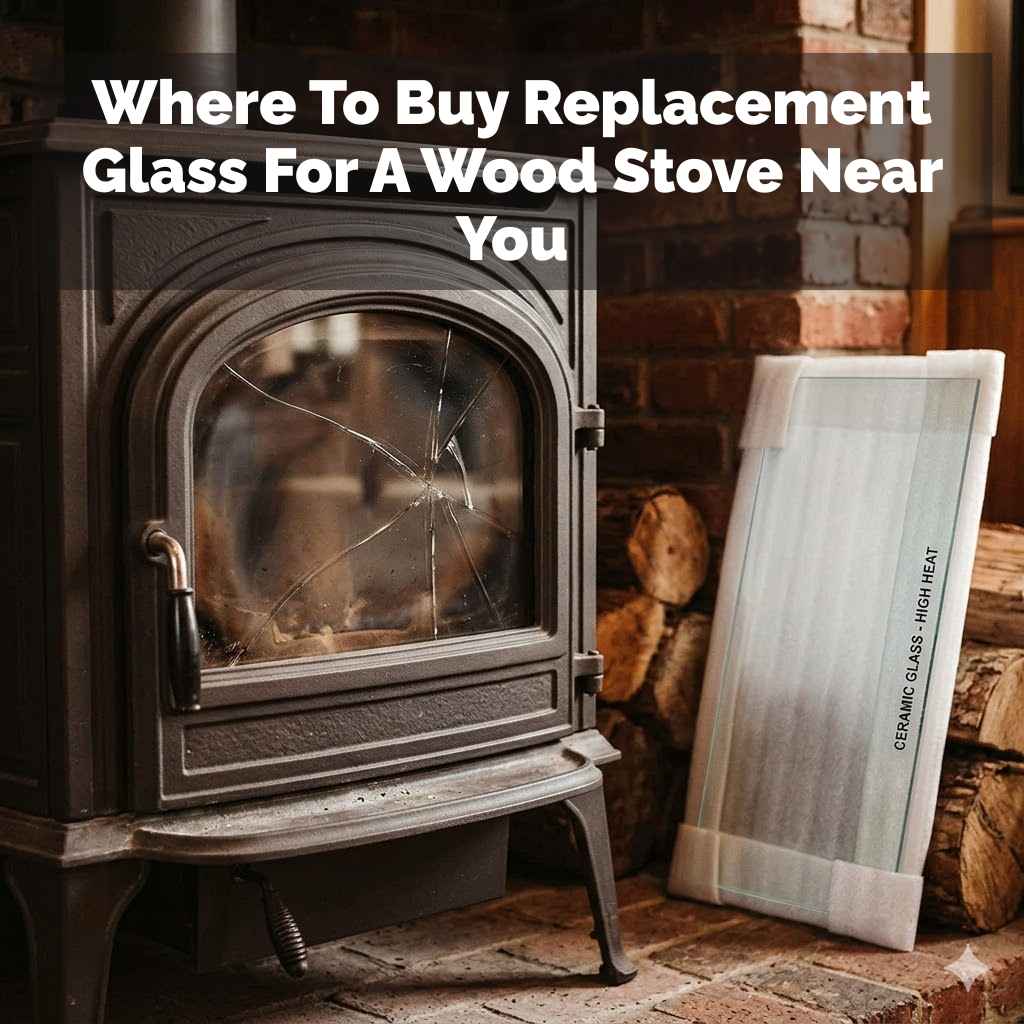
Where To Buy Replacement Glass For A Wood Stove Near You
This guide will help you find where to buy replacement wood stove glass, understand different types, how to measure your existing glass, and what to expect during replacement to ensure your wood stove is safe and efficient again.
Understanding Wood Stove Glass
Wood stove glass is special. It’s not like your window panes at all. This glass needs to handle extreme heat.
It also needs to be tough. Normal glass would shatter under those conditions. The special kind used is usually a ceramic glass.
This ceramic glass is made to withstand rapid temperature changes. Think of it like this: your stove gets super hot, then it cools down. Normal glass would crack from this stress.
Ceramic glass can take that. It also creates a good seal. This seal is key for the stove to work right.
It helps control how much air gets in. This makes the fire burn better. It also keeps smoke from leaking out.
Knowing this helps you when you go to buy new glass. You’ll see terms like “high-temperature ceramic glass.” This is what you need. Don’t try to use regular glass.
It’s dangerous and won’t work.
My Own Glass Scare
I remember one particularly cold winter evening. The wind was howling outside, and I’d just gotten a roaring fire going in our old wood stove. It was so cozy.
I was reading a book, sipping hot chocolate, when I heard a sharp ping. My stomach dropped. I looked at the stove glass.
There it was – a spiderweb crack starting from one corner. My heart sank. It was late, and the thought of not having my stove running safely felt awful.
I pictured smoke filling the living room. Panic started to set in a little. What would I do now?
Where could I even find replacement glass this late? I knew I couldn’t just leave it. That night, I spent hours online, feeling frustrated and a bit worried.
Common Wood Stove Glass Types
Tempered Glass: This is NOT for wood stoves. It’s strong for normal windows but can’t handle wood stove heat.
Ceramic Glass: This is the good stuff. It can handle very high heat. It also expands and contracts well.
This is what you want for your wood stove. Brands like Robax and Neoceram are well-known.
Where to Buy Replacement Glass
Finding replacement wood stove glass isn’t as hard as it might seem. There are several places you can look. Each has its pros and cons.
It’s good to know your options.
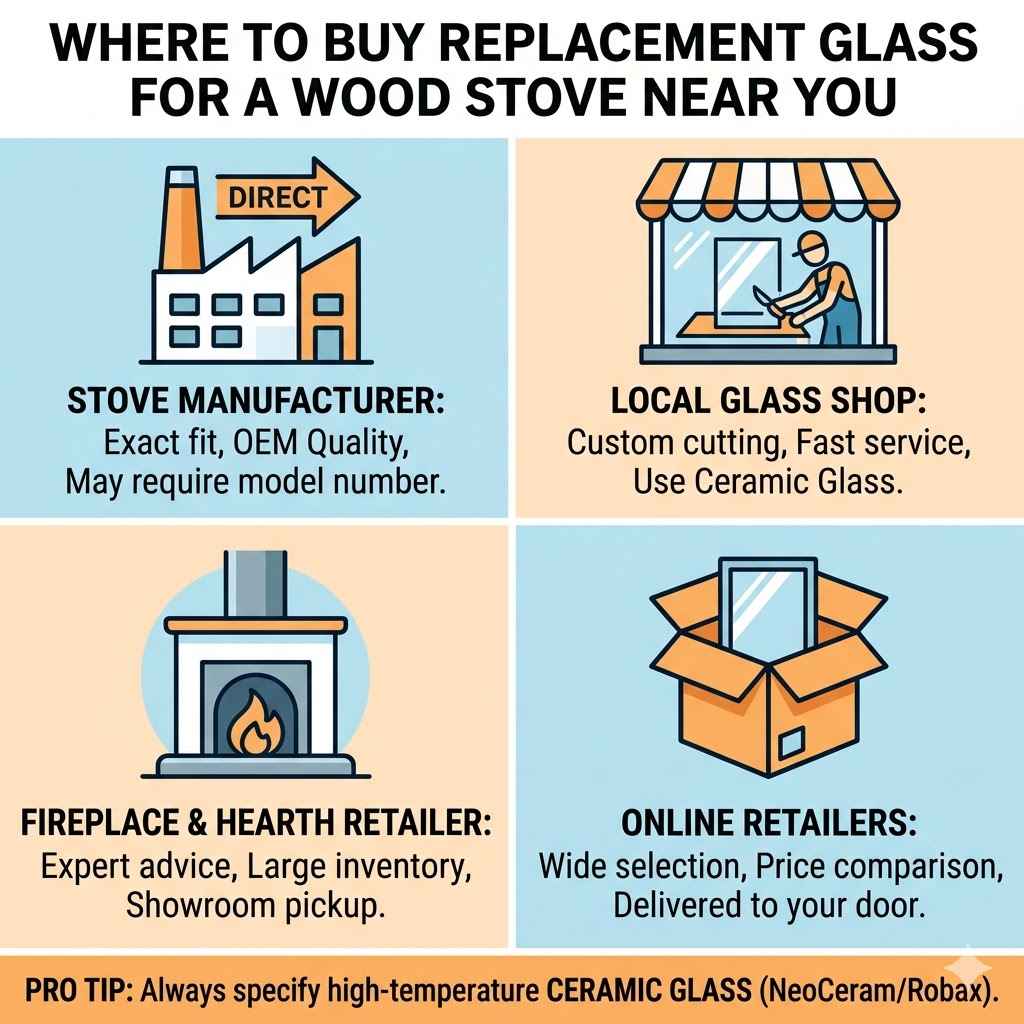
1. Direct from the Stove Manufacturer
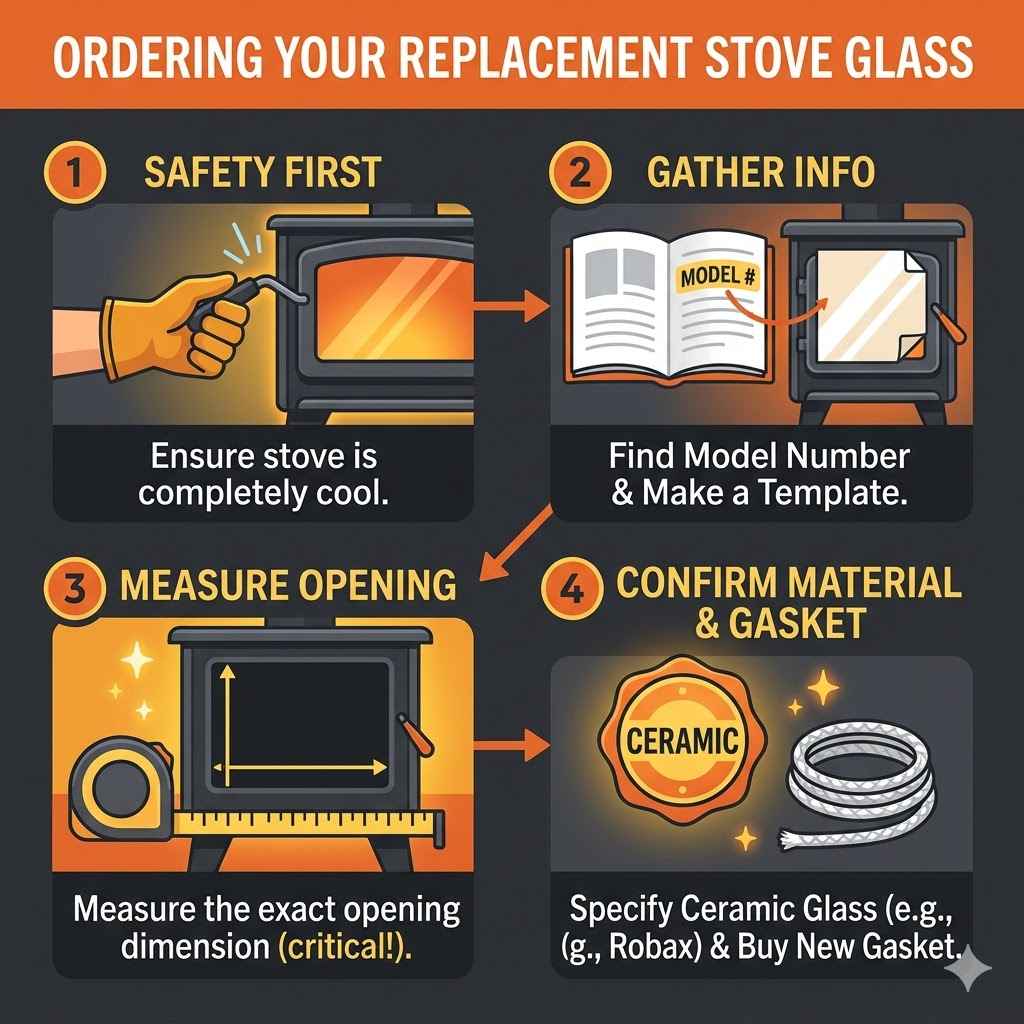
The most straightforward way is often to go directly to the company that made your wood stove. If you know the brand and model number, this is a great starting point. They will have the exact glass panel designed for your stove.
You can usually find this information on the stove itself. Look for a metal plate or sticker. It might be on the back, side, or inside the door.
If you can’t find it, check your stove’s manual. If you lost that, a quick online search using the stove’s brand name might help you find a replacement manual.
Buying directly ensures a perfect fit. It also means you’re getting high-quality, approved parts. The downside is that it can sometimes be the most expensive option.
Also, if your stove is very old, the manufacturer might no longer make parts for it.
2. Local Stove and Hearth Shops
Many towns have local shops that specialize in wood stoves, fireplaces, and hearth products. These places are treasure troves. The people who work there often have a lot of knowledge.
You can bring your old glass to them, or at least the measurements. They can help you identify the right type of glass. They might even stock common sizes.
These shops are excellent for personalized service. They can answer your questions face-to-face. They might also offer installation services if you don’t want to do it yourself.
These shops are great for expertise. They can guide you. Sometimes they might have slightly older stock or custom-cut options.
The cost can vary. It might be more or less than buying online, depending on the shop.
3. Online Retailers Specializing in Stove Parts
The internet is a huge marketplace. There are many online stores that focus specifically on selling replacement parts for wood stoves. These sites often have a vast inventory.
You’ll find them by searching for terms like “wood stove replacement glass” or “fireplace glass online.” Many of these sites allow you to input your stove’s make and model. They will then show you compatible parts. Some even let you enter custom dimensions for a cut-to-size glass panel.
Online shopping can be very convenient. You can often compare prices easily. Many of these sites offer detailed instructions on how to measure your glass.
This is important for getting the right fit. Delivery times can vary. Always check reviews for the retailer before you buy.
4. General Hardware Stores and Big Box Retailers
While less common for specialized ceramic glass, some larger hardware stores or home improvement centers might carry basic fireplace glass kits. These are usually for older, simpler fireplaces rather than modern wood stoves.
It’s worth a quick check, especially if you need something quickly. However, the selection will likely be limited. You probably won’t find the high-temperature ceramic glass needed for most wood stoves here.
These are generally better for decorative inserts.
The benefit here is immediate availability. You can walk in and buy it. The risk is getting the wrong type of glass.
For wood stoves, it’s best to stick to specialized suppliers.
Quick Scan: Where to Buy Glass
| Option | Pros | Cons |
| Stove Manufacturer | Perfect fit, high quality | Can be expensive, might not be available for old stoves |
| Local Stove Shops | Expert advice, personal service | Selection might be limited, prices vary |
| Online Retailers | Wide selection, convenient, good prices | Need accurate measurements, shipping times |
| Hardware Stores | Quick availability | Limited selection, likely wrong type for wood stoves |
Measuring Your Glass Correctly
Getting the measurements right is crucial. If you order the wrong size, it won’t fit. It might not seal properly.
This can cause problems. Take your time with this step.
What You’ll Need
You’ll need a reliable measuring tape. A steel tape measure is best. You’ll also need a way to write down the numbers.
A pen and paper, or your phone’s notes app, will work.
How to Measure
First, carefully remove the old glass. You’ll usually need to unscrew the door or a retainer ring. Be gentle.
If it’s broken, wear thick gloves and eye protection. Place the old glass on a flat surface.
Measure the width and height. Measure the longest part of each side. Don’t guess.
Measure twice to be sure.
Also, measure the thickness of the glass. Most wood stove glass is around 3mm or 5mm thick. Use your measuring tape for this, or even a ruler if you have one with fine markings.
Some doors have a specific cutout shape. If your glass is not a simple rectangle, you might need to trace its outline. You can do this by placing the glass on a large piece of paper and tracing around it.
Or, you can trace the opening in the door itself.
If you’re buying cut-to-size glass online, they will ask for these specific measurements. Always double-check the ordering instructions on the website. They might ask for measurements of the opening or the glass itself.
Measure Twice, Order Once
- Width: Measure the widest part of the glass.
- Height: Measure the tallest part of the glass.
- Thickness: Measure how thick the glass is.
- Shape: If not a rectangle, trace the exact shape or the door opening.
Understanding Glass Types and Features
When you’re looking for replacement glass, you’ll see a few terms. Knowing what they mean helps you pick the right one. The most important thing is that it’s designed for high heat.
Ceramic Glass vs. Tempered Glass
As mentioned, wood stove glass is almost always ceramic glass. This is a special material. It’s made to withstand extreme temperatures, often up to 1400 degrees Fahrenheit or more.
It also handles rapid temperature changes without cracking. It’s designed to expand and contract safely with the heat.
Tempered glass, on the other hand, is strong for normal uses like windows. However, it cannot handle the intense, direct heat of a wood stove fire. It will likely crack or shatter.
Never use tempered glass for a wood stove.
Tinting and Coatings
Some
Some glass might have special coatings. These can help keep the glass cleaner. They might repel soot or creosote.
Ask the seller if such coatings are available and if they are worth the extra cost for your stove.
Shape and Size Options
Most modern wood stoves use rectangular glass panels. Older stoves or some European models might have curved glass. This is designed to fit into a curved door opening.
These curved pieces are often more expensive and harder to find.
You can usually get glass cut to almost any shape. Whether it’s a standard rectangle, a square, or something more unique, as long as you can provide accurate measurements, it can likely be made.
Glass Features to Consider
Material: Always ceramic glass for wood stoves.
Heat Resistance: Ensure it can handle temperatures above 1000°F.
Tint: Optional, can reduce glare and radiant heat.
Coatings: Some offer self-cleaning or soot-repellent properties.
Shape: Standard rectangle or custom curved options exist.
The Replacement Process: DIY vs. Professional
Once you have your new glass, you have a choice to make. You can install it yourself, or you can hire someone to do it.
DIY Installation
Many people find they can replace their wood stove glass themselves. It’s often a simple process. It can save you money on labor costs.
You’ll need a screwdriver set, perhaps a wrench, and maybe some high-temperature stove gasket rope. The gasket rope is important for creating a good seal. It goes around the edge of the glass.
Generally, you’ll undo the screws holding the door or the glass frame. Carefully remove the old glass. Clean the area.
Place the new gasket rope around the frame or the new glass. Carefully set the new glass in place. Reassemble the frame or door.
Tighten screws evenly, but don’t overtighten.
There are many helpful videos online showing how to do this for specific stove brands. Watching one before you start can be very useful.
Professional Installation
If you’re not comfortable doing it yourself, or if the job seems tricky, hiring a professional is a good idea. A qualified stove technician or installer will have the right tools and experience.
They will ensure the glass is installed correctly. They will also check the door and the gasket for any other issues. This can give you peace of mind.
Professional installation will cost more than doing it yourself. It’s a trade-off between cost and convenience or certainty.
DIY vs. Pro: A Quick Look
DIY:
- Saves money on labor.
- Requires some tools and patience.
- Plenty of online guides available.
Professional:
- Peace of mind and correct installation.
- Costs more in labor.
- Ensures a proper seal and safety check.
When to Worry About Your Stove Glass
A small crack might seem like no big deal at first. But it’s important to know when a problem with your stove glass becomes serious. Safety should always be your top concern.
Small Cracks
Even a small crack can spread over time. Heat and the expansion/contraction cycle will stress it. A small crack can quickly become a large one.
If you see any crack, it’s best to plan for replacement soon.
Soot and Smoke Leaks
If you notice soot building up on the outside of the glass, or if you see smoke escaping from the door seal, this is a problem. A cracked glass pane or a damaged gasket can cause these leaks. Smoke is not just unpleasant; it can be dangerous.
It can contain harmful carbon monoxide.
Loose or Damaged Frame
Sometimes, the issue isn’t just the glass. The metal frame around the glass might be bent or rusted. If this frame is damaged, it might not hold the glass tightly.
This can lead to leaks or the glass falling out. If the frame looks bad, you might need more than just a new glass panel.
Chipped Edges
If the edges of the glass are chipped, this can weaken the entire pane. Even if the main part looks okay, a chipped edge is a potential failure point. Treat chips like cracks and plan for replacement.
Signs It’s Time to Replace Glass
Visible Cracks: Any crack is a sign of weakness.
Smoke Leaks: Smoke escaping the stove is dangerous.
Soot on Outside: Indicates a poor seal.
Loose or Bent Frame: Can’t hold glass securely.
Chipped Edges: Weakens the glass pane.
Maintaining Your Wood Stove Glass
Keeping your wood stove glass clean can make a big difference. It’s not just about looks. Clean glass helps you see the fire better.
It also helps the stove perform as it should.
The Ash and Soot Trick
A simple and effective way to clean wood stove glass is using the ash from your stove. Make sure the stove is completely cold. Scoop out some fine wood ash.
Dampen a soft cloth or some crumpled newspaper. Dip it into the ash.
Rub the ash paste onto the glass. It acts as a mild abrasive. It helps lift away the creosote and soot buildup.
Rinse the glass with a damp cloth afterwards. Then, dry it with a clean, soft cloth. This method is natural and cheap.
Using Specialized Cleaners
There are also commercial cleaners made specifically for wood stove glass. These can be very effective for stubborn buildup. Follow the instructions on the product carefully.
Some cleaners are sprays, while others are creams. Always make sure the product is safe for ceramic glass. Some harsh chemicals can damage the glass or its coatings.
When cleaning, always ensure the stove is cold. Wear gloves if the cleaner is strong. Never spray cleaner directly onto a hot glass surface.
This can cause it to crack.
Preventing Buildup
The best way to keep glass clean is to prevent excessive buildup in the first place. Burn dry, seasoned wood. Wet or unseasoned wood creates more creosote.
This is the sticky, black substance that clings to the glass.
Ensure your stove has good airflow. Most stoves have an air intake adjustment. Proper airflow helps the fire burn hotter and cleaner.
This reduces creosote formation. Sometimes, the stove design itself can contribute to soot buildup. Older stoves might be less efficient.
Cleaning Tips for Stove Glass
Use Ash: Damp cloth + wood ash = natural cleaner.
Special Cleaners: Use products made for stove glass.
Cold Stove Only: Always clean when the stove is completely cool.
Burn Dry Wood: Seasoned wood means less creosote.
Good Airflow: Proper ventilation helps burn cleaner.
Frequently Asked Questions About Wood Stove Glass Replacement
Is it safe to use my wood stove with a cracked glass pane?
No, it is generally not safe to use your wood stove with a cracked glass pane. Cracks can spread quickly due to heat fluctuations, potentially leading to the glass shattering. More importantly, a compromised glass can allow smoke, and dangerous carbon monoxide, to leak into your home.
It’s best to replace it as soon as possible.
Can I use regular window glass for my wood stove?
Absolutely not. Regular window glass, even tempered glass, is not designed to withstand the extreme temperatures of a wood stove fire. It will likely crack or shatter.
You must use specialized high-temperature ceramic glass made for wood stoves.
How much does replacement wood stove glass typically cost?
The cost can vary widely depending on the size, thickness, shape, and the supplier. A small, standard rectangular piece might cost anywhere from $30 to $100. Larger, custom-shaped, or curved glass can cost $150 to $300 or even more.
Manufacturer parts can sometimes be pricier.
What is the best way to clean my wood stove glass?
A very effective and natural method is to use the fine ash from your cold stove. Dampen a soft cloth or newspaper with water, dip it into the ash, and gently rub the glass. Rinse with a damp cloth and dry with a clean one.
For tougher soot, specialized ceramic glass cleaners are available, but always ensure the stove is cold and the cleaner is safe for your glass type.
Do I need a special gasket for my new wood stove glass?
Yes, most wood stoves use a gasket made of fiberglass or ceramic rope around the glass or the door frame. This gasket creates an airtight seal, which is crucial for the stove’s efficiency and safety. When you replace the glass, it’s often recommended to replace the gasket as well.
You can buy these high-temperature gasket kits from stove parts suppliers.
How long does wood stove glass usually last?
With proper care and normal use, wood stove glass can last for many years, sometimes 10 years or more. However, they can break due to impacts, extreme thermal shock (like throwing very cold water on hot glass), or simply due to age and repeated heating/cooling cycles weakening the material. Regular cleaning and burning dry wood can help prolong its life.
Final Thoughts on Your Stove Glass
Replacing your wood stove glass is a manageable task. Knowing where to look for parts makes a big difference. Always prioritize safety.
Measure carefully. Choose the right material. Whether you DIY or call a pro, getting your stove’s glass back in good shape means a warmer, safer home.
Enjoy your cozy fires!
Sponsored / affiliate links. As an Amazon Associate I earn from qualifying purchases. I may earn additional commission from eligible campaigns.