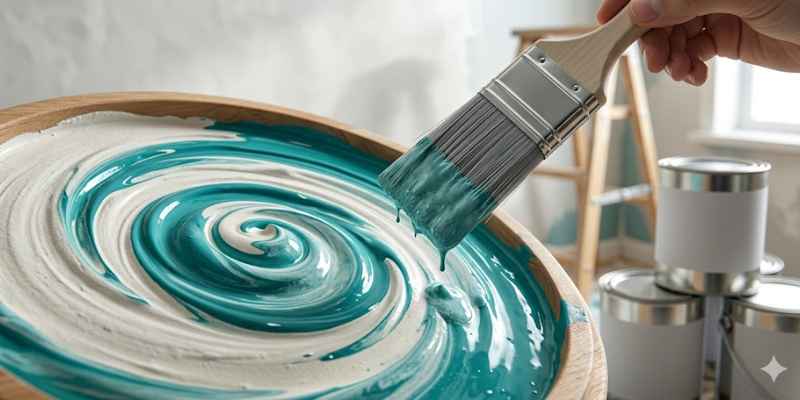
Can You Mix Semi Gloss Paint With Flat Paint? Here’S The Truth
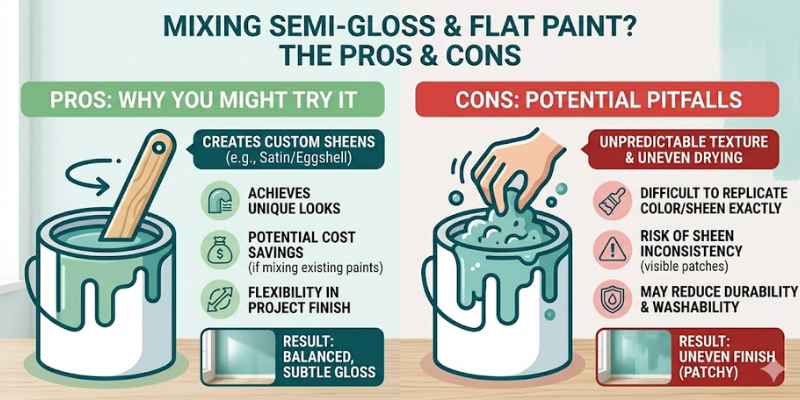
The short answer is: you generally shouldn’t mix semi gloss paint with flat paint. While it’s physically possible to pour them into the same can, the results are usually not what you hope for. They are made with different binders and sheens.
Mixing them can cause problems. These problems affect how the paint looks and how it holds up over time.
Think of it like mixing oil and water. They don’t blend well on their own. Paint is similar.
Semi gloss paint has a higher level of a shiny ingredient called resin. This makes it durable and easy to clean. Flat paint has less resin.
It has more “flatting agents.” These agents reduce shine and give it a soft look. When you mix them, you can end up with a messy result. The paint might not dry evenly.
It might look streaky. It might also not be as durable as you need it to be.
We will explore why this happens. We will also look at what you can expect if you try it. Plus, we’ll discuss better ways to get the look you want.
Understanding paint types is key to a great paint job. It saves you time and money too.
Why Mixing Them Isn’t a Good Idea
Paint is a complex mix of things. It has pigment for color. It has a binder that holds the pigment together.
It also has a solvent, like water or mineral spirits, that makes it liquid. The sheen comes from the binder and other special ingredients.
Semi gloss paint has a lot of binder. This binder creates a hard, smooth, and shiny surface when it dries. This makes it tough and good for high-traffic areas.
It resists stains and can be wiped down easily. It’s often used on trim, doors, and in kitchens or bathrooms.
Flat paint has less binder. It has more fillers. These fillers scatter light.
This is what makes the paint look matte or flat. It hides small wall imperfections well. But it’s not as durable.
It can be harder to clean. It might scuff or mark easily. It’s often used on ceilings or walls in low-traffic rooms.
When you mix these two, their different makeup fights. The binder in the semi gloss might not mix well with the flatting agents in the flat paint. This can lead to a number of issues.
The sheen will be unpredictable. You might get patches that are shinier than others. Or you might get a dull finish that wasn’t intended.
The paint may also not adhere well to the surface. This can cause peeling or flaking later on.
My Own “Oops” Moment with Paint Mixing
I learned this lesson the hard way. It was a few years ago. I was painting a small powder room.
I had a can of lovely semi gloss white paint for the trim. I also had a nearly full can of flat white paint left over from another project. I wanted the walls to have a very subtle sheen, almost eggshell but not quite.
I thought, “Why buy a new can? I’ll just mix them.”
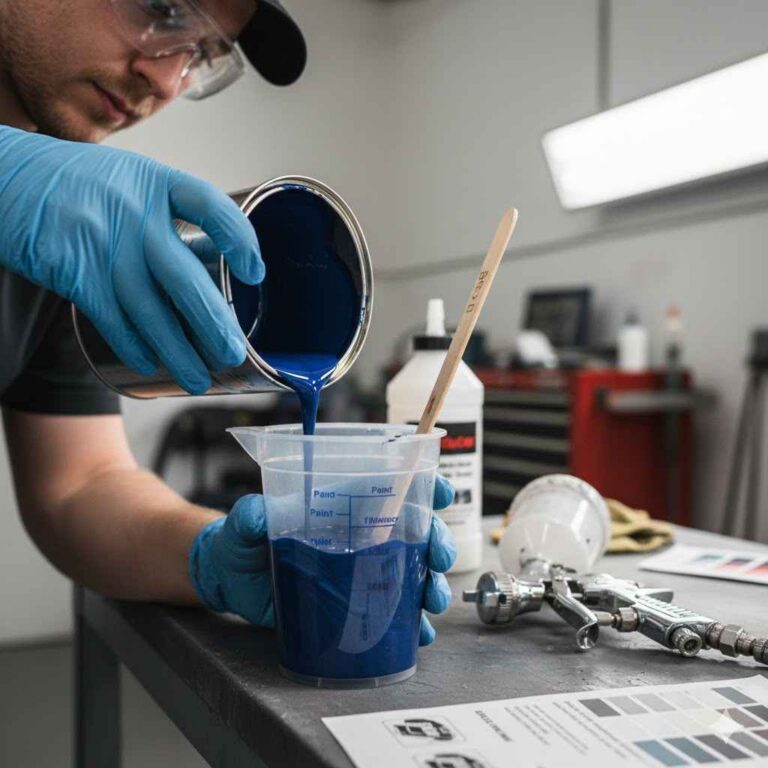
I poured about half of the flat paint into the semi gloss can. I stirred it for what felt like forever. It looked okay in the can.
It seemed like a decent shade of white. I started painting the walls. At first, it looked fine.
But as it started to dry, I noticed something odd. In some spots, the paint looked dull, like the flat paint I added. In other spots, it had a faint sheen, like the semi gloss trying to peek through.
It was streaky. And worse, it felt weird to the touch. It wasn’t smooth.
It was almost chalky in some areas and slightly sticky in others. I tried to add more of the flat paint to try and make it all dull. That just made it worse.
It became patchy and ugly. I ended up having to scrape it all off. Then I had to buy a new can of paint in the correct sheen.
It was a frustrating and time-consuming mistake. That experience taught me to respect the way paints are formulated. It’s better to get the right paint than to try and force a mix.
Paint Sheen Explained: A Quick Look
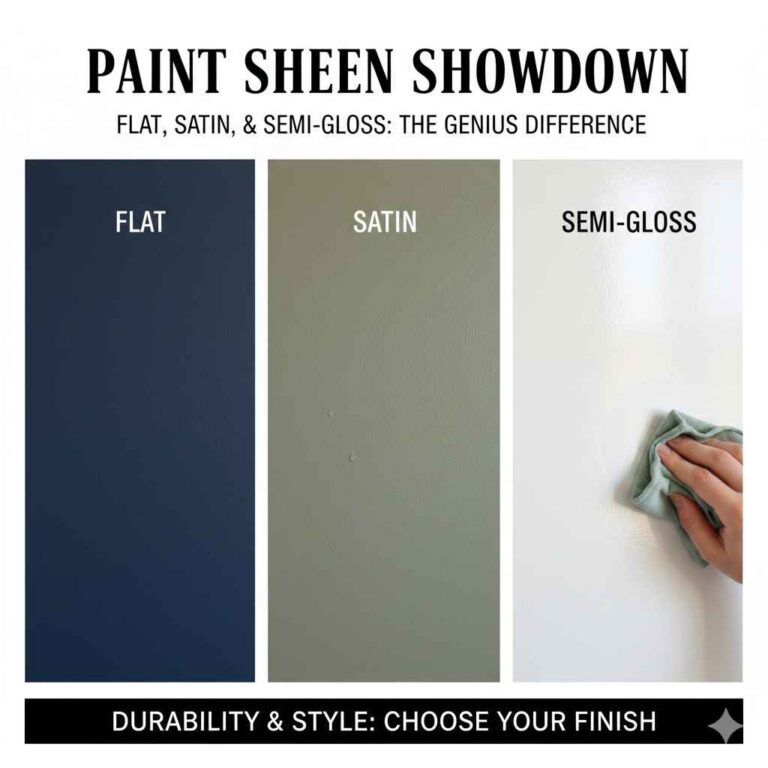
What is Sheen? It’s how much light paint reflects. Higher sheen means more shine.
Types of Sheen:
- Flat/Matte: No shine. Hides flaws. Good for ceilings.
- Eggshell: Very low sheen. Soft look. Good for walls.
- Satin: Slight sheen. More durable than eggshell. Good for high-traffic walls.
- Semi Gloss: Noticeable shine. Very durable. Good for trim, doors, kitchens.
- High Gloss: Very shiny. Most durable. Used for trim, furniture.
What Happens When You Mix Them? Potential Problems
If you do decide to mix semi gloss and flat paint, here’s what you might encounter. These are the common issues people run into.
Uneven Sheen. This is the most obvious problem. You will likely end up with a finish that is not consistent. Some areas will be dull.
Others will have a slight shine. It can look streaky. This is because the different binders and additives in each paint don’t blend perfectly.
They remain separate to some extent.
Poor Adhesion. The paint might not stick to the wall as well as it should. The flatting agents in flat paint can sometimes interfere with how the binder in semi gloss paint grips the surface. This can lead to the paint peeling or flaking off later.
This is especially true if the wall surface is smooth or slick.
Reduced Durability. You won’t get the best of both worlds. The flat paint makes the mix less durable. The semi gloss paint part won’t be as effective.
This means the paint might scratch or scuff more easily. It will also be harder to clean. Stains might set in more quickly.
Difficult Application. The paint might feel strange as you apply it. It could be too thick or too thin. It might not spread evenly.
You might see brush strokes or roller marks more easily. This makes the painting process frustrating.
Color Shifts. While less common, sometimes mixing paints can slightly alter the color. The different pigments and binders can interact in unexpected ways. This could lead to a color that’s not quite what you intended.
Long-Term Performance Issues. Even if it looks okay at first, the problems can show up later. The uneven sheen might become more noticeable with age. The durability issues will certainly become apparent in a busy home.
You might find yourself needing to repaint sooner than you would with a properly chosen paint.
Contrast Matrix: Mixing Paints
| Myth: Mixing semi gloss and flat paint saves money and time. | Reality: It often leads to costly repainting and wasted effort due to poor finish and durability. |
| Myth: Any two white paints mixed will result in a similar white. | Reality: Different formulations can lead to color shifts and unpredictable sheens. |
Why Paint Manufacturers Don’t Recommend It
Paint companies spend a lot of time and money on research. They develop specific formulas for each type of paint. They do this to ensure the paint performs as expected.
They test how it applies. They test how it looks when dry. They test its durability and how well it cleans.
Each sheen level is carefully crafted.
When you mix paints from different cans, especially with different sheens, you are undoing all of that careful work. You are essentially creating a new, untested paint. The warranty on the original paints is likely void if you mix them.
If something goes wrong, the manufacturer cannot help you.
They want you to have a good experience with their product. A good paint job makes a homeowner happy. A bad one leads to frustration.
That’s why they always advise using paints as they are. They suggest buying the correct sheen for the job. This ensures you get the performance and look you paid for.
It’s also about safety and health. While most common house paints are low VOC (volatile organic compounds), some older or specialized paints might have components that don’t mix well. Even if not dangerous, the performance aspect is enough reason to avoid it.
The goal is always to have a beautiful, lasting finish.
Quick-Scan Table: Understanding Paint Bases
Base Type | Typical Use | Binder Level | Sheen Potential
Water-Based (Latex/Acrylic)
| Walls, Ceilings, Trim | Medium to High | All sheens
Oil-Based (Alkyd)
| Trim, Doors, Cabinets | Very High | Satin to High Gloss
Note: Mixing water-based with oil-based is a definite no-no!
What to Do Instead: Better Options
So, if you can’t mix them, what are your options? There are several great ways to achieve the look and performance you want without risky mixing.
1. Buy the Correct Sheen. This is the most straightforward solution. If you want a look somewhere between flat and semi gloss, there are other sheens available.
Eggshell and satin paints offer a middle ground. They provide a subtle sheen that is more durable than flat but less shiny than semi gloss. Look for paints labeled “eggshell” or “satin.” These are designed to give you that balance.
2. Layer Your Paints Carefully. If you have leftover paint, use them for different parts of your project. Use the flat paint on the walls.
Use the semi gloss paint on the trim. This is the standard and recommended way to use different paint sheens. It ensures each surface gets the right protection and appearance.
3. Use Paint Additives (With Caution). Some paint additives can alter the sheen. For example, you can buy flatting agents to make a glossier paint flatter.
However, these additives are specific. They need to be used correctly. They also work best when added to paint of the same base (e.g., adding a water-based additive to a water-based paint).
Overusing them can still cause problems. Always follow the manufacturer’s instructions exactly. And test in an inconspicuous area first.
4. Get a Sample Pot. If you’re unsure about a sheen, buy a small sample pot of paint. This lets you test it on your wall.
You can see how it looks in different lighting. You can also test its durability. This is a much safer approach than mixing cans.
5. Consult a Paint Professional. If you have a specific finish in mind, talk to someone at a paint store. They can guide you toward the best product.
They know which paints are designed for certain looks and durability needs.
Stacked Micro-Sections: Choosing the Right Sheen
For Low-Traffic Areas (Bedrooms, Living Rooms): Flat or Eggshell is usually best. They hide imperfections well.
For Medium-Traffic Areas (Hallways, Family Rooms): Satin or Eggshell works well. They offer more durability and cleanability.
For High-Traffic Areas (Kitchens, Bathrooms, Kids’ Rooms): Satin, Semi Gloss, or even High Gloss are recommended. They are most durable and easiest to clean.
For Trim, Doors, Cabinets: Semi Gloss or High Gloss are common. They stand up to wear and tear and are easy to wipe down.
Understanding Paint Bases: A Critical Factor
It’s not just the sheen that matters. The base of the paint is also very important. Most modern paints are either water-based (latex or acrylic) or oil-based (alkyd).
Water-Based Paints: These are the most common for interior walls and ceilings. They clean up with water. They dry faster.
They tend to be more flexible and less prone to yellowing over time. Flat, eggshell, satin, and semi gloss finishes are readily available in water-based formulas.
Oil-Based Paints: These are known for their hardness and smooth finish. They are often used for trim, doors, and cabinets. They require mineral spirits or paint thinner for cleanup.
They have a stronger odor and take longer to dry. Oil-based paints typically have a higher sheen, like satin, semi gloss, or high gloss.
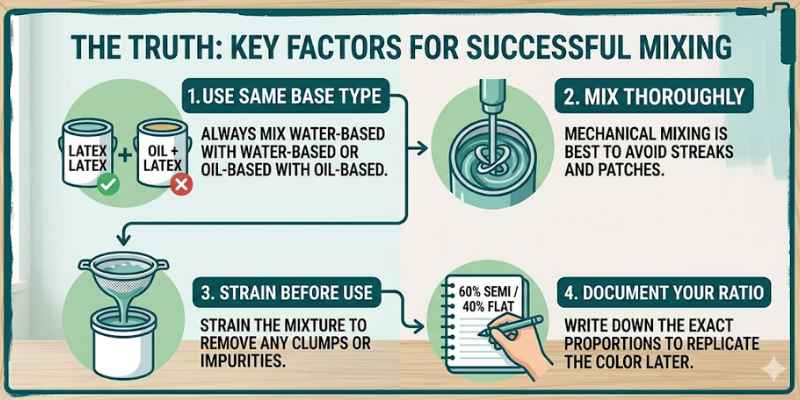
NEVER mix water-based paint with oil-based paint. They are chemically incompatible. They will not mix properly. They will likely curdle or separate.
The resulting mess will be unusable. It can also be very difficult to clean up. Always check the label on your paint can to know its base.
If you have an older home, some trim might be painted with oil-based paint. If you want to paint over it with water-based paint, you usually need to prime it first. A good primer acts as a bridge between the two different types of paint.
This ensures proper adhesion and a smooth finish.
Observational Flow: Why Sheen Matters on Walls
Step 1: Application. You roll or brush the paint on.
Step 2: Drying. The solvent evaporates. The binder cures.
Step 3: Light Reflection.
- Flat: Absorbs most light. Hides imperfections.
- Semi Gloss: Reflects a lot of light. Highlights imperfections but is durable.
- Mixed/Patchy: Scatters light unevenly. Looks unprofessional.
Step 4: Wear and Tear.
- Flat: Scuffs easily. Hard to clean.
- Semi Gloss: Resists scuffs. Easy to wipe clean.
- Mixed/Patchy: Inconsistent protection.
When is a “Slight” Mix Acceptable?
While generally not recommended, there are extremely rare scenarios where a tiny, almost insignificant mix might not ruin everything. This usually involves trying to adjust a sheen slightly.
For example, if you have a paint that is technically “satin” but looks a bit too glossy for your liking, and you have a tiny bit of the exact same paint in “flat” finish. Mixing a minuscule amount (like a tablespoon to a gallon) might slightly reduce the sheen. But even this is risky.
The key words here are “tiny amount” and “exact same paint.” If the paints are from different manufacturers, or different product lines, or different bases, this is still a bad idea. Even with the same paint, you risk unevenness.
My advice? Stick to buying the sheen you want. It’s the safest and most reliable way to get a professional-looking finish.
The peace of mind is worth the small extra cost.
Frequently Asked Questions
Can I mix semi gloss and flat paint to create an eggshell finish?
No, it’s not recommended. Eggshell is a specific sheen created by manufacturers with a precise balance of binders and flatting agents. Mixing semi gloss and flat paint will likely result in an unpredictable and uneven finish, not a true eggshell.
It’s best to buy an actual eggshell paint.
What happens if I mix different brands of paint, even if they are the same sheen?
Even if they are the same sheen, mixing different brands can be problematic. Manufacturers use different formulas and ingredients. These ingredients might not be compatible.
This can lead to issues with adhesion, drying, and the final finish. It’s always best to stick with one brand for a single project.
Can I mix matte paint with satin paint?
Similar to mixing flat and semi gloss, mixing matte and satin paint is not advised. Matte paint has more flatting agents to reduce shine. Satin paint has more binder for a slight sheen and durability.
Mixing them can result in an inconsistent sheen, poor adhesion, and a less durable finish. Buy a paint with the sheen you desire.
My paint looks streaky after mixing flat and semi gloss. What can I do?
If your paint is already mixed and streaky, your best option is to scrape it off and start fresh with the correct paint. Trying to “fix” a streaky mix is very difficult and often makes it worse. You might be able to lighten the sheen slightly by adding a tiny bit of flatting agent, but this requires expertise and testing.
Repainting is the most reliable solution.
Is it ever okay to mix the same type of paint but different colors?
Yes, mixing paints of the same type (e.g., both water-based latex) and same sheen is generally okay, especially if you want to create a custom color. However, it’s always wise to mix the entire batch of paint together thoroughly in a larger container. This ensures the color and sheen are uniform throughout.
Also, ensure they are from the same product line and base.
Will mixing paint affect its VOC content?
Mixing paints generally does not significantly alter the VOC content in a way that would make it suddenly unsafe, especially if you are mixing low-VOC paints. However, the resulting mixture is an unknown. If you are concerned about VOCs, it’s best to use a paint that is already formulated to your desired low-VOC level.
Conclusion
In the world of DIY and home improvement, it’s good to be resourceful. But when it comes to paint, some shortcuts lead to more trouble than they’re worth. Mixing semi gloss and flat paint is one of those shortcuts.
The different ingredients in each type of paint are there for a reason. They create the specific look and performance of that paint. Trying to combine them often results in an uneven finish, poor durability, and a lot of frustration.
It’s almost always better to buy the correct sheen of paint for your project. You can also use different sheens for different parts of your room, like walls and trim. This ensures your paint job looks great and lasts for years to come.
Respect the science behind the paint can!
Sponsored / affiliate links. As an Amazon Associate I earn from qualifying purchases. I may earn additional commission from eligible campaigns.