How To Dispose Of Paint In Washington State The Right Way
Dealing with leftover paint can feel like a puzzle. You’ve finished your project, and now you have cans staring back at you. What’s the best way to get rid of them without harming the planet?
Many people wonder about the rules. It’s not as simple as tossing them in the trash. Washington State has specific guidelines.
We’ll walk through how to handle different types of paint. Let’s make sure we’re doing it the right way, every time.
Disposing of paint in Washington State involves understanding product types. Latex paint can often be dried and trashed, while oil-based paint requires special handling, usually through hazardous waste programs or recycling centers. Aerosol cans and dried paint cans also have specific disposal routes to protect Washington’s environment.
Understanding Paint Disposal in Washington State
Paint is a common household item. But when it’s time to get rid of it, things get a bit tricky. This isn’t just about your trash bin.
It’s about protecting our water and soil. In Washington, there are clear rules for paint disposal. These rules help keep our beautiful state clean.
They apply to different kinds of paint too. We need to know which is which.
The main types of paint we deal with are latex (water-based) and oil-based (solvent-based) paints. Aerosol spray paints also fall into a special category. Each type has its own best disposal method.
The goal is always safety and environmental care. This is why just dumping paint is never an option. We’ll break down each type so you know exactly what to do.

My Experience with Old Paint Cans
I remember a time a few years back. I was cleaning out my garage after a big renovation project. The sun was beating down, and dust was everywhere.
I found a stack of old paint cans. Some were nearly full, others were just dregs. I had no clue what to do with them.
My first thought was, “Can I just throw them away?” I almost did. But then I pictured that paint seeping into the ground. It made me stop.
I felt a knot of worry in my stomach. Was I about to do something harmful? I spent the next hour online, searching for answers.
It was a bit confusing at first. There were so many different rules mentioned. I finally found a local recycling center’s website.
It explained everything clearly. I learned that drying out latex paint was key. For the older, oil-based cans, I needed to take them to a special drop-off.
That feeling of relief when I finally sorted it all out was huge. I didn’t want to be the person who accidentally polluted a stream. Now, I always check before I toss.
Latex Paint: The Easier Choice
Latex paint, also called water-based paint, is the most common kind found in homes. It’s used for walls, ceilings, and trim. The good news is that latex paint is generally considered less harmful than oil-based paint.
This makes its disposal a bit simpler. However, it’s still not something to pour down the drain or into a storm sewer.
In Washington State, the key to disposing of latex paint is to make sure it’s completely dry. Liquid paint can contaminate water sources. When it’s dry, it’s no longer considered a hazardous liquid.
The paint solids are inert. This makes it much safer for landfill disposal. So, the main task is to get that paint solid and hard.
How to Dry Out Latex Paint
Method 1: Air Drying (for small amounts)
If you have a small amount of latex paint (less than an inch in the bottom of the can), simply remove the lid and let it air dry. Place the can in a well-ventilated area, away from children and pets. This can take several days to a week or more, depending on the humidity and amount of paint.
Method 2: Absorbing Liquid (for larger amounts)
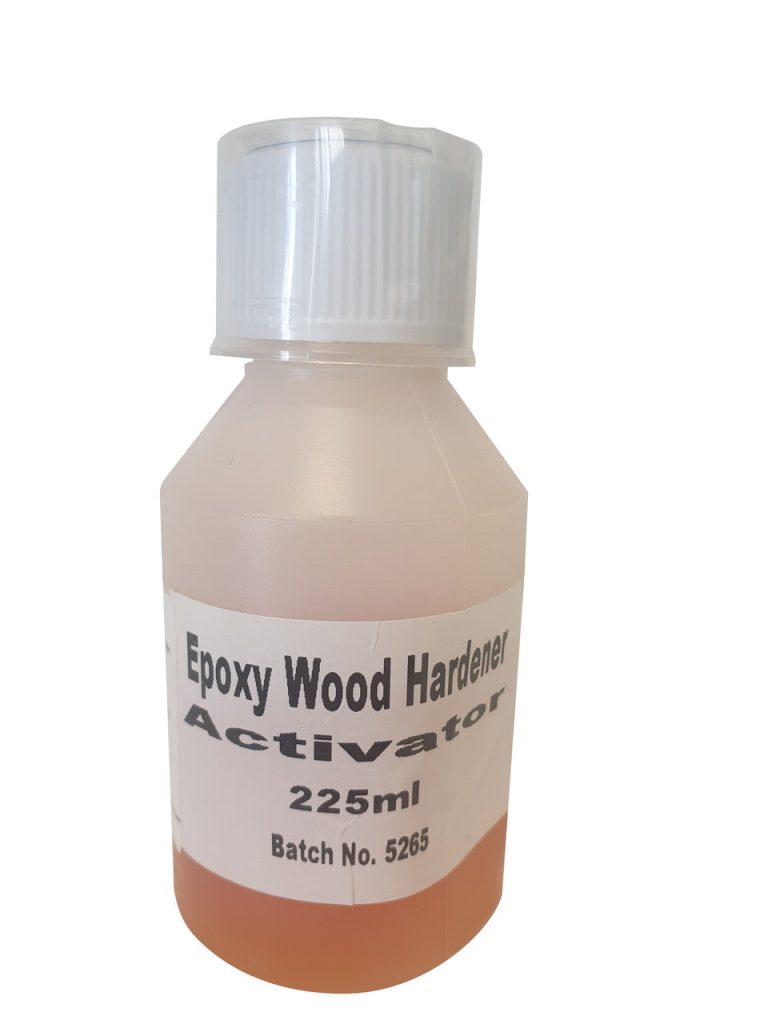
For more paint, you’ll need to speed up the drying process. Mix in an absorbent material. Good options include shredded paper, kitty litter, sawdust, or commercial paint hardeners.
Stir the absorbent material into the paint until it’s thick and no longer liquid. Continue to add more absorbent if needed until the paint is solid.
Method 3: Commercial Paint Hardeners
You can buy special products designed to solidify latex paint. These are very effective and easy to use. Follow the product’s instructions for the amount of paint you have.
Once the paint is completely dry and hard, you can dispose of the can in your regular household trash. Make sure the lid is off so waste handlers can see the paint is solid.
Oil-Based Paint: Handle with Care
Oil-based paints, often called solvent-based paints, are used for things like trim, cabinets, and outdoor furniture. They are known for their durability and smooth finish. These paints contain chemicals that are harmful to the environment.
They are flammable and can pollute water and soil if not disposed of properly. Because of this, oil-based paints are considered household hazardous waste (HHW).
You cannot simply dry out oil-based paint and throw it in the trash. It needs to go to a special facility. Washington State has programs to help residents dispose of HHW safely.
These programs often involve designated drop-off locations or collection events.
Finding Oil-Based Paint Disposal in Washington
Household Hazardous Waste (HHW) Facilities: Many counties in Washington have permanent HHW collection sites. These sites are equipped to handle paints, solvents, cleaners, and other hazardous materials. You can typically drop off a certain amount of HHW for free or a small fee.
Check your county’s Solid Waste or Environmental Services department website for locations and hours.
Special Collection Events: Some communities hold periodic HHW collection events. These are temporary events where you can bring your hazardous waste. Keep an eye on local government announcements or subscribe to their newsletters.
Paint Recycling Programs: Look for paint recycling programs in your area. Organizations like PaintCare operate in some states. They partner with retailers to collect leftover paint for recycling or proper disposal.
Check the PaintCare website for Washington State locations and services.
Never pour oil-based paint down drains or onto the ground. This is illegal and harmful. Always use the designated HHW disposal channels.
Aerosol Spray Paint Cans
Aerosol cans, like spray paint, also require careful disposal. These cans contain propellants that can be flammable and harmful. Even when they seem empty, there can be residual product and pressure inside.
This makes them a potential hazard in landfills or recycling facilities.
The key for aerosol cans is to ensure they are completely empty. If there’s still product and pressure, they should be treated as hazardous waste. If they are truly empty, some programs allow them to be recycled.
It’s important to check local guidelines.
Disposing of Empty Aerosol Cans
Confirm Emptiness: To be considered truly empty, an aerosol can should not spray any product when the nozzle is pressed. There should also be no hissing sound, indicating no residual pressure.
Local Recycling Rules: In many parts of Washington, completely empty aerosol cans (like those that once held paint) can be placed in your curbside recycling bin. However, rules can vary. Some municipalities prefer you take them to a special recycling center or HHW facility.
Always check with your local waste management provider or recycling center.
Never Puncture or Crush: Do not try to puncture or crush aerosol cans. This can release propellants and is dangerous.
What About Cans with Product? If an aerosol paint can still contains product or has pressure, it must be taken to a Household Hazardous Waste (HHW) facility. Treat it the same way you would oil-based paint.
Empty Paint Cans
What about the cans themselves, once the paint is gone? Once a paint can is completely empty and clean, the empty metal or plastic can can often be recycled. Again, local rules are important here.
Some curbside recycling programs accept them, while others do not.
If the can contained dried latex paint, and the paint is fully solidified, you can usually dispose of the can with the dried paint in your regular trash, with the lid off. For oil-based paint cans, even if empty, it’s a good idea to check with your HHW facility. They may have specific instructions for contaminated containers.
Recycling Empty Metal Paint Cans
Check Local Guidelines: Many recycling programs accept empty metal paint cans. They are often made of steel, which is highly recyclable.
Ensure They Are Clean: For recycling, the cans should be as clean as possible. Scrape out any significant paint residue. A small amount of dried-on paint is usually okay.
Lids Off: Always remove the lid. This helps recycling sorters identify the material and ensures the can is truly empty.
Plastic Paint Cans: If you have plastic paint cans, check if your local recycling program accepts plastic type #1 or #2. Most paint cans are not made from these common recyclable plastics, but it’s worth checking.
Paint Recycling and Reuse Options
Beyond just disposal, there are better options for leftover paint. Recycling and reuse programs are becoming more common and are a great way to reduce waste. These programs give paint a new life.
Many community recycling centers and special programs accept unopened or partially used paint. They might sort it for reuse or process it into new products. This is a fantastic way to be environmentally friendly.
Paint Reuse and Recycling Programs
PaintCare Washington: This program, managed by the Washington Department of Ecology, accepts unwanted paint from residents and businesses. They partner with paint retailers and recycling facilities across the state. You can drop off latex and oil-based paints, stains, and varnishes.
Check the PaintCare Washington website for drop-off locations and accepted products.
Community Reuse Centers: Some local waste transfer stations or recycling centers have designated areas for reusable materials, including paint. If your paint is still in good condition, they might take it.
Donation: Consider donating usable paint to local non-profits, community groups, schools, or theater groups. Many organizations can use leftover paint for projects.
Creative Projects: If you have small amounts of various colors, think about using them for small craft projects, touch-ups, or even art projects. Sometimes, a little paint can go a long way.
What This Means for Your Home
Understanding these disposal methods is crucial for any homeowner or renter in Washington. When you finish a painting project, take a moment to assess your leftover paint. Don’t just let cans pile up in the garage or shed indefinitely.
For latex paint, the process is usually straightforward: dry it out completely, then trash the can with the lid off. For oil-based paints and aerosol cans with product, locate your nearest Household Hazardous Waste facility or a PaintCare drop-off site. This ensures they are handled by professionals.
Simple Steps for Paint Disposal
- Identify Paint Type: Is it latex (water-based) or oil-based (solvent-based)?
- Check Can Condition: Is the aerosol can truly empty?
- Latex Paint: Dry it out completely using absorbent materials or air drying.
- Oil-Based Paint: Take to an HHW facility or PaintCare drop-off location.
- Aerosol Cans: Empty ones may be recyclable; partially full ones are HHW.
- Empty Cans: Check local recycling rules; dried latex cans with lids off can go in trash.
- Consider Reuse: Look for paint recycling or donation programs like PaintCare Washington.
When to Seek Professional Help
Most paint disposal scenarios can be handled by following the guidelines above. However, there are times when you might need to seek professional advice. This is especially true if you have very large quantities of paint or unusual types of paint products.
If you are a contractor or business owner, your disposal options might differ. Regulations for businesses are often stricter. Also, if you discover old, unknown substances that might be paint, it’s best to err on the side of caution.
Contact your local environmental agency for guidance.
Situations Requiring Extra Care
Large Volumes: If you have more than a few gallons of paint, especially oil-based, contact your local HHW facility. They can advise on disposal limits and procedures.
Unknown Products: If you find unmarked cans or substances you can’t identify, do not guess. Treat them as potentially hazardous and seek expert advice from your local waste management or environmental health department.
Business Waste: Commercial paint disposal follows different rules. Contact your local waste management authority or a licensed hazardous waste disposal company.

Frequently Asked Questions about Paint Disposal in Washington
Can I pour latex paint down the drain in Washington?
No, you should never pour latex paint down the drain. Even though it’s water-based, it can still clog pipes and is harmful to wastewater treatment systems and the environment. It must be dried out completely before disposal.
Where can I take old oil-based paint in Washington?
Old oil-based paint is considered household hazardous waste. You can take it to a designated Household Hazardous Waste (HHW) facility in your county or to a PaintCare Washington drop-off location. Check the Washington Department of Ecology or PaintCare websites for specific locations.
Are empty spray paint cans recyclable in Washington?
Completely empty aerosol spray paint cans, with no product and no pressure, are often recyclable through your local curbside recycling program in Washington. However, always confirm this with your local waste management provider, as rules can vary by city or county.
What should I do with dried-up latex paint cans?
Once latex paint is completely dried and solid, you can dispose of the can in your regular household trash. Make sure the lid is removed so that waste handlers can see that the paint is no longer liquid.
Does PaintCare Washington accept all types of paint?
PaintCare Washington generally accepts both water-based (latex) and oil-based paints, stains, and varnishes. They do not accept aerosols, solvents, or products that are not paint. Always check their website for the most current list of accepted products.
Is it okay to throw away a paint can with a little bit of paint left in the bottom?
No, it is not okay to throw away a paint can with liquid paint in the bottom, regardless of the type. Liquid paint can leak and contaminate landfills and water sources. Latex paint needs to be dried out, and oil-based paint must be taken to a hazardous waste facility.
Conclusion
Disposing of paint in Washington State doesn’t have to be a headache. By understanding the differences between latex and oil-based paints, and knowing where to take your hazardous waste, you can do your part. Always check local guidelines.
Using resources like PaintCare Washington makes it even easier. Let’s keep our state beautiful, one can at a time.
Sponsored / affiliate links. As an Amazon Associate I earn from qualifying purchases. I may earn additional commission from eligible campaigns.