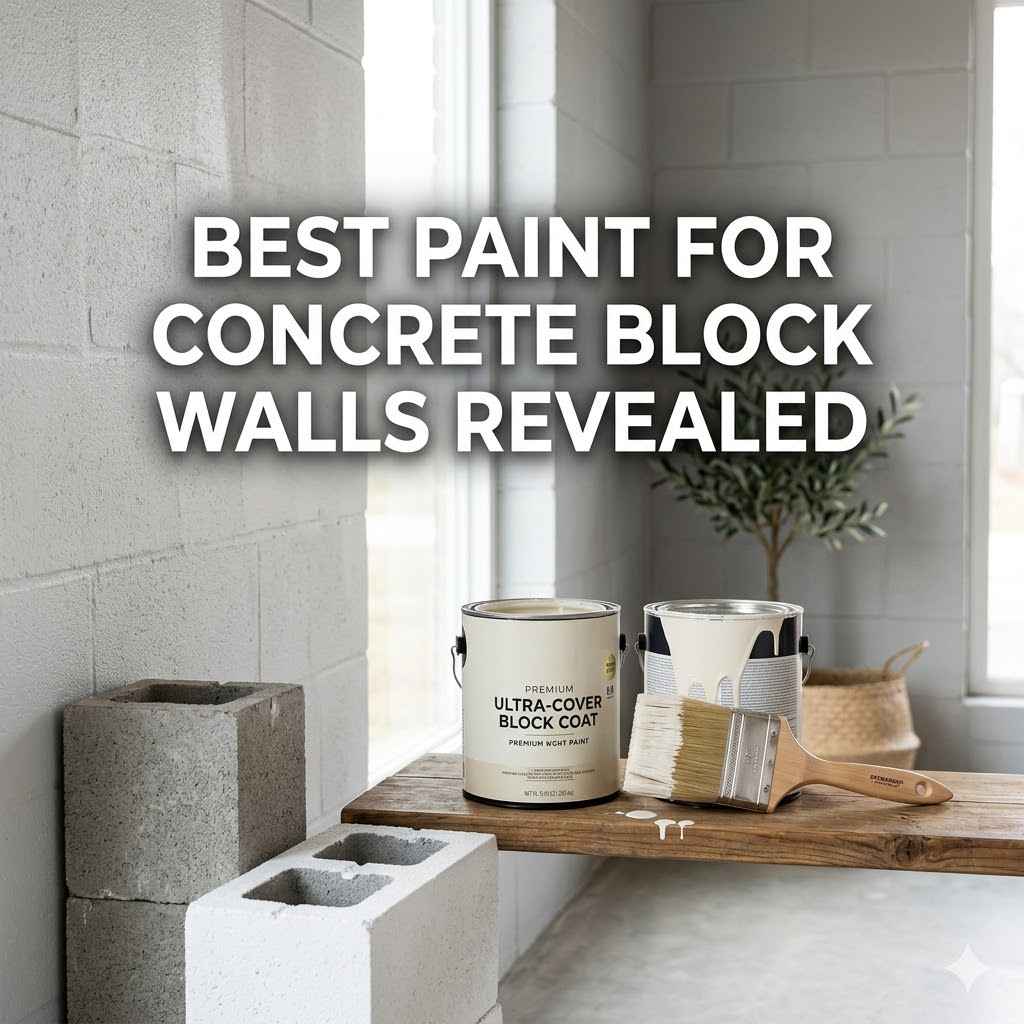
Best Paint for Concrete Block Walls Revealed
Picking the right paint for your concrete block walls can feel tricky. Many people wonder about the Best Paint for Concrete Block Walls Revealed. This is because concrete block is very different from drywall.
It’s porous and rough, so it needs special care. But don’t worry! This guide will show you exactly what you need.
We’ll go step-by-step to make it super simple to get a great finish. Get ready to transform your walls.
Choosing the Best Paint for Concrete Block Walls
Selecting the right paint for concrete block walls is a key step in any project. This section explores why certain paints work better than others for this unique surface. Concrete block has a very different texture and absorbency compared to smooth surfaces like drywall.
Understanding these differences helps you make the best choice for a lasting, beautiful finish. We will look at the main types of paint and what makes them suitable.
Understanding Concrete Block Surfaces
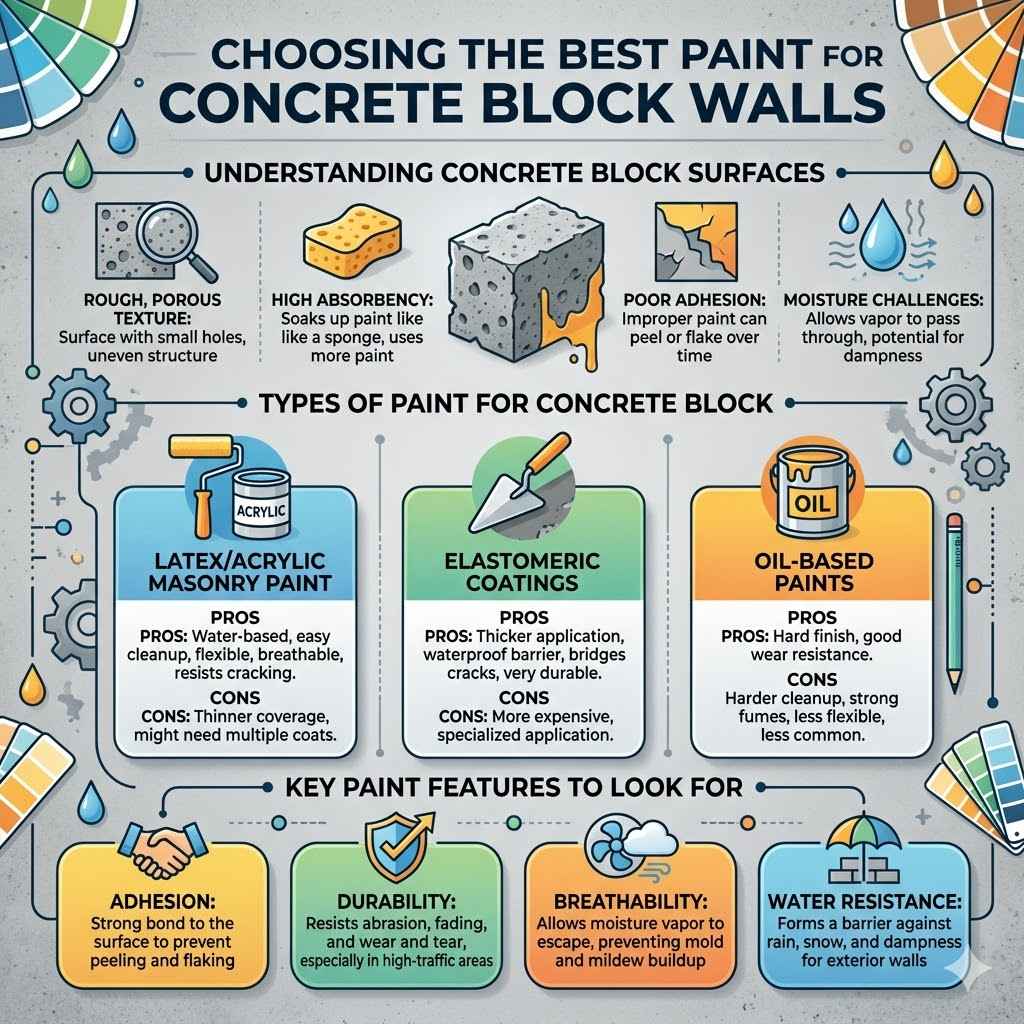
Concrete block, often called CMU (Concrete Masonry Units), is a common building material. It has a rough, porous surface with many small holes. This means it can soak up paint like a sponge.
Without the right preparation and paint, the finish might look uneven or peel over time.
The rough texture also means you need a paint that can adhere well and cover those nooks and crannies. Some paints are too thin and will just soak in, leaving you with poor coverage. Others are too thick and might not penetrate the pores, leading to a weak bond.
The porosity of concrete block is a major factor. It allows moisture to pass through, which can be good for breathability but bad for paint adhesion if not handled correctly. This is why special primers and paints are often recommended.
Types of Paint for Concrete Block
Several types of paint are good for concrete block walls. Each has its own pros and cons depending on where the wall is located and the look you want.
Latex or acrylic masonry paints are very popular. They are water-based, which makes them easy to clean up. These paints are also flexible, meaning they can expand and contract with temperature changes without cracking.
This is important for outdoor walls or walls in basements that might experience some moisture.
Elastomeric coatings are another excellent option, especially for exterior walls. They are thicker and create a waterproof barrier. This makes them great for protecting walls from rain and snow.
They are also very durable and can bridge small cracks.
Oil-based paints can also be used, but they are less common for DIY projects now. They offer a hard finish but can be harder to work with and clean up. They also tend to be less flexible than acrylics.
When choosing, always look for paints specifically designed for masonry or concrete. These are formulated to handle the unique challenges of these surfaces.
Key Paint Features to Look For
When you’re looking at paint cans, certain features are more important for concrete block walls.
Adhesion: This is how well the paint sticks to the surface. Good adhesion means the paint won’t peel or flake off easily.
Adhesion is vital for porous surfaces like concrete block. Paints with excellent adhesion create a strong bond, ensuring the paint stays put for years. This is especially true in areas with high traffic or where the wall might experience bumps or scrapes.
Durability: Concrete block walls can be subject to wear and tear. The paint should be tough enough to withstand this.
Durability means the paint can resist abrasion, fading, and damage. For a garage or workshop, a highly durable paint is a must. For a decorative interior wall, it might be less critical but still important for long-term appearance.
Breathability: Some paints allow moisture vapor to escape from the wall. This is called breathability.
Breathable paints help prevent moisture buildup within the wall, which can lead to mold and mildew. This is a key feature for basement walls or any concrete that might experience condensation. Not all paints offer this, so it’s worth checking the label.
Water Resistance: For exterior walls or areas prone to getting wet, water resistance is crucial.
Water-resistant paints form a barrier against water. This protects the concrete block from damage caused by rain, snow, or dampness. This feature is essential for extending the life of your walls and preventing structural issues.
Preparing Concrete Block Walls for Painting
Proper preparation is the most important part of painting concrete block walls. Skipping these steps means your paint job won’t last. This section covers everything you need to do to get your walls ready.
Cleaning the Walls
Before you can paint, the walls must be clean. Any dirt, dust, grease, or old paint can prevent the new paint from sticking. Start by sweeping away loose debris.
Then, use a stiff brush and a strong cleaning solution. A mix of water and detergent works for general dirt. For tougher stains, you might need a masonry cleaner.
Always rinse the walls thoroughly with clean water. Let them dry completely, which might take a day or two depending on the weather.
A pressure washer can speed up this process for exterior walls. However, be careful not to use too much pressure, as it can damage the surface. For interior walls, a garden hose and a good scrubbing brush are usually sufficient.
Ensure all cleaning residue is removed. Leftover soap can also affect paint adhesion.
Repairing Cracks and Holes
Concrete block walls can develop cracks or have small holes. These need to be fixed before painting. You can use a concrete patch or filler for this.
Apply the filler to the crack or hole with a putty knife. Smooth it out so it’s level with the surrounding wall. Let the filler dry completely according to the product instructions.
Once dry, lightly sand the patched areas so they are smooth and blend in with the rest of the wall. This ensures an even paint finish.
Larger cracks might require a more robust repair product. Some fillers are designed for deeper fills and can handle more significant damage. Always choose a repair product that is compatible with your chosen paint.
For example, if you are using a water-based paint, use a water-based filler.
Priming Concrete Block
A good primer is essential for painting concrete block. It seals the porous surface, prevents the paint from soaking in too much, and helps the topcoat stick better. Use a masonry primer designed for concrete block.
Apply it evenly, making sure to get into all the little holes and crevices.
There are different types of masonry primers. Some are specifically formulated to block stains and efflorescence (a powdery white deposit on the surface). Others are designed for better adhesion on smooth or glossy surfaces, though this is less common for block walls.
Allow the primer to dry completely according to the manufacturer’s directions. This is crucial for achieving the best results with your paint. A primer acts as a bridge between the raw surface and the paint, ensuring a smooth and uniform application.
Sealing Porous Surfaces
Priming also helps seal the porous nature of the concrete block. If the surface is extremely porous, you might need two coats of primer. This is especially true for bare concrete block that has never been painted or sealed before.
A well-sealed surface will look more uniform when painted and require fewer coats of your top paint color.
The sealant in the primer fills in the tiny pores. This prevents the paint from being absorbed unevenly, which would lead to a patchy appearance. It creates a smooth canvas for your final paint color.
You can often tell if a surface needs more sealing if it still looks very dry or dull after one coat of primer. Some masonry sealers can be applied directly without a primer if they are designed for that purpose.
Applying the Best Paint for Concrete Block Walls
Once your walls are prepped and primed, it’s time to paint. This section guides you through the best way to apply your chosen paint for a professional look.
Choosing the Right Tools
The tools you use can make a big difference. For rough concrete block, a roller with a thick nap (around 3/4 inch) is usually best. This allows the roller to get into all the textured areas.
You might also need a paint brush for cutting in around edges and corners. A sprayer can be a good option for large areas, but it requires more setup and practice to get an even coat.
Consider using a roller with an extension pole. This will help you reach higher areas more easily and reduce back strain. If using a sprayer, ensure you have adequate ventilation and masking to protect surrounding areas from overspray.
Painting Techniques for Block Walls
Start by applying paint in sections. Work in small areas so the paint doesn’t dry before you can spread it evenly. Use a roller with a consistent, even pressure.
Roll in a criss-cross pattern, then smooth it out with a final pass in one direction. This helps ensure good coverage in all the textured areas.
For the mortar lines between blocks, you can use a brush to ensure they are fully covered. Alternatively, if using a roller, make sure to overlap your passes generously to fill these recessed areas. Don’t overload your roller or brush, as this can lead to drips and an uneven finish.
Number of Coats Needed
Most concrete block walls will need at least two coats of paint. The first coat seals and provides a base. The second coat provides full, even color and coverage.
For very dark or very light colors, or if the primer wasn’t fully opaque, you might need a third coat. Always allow each coat to dry completely according to the manufacturer’s instructions before applying the next.
Proper drying time is essential. Applying a second coat too soon can trap moisture and lead to peeling or bubbling later on. Check the paint can for specific drying times, which can vary based on temperature and humidity.
Allowing for Proper Drying and Curing
Drying is when the paint feels dry to the touch. Curing is when the paint reaches its full hardness and durability. This can take days or even weeks.
During the curing period, be gentle with the painted surfaces. Avoid scrubbing or heavy impact.
The full cure time is important for the paint to achieve its maximum strength and resilience. This is especially true for high-traffic areas or surfaces that will be exposed to the elements. Respecting this curing time ensures your paint job will last a long time.
Popular and Effective Paint Choices
Now that you know how to prepare and paint, let’s look at some of the best paint options available. These are known for their performance on concrete block walls.
Top Latex and Acrylic Masonry Paints
Many brands offer excellent latex or acrylic masonry paints. These are often labeled as “100% acrylic” for best durability. Look for products that specifically mention use on concrete, stucco, or masonry.
They offer good flexibility and are resistant to alkali, which is common in concrete.
Brands like Sherwin-Williams, Benjamin Moore, and Behr all have highly-rated masonry paints. These are available in a wide range of colors and finishes, from matte to satin. They are also low in VOCs (Volatile Organic Compounds), making them better for indoor air quality.
Example Brand Performance
A popular choice is Sherwin-Williams Concro paint. It’s known for its excellent adhesion and ability to withstand harsh weather conditions. Homeowners have reported using it on exterior foundation walls with great success, noting its ability to resist moisture and UV rays.
It dries to a tough, yet slightly flexible finish that holds up well.
Another excellent option is Benjamin Moore’s DTM (Direct-to-Metal) paint, which can also be used on masonry. While not exclusively for concrete, its durability and adhesion properties make it a strong contender, especially for areas that require extra toughness. It’s formulated to bond directly to surfaces, reducing the need for extensive priming in some cases.
Elastomeric Coatings Explained
Elastomeric coatings are a different category of paint. They are much thicker than regular paint and form a flexible, rubber-like film when dry. This makes them ideal for waterproofing and bridging minor cracks in concrete block walls.
These coatings are especially popular for exterior basement walls or foundation walls. They provide a robust barrier against water penetration. However, they are also breathable to a degree, allowing trapped moisture to escape.
They often come in white or light colors, but some brands offer tintable options.
Benefits of Elastomeric Coatings
Superior Waterproofing: Their thickness and flexibility create an exceptional barrier against water.
This level of waterproofing is unmatched by standard paints. It’s crucial for preventing water damage to the concrete structure and the interior spaces it protects. This makes them a smart investment for long-term wall integrity.
Crack Bridging: They can stretch over and cover small hairline cracks.
This means you don’t always need to fill every tiny crack before application. The coating moves with the wall, preventing new cracks from forming in the coating itself. This offers a more resilient and forgiving finish.
Durability: They are very tough and long-lasting.
Once cured, elastomeric coatings form a highly durable surface that can withstand extreme weather, UV exposure, and physical abrasion. This longevity reduces the need for frequent repainting.
When to Use Special Sealers
Sometimes, even with the best paint, a dedicated concrete sealer is a good idea. This is particularly true for very old, very porous, or damp concrete block walls. A concrete sealer penetrates the pores and hardens the surface.
This provides an extra layer of protection and can help prevent future issues.
There are different types of sealers, including acrylic, silane, and siloxane. For painting, an acrylic-based sealer is often a good choice, as it can be painted over. Always check the product label to ensure the sealer is compatible with your chosen paint.
A sealer can also help prevent efflorescence, the white powdery residue that sometimes appears on concrete.
Sample Scenario: Basement Wall Makeover
Imagine you have a basement wall that’s a bit damp and has some old paint peeling. You want to repaint it to make it look nicer and prevent further moisture problems. First, you’d clean the wall thoroughly, using a masonry cleaner if needed, and let it dry completely.
Then, you’d patch any small holes or cracks with a concrete filler.
After the filler dries, you’d apply a good quality masonry primer. For a basement, one that is breathable and blocks moisture is ideal. Once the primer is dry, you’d apply two coats of a durable, washable latex masonry paint in a light color to brighten the space.
The paint’s washability means you can easily clean off any scuffs or dirt that might occur in a basement.
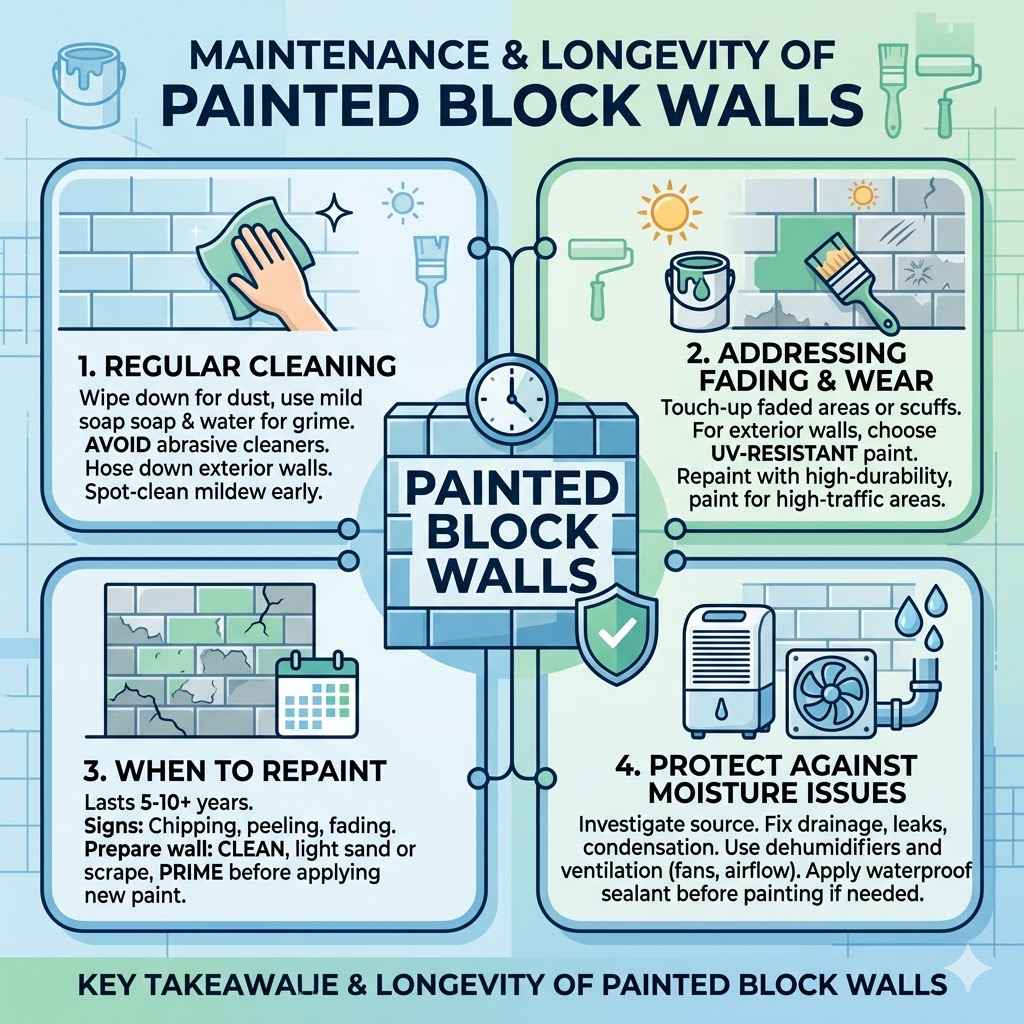
Maintenance and Longevity of Painted Block Walls
Keeping your painted concrete block walls looking good involves simple maintenance. This section will cover how to care for your paint job so it lasts for years.
Regular Cleaning
Wipe down the walls periodically with a damp cloth to remove dust. For tougher grime, use mild soap and water. Avoid abrasive cleaners or scrub brushes, as they can damage the paint finish over time.
For exterior walls, occasional washing with a garden hose can help remove dirt and cobwebs.
If you notice any mildew growth, especially in humid areas like basements or bathrooms, clean it promptly with a solution of one part bleach to three parts water. Rinse thoroughly and allow the area to dry completely. Addressing mildew early prevents it from spreading and damaging the paint.
Addressing Fading and Wear
Even the best paint can fade over time, especially if exposed to direct sunlight. If you notice fading, touch-up applications might be needed. For exterior walls, consider using paints with good UV resistance.
If there’s significant wear and tear in high-traffic areas, a more durable, scrubbable paint finish might be a better choice for future repainting.
Scuff marks can often be removed with a magic eraser or a soft cloth with a bit of mild detergent. For persistent marks, a small touch-up with the original paint color can work wonders. It’s always a good idea to keep a little leftover paint for such repairs.
When to Repaint
Generally, painted concrete block walls can last anywhere from 5 to 10 years or even longer, depending on the quality of the paint, preparation, and environmental conditions. You’ll know it’s time to repaint when you see significant signs of wear, such as extensive chipping, peeling, or fading. If the walls are constantly getting dirty or showing moisture issues, it’s also a good time to refresh the paint and assess the underlying condition of the wall.
Before repainting, always clean the walls thoroughly. If the old paint is still in good condition, a light sanding might be enough to ensure good adhesion for the new coat. If the old paint is failing, you may need to scrape and prime again.
Protecting Against Moisture Issues
Moisture is a major enemy of painted surfaces. If you suspect persistent moisture problems, investigate the source. This could be drainage issues outside, leaks, or condensation.
Addressing the root cause is crucial. For interior basement walls, a dehumidifier can help manage humidity levels. Exterior walls might benefit from improved drainage or the application of a waterproofing sealant before painting.
Ensuring good ventilation in basements and other moisture-prone areas also plays a big role. Proper air circulation helps reduce condensation. If moisture is a recurring problem, consider consulting a professional to assess and fix the underlying issues.
Frequently Asked Questions
Question: What is the easiest type of paint to use on concrete block?
Answer: Latex or acrylic masonry paints are generally the easiest for DIY projects. They are water-based, making cleanup simple with soap and water. They also offer good flexibility and are available in many finishes.
Question: Do I need to prime concrete block walls?
Answer: Yes, priming is highly recommended. A masonry primer seals the porous surface, helps the paint adhere better, and prevents the paint from soaking in unevenly, ensuring a more uniform finish.
Question: Can I paint over old, peeling paint on concrete block?
Answer: You should not paint directly over peeling paint. You need to scrape away all loose and peeling paint, then clean and prime the affected areas before applying new paint for proper adhesion.
Question: How do I clean mold or mildew off painted concrete block?
Answer: You can clean mold or mildew with a solution of one part bleach to three parts water. Apply the solution, let it sit for a few minutes, then scrub gently and rinse thoroughly. Ensure the area dries completely.
Question: What is the best paint finish for a basement concrete block wall?
Answer: A satin or semi-gloss finish is often recommended for basement walls. These finishes are more durable, easier to clean, and more resistant to moisture than a flat or matte finish, making them practical for this environment.
Summary
Finding the Best Paint for Concrete Block Walls Revealed involves preparation and the right product. Clean, repair, and prime your walls thoroughly. Choose a durable masonry paint like latex or acrylic, or an elastomeric coating for waterproofing.
Apply with a thick-nap roller for best coverage. With proper care, your painted block walls will look great for years.
Sponsored / affiliate links. As an Amazon Associate I earn from qualifying purchases. I may earn additional commission from eligible campaigns.