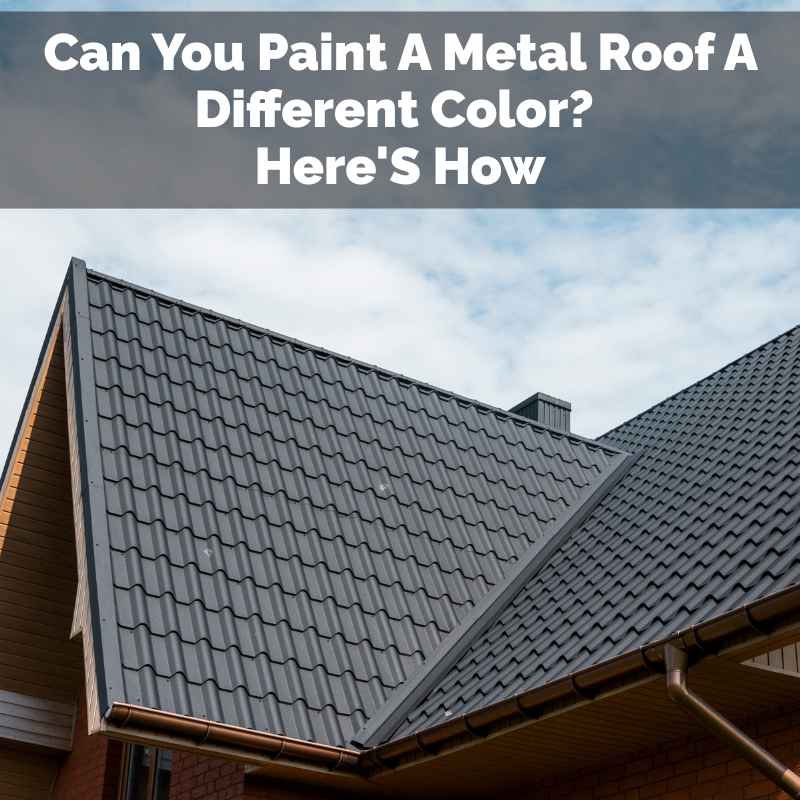
Can You Paint A Metal Roof A Different Color? Here’S How
The answer is a resounding yes! It’s totally possible to give your metal roof a fresh new shade. This can save you a ton of money compared to a full roof replacement.
Plus, it’s a great way to match your roof to new siding or just make your home stand out. We’ll walk through everything you need to know. You’ll learn the best ways to do it.
We’ll cover what to watch out for. Let’s make your home look its best!
Yes, you can paint a metal roof a different color. Proper preparation, using the right type of paint designed for metal, and careful application are key. This process can revitalize your home’s look and protect your roof.
It’s often a cost-effective alternative to replacing the entire roof.
Understanding Metal Roof Painting
Painting a metal roof is more than just slapping on some color. It’s a project that requires careful steps. Doing it right ensures your new color looks great for years.
It also helps protect the roof from the weather. Think of it as giving your roof a durable, stylish coat.
Metal roofs are popular for good reason. They are strong and last a long time. But over time, they can fade.
They might get scratches. Or their original color might just not match your taste anymore. This is where painting comes in.
It’s like giving an old car a new paint job. You can completely change its appearance.
When we talk about painting a metal roof, we mean applying a new coating over the existing surface. This coating needs to stick well. It also needs to handle sun, rain, wind, and temperature changes.
The goal is a smooth, even finish that looks professional. And importantly, it needs to last.
The process involves several key stages. First, you must clean the roof thoroughly. Then, you repair any damage.
After that, you apply a special primer. Finally, you put on the top coat of paint. Each step is vital.
Skipping one can lead to problems down the road.
Why Choose to Paint Your Metal Roof?
There are several good reasons why someone would decide to paint their metal roof. It’s not just about aesthetics. There are practical benefits too.
Let’s break down why this option makes so much sense for many homeowners.
One of the biggest draws is cost. Replacing a metal roof can be very expensive. Painting is usually a fraction of that cost.
If your roof is structurally sound but just looks tired, painting is a smart financial move. It’s a way to get a “new roof look” without the new roof price tag.
Another major factor is updating your home’s look. Maybe you’ve renovated your house. Maybe you’ve added new landscaping.
The old roof color might clash. Painting allows you to match the roof to your home’s updated style. You can choose almost any color you can imagine.
This is a powerful way to boost your home’s curb appeal. A great curb appeal can even increase your home’s value.
Painting can also add an extra layer of protection. Some paints have special additives. These can help reflect sunlight.
This keeps your attic cooler in summer. It can reduce your energy bills. Other paints might offer better resistance to rust or corrosion.
So, beyond looks, you’re also adding a functional benefit.
Finally, think about the environment. Painting rather than replacing means less waste in landfills. You’re also often using materials that are designed to last.
This reduces the need for future replacements, saving resources over time.
The Challenges and Considerations
While painting a metal roof is doable, it’s not without its challenges. It’s a job that requires effort and the right approach. Being aware of these points helps you prepare better.
It ensures you know what you’re getting into.
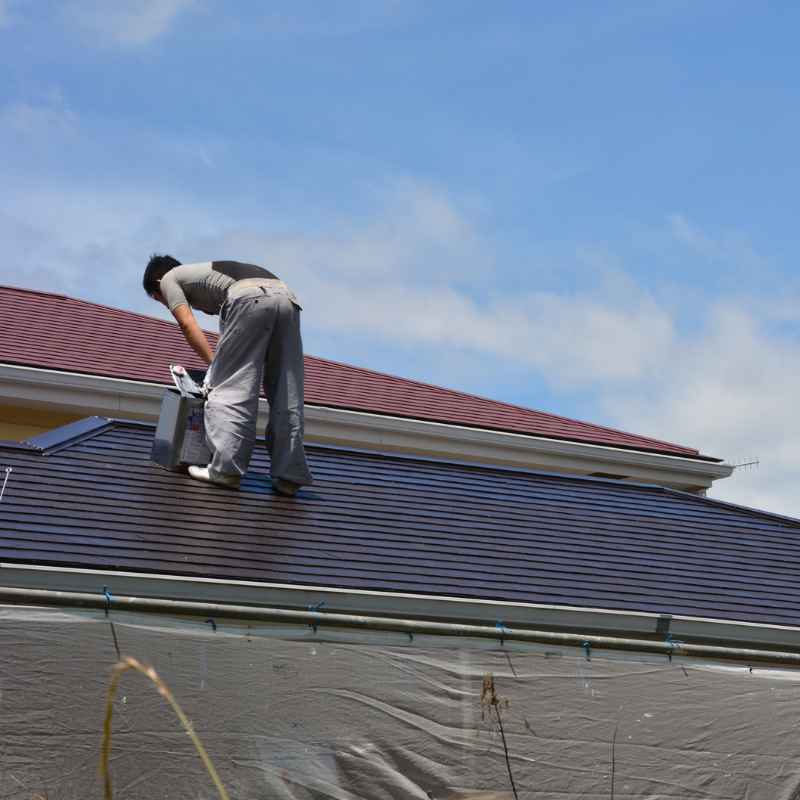
One major challenge is safety. Roofs are high up. Working on a sloped surface is dangerous.
You need to have the right safety gear. This includes harnesses, non-slip shoes, and possibly even scaffolding. If you’re not comfortable with heights or unsure about safety, it’s best to hire a professional.
Your well-being is more important than any paint job.
Weather is another big factor. You need dry conditions for painting. Rain can ruin a fresh paint job.
Extreme heat can make the paint dry too fast. High winds can blow debris onto the wet paint. You also need to consider the temperature.
Most paints have specific temperature ranges for application. You’ll need a few consecutive days of good weather.
The type of metal your roof is made of matters. Different metals need different preparation and paint. Older roofs might have rust.
Some roofs might have been painted before. You need to know what you’re working with. This guides your choice of cleaner, primer, and paint.
Another consideration is the complexity of the roof itself. Does it have many valleys, ridges, and vents? These areas require careful painting.
Getting into tight spots can be tricky. A simple, smooth roof is easier to paint than one with lots of complex shapes.
Finally, there’s the lifespan of the paint. Not all paints are created equal. Using the wrong type of paint means it might start peeling or fading much sooner than you expect.
You need a paint specifically made for exterior metal surfaces. This ensures it can withstand the elements and maintain its color.
Can You Paint a Metal Roof a Different Color? The Expert Answer
The short answer is: absolutely! Painting a metal roof a new color is a very common and effective way to refresh your home’s appearance. It’s a project that many DIYers take on.
Many professional painters also offer this service. It’s a proven method when done correctly. The key is understanding the process and using the right materials.
This isn’t like painting an interior wall. It’s exposed to everything nature throws at it.
The success of painting your metal roof hinges on three main things: preparation, the right products, and proper application. If you nail these, your roof will look fantastic and the paint will last a good long time. Think of it like preparing a canvas before you paint a masterpiece.
You wouldn’t just start painting on a dirty, bumpy surface, right? Your roof deserves the same care.
Can you paint a metal roof a different color? Yes, and it’s a great way to boost your home’s value and style. It adds protection and can even improve energy efficiency. But don’t rush into it.
Take the time to learn each step. This will ensure you get the best possible result. You want a beautiful, long-lasting finish.
We’ll cover how to achieve that next.
The Essential Steps for Painting a Metal Roof
Getting your metal roof ready for paint involves a few critical steps. Each one builds on the last. If you skip one, you might run into problems.
Let’s walk through the process, step by step. This makes it much easier to follow.
First, you need to plan. Check the weather forecast. You need several days of dry, moderate temperatures.
Avoid painting in direct hot sun if possible. Cooler, overcast days are often best. This helps the paint dry evenly.
Next, gather your supplies. You’ll need a good quality cleaner. You’ll also need brushes, rollers, and sprayers.
And, of course, the right primer and paint. Safety gear is a must: gloves, eye protection, and sturdy, non-slip footwear.
Then comes the most important part: cleaning. Your roof must be spotless. Dirt, grease, mildew, and old paint flakes will prevent the new paint from sticking.
You might need a stiff brush and a strong cleaner. For stubborn spots, pressure washing can work. But be careful not to force water under the seams.
Rinse thoroughly. Let the roof dry completely.
After cleaning, inspect for damage. Look for rust spots, holes, or loose screws. Address these issues before painting.
Use a rust-inhibiting primer on any bare metal spots or rusty areas. Tighten loose screws. Replace any damaged panels if necessary.
Once the roof is clean, dry, and repaired, it’s time for the primer. A good primer is essential. It helps the paint adhere better.
It also provides a uniform base color. Some primers are specifically designed for metal. They can help prevent rust and improve paint adhesion.
Apply the primer evenly. Let it dry completely according to the manufacturer’s instructions.
Finally, you apply the paint. Most experts recommend using a high-quality acrylic latex paint. Look for paints formulated for exterior metal surfaces.
These have the flexibility to expand and contract with temperature changes. Apply in thin, even coats. Avoid heavy coats, as they can run and drip.
Two thin coats are usually better than one thick one. Allow each coat to dry fully before applying the next.
For best results, consider the application method. A spray gun can provide the most even finish. However, it requires skill and careful masking to avoid overspray.
Rollers work well for larger, flatter areas. Brushes are good for edges and details. Many people use a combination of these tools.
Painting Your Metal Roof: A Quick Checklist
1. Plan Your Day: Check for 2-3 days of dry, moderate weather.
2. Gather Supplies: Cleaner, primer, paint, brushes, rollers, sprayer, safety gear.
3. Clean Thoroughly: Remove all dirt, grease, mildew, and old paint.
4. Inspect & Repair: Fix rust spots, holes, and loose fasteners.
5. Prime Properly: Use a metal-specific primer for best adhesion.
6. Apply Paint in Thin Coats: Use a sprayer, roller, or brush for an even finish.
7. Allow Drying Time: Let each coat dry completely before the next.
Choosing the Right Paint for Metal Roofs
Selecting the correct paint is crucial. It’s not a one-size-fits-all situation. The wrong paint will fail quickly.
The right paint will give you a beautiful, lasting finish. Let’s talk about what makes a good metal roof paint.
You need paints designed for metal. These are made to stick to smooth surfaces. They also need to be flexible.
Metal roofs expand when hot and contract when cold. A rigid paint will crack. A flexible paint can move with the metal.
This prevents peeling and damage.
Acrylic latex paints are a popular choice. Look for those labeled for “exterior metal,” “roof coatings,” or “architectural coatings.” These usually offer good durability and color retention. They are also easier to clean up than oil-based paints.
Consider the finish. Most people opt for a satin or semi-gloss finish. These are easier to clean than a flat finish.
They also offer a bit more sheen. A high-gloss finish might highlight imperfections too much. A flat finish can be harder to keep clean.
What about color? Lighter colors can help reflect sunlight. This can keep your home cooler.
It can save you money on air conditioning. Darker colors absorb more heat. But sometimes, a dark color is exactly what you want for a certain look.
Just be aware of the potential heat absorption.
Some paints offer special features. For example, some are self-priming. This means they combine primer and paint in one.
While convenient, a separate primer often provides better adhesion and protection, especially on bare or rusty spots. Others might have mildewcide or UV blockers. These add extra protection against the elements.
Always check the manufacturer’s recommendations. They will tell you if the paint is suitable for metal roofs. They will also outline the proper application method.
Follow their advice closely. This is part of the expertise that guides a successful project.
Think about your climate too. If you live in an area with extreme temperature swings, flexibility is key. If you have a lot of rain, a good waterproofing quality is important.
The paint needs to stand up to your local weather conditions.
Paint Types for Metal Roofs
- Acrylic Latex Formulas: Flexible, durable, easy cleanup. Best for most metal roofs.
- Elastomeric Coatings: Very flexible, excellent waterproofing. Can be thicker.
- Alkyd Enamels (Oil-Based): Durable but less flexible. Can become brittle. Use with caution.
- Specialty Metal Paints: Look for “Direct-to-Metal” (DTM) or “Roof Coating” labels.
Surface Preparation is Non-Negotiable
Let’s talk about a part of the process that many people want to rush. It’s cleaning and prepping the roof. But honestly, this is the most important step.
If you don’t get this right, your new paint job will fail. It will peel or flake much sooner than you want.
Imagine trying to put a sticker on a dirty window. It won’t stick well, right? The same idea applies to painting a roof.
Dirt, oil, grease, mildew, and old peeling paint are like barriers. They stop the new paint from bonding to the metal surface. This is why thorough cleaning is absolutely essential.
You’ll need to start with a good wash. Use a strong cleaner designed for exterior surfaces. A mix of water and TSP (trisodium phosphate) works well for tough grease.
Or you can buy specialized roof cleaners. Use a stiff brush to scrub away any grime. Pay attention to moss or mildew.
These need to be killed off.
Rinsing is just as important as washing. You must get all the cleaner residue off. Leftover soap can also prevent paint from sticking.
Use a hose or a pressure washer on a low setting. Work from the top of the roof down. Make sure you rinse every bit of the cleaning solution away.
After cleaning, let the roof dry completely. This can take a full day or even two, depending on the weather. You can often tell if it’s dry by looking for any dark, wet spots.
You might even use a moisture meter. Any moisture trapped under the paint will cause problems later.
Then comes the inspection. Look for any rust. If you see any, you need to deal with it.
You can often sand it off. Then, you apply a rust-inhibiting primer specifically for metal. This stops the rust from spreading.
Also check for any loose screws or nails. Tighten them up. If there are any small holes, you might need to patch them with a sealant.
Any loose or peeling paint from a previous job must be removed. Scrape it off. Sand the edges smooth.
You want a uniform surface. The goal is to create a surface that is clean, dry, and sound. This is the foundation for a paint job that lasts.
Surface Prep: The Key to Longevity
- Wash Away Grime: Use a strong cleaner and a stiff brush.
- Rinse Completely: Remove all soap and dirt residue.
- Dry Fully: Ensure no moisture remains trapped.
- Address Rust: Sand and apply a rust-inhibiting primer.
- Remove Loose Paint: Scrape and sand edges for a smooth transition.
- Check Fasteners: Tighten any loose screws or nails.
Applying the Paint: Technique Matters
Now comes the exciting part – applying the new color! But how you put the paint on makes a big difference. The goal is a smooth, even coat that looks professional and lasts for years.
This isn’t like painting a fence where a quick coat is fine. Your roof sees everything!
Many professionals recommend using a sprayer for the best results. A high-quality paint sprayer can lay down a very thin, even coat. This helps avoid drips and roller marks.
If you use a sprayer, you’ll need to mask off surrounding areas very carefully. You don’t want paint on your siding, windows, or landscaping. Overspray can be a real problem.
If you’re using rollers, choose good quality ones designed for exterior painting. A medium nap roller often works well. Work in sections.
Try to maintain a wet edge. This means you paint into the area you just painted. This helps avoid lap marks.
Lap marks are lines where one stroke of the roller meets another. They are very noticeable.
Brushes are useful for edges, corners, and around vents or pipes. Use a good quality angled brush for precision. Work carefully and neatly.
Regardless of your tool, apply the paint in thin, even coats. Resist the urge to put it on thick to get the job done faster. Thick coats tend to drip.
They can also take much longer to dry. Two thin coats are almost always better than one heavy coat.
Let the first coat dry completely before applying the second. Check the paint can for drying times. These can vary based on temperature and humidity.
Rushing this step can cause the paint to lift or peel.
Consider the direction you paint. For metal panels, painting in the direction of the panel’s corrugations or seams often looks best. It helps create a uniform appearance.
If your roof has a specific pattern, follow that. The goal is a seamless look.
Don’t forget about safety while painting. You’ll still be on the roof. Make sure your equipment is stable.
Keep your footing secure. Take breaks. Painting is physically demanding work.
If you’re unsure about using a sprayer or have a complex roof design, hiring a professional painter who specializes in roofs is a wise choice. They have the experience and equipment to do the job right. They also know how to manage safety effectively.
Application Tips for a Smooth Finish
- Use a Sprayer: For the most even finish, but requires careful masking.
- Roller Technique: Maintain a wet edge to avoid lap marks.
- Brush for Details: Use for edges, corners, and around fixtures.
- Thin Coats are Best: Avoid thick, heavy applications.
- Dry Between Coats: Follow manufacturer’s recommendations strictly.
- Consistent Direction: Paint with the panel’s lines or seams.
Personal Experience: The Day the Color Changed
I remember one particularly stubborn summer. My house was a standard beige, and the roof was that same faded beige. It was… fine.
But it was also incredibly boring. My neighbor, who had just finished a colorful renovation, had a bright blue metal roof. It popped!
It made my house look so dull in comparison. I decided it was time for a change.
The idea of painting the roof felt huge. I’d never painted anything bigger than a chair before. But I really wanted a dark gray, almost charcoal color.
It felt modern and sleek. So, I did a ton of research. I watched videos.
I read articles – much like this one!
The biggest hurdle was the fear factor. Was it safe? Would I mess it up?
I decided to tackle it myself. I rented a sturdy ladder. I bought a safety harness from a hardware store.
The first day was just cleaning. I used a strong degreaser and a scrub brush. It felt endless.
My arms were sore. But as the dirt washed away, I saw the true color of the metal underneath. It wasn’t perfect, but it was a good base.
The next day was priming. I used a rust-inhibiting primer because I spotted a few faint orange spots. Rolling the primer on felt strange at first.
The roof was so hot from the sun. I had to work fast but also carefully. I kept thinking, “What if this doesn’t stick?” That doubt lingered.
Then came the paint. I chose a high-quality acrylic latex in a dark gray. I decided to use a roller for most of it.
I worked in small sections, painting towards the gutters. I made sure each stroke overlapped the last a little. It took me two full days to paint the entire roof.
Two thin coats. The first coat looked a bit patchy in places. But the second coat smoothed everything out.
Seeing that dark gray spread across my roof was amazing. It felt like a whole new house. The transformation was incredible.
It wasn’t just a paint job; it was a whole new vibe for my home.
When to Call a Professional
While DIY painting of a metal roof is possible, there are definitely times when calling a professional is the smarter move. They bring expertise, equipment, and an understanding of safety that’s hard to match.
Safety First: If you are afraid of heights, have mobility issues, or don’t feel comfortable working on a steep, slick surface, hire a pro. They have the proper safety equipment and training. They know how to work on roofs without endangering themselves or your property.
Complex Roofs: If your roof has many angles, dormers, valleys, or intricate details, it can be very challenging to paint evenly. Professionals have the experience to handle these complexities. They can ensure all areas are covered properly.
Time Constraints: Painting a roof takes time. If you have a busy schedule, it might be better to outsource the job. Professionals can often complete the project much faster than a DIYer.
Equipment Needs: For the best finish, a paint sprayer is often recommended. If you don’t own one, renting one and learning to use it properly can be a hassle. Professional painters have their own high-quality sprayers.
Warranty Concerns: Some manufacturers might offer warranties on their paint products, but these are often contingent on professional application. Check the paint warranty details. Using a professional might help ensure you get the full benefit of the warranty.
Peace of Mind: Sometimes, the cost of a professional is worth the peace of mind. Knowing the job is done correctly, safely, and will look good for years can be invaluable. They also typically offer a warranty on their labor.
When you’re looking for a professional, get multiple quotes. Ask about their experience with metal roofs. Check reviews and ask for references.
A reputable company will be happy to show you examples of their work.
Signs You Might Need a Pro Painter
- Safety Concerns: You’re uncomfortable with heights or steep slopes.
- Complex Roof Design: Many angles, valleys, or obstructions.
- Limited Time: You can’t dedicate several days to the project.
- Desire for Best Finish: You want a factory-smooth, professional look.
- Warranty Requirements: Professional application might be needed for warranty coverage.
Real-World Context: How Long Does Painted Metal Last?
When you invest time and money into painting your metal roof, you want it to last. How long can you expect the new color to hold up? The lifespan of a painted metal roof depends on several factors.
It’s not a one-size-fits-all answer. But we can look at general expectations and what influences them.
Generally, a properly painted metal roof can last anywhere from 10 to 20 years, sometimes even longer. This is a significant amount of time. It’s much longer than many other roofing materials.
The quality of the paint used is a big player here. High-quality, specialized metal roof coatings are designed for longevity. Cheaper or improper paints will degrade much faster.
The environment plays a huge role. Roofs in areas with harsh weather – extreme sun, heavy rain, snow, ice, and strong winds – will likely see their paint wear down faster. Constant UV exposure can fade colors over time.
Extreme temperature fluctuations can stress the paint film, leading to cracking or peeling if the paint isn’t flexible enough.
Maintenance is also key. Regular cleaning can help preserve the paint. Keeping the roof free of debris like leaves and branches prevents moisture buildup.
It also stops potential scratching. Addressing minor issues like small chips or scratches promptly can prevent them from spreading and causing bigger problems.
The original condition of the roof before painting matters too. If the roof had minor rust that wasn’t fully addressed, or if there were still traces of old, poorly adhering paint, the new coating might not bond as well. This can shorten its lifespan.
The color of the paint can also affect its lifespan. Darker colors absorb more heat. This can lead to greater expansion and contraction cycles for the metal and paint.
Some studies suggest that lighter, reflective colors may last slightly longer because they experience less thermal stress. However, modern paints are engineered to handle these stresses well.
So, while 10-20 years is a good benchmark, remember it’s an estimate. With careful preparation, the right products, professional application, and good maintenance, you can maximize the lifespan of your painted metal roof. It’s an investment that, when done right, pays off for a long time.
What Does This Mean for You?
Knowing that you can paint a metal roof a different color opens up a lot of possibilities. But what does this information mean for your home and your wallet? It means you have more control over your home’s appearance than you might think.
Option for Style Updates: If you’re tired of your current roof color, you don’t have to live with it. You can choose a color that better matches your home’s style or your personal taste. This is a fantastic way to update your home’s curb appeal without a major renovation.
Imagine going from a drab brown to a sleek charcoal or even a bold deep red!
Cost Savings: Compared to replacing the entire roof, painting is a significant cost saver. If your existing metal roof is in good condition structurally, painting is a very practical solution. It’s a way to achieve a “new roof” look for much less money.
This can free up budget for other home improvement projects.
Extended Roof Life: A good paint job doesn’t just add color; it adds protection. The coating seals the roof from moisture and can even provide some UV protection. This can help prevent minor corrosion and degradation, potentially extending the life of your metal roof even further.
Energy Efficiency Potential: Choosing lighter, reflective colors can actually help reduce your home’s cooling costs. These colors bounce sunlight away, keeping your attic and the rooms below cooler. This is especially beneficial in warmer climates.
It’s a win-win: looks good and saves energy.
DIY vs. Pro Decision: Understanding the process helps you decide if this is a DIY project for you or if you need to hire a professional. Weigh your comfort level with heights, your available time, and your budget.
Either way, you have a clear path to a refreshed roof.
Ultimately, the ability to paint your metal roof means you have an accessible, effective way to improve your home’s aesthetics and protect your investment. It empowers you to make your house look exactly how you want it to.
Common Pitfalls to Avoid
When you’re embarking on a project like painting a metal roof, it’s easy to make mistakes, especially if it’s your first time. Being aware of common pitfalls can help you avoid them. This saves you time, money, and frustration.
Pitfall 1: Inadequate Cleaning. This is the number one mistake. People try to paint over dirt, mildew, or oily residue. The paint just won’t stick.
Always do a thorough cleaning. Use the right cleaners. Rinse completely.
Make sure it’s bone dry before you even think about primer.
Pitfall 2: Using the Wrong Paint. Not all paint is made for exterior metal roofs. You need a flexible coating designed to withstand temperature changes and UV exposure. Using interior paint or standard exterior house paint will lead to peeling and cracking quickly.
Pitfall 3: Skipping the Primer. Primer is essential for metal. It creates a surface for the paint to grip onto. It also helps prevent rust.
Some paints claim to be “self-priming,” but a dedicated primer often offers superior adhesion and protection, especially on challenging surfaces.
Pitfall 4: Painting in Bad Weather. Rain, extreme heat, or high winds are enemies of a good paint job. Rain washes away uncured paint. Heat can make it dry too fast, causing issues.
Wind blows debris onto the wet surface. Choose your painting days wisely.
Pitfall 5: Applying Paint Too Thickly. It might seem faster to put on a thick coat. But thick paint tends to run and drip. It also dries poorly.
Multiple thin coats are always better. They provide a more even, durable finish.
Pitfall 6: Ignoring Safety. Working on a roof is dangerous. Not using a safety harness, proper footwear, or being cautious can lead to serious injury. If you’re not confident, hire a professional.
Your safety is paramount.
Pitfall 7: Not Addressing Rust Properly. If you have rust spots and only paint over them, the rust will continue to spread. You need to treat rust. Sand it down as much as possible and use a rust-inhibiting primer designed for metal.
By being mindful of these common mistakes, you can significantly increase your chances of a successful and long-lasting painted metal roof.
Common Mistakes to Avoid
- Rushing Cleaning: Dirt and grime are the enemy of adhesion.
- Wrong Paint Type: Use only exterior metal-specific coatings.
- Skipping Primer: Essential for adhesion and rust prevention.
- Poor Weather Painting: Rain, heat, and wind can ruin the job.
- Thick Paint Coats: Leads to drips and poor drying.
- Neglecting Safety: Roof work is dangerous; take precautions.
- Ignoring Rust: It needs to be treated, not just covered.
Frequently Asked Questions
Can I paint my aluminum roof the same way as a steel roof?
Yes, but with some nuances. Aluminum roofs also need thorough cleaning and proper prep. You’ll want to use a primer specifically designed for aluminum, as it can oxidize differently than steel.
Many acrylic latex paints designed for metal work well on both. Always check the paint manufacturer’s guidelines for specific metal compatibility.
How long does it take to paint a metal roof?
The time it takes varies greatly. For a standard-sized home, it can take anywhere from 2 to 4 days of actual painting work. This doesn’t include the prep time, which can also take a full day.
Factors like the roof’s size, complexity, the weather, and whether you’re using a sprayer or rollers will influence the duration.
Will painting my metal roof void its warranty?
This is a crucial question. Some manufacturers may have specific requirements for roof coatings or may void warranties if non-approved products or methods are used. It’s essential to check your specific metal roof warranty documentation before you begin.
If in doubt, contact the manufacturer or a professional installer.
What’s the difference between a metal roof coating and paint?
While often used interchangeably, coatings can be thicker and more robust than standard paint. Many metal roof coatings are elastomeric, meaning they are highly flexible and can expand and contract significantly. They often offer superior waterproofing and UV resistance compared to regular paint.
However, high-quality metal roof paints also perform very well.
Can I paint a standing seam metal roof?
Absolutely! Standing seam metal roofs are excellent candidates for painting. Their smooth, uniform panels make them relatively easy to paint, especially with a sprayer.
The key is proper preparation and using the right paint for metal. The lines of the standing seams can actually help guide your application for a neat finish.
What is the best time of year to paint a metal roof?
The best time is generally late spring or early fall. These seasons often offer mild temperatures (between 50°F and 85°F) and lower humidity. Avoiding the extreme heat of summer or the freezing temperatures and moisture of winter is crucial for paint adhesion and drying.
You also need several consecutive dry days.
Conclusion
So, can you paint a metal roof a different color? The answer is a definite yes! It’s a fantastic way to refresh your home’s look.
It’s also a practical choice for protecting your investment. With careful preparation, the right materials, and a bit of patience, you can achieve a beautiful, lasting finish.
Whether you decide to take on this project yourself or hire a professional, understanding the steps involved is key. From cleaning to priming and painting, each stage plays a vital role. Enjoy the process of transforming your home’s exterior!
Sponsored / affiliate links. As an Amazon Associate I earn from qualifying purchases. I may earn additional commission from eligible campaigns.