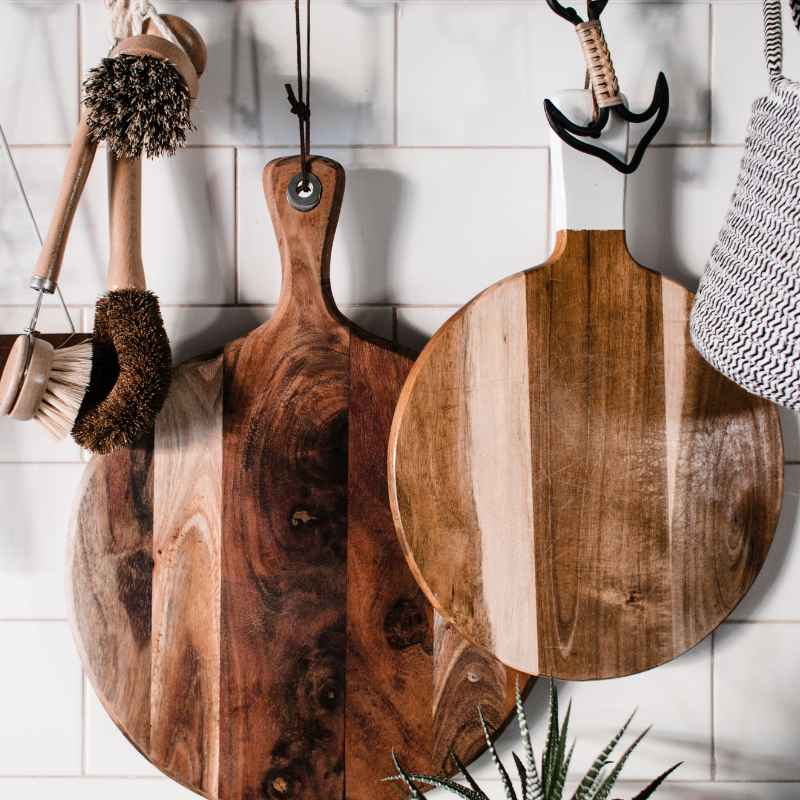
Are Plastic Or Wooden Chopping Boards Better? Expert Answer
Chopping boards are kitchen workhorses. We use them every day. We chop veggies, meat, and bread.
The board we pick matters. It affects our knife. It affects our food’s safety.
It can even affect our kitchen counter. Plastic boards are common. They are often cheap.
They come in many colors. Wooden boards look nice. They feel solid.
Many chefs love them. But are they the best choice for everyone?
We need to look at a few key things. Hygiene is a big one. How easy is it to clean each board?
Durability is another. How long will it last? What about impact on knives?
Does one dull your knives faster? Finally, what’s the best job for each type of board? This helps us decide.
Both plastic and wooden chopping boards have pros and cons. Plastic boards are generally easier to sanitize and won’t absorb strong odors or juices. Wooden boards are gentler on knives and can be aesthetically pleasing, but require more careful cleaning and maintenance to prevent bacteria growth.
Understanding Plastic Chopping Boards
Plastic boards are everywhere. They are super popular. This is for good reason.
They are made from materials like polyethylene or polypropylene. These materials are non-porous. This means liquids don’t soak into them easily.
This is a big win for hygiene. It means juices from raw meat don’t linger. They also don’t absorb strong smells.
Think about garlic or onions. A plastic board won’t hold onto that smell. You can wash it well.
It will smell fresh again.
Cleaning plastic boards is usually simple. Most can go in the dishwasher. Hot water and soap work wonders.
The high heat of a dishwasher can kill germs. This is a huge plus for food safety. It makes them a good choice for busy kitchens.
They are also often lighter. This makes them easy to move around. They can also be quite inexpensive.
This makes them an easy buy for most people.
However, plastic has its downsides. Knives can cut into plastic. Over time, these cuts can add up.
These grooves can become tiny homes for bacteria. Even with washing, these hidden spots are hard to clean. This can be a concern for food safety.
Also, some plastics can warp or crack over time. This makes them less useful and harder to clean.
Plastic Board: Quick Facts
Pros:
- Easy to clean and sanitize.
- Dishwasher safe.
- Non-porous, less odor absorption.
- Often affordable.
- Lightweight.
Cons:
- Can get deep knife marks.
- Marks can harbor bacteria.
- Can warp or crack.
- Less gentle on knife edges.
Exploring Wooden Chopping Boards
Wood has been used for ages. Wooden boards bring a natural feel to the kitchen. They look beautiful.
They are often made from hardwoods like maple, bamboo, or walnut. These woods are naturally a bit harder. They feel good under the knife.
Many cooks say their knives stay sharper longer with wood. This is because wood has a little bit of give. It’s not as harsh on the blade as plastic can be.
Wood is also naturally antimicrobial. This is a bit of a surprise for some! Certain types of wood have compounds that can help kill bacteria.
This is different from plastic. Plastic has to be cleaned to kill germs. Wood has some ability to do it on its own.
This is a great feature. It adds a layer of safety.
But wood needs more care. It’s porous. This means it can absorb liquids and smells.
You can’t just toss a wooden board in the dishwasher. The hot water and soap will ruin the wood. It can cause it to crack, warp, or split.
This makes it hard to clean and unsafe. Wood needs to be washed by hand. Then it needs to be dried well.
Regular oiling is also important. This keeps the wood from drying out. It helps it resist stains and smells.
Wooden Board: Quick Facts
Pros:
- Gentle on knives.
- Aesthetically pleasing.
- Natural antimicrobial properties.
- Durable if cared for.
Cons:
- Requires more maintenance (oiling, hand washing).
- Can absorb stains and odors.
- Porous nature can harbor bacteria if not cleaned well.
- Cannot go in the dishwasher.
Hygiene: A Deep Dive
This is where many people get concerned. We all want to keep our food safe. We don’t want to spread germs.
Let’s break down hygiene for both types.
Plastic boards are non-porous. This is their biggest hygiene advantage. When you cut on plastic, the knife marks are usually shallow.
If you clean it right away, most bacteria are washed away. The dishwasher is a game-changer for plastic. It uses high heat to kill germs.
This is a really effective way to sanitize.
However, as mentioned, deep scratches on plastic can be a problem. If you cut raw meat on a plastic board, and then use the same board for salad, you can cross-contaminate. This is a risk.
It’s why many people recommend having separate boards. One for raw meat. Another for fruits and veggies.
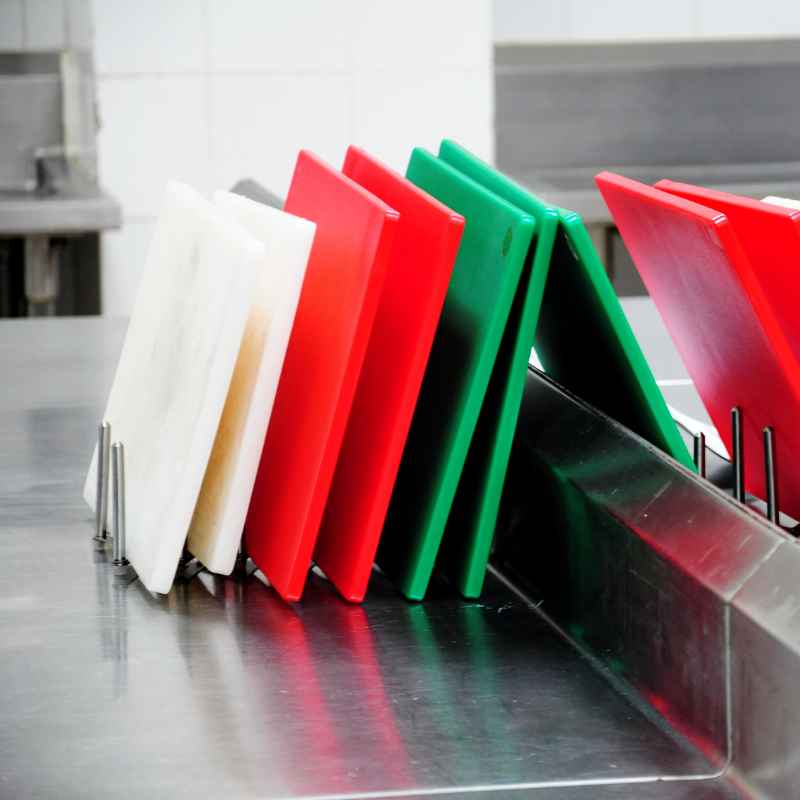
Using colored plastic boards can help with this.
Wooden boards have that natural antimicrobial quality. This is great! It means the wood itself can fight off some bacteria.
But wood is still porous. If you don’t clean it well, bacteria can get stuck. They can live in the wood fibers.
This is especially true if the wood is old or has many nicks. Hand washing is a must for wood. You need to scrub it well.
Then rinse it. Dry it completely. Never let it sit wet.
Some studies have looked at this. They found that when cleaned properly, wood can be just as safe as plastic. The key is proper cleaning and maintenance.
If a wooden board is deeply scarred or cracked, it’s time to replace it. The risk of bacteria hiding increases a lot then. For wood, also consider separate boards for different foods.
This is a good practice for any board type.
Hygiene Showdown: Plastic vs. Wood
Plastic:
- Surface: Non-porous.
- Cleaning: Dishwasher safe, easy to sanitize.
- Risk: Deep knife marks can harbor bacteria.
- Best Practice: Use separate boards for raw meat and produce.
Wood:
- Surface: Porous, but with natural antimicrobial properties.
- Cleaning: Hand wash only, dry thoroughly, regular oiling.
- Risk: Bacteria can linger in deep cuts or if not dried properly.
- Best Practice: Maintain regularly, replace if heavily damaged.
Durability and Knife Care
How long will your board last? This is important for value. It also affects how often you need to replace them.
Plastic boards can be quite durable. They are often resistant to stains and high heat. However, they can get deep knife marks.
These marks weaken the board. They can also lead to cracking over time. A cracked board is not safe.
It’s hard to clean. You should replace it.
Wooden boards, when cared for, can last for years. Even decades! Maple and walnut are very strong woods.
They resist wear and tear well. The key is regular maintenance. Oiling the wood keeps it from drying out.
It also helps prevent water damage. If you cut meat on a wooden board, it will show marks. But these marks are often shallower than on plastic.
They are less likely to become deep wells for germs. The wood can sometimes even “heal” small cuts over time.
Now, about knives. This is a big plus for wood. Wood is softer than plastic.
This means your knives will stay sharper longer. Think of it like walking on grass versus concrete. Your feet (or your knife edge) will feel the difference.
Plastic is much harder. It wears down the fine edge of a good knife faster. If you invest in quality knives, a wooden board is a great friend to them.
Knife-Friendly Comparison
Plastic Boards:
- Impact on Knives: Can dull knife edges more quickly.
- Board Longevity: Prone to deep scratches and potential cracking.
Wooden Boards:
- Impact on Knives: Gentler on knife edges, helps them stay sharp longer.
- Board Longevity: Very durable with proper care, can last for many years.
My Own Chopping Board Story
I remember when I first started cooking more seriously. I had this cheap plastic cutting board. It came in a set.
It was okay for a while. I used it for everything. Veggies, chicken, then bread.
One day, I was making a big salad. I’d just chopped raw chicken on it. I didn’t think much about it.
I just rinsed it quickly. Then I started chopping lettuce and tomatoes on the same board. A little voice in my head said, “Is this smart?”
That night, I felt a bit uneasy. I started reading about food safety. I learned about cross-contamination.
I realized my one plastic board was a risk. It had lots of tiny cuts. I couldn’t see what was hiding in them.
I felt a bit grossed out. I decided it was time for a change. I went to a kitchen store.
I saw beautiful wooden boards. They felt so solid and nice. I bought one.
I was a bit worried about the upkeep. But I was more worried about getting sick.
The wooden board was a revelation. My knives felt different. Chopping was a smoother experience.
It looked so nice on my counter. I learned to wash it by hand. I learned to oil it.
It took a little extra time. But it felt worth it. I also bought a separate, brightly colored plastic board.
I use that one only for raw meat now. That way, I have the best of both worlds. It made me feel much more confident in my kitchen.
Real-World Context: Where Each Board Shines
So, when should you use which board? It depends on your needs and your kitchen.
For Raw Meat and Poultry: A plastic board is often recommended here. Why? Because it’s easy to sanitize effectively.
You can scrub it well and run it through a hot dishwasher cycle. If you use a colored plastic board, you can dedicate it to raw meat. This reduces the risk of cross-contamination.
After use, make sure it’s cleaned thoroughly.
For Fruits, Vegetables, and Bread: This is where wooden boards often shine. They are gentler on your knives. They look great.
They add a nice touch to your kitchen. Since these foods are usually not raw meats, the hygiene risk is lower. As long as the wooden board is well-maintained and not deeply scarred, it’s a perfect choice.
For Frequent Use and Ease: If you need a board that’s super easy to clean and forget about, plastic is the way to go. They are low-maintenance. You can grab them, use them, wash them, and they are ready again.
This is great for busy home cooks.
For the Aesthetic Cook: If you love the look and feel of natural materials, wood is a beautiful choice. It adds warmth to your kitchen. It can be a centerpiece.
The tactile experience of chopping on wood is often described as superior by enthusiasts.
Consider your lifestyle. Do you cook a lot of raw meat? Do you have a dishwasher?
Do you enjoy the process of kitchen upkeep? Answering these questions will help you pick the best board for you. Or maybe, like me, you’ll find you need both.
Best Use Scenarios
Plastic Boards are Great For:
- Raw Meat & Poultry: Easy to sanitize, dedicated colors help prevent cross-contamination.
- High-Volume Cooking: When quick, thorough cleaning is essential.
- Dishwasher Owners: For effortless sanitation.
Wooden Boards are Great For:
- Fruits & Vegetables: Gentle on knives, beautiful presentation.
- Bread & Pastries: Less likely to crush delicate items.
- Knife Enthusiasts: To preserve the sharpness of good knives.
- Kitchen Aesthetics: Adds a natural, warm feel.
What This Means for You: Normal vs. Concerning
It’s good to know when your chopping board is just doing its job. And when it might be time for a change.
Normal for Plastic Boards:
- Light surface scratches from knife use.
- Slight discoloration from strong ingredients (like turmeric).
- Feeling clean and odor-free after washing.
Concerning for Plastic Boards:
- Deep grooves that you can easily catch a fingernail on.
- Cracks or splits in the board.
- Persistent stains or smells that won’t wash out.
- Warping that makes it unstable.
Normal for Wooden Boards:
- Surface marks from knives that are not too deep.
- Slight darkening from food juices.
- A smooth, oiled feel after maintenance.
Concerning for Wooden Boards:
- Deep gouges or cracks.
- Signs of mold or mildew.
- Warping that makes it uneven or wobbly.
- A smell that won’t go away even after proper cleaning.
- Splitting or splintering wood.
Both types of boards need visual checks. If a board looks worn out, damaged, or hard to clean, it’s time for a new one. This is true for hygiene and safety.
Quick Tips for Board Care
Taking care of your boards makes them last longer. It also keeps them safer.
For Plastic Boards:
- Wash immediately after use.
- Run through the dishwasher on a hot cycle regularly.
- Use separate boards for raw meats and produce.
- Discard if deeply scored or cracked.
For Wooden Boards:
- Hand wash with mild soap and warm water.
- Dry thoroughly with a towel right away.
- Let it air dry completely.
- Oil it with food-grade mineral oil every month or so.
- Avoid soaking the board in water.
- Discard if heavily damaged, cracked, or showing mold.
These simple steps will help you get the most out of your chopping boards. They will also keep your food safe.
Frequently Asked Questions
Is it true that wood is naturally antibacterial?
Yes, many types of wood have natural antimicrobial properties. This means the wood itself can help fight off some bacteria. However, this doesn’t mean wooden boards don’t need cleaning.
Proper washing is still essential for food safety.
Can I use one cutting board for everything?
It’s best not to. To prevent cross-contamination, especially from raw meat juices to ready-to-eat foods like salads, it’s highly recommended to use separate cutting boards. Many people use different colors to keep track.
How often should I replace my chopping boards?
You should
Does bamboo count as wood for chopping boards?
Bamboo is technically a grass, not a wood. However, bamboo chopping boards share many qualities with wooden boards. They are durable and can be gentler on knives than plastic.
They require similar care regarding hand washing and drying.
How do I get smells out of my chopping board?
For plastic, a good scrub and a dishwasher cycle usually do the trick. For wood, you can try making a paste of baking soda and water, scrubbing it on, letting it sit for a bit, then rinsing and drying. Lemon juice can also help with odors and minor stains on wood.
Are expensive chopping boards really better?
Often, yes. Higher-priced boards are usually made from denser, better-quality materials. For wood, this means hardwoods like maple or walnut.
For plastic, it might mean a thicker, more durable polymer. Better materials often lead to better durability and performance.
Conclusion
Deciding between plastic and wooden chopping boards isn’t always a simple choice. Both have their strengths. Plastic is great for hygiene and ease of cleaning.
Wood offers a gentler touch for knives and a beautiful natural look. By understanding their differences, you can make informed choices. You can pick the best board for each task in your kitchen.
Or you might find having a mix is the perfect solution for your home.
Sponsored / affiliate links. As an Amazon Associate I earn from qualifying purchases. I may earn additional commission from eligible campaigns.