Can You Put Raw Meat On A Wood Cutting Board? Safe Or Not?
Many of us have been taught that wood and raw meat are a bad mix. We worry about germs spreading. We think about what might happen later. This is a really common concern. People want to cook safely. They want to keep their families healthy. It’s totally understandable to feel a bit unsure about this.
Let’s clear the air. We’ll dive deep into whether you can put raw meat on a wood cutting board. We’ll look at the science behind it. We’ll explore how to do it safely if you choose to. We’ll also talk about the best ways to clean them. By the end, you’ll know exactly what to do. You’ll feel confident in your kitchen choices.
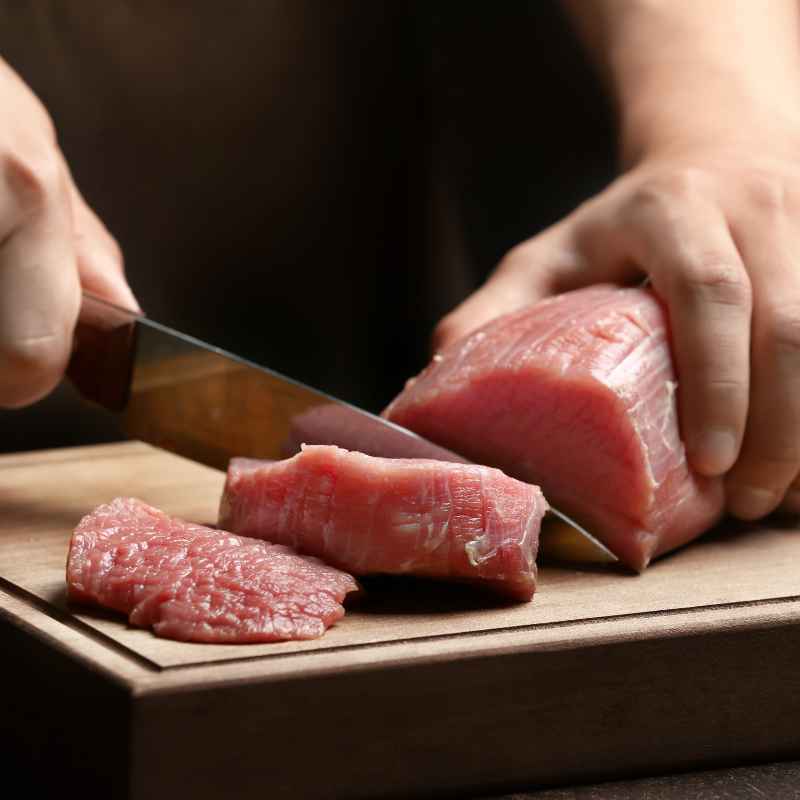
Putting raw meat on a wood cutting board is generally considered safe under specific conditions. Key factors include the board’s type, how it’s cleaned, and whether it’s dedicated for raw meat. Proper sanitization is crucial to prevent cross-contamination and ensure food safety in your home.
Understanding Wood Cutting Boards
Wood cutting boards have been kitchen staples for ages. They look great. Knives seem to glide on them. But they have properties that matter when it comes to food safety. Different types of wood behave differently. Hardwoods are usually better. Woods like maple, cherry, or walnut are good choices. Softer woods might scratch more easily.
When you cut into meat, juices seep out. These juices can carry bacteria. This is true for any cutting board, not just wood. Bacteria like Salmonella and E. coli are common worries. They can live on surfaces. If not cleaned well, they can spread to other foods. This is called cross-contamination. It’s a serious health risk.
Wood has a unique quality. Studies have shown that bacteria on wood boards can actually die off over time. This is different from plastic. On plastic, bacteria tend to stick around. They can hide in knife grooves. Wood’s porous nature helps trap and kill some bacteria. This doesn’t mean wood is a magic germ killer, though. It still needs help.
The construction of the board also matters. End-grain boards are often considered best. They are made of small wood pieces glued together. The grain runs vertically. This makes them gentle on knives. It also helps them self-heal minor cuts. Edge-grain boards are made from strips of wood glued together side-by-side. They are also durable. It’s less about the grain direction for safety and more about the material and maintenance.
Wood Board Types at a Glance
End-Grain Boards
Vertical grain pattern. Self-healing. Gentle on knives.
Can be pricier.
Edge-Grain Boards
Horizontal grain pattern. Very durable. Good value.
More prone to knife marks than end-grain.
Wood Blocks
Thick, heavy pieces. Often used in professional kitchens. Very robust.
My Own Kitchen Scare
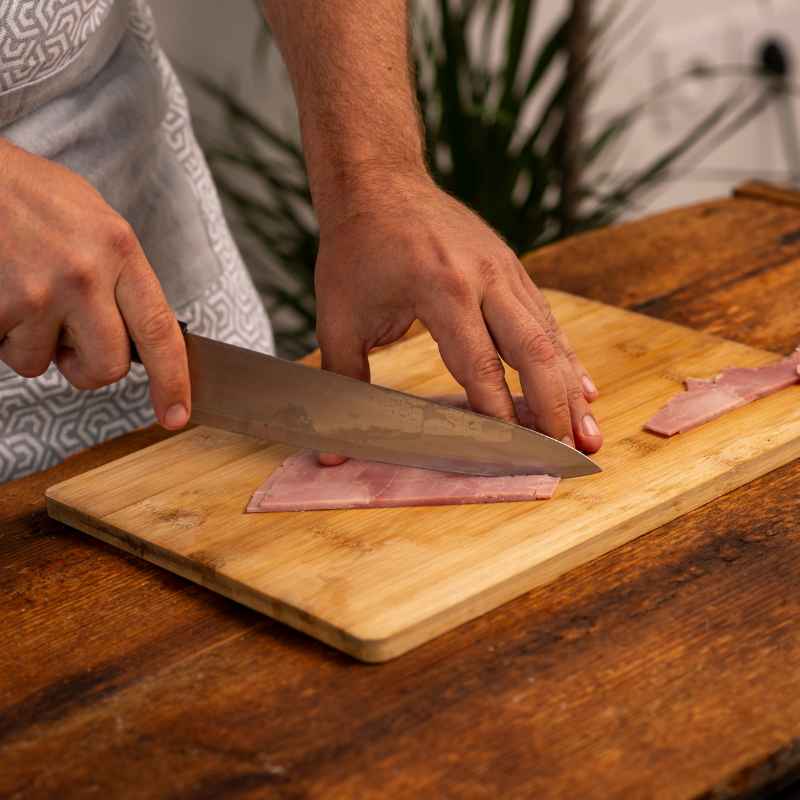
I remember a time when I was first learning to cook. My grandmother gave me a beautiful maple cutting board. It was a gift I cherished. I used it for everything. Slicing bread. Chopping vegetables. And, yes, cutting raw chicken. At the time, I didn’t think much about it. I just washed it with soap and water when I was done.
One evening, I made a salad. I had just cut up some raw chicken on my beloved board. I rinsed it off quickly. Then, I put it down to chop lettuce. A little while later, my stomach started to hurt. Then came the chills. I felt awful. It turned out I had a nasty bout of food poisoning.
Looking back, I realized my mistake. I hadn’t cleaned that board properly after the chicken. I had rushed the rinse. The bacteria likely transferred to the lettuce. That was my wake-up call. It taught me that my wood board, as lovely as it was, needed more attention. Especially when raw meat was involved. That experience made me much more careful. It showed me how easily things can go wrong if you’re not vigilant.
The Science of Wood and Bacteria
So, what’s the real deal with wood and germs? Scientists have looked into this. They’ve found that wood isn’t a germ paradise. Unlike plastic, which has a smooth, non-porous surface where bacteria can thrive, wood is different.
When you cut into wood, small grooves are made. Bacteria can get trapped in these. But here’s the interesting part: The wood itself has natural properties. It can absorb moisture. Some studies suggest that certain types of wood can actually kill bacteria. This happens because the bacteria get trapped. Then, they can’t get moisture or nutrients. They eventually die.
This isn’t a guarantee, of course. It depends on the wood. It depends on the type of bacteria. And it depends on how long the bacteria have been there. It’s a complex process. But it’s not as simple as saying wood is “dirty.” It has a more nuanced relationship with microbes.
Compare this to plastic. Plastic boards can get tiny scratches. Bacteria can hide in these. They are also easier to sanitize with hot water and soap. But if the scratches get deep, they become a problem. Wood, with its unique structure, can sometimes offer a slight advantage. This is if it’s well-maintained and cleaned properly.
Wood vs. Plastic: A Quick Look
- Can trap and kill some bacteria naturally.
- Gentle on knives.
- Look great in the kitchen.
- Require regular oiling to prevent drying and cracking.
- Can absorb strong odors and stains if not cleaned well.
- Easy to clean and sanitize in a dishwasher.
- Less likely to absorb stains or odors.
- Can become heavily scratched over time, harboring bacteria.
- Harder on knife edges.
- Can be less appealing visually for some.
When Is It Safe to Use a Wood Board for Raw Meat?
So, you want to use your wood cutting board for raw meat. That’s totally doable. But you need to follow some important rules. Think of it as setting up a safe zone for your prep work.
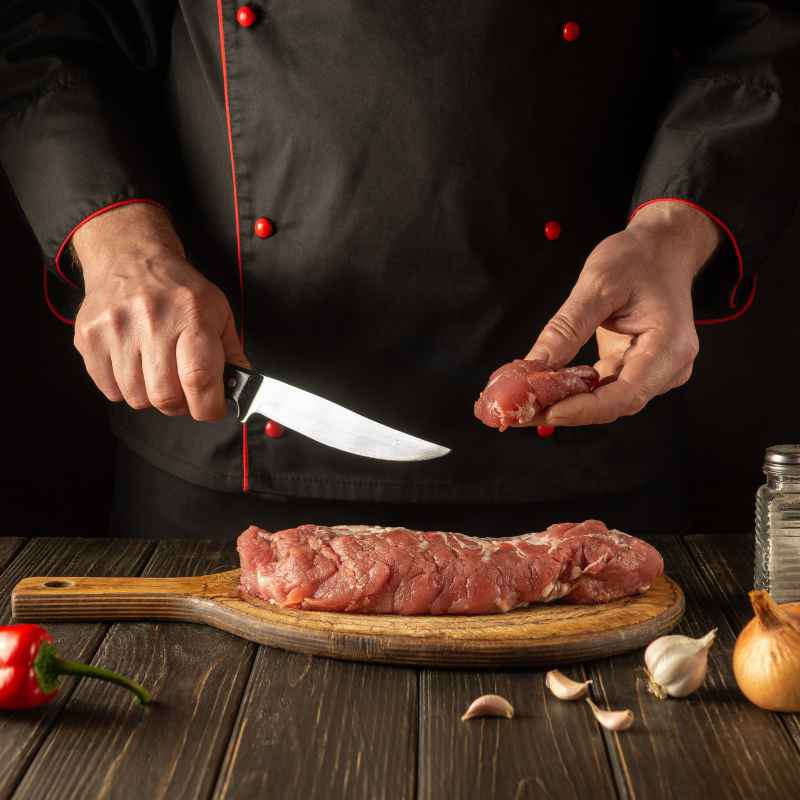
First, dedicate the board. The safest approach is to have one wood board that is only for raw meat. You don’t use it for veggies, bread, or anything else. This way, you’re not mixing raw meat juices with ready-to-eat foods. This is a golden rule in food safety. It’s called preventing cross-contamination.
Second, cleaning is key. Don’t just wipe it down. You need to wash it well. Use hot, soapy water. Scrub it thoroughly. Make sure you get into all the grooves. After washing, you must sanitize it. A weak bleach solution (1 teaspoon of bleach per quart of water) works. Or you can use a vinegar spray. Let it air dry completely.
Third, maintain your board. Wood needs care. You should oil it regularly. Use food-grade mineral oil. This keeps the wood from drying out and cracking. Dry, cracked wood is a breeding ground for bacteria. Oiling also helps repel moisture and stains.
Finally, inspect your board. If it’s deeply grooved or cracked, it’s time to replace it. These deep cuts are hard to clean. They can hold onto bacteria no matter what you do. A well-maintained board is a safer board.
Your Raw Meat Prep Checklist
Dedicated Board
Use one board ONLY for raw meat.
Hot, Soapy Wash
Scrub well after every use.
Sanitize
Use bleach solution or vinegar.
Dry Thoroughly
Let it air dry completely.
Oil Regularly
Keep wood moisturized with mineral oil.
Check for Damage
Replace if deeply scratched or cracked.
The Importance of Cleaning and Sanitizing
Let’s really hammer this home. Cleaning and sanitizing are not optional steps. They are critical. This is true for any cutting board. But it’s especially important for wood when raw meat touches it.
Washing with soap and hot water removes visible dirt and food bits. It gets rid of most of the gunk. But it doesn’t kill all the bacteria. That’s where sanitizing comes in. Sanitizing reduces the number of harmful bacteria to safe levels.
Think about it: you cut raw chicken. There are germs in those juices. You rinse the board. Some germs wash away. But many stay behind, especially in tiny grooves. Then you chop your salad greens on the same spot. Those same germs can transfer. That’s how people get sick. It happens so easily.
For wood, you can’t just throw it in the dishwasher. The high heat and long cycles can ruin it. So, you have to do it by hand. Use a stiff brush to get into those crevices. After washing, apply your sanitizer. Let it sit for a few minutes. Then rinse and let it dry. Some people even put their boards in the sun for a bit. Sunlight can help kill some germs too.
Don’t forget to clean knives and other utensils you use. They can also spread germs. Wash everything that touched the raw meat. This multi-step process ensures your wood board is as safe as possible. It minimizes the risk to your family.
My Experience with Board Oils
For a long time, I didn’t really oil my wooden boards. I thought washing them was enough. I’d maybe wipe them down with a damp cloth. Big mistake. My boards started to look dull. They began to get little cracks. Then I noticed they were absorbing smells. Garlic smell lingered for days! And the stains from berries were terrible.
I finally decided to look into it. I read that food-grade mineral oil is the way to go. It’s cheap and effective. So, I bought a bottle. The first time I oiled my oldest board, it was like magic. The wood drank up the oil. It looked so much richer and darker. It felt smoother too.
I started oiling them every month. Or more often if they looked dry. I found that they didn’t stain as much. The smells didn’t stick around. Most importantly, the cracks stopped growing. Keeping the wood conditioned made a huge difference. It made the boards last longer. And I felt better knowing they were more hygienic. It’s a simple step with big rewards for your wood boards.
When to Consider Alternatives or Extra Precautions
While wood boards can be safe with care, there are times when you might want to rethink. Or take extra steps. This is especially true if you’re not able to follow strict cleaning rules.
If you have a compromised immune system, or are cooking for someone who does, be extra cautious. Pregnant women should also be very careful about foodborne illnesses. In these cases, some experts recommend using plastic boards. Plastic boards can be washed in a very hot dishwasher. This offers a higher level of sanitization. Or, use a board that is specifically designed for raw meat.
Another situation is when your wood board is old and worn. If it’s deeply scarred with knife marks, it’s hard to clean effectively. Bacteria can hide in these deep cuts. No amount of scrubbing or sanitizing might get them all out. In this case, it’s better to replace the board. A new, smooth board is much safer.
You can also use color-coded boards. Have one for raw meat (maybe red). Another for veggies (green). One for bread (white). This visual cue helps prevent mix-ups. It makes cross-contamination less likely, even if you’re in a rush.
The key is to be honest with yourself about your cleaning habits. If you’re someone who often forgets to sanitize, or washes things quickly, maybe a plastic board is a better fit for raw meat prep. It’s all about finding what works best for your lifestyle and safety needs.
Extra Safety Measures
Consider plastic boards that go in the dishwasher for raw meat. Always consult health guidelines.
Deep scratches mean it’s time for a new board. Replace them regularly.
Assign specific colors to boards for different food types (raw meat, produce, cooked foods).
What About the Smell?
One common issue with wood cutting boards is odor retention. Raw meat, especially poultry and fish, can leave behind a smell. This is because the porous nature of wood can absorb these odors. It’s a bit off-putting when you’re trying to prepare other foods.
How can you tackle this? Well, regular, thorough cleaning is the first step. Use hot water and a good dish soap. For tougher smells, try a paste of baking soda and water. Rub it into the board. Let it sit for a few minutes. Then rinse and dry.
Vinegar is another great odor neutralizer. Spray undiluted white vinegar on the board. Let it sit. Then rinse. Some people like to use lemon. Cut a lemon in half and rub it all over the board. The acidity and fresh scent can help. Then rinse and dry.
Remember that oiling your board regularly also helps. A well-oiled board is less likely to absorb strong smells. It creates a smoother, more repellent surface. If a smell is really stubborn, and you’ve tried everything, it might be time to consider if that board is still suitable for raw meat. Sometimes, odors can indicate that the board is too worn.
My Board Care Routine
After my food poisoning incident, I developed a strict routine for my wood boards. It sounds like a lot, but it becomes second nature. When I finish cutting raw meat:
1. I immediately scrape off any large bits.
2. I wash it with very hot water and a generous amount of dish soap. I use a stiff brush to get into all the nooks.
3. I rinse it thoroughly under hot water.
4. I then spray it with a diluted bleach solution (about 1 tablespoon bleach to 1 liter of water) or a good spray of white vinegar. I let this sit for about 5 minutes.
5. I rinse it again and stand it up to air dry completely. I make sure it’s not leaning against anything that could trap moisture.
Once a month, I give them a deeper oiling. I pour a good amount of mineral oil on them. I spread it all over with a cloth. I let it soak in for a few hours, or even overnight. Then I wipe off any excess. This keeps them looking good and working well. It’s a system that gives me peace of mind.
Common Myths About Wood Cutting Boards
There’s a lot of confusion out there about cutting boards. Let’s bust a few common myths related to wood and raw meat.
Myth 1: Wood cutting boards are always unsanitary. This isn’t true. As we’ve discussed, wood has properties that can help. When cleaned and maintained properly, they are safe. The key is proper care.
Myth 2: You can’t use the same wood board for meat and veggies. You can, but it’s risky. The safest practice is to have a dedicated board for raw meat. If you must use one board, be extra vigilant with cleaning and sanitizing between uses. Ideally, use a different board for produce.
Myth 3: Once a board is cut, it’s ruined. Not necessarily. While deep cuts are problematic, minor scratches are normal. Regular oiling helps to maintain the surface and reduce the appearance and depth of some scratches. If cuts are shallow, proper cleaning is usually enough.
Myth 4: Plastic boards are always superior for safety. Plastic boards are easier to sanitize in a dishwasher. However, they can also develop deep scratches where bacteria hide. If a plastic board is visibly damaged, it’s just as unsafe as a damaged wood board.
Understanding the reality behind these myths helps make informed decisions in your kitchen.
Myth vs. Reality: Cutting Boards
| Myth | Reality |
|---|---|
| Wood boards are always unsanitary. | Safe if properly cleaned and maintained. Wood can naturally kill some bacteria. |
| Can’t use one board for meat and veggies. | Risky. Best to dedicate boards or clean/sanitize extremely well between uses. |
| A cut board is ruined. | Minor cuts are normal. Deep gashes require replacement. Oiling helps. |
| Plastic is always safer. | Easier to sanitize in a dishwasher. But scratches on plastic also harbor bacteria. |
What This Means for Your Kitchen
The main takeaway is this: yes, you can put raw meat on a wood cutting board. But only if you’re willing to be diligent. It’s not about the material alone. It’s about the practices you follow.
If you love the feel and look of your wood cutting boards, you don’t have to give them up. Just be smart about it. Dedicate one board for raw meats. This is your meat board. It never touches your salad. It never touches your bread. It is strictly for raw animal products.
Clean that meat board thoroughly after every single use. Use hot, soapy water. Sanitize it. Let it dry completely. And don’t forget to oil it regularly. This helps keep the wood healthy and less hospitable to lingering bacteria.
If you’re someone who prefers minimal fuss, or you’re unsure about keeping up with the cleaning, then consider other options for raw meat. A plastic board that goes through the dishwasher might be easier. Or perhaps a set of different colored boards.
The goal is to reduce the risk of foodborne illness. You want to enjoy your cooking. You want to feel safe. With wood cutting boards and raw meat, it boils down to respect for the material and a commitment to good hygiene. It’s about making conscious choices that protect your health.
Quick Tips for Safe Raw Meat Prep on Wood
Let’s recap some simple, actionable tips. These will help you use your wood cutting board safely with raw meat.
- Dedicated Board: Have one wood board solely for raw meats.
- Wash Immediately: Clean your board right after cutting meat.
- Hot Water & Soap: Use plenty of hot water and a good dish soap.
- Scrub Well: Don’t miss any spots. Use a brush for grooves.
- Sanitize: Use a food-safe sanitizer like diluted bleach or vinegar.
- Air Dry: Let the board dry completely, standing up if possible.
- Oil Often: Keep your board conditioned with food-grade mineral oil.
- Inspect Regularly: Replace boards that are deeply scratched or cracked.
- Wash Hands: Always wash your hands thoroughly after handling raw meat.
- Separate Utensils: Use different knives and tools for raw meat and other foods.
Frequently Asked Questions
Can I put my wood cutting board in the dishwasher?
No, it is not recommended. The high heat and prolonged moisture in a dishwasher can cause wood to warp, crack, and split. This damage can make the board less safe and shorten its lifespan.
How often should I oil my wood cutting board?
You should oil your wood cutting board at least once a month. If you use it very frequently, or if it starts to look dry or faded, oil it more often. This keeps the wood hydrated and protected.
What is the best wood for a cutting board?
Hardwoods are generally best. Popular choices include maple, cherry, walnut, and bamboo. These woods are dense and durable, making them less prone to deep scratches and more resistant to bacteria.
Can raw meat juices really kill bacteria on wood?
Some studies suggest that wood can trap and kill certain bacteria over time. However, this is not a substitute for proper cleaning and sanitizing. Do not rely on this property to ensure safety. Always clean and sanitize after contact with raw meat.
How do I remove stains from my wood cutting board?
For stains, you can try a paste of baking soda and water. Apply it to the stain and let it sit for a while before scrubbing gently. A paste of lemon juice and salt can also help with tough stains. Always rinse thoroughly and dry.
Is it okay to use the same knife after cutting raw meat without washing it?
No, absolutely not. Any utensil that touches raw meat should be washed thoroughly with hot, soapy water before being used for other foods. This prevents the spread of harmful bacteria.
Conclusion
So, to wrap things up, yes, you can use your beautiful wooden cutting board for raw meat. The key is commitment. Commit to cleaning it well. Commit to sanitizing it. Commit to maintaining it. Do this, and your wood board can be a safe and lovely part of your kitchen. Enjoy your cooking!
Sponsored / affiliate links. As an Amazon Associate I earn from qualifying purchases. I may earn additional commission from eligible campaigns.
 Rain Guard Wood Sealer Concentrate | Makes 2 Gallon | Protects Wood from Water Damage, Rotting, and Stains | Water Based Silane/Siloxane | Eco-Friendly | VOC-Free | Natural Finish
 Garden-Seal Golden Cedar Solid Color Stain | Raised Garden Beds & Planters | One Coat Coverage, Natural Pigments | Zero VOC, UV Resistant | Waterproof Sealer, 30-Year Formula, Made in USA | 1 Gallon