Paneling Cost Calculator: Estimate Total Project Cost
A paneling cost calculator should price material, labor, and trim on separate lines; for many rooms, installed costs may land around $8 to $25 per square foot, depending on panel type and detail. Leave those items out and the budget can end up short by a substantial amount. I price a room by wall area first, then add waste, trim, prep, and labor so the number matches the job.
How is this calculated?
Press Calculate to see the math with your numbers.
How much does paneling cost per square foot?


Paneling usually costs less as material than as an installed job, and the gap widens fast once trim, fastening, paint, and labor enter the count. Basic MDF panels can start at a relatively low materials cost per square foot, while premium decorative systems can run several times higher before installation.
Material-only cost versus installed cost
Material-only pricing usually covers the panels themselves, and sometimes a factory finish. Installed pricing includes layout, cutting, fastening or adhesive, trim, caulk, touch-up work, and labor. A simple wall may add only a modest labor charge, while a room with many corners, outlets, or uneven surfaces pushes the installed cost much higher.
Why MDF, wood, PVC, shiplap, slat panels, and veneer price differently
MDF is usually the budget choice because it cuts cleanly, stays stable, and comes in standard sheet sizes. Wood costs more because the material itself is pricier and often needs staining or finishing. PVC and moisture-resistant products cost more than plain MDF because they handle wet areas better. Shiplap, slat panels, and veneer systems can climb in price because of profile, finish quality, and the labor needed to line up each piece.
Quick ranges for planning
For rough planning, many rooms can be grouped into three bands: budget paneling around $8 to $12 per square foot installed, midrange paneling around $12 to $18, and premium decorative systems around $18 to $25 or more. Those are planning numbers, not quotes. Room size, prep condition, and trim detail can move the total quickly.
How do you calculate paneling cost for a room?
Start with wall area, subtract openings, then add waste, trim, and labor. The cleanest method is to calculate net square footage first, then convert that area into panels or linear footage based on the panel system. That gives a much more honest estimate than multiplying room size by one retail panel price.
Measure wall width and height
Measure each wall width and the height from finished floor to the planned top of the paneling. Multiply width by height for each wall. Add the walls together for total gross area. For partial-height paneling, use only the covered height, not the full wall height.
Subtract doors and windows
Measure each door and window opening and subtract those areas from the gross wall area. A standard door opening can remove a noticeable amount of wall area. Large windows can remove much more. This matters because paneling cost is usually tied to cover area, even when the wall is broken up by openings.
Convert coverage area into panels needed
Check the actual coverage per panel or per board. Some systems are sold by square foot, while others are sold by linear foot or by panel size. Standard sheet goods often come in common large sheet dimensions, but usable coverage drops after cuts and layout choices. Divide net area by coverage per panel, then round up before adding waste.
- Measure each wall width and height.
- Multiply to get gross wall area.
- Subtract doors and windows.
- Check panel coverage per sheet or board.
- Add waste for cuts, corners, and offcuts.
- Add trim, adhesive, fasteners, caulk, and finish.
- Include labor if the job is not DIY.
What affects the final paneling price?
The final price depends on panel size, waste, prep, room shape, material grade, and the amount of finish work required. A small room with flat walls and few openings costs less to panel than a larger room with multiple corners, outlets, and layout choices that need care. Details add labor, and labor is often the biggest swing factor.
Panel size and coverage per panel
Large panels cover more wall quickly, which can cut labor. Smaller slats or narrow boards take longer to install and line up. Standard sheet dimensions also matter because the installer may need fewer seams with full sheets than with smaller decorative pieces. Fewer seams usually means less cutting and less time.
Waste allowance for cuts and offcuts
A simple wall may need only a small waste allowance. Rooms with many corners, angled ceilings, or repeated cutouts often need a higher waste allowance, sometimes more. Patterned or directional systems can require extra material because matching the layout creates offcuts that cannot be reused.
Prep work, leveling, and room shape
Uneven drywall, bowed studs, damaged plaster, or out-of-square walls all increase labor. Paneling hides some defects, but it does not erase them. If the wall needs shimming, patching, or leveling before the first panel goes up, the project can move out of the basic price range fast. More cuts also mean more time.
Finish type, moisture resistance, and material grade
Basic unfinished panels cost less than factory-painted, moisture-resistant, or premium-finish products. PVC and moisture-rated boards are useful in bathrooms, basements, and laundry rooms, but that added resistance shows up in price. Veneer and decorative systems often carry a higher finish grade, which raises both material cost and replacement cost if a section gets damaged.
Worked cost breakdown: three common paneling scenarios
The table below shows a practical way to separate the real cost of a mid-size room into material, waste, trim, accessories, and labor. These are planning figures for a sample wall area, not quotes. Actual prices vary by region, wall condition, and selected finish.
| Scenario | Material | Waste | Trim | Adhesive / fasteners | Labor | Total installed |
|---|---|---|---|---|---|---|
| Budget MDF | $500 | $50 | $180 | $70 | $800 | $1,600 |
| Midrange wood | $1,200 | $120 | $260 | $90 | $1,400 | $3,070 |
| Premium decorative panels | $2,400 | $240 | $380 | $140 | $2,000 | $5,160 |
In this example, labor and trim are not small add-ons. They are a real part of the job. The budget MDF room still needs trim and fastening, while the premium room adds cost because the product itself is more expensive and the install usually takes longer.
How much should you budget for trim and accessories?
Trim and accessories can add a surprising slice to the total, especially in rooms with corners, edges, and finish changes. A good rule is to budget extra for trim, fastening, caulk, and touch-up materials before assuming the panel price is the project price. The wall surface is only one part of the job.
Corner trim, baseboard, and top rail
Corner trim finishes exposed edges and helps the paneling look intentional. Baseboard and top rail often need replacement or repainting to match the new wall treatment. Partial-height paneling can require more trim per square foot than full-height paneling because there are more transitions to finish.
Adhesive, fasteners, caulk, paint, and stain
Some systems rely on adhesive and brad nails; others need screws, clips, or more substantial fastening. Caulk closes small gaps, especially on uneven walls. Painted MDF needs primer and paint. Wood may need stain and clear finish. These items are not expensive one by one, but they add up across a room.
When accessories add more than expected
Accessories become expensive when the room has lots of inside corners, outside corners, outlets, or a complex edge detail. Decorative slat walls also use more fasteners and often need more precision. If the paneling wraps around a fireplace, window wall, or stair opening, the trim budget should be higher than a simple flat wall estimate.
Is DIY cheaper than hiring a pro?
DIY is usually cheaper on paper because it removes labor, but it is not always cheaper in the final bill. Tools, waste, mistakes, and rework can narrow the savings. A pro install costs more up front, yet it can save time and reduce the risk of crooked layout, visible gaps, or damaged materials.
What you save on labor
The biggest DIY savings come from skipping labor charges. On a straightforward wall, that can cut a large share of the project total. If the panels are easy to handle and the wall is flat, the material-only route can make sense for homeowners with patience and basic carpentry skills.
When DIY costs rise
DIY costs rise when the room needs a saw, a nailer, a level, filler, sanding supplies, and paint tools that the homeowner does not already own. Mis-cuts waste panels. Poor layout wastes time. If a project requires many small pieces, the savings can shrink because the work gets slower and less forgiving.
When pro install is worth the extra spend
Hiring a pro is usually worth it when the wall is uneven, the pattern is repetitive, or the finish must look clean in a visible room. It is also worth paying for labor when the paneling is expensive. A costly material installed poorly is still a costly mistake.
Can I use a paneling cost calculator for shiplap or MDF panels?
Yes, but the calculator has to match the system. MDF panels are often priced by sheet or by square foot, while shiplap is often priced by board or by linear foot. A good calculator should let you switch between coverage methods so the panel count, waste, and trim estimate stay realistic.
How to handle different product formats
For sheet goods, calculate by square footage and divide by panel coverage. For shiplap and slat panels, convert the wall area into board length using the exposed face width. For veneer or decorative systems, check whether the seller quotes by square foot, because packaging and coverage rules can vary.
Partial-height paneling and cutouts
Partial-height paneling needs a separate height calculation. A chair rail, top rail, or cap molding may be part of the system. Cutouts for outlets, switches, vents, and windows increase labor and waste. If a room has many interruptions, plan a larger waste allowance than the standard room estimate.
What is the cheapest paneling?
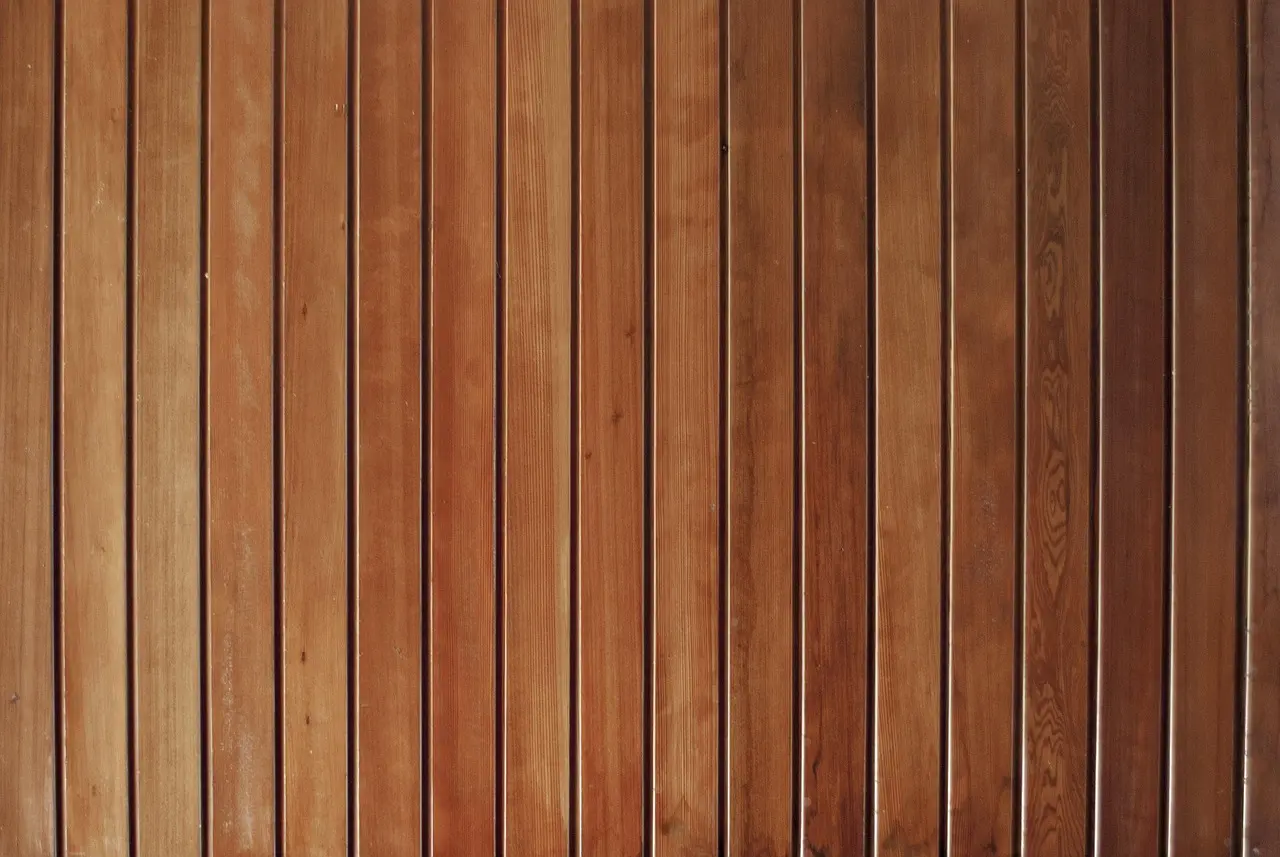
The cheapest paneling is usually simple MDF or other basic sheet-based products with minimal trim and a painted finish. PVC can be economical in wet rooms if moisture resistance matters, but plain unfinished MDF often wins on entry price. Cheap material is not always cheap installed if it takes more labor to finish.
Frequently asked questions
How much does wood paneling cost?
Wood paneling commonly costs more than MDF because the raw material is pricier and the finish work is often more involved. For planning, material-only prices can vary widely by species and profile, and installed pricing often lands much higher once trim, stain, and labor are included.
How much is paneling?
Paneling can be a budget material or a premium wall finish, depending on what you buy. Basic sheet goods may cost only a few dollars per square foot, while decorative systems cost far more. Installed totals usually run higher than material-only totals because trim and labor are part of the real job.
How much does wall paneling cost per square foot?
For planning, wall paneling often lands around $8 to $25 per square foot installed, with material-only costs much lower. The lower end usually fits simple MDF or basic painted systems. The higher end fits wood, decorative slats, veneer, or rooms that need extra prep and trim.
Does paneling cost more than drywall?
Yes, wall paneling usually costs more than hanging and finishing standard drywall, especially when the comparison includes trim, labor, and finish work. Drywall is a base wall surface. Paneling is a finish layer, so it generally carries extra material cost and more visible installation detail.
How much extra should I budget for trim and waste?
A practical starting point is to add a modest allowance for waste on many jobs, then budget separately for trim, caulk, adhesive, and fasteners. Complex rooms, short wall runs, or slat layouts may need more. Trim alone can be a noticeable line item, especially on partial-height paneling.
What affects paneling installation cost?
Installation cost changes with wall condition, number of cuts, panel size, finish type, and room layout. Flat, open walls cost less to install than uneven walls with many outlets or corners. Moisture-rated products, decorative patterns, and premium finishes also tend to increase labor time and total installed price.
Sponsored / affiliate links. As an Amazon Associate I earn from qualifying purchases. I may earn additional commission from eligible campaigns.