Best Waterproofing Products for Concrete Walls: based on specs and reviews
The best basement waterproofing product for concrete walls depends on the leak: many makers recommend penetrating silicate for damp, bare concrete, elastomeric coating for hairline seepage, and epoxy or drainage repair for active leaks, because wall sealers generally do not stop hydrostatic pressure. Pick the wrong one, and moisture keeps driving mold, peeling paint, efflorescence, and repeat repairs. This guide matches each product to the leak it can fix, what it cannot fix, and when you need crack repair or drainage instead.
Quick comparison
| Product | Badge | Best for | Price | ||
|---|---|---|---|---|---|
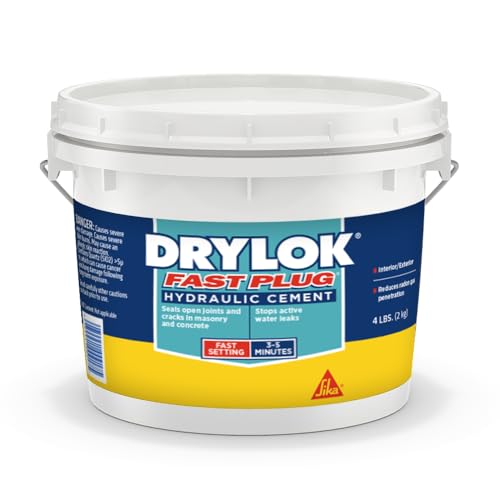 |
UGL DRYLOK Fast Plug Hydraulic Cement Water Stop Repair,Drylok | Our pick | 4 lb fast plug hydraulic cement water stop | $21.42
Price as of 13 Oct 2026
|
View |
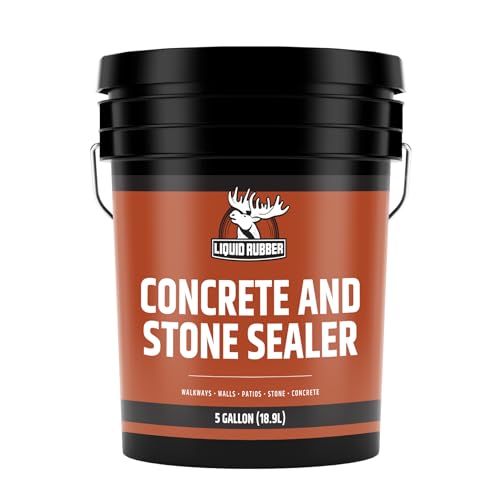 |
Liquid Rubber Concrete & Stone Sealer, Clear, Waterproof,Liquid Rubber | Also great | 5 gallon clear waterproof concrete and stone sealer | $199.95
Price as of 13 Oct 2026
|
View |
 |
KILZ Basement and Masonry Waterproofing Paint, White,KILZ | Budget pick | 1 gallon interior exterior masonry waterproofing paint | $48.00
Price as of 13 Oct 2026
|
View |
 |
SEMCO Liquid Waterproofing Membrane – Water-Based Roofing,SEMCO Liquid Membrane | Upgrade pick | 1 gallon liquid waterproofing membrane coating | $136.40
Price as of 13 Oct 2026
|
View |
 |
Cosella Dorken Delta-MS 5 ft x 65.6 ft (328 SqFt/Roll)Cosella Dorken | Pair with it | 328 sq ft brown foundation waterproofing mat | $301.91
Price as of 13 Oct 2026
|
View |
This comparison is organized by failure mode, not by brand. Start with what the wall is doing, dampness, a crack, a block joint, or water already under pressure.
Concrete and CMU block both move moisture through pores and joints. Hydrostatic pressure changes the answer fast.
How we chose
The ranking puts moisture severity first, then wall type, then prep burden. That matters because a coating that works on a damp wall can fail right away on active seepage.
We also weighed where each product fails first: poured concrete, CMU block, hairline cracks, efflorescence, or movement at mortar joints. Then we separated DIY-friendly interior coatings from exterior systems that need excavation and a larger budget.
- Moisture severity: dampness, seepage, or active water entry.
- Wall type: poured concrete versus concrete block.
- Prep burden: efflorescence removal, curing limits, and crack repair sequence.
- Durability: how often the coating needs maintenance or reapplication.
- Failure mode: whether the product can actually resist hydrostatic pressure.
Latex-based masonry waterproofing paint: best for light interior dampness
Latex-based masonry waterproofing paint is a strong starting point for lightly damp interior concrete or block walls that need a breathable surface coating. It fits basements with discoloration, minor weeping after storms, or a chalky wall that is not yet showing active leakage.
It stands out because it is simple to apply, low odor, and made for the kind of DIY project many homeowners can manage. It is also the most common first pass when the wall is dry enough to prep well and the goal is to reduce moisture transfer, not stop a pressurized leak.
Its main drawback is failure under pressure. Surface-only paint does not defeat hydrostatic pressure, so it can peel, blister, or bubble if the wall is wet, the crack is moving, or efflorescence keeps pushing salts through the coating. It also needs proper prep and periodic reapplication over time.
Where it works best
Use it on interior walls with light to moderate dampness, minor staining, or a dull, porous finish. It is a reasonable choice for poured concrete that stays mostly dry between rain events, and for block walls when the moisture is more cosmetic than structural.
It works best after you remove loose material, clean salt deposits, and let the wall dry as much as possible. If the wall is still actively wet, painting over it usually traps the problem instead of fixing it.
Where it fails first
It fails first on active seepage, recurring wet spots, and block walls with open mortar joints. It also struggles on walls with heavy efflorescence because salts will break adhesion from behind the film.
If water enters during saturated-soil conditions, the paint is being asked to resist hydrostatic pressure. That is outside its comfort zone.
Penetrating concrete sealer: best for bare concrete walls

A penetrating concrete sealer is a good match for bare concrete that needs moisture reduction without changing the wall’s look. It works within the pore structure and leaves an invisible finish, which makes it useful when you want a natural concrete surface or plan to add a decorative coating later.
It differs from waterproofing paint in a major way: it does not build a film on top. Instead, it soaks into the concrete and slows water movement through the pore network, which is why it can be a better fit for sound, porous concrete that is damp but not actively leaking.
The drawback is scope. It is not a crack repair product, and it will not solve wall movement, mortar joint leaks, or pressurized seepage. Once water is coming through a visible crack, a sealer is the wrong tool.
How it differs from waterproofing paint
Waterproofing paint sits on the surface and tries to block moisture at the face of the wall. A penetrating sealer treats the material itself. That means the sealer is usually less visible, but it also means it will not hide stains or bridge defects the way a thicker coating might.
For bare concrete walls with no major cracking, that tradeoff is useful. The finish stays invisible, and you can topcoat later if the design calls for it.
When an invisible finish makes sense
Choose a penetrating product when the wall is structurally sound, the problem is general dampness, and you want the texture of concrete to stay visible. It is also useful when you want to reduce water absorption before adding a decorative finish.
Do not expect it to hold back water that is entering through a joint or fissure. It can slow movement through pores, not rebuild the wall.
Liquid rubber coating: best for small cracks and exterior walls
Liquid rubber coating is the better fit when the wall has small cracks and a little movement. Its flexibility matters on settling foundations, especially for exterior below-grade walls where temperature swings, soil movement, and minor movement can open and close defects.
The appeal is simple: it forms a flexible membrane that can bridge small cracks instead of just sealing pores. That makes it a stronger option than a rigid coating when the wall is not stable enough for a brittle finish.
The drawback is that it is still not a cure for active seepage under hydrostatic pressure. If water is pushing through the wall in a steady stream, a membrane may slow it, but it is not a substitute for crack repair or exterior drainage work.
Why flexibility matters on settling foundations
Small shifts in a foundation can turn a hairline crack into a repeat leak path. A flexible membrane tolerates some movement, so it is often a better match than a hard film on an exterior wall that flexes with soil conditions.
That advantage matters most where the crack is thin, the surface is stable enough for prep, and the goal is to create a continuous elastic layer over the problem area.
Limits on active seepage and large movement
Once a crack is actively seeping, the membrane may need help from patching or drainage. Large movement is another limit. If the wall keeps shifting, no surface coating lasts for long.
Exterior application also means harder prep and access. Dirt, old coatings, and damp soil all complicate adhesion.
Crystalline waterproofing: best for high-moisture concrete
Crystalline waterproofing is a premium choice for concrete that sees high moisture or a high water table. It uses reactive chemistry inside the concrete pores, and that is what makes it different from a basic coating that only seals the face of the wall.
Its strongest selling point is self-sealing behavior on small micro-cracks. That makes it attractive for dense concrete where moisture keeps returning and ordinary paint keeps failing.
The drawback is cost and complexity. It is usually a professional-grade system, and it is not the first choice for a homeowner who just wants to cover a damp wall this weekend. It is also less suited to wide cracks or badly leaking block walls with weak mortar joints.
How reactive chemistry works in concrete pores
Crystalline systems react with moisture and byproducts in the concrete to form insoluble crystals inside the pore structure. That internal growth helps block water pathways from within the wall instead of relying only on a surface film.
That is why these systems are often discussed for difficult moisture conditions. They are trying to change the concrete itself, not just coat it.
The chemistry is more specialized, the prep is more demanding, and the application is less forgiving than simple paint. For a homeowner with light dampness, that is more than needed.
For stubborn concrete with recurring moisture or a high water table, though, it can be the right technical fit.
Which one should you buy
Choose by failure mode first. If the wall is only damp and bare, start with a penetrating silicate sealer or latex-based masonry waterproofing paint. If the wall has hairline cracks, a flexible membrane makes more sense. If moisture keeps returning through dense concrete, crystalline waterproofing is the deeper fix.
For budget and maintenance, paint is the cheapest entry point, but it needs the most upkeep. Penetrating sealers stay out of sight and work best when the wall is still structurally sound. Liquid rubber costs more up front and fits minor movement better. Crystalline systems cost more still, but they are built for harder conditions.
Choose by wall type and leak pattern
- Poured concrete with dampness only: start with penetrating sealer or masonry waterproofing paint.
- Poured concrete with hairline cracks: use liquid rubber after cleaning and patching the crack.
- CMU block with damp mortar joints: prefer a product or system that can tolerate joint movement, not a thin surface film alone.
- Concrete under chronic moisture pressure: consider crystalline waterproofing or move to drainage and exterior repair.
- Active water entry: stop treating the wall as a coating problem and address crack repair or exterior waterproofing.
Choose by budget and maintenance tolerance
If you want the lowest-cost DIY starting point, latex-based masonry waterproofing paint is the practical first step for light dampness. If you want less visible change on bare concrete, a penetrating sealer is cleaner. If you are willing to spend more for flexibility, liquid rubber is the stronger coating choice.
Crystalline systems are for the homeowner or contractor who is solving a harder moisture problem and expects a more technical installation. Exterior membranes are the strongest wall-side answer, but they are also the most expensive and disruptive.
When to stop DIY and call for exterior waterproofing
Stop at DIY when water is still entering after crack patching, when efflorescence returns quickly, or when the wall is wet enough that coatings cannot bond. That is especially true if the basement gets worse after heavy rain or long periods of saturated soil.
A common first-timer mistake is repainting a damp wall three times instead of fixing the source. Say your basement wall turns dark every time it storms, and water beads appear at the floor joint. That is a drainage or exterior issue, not a paint issue.
Quick comparison by wall problem
| Wall condition | Best product class | Why it fits | Failure warning |
|---|---|---|---|
| Light dampness on poured concrete | Latex-based masonry waterproofing paint | DIY-friendly surface coating for minor moisture control | Wrong for hydrostatic pressure, active seepage, or recurring blistering |
| Bare concrete with general porosity | Penetrating concrete sealer | Seals pore structure from within and stays invisible | Will not bridge cracks or fix joint leaks |
| Small hairline cracks on settling walls | Liquid rubber coating | Flexible membrane bridges small cracks and tolerates movement | Not enough for wide cracks or active water entry under pressure |
| High moisture or high water table | Crystalline waterproofing system | Reactive chemistry can self-seal micro-cracks in concrete | Usually too specialized for quick DIY fixes and weak on open structural cracks |
| CMU block with leaky mortar joints | Crack repair plus movement-tolerant system | Joint paths need more than a thin coat | Simple paint or sealer often fails first at the joints |
| Active seepage at the wall or floor joint | Exterior membrane plus drainage repair | Addresses water source, not just the surface | Interior coatings alone are the wrong fix |
What is the best waterproofing product for concrete basement walls?
The best product depends on the wall condition, not the label on the can. For damp, bare concrete, a penetrating silicate sealer or masonry waterproofing paint can be the right start. For cracks, use a flexible membrane. For active leaks, you need crack repair, drainage, or an exterior system.
Concrete walls are porous, so water can move through the wall itself, not only through visible cracks. That is why a wall that looks solid may still leak after heavy rain or saturated soil conditions.
Match the product to the problem
Latex-based paint is for cosmetic dampness control. Penetrating sealer is for bare concrete that needs a deeper moisture reduction strategy. Liquid rubber is for small cracks and minor movement. Crystalline systems are for harder, high-moisture conditions. Exterior membranes are for severe water entry.
If the wall is actively wet, skip straight to source control. No sealer stops hydrostatic pressure.
Is waterproofing paint enough for concrete basement walls?
Waterproofing paint is enough only for light to moderate dampness on a dry, stable wall. It is not enough for active seepage, pressure-driven leaks, or block walls with open mortar joints. Used in the wrong place, it peels and buys little time.
It is still useful as a DIY starting point because it is affordable and easy to apply. Just keep the job realistic: it improves surface resistance, but it does not replace drainage or crack repair.
When paint is the wrong choice
If you see bubbling, wet floor edges, or fresh salts pushing through the wall, paint is already late. In that case, the failure is not finish quality. The failure is water pressure.
Do not paint over wet efflorescence and expect the problem to disappear.
What is the difference between penetrating sealer and waterproofing paint?
Penetrating sealer moves into the concrete and reduces absorption from within, while waterproofing paint forms a surface film. Sealer keeps the natural look and can pair with a decorative coating. Paint is better when you want a visible, DIY-friendly barrier on an interior wall.
The difference matters most on bare concrete. If the wall is porous but sound, sealer often makes more sense. If the goal is a coated finish on an interior wall, waterproofing paint is simpler.
Where each one breaks down
Sealer breaks down when the wall has cracks or joints that admit water directly. Paint breaks down when the wall is wet enough for adhesion to fail. Neither one solves structural movement or exterior drainage failure.
Can I use basement waterproofing products on cracks in concrete walls?
Yes, but only the right kind of product for the crack. Small hairline cracks can sometimes be bridged by a liquid rubber membrane after proper cleaning and patching. Wider cracks, moving cracks, or active leaks need a repair product first, then a coating.
Cracks are a symptom. Treat the crack before you coat the wall, and always remove loose material and salts first.
Crack treatment order
- Identify whether the crack is dry, damp, or actively seeping.
- Remove loose material and efflorescence around the crack.
- Patch or seal the crack with the right repair method.
- Let the repair cure within the manufacturer’s limits.
- Apply the chosen coating only after the substrate is ready.
Which basement waterproofing product works best for block walls?
Block walls usually need more than a thin coating because mortar joints create leak paths and movement points. For that reason, a movement-tolerant membrane or a system that can handle joint issues is usually better than simple waterproofing paint alone. Paint can help with dampness, but it often fails first at the joints.
CMU block is more vulnerable than poured concrete because the joints are part of the system. If those joints are leaking, the wall is telling you the problem is not just surface porosity.
Why block walls are harder
Mortar joints move, crack, and absorb water differently from the block faces. That means the leak may not come from the block itself at all.
Suppose a 12-foot block wall shows white powder near three mortar joints after every storm. That pattern points to joint leakage, not a paint failure alone.
How do I choose between interior and exterior waterproofing products?
Choose interior products for minor moisture issues, light dampness, and lower budgets. Choose exterior products when water entry is severe, recurring, or driven by saturated soil. Interior sealants and coatings are usually the DIY-friendly option, while exterior excavation and membrane work is the stronger answer for major water entry.
Interior coatings manage what reaches the wall. Exterior systems try to stop water before it reaches the wall at all. That is why exterior work costs more and lasts longer.
Interior versus exterior by severity
Use interior products when the issue is cosmetic dampness, small staining, or a stable wall that needs moisture control. Use exterior membranes when the basement gets wet after rain, when the floor joint leaks, or when hydrostatic pressure keeps defeating coatings.
Polyguard describes basement waterproofing as using coatings, membranes, and drainage systems, and it notes that exterior excavation and membrane installation is expensive and requires professionals. That lines up with the general rule: the worse the water, the more the solution moves outside.
Do crystalline waterproofing products really seal concrete permanently?
Crystalline products can block water within the concrete and help with micro-cracks, but “permanent” is too absolute for real job conditions. They are a strong, premium option for high-moisture concrete, yet they still depend on correct prep, intact concrete, and the right moisture conditions.
Think of them as durable chemistry, not magic. They can outperform surface coatings in difficult conditions, but they do not erase structural cracks, bad drainage, or open block joints.
Where crystalline systems make the most sense
They make the most sense on dense, sound concrete with repeated moisture exposure or a high water table. They are less compelling for a simple damp wall that could be handled with a lighter product.
Used well, they are a serious moisture-control system. Used as a blanket fix, they disappoint.
What basement sealer works best for active seepage?
Active seepage is beyond the reach of ordinary sealers. The right answer is crack repair, hydraulic cement where appropriate, or exterior drainage and membrane work. Interior coatings may help with minor seepage, but they are not the final fix when water is visibly entering under pressure.
That is the line homeowners need to keep clear. Dampness is one problem. Active water entry is another.
When active seepage means stop and escalate
If water can be seen flowing, beading, or reappearing at the same spot after patching, treat that as a system problem. Hydrostatic pressure is pushing water through the wall or joint faster than a surface product can resist it.
At that point, the better investment is often outside the basement, not inside it.
Sponsored / affiliate links. As an Amazon Associate I earn from qualifying purchases. I may earn additional commission from eligible campaigns.