Is Basement Waterproofing Worth It for an Older Home?
Yes, basement waterproofing is usually worth it in an older home when you have active seepage, recurring musty odors, or plan to finish the space. If the basement stays dry and only gets seasonal dampness, start with grading and gutter fixes first. Using the wrong fix can trap moisture, damage framing and finishes, and invite mold. This guide explains when to repair cracks, seal walls, add drainage, or wait.
Verdict
Older basements are often below grade, used for furnaces, water heaters, panels, and storage, and more exposed to water problems in wet climates or in homes with worn drainage details. The right decision depends on the basement type, the source of moisture, and whether you want dry storage or finished living space.
Is your basement the kind worth fixing?
The basement type matters because a cellar, daylight basement, and walk-out basement do not have the same value after waterproofing. A dry walk-out or daylight basement can become usable living area much more easily than a low, windowless cellar, while a utility basement may only need enough control to protect equipment and stored items.
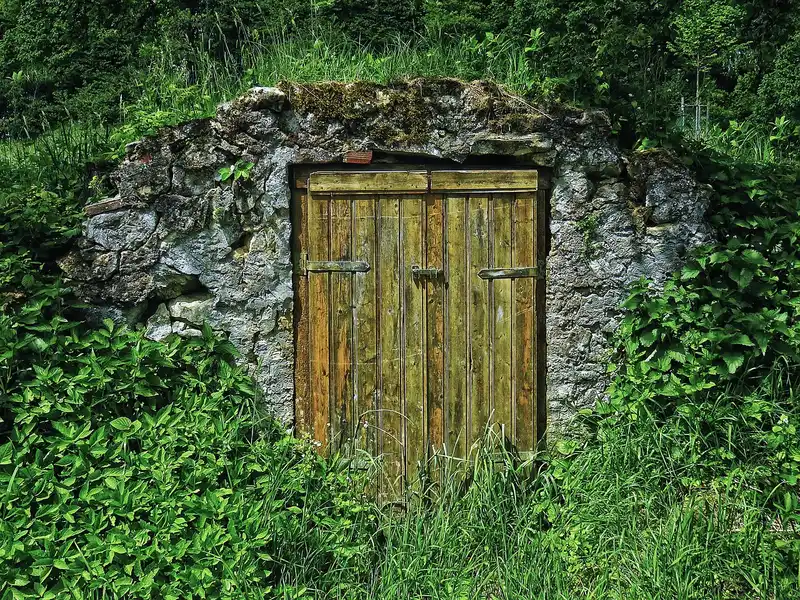
Cellar, daylight basement, and walk-out basement
A cellar is usually the most below-grade version, with the greatest moisture risk and the least finish potential. A daylight basement is partly above ground and may have reasonably sized windows, which makes it a better candidate for living space if the walls and slab can stay dry. A walk-out basement typically follows a slope and has ground-level access on one side, so waterproofing can protect a larger area that may already be useful square footage.
Why type changes the decision
The more usable the basement can become, the easier it is to justify waterproofing. A basement that will stay as storage or utilities needs protection from damp air, stains, and rust. A basement intended for bedrooms, a family room, or a guest suite needs tighter moisture control because finishes, framing, and code-compliant living space are far less forgiving.
Storage, utility, or living space
If the area only stores seasonal items or houses a furnace, water heater, or panel, the goal may be targeted moisture control rather than a full system. If you want a finished basement, waterproofing becomes part of the project cost, not an optional upgrade. HGTV notes that a finished basement is one of the least expensive ways to add square footage, and it can function as a home theater or guest suite when the space is dry and code-compliant.
What older-home moisture problems does waterproofing solve?
Basement waterproofing can solve seepage, damp walls, water vapor penetration through concrete, stain damage, and some mold risk. It does not solve major structural movement. That difference matters in older homes, where a little efflorescence or a musty wall can be a moisture problem, while a bowing wall or shifting footing points to a structural repair first.
Visible seepage and damp walls
Active seepage shows up as wet spots after rain, water at the slab edge, damp carpet, peeling paint, or puddling near cracks. That is a water entry problem, not a cosmetic one. Interior paint can hide the stain for a while, but it will not stop water that is entering through a crack, joint, or failed drain path.
Water vapor penetration through concrete
Concrete foundation walls and slabs can pass moisture as vapor, especially in older homes with no modern barrier. That vapor can keep walls cool and damp, ruin stored items, and make finishes fail. Sealers and membranes can help with vapor control, but they work best when the basement is already dry enough that liquid water is not pushing through the assembly.
Mold risk, stains, and finish damage
Moisture is what damages drywall, trim, insulation, and flooring. It also raises the chance of mold growth on organic materials. A dry basement is easier to finish because it protects the investment in framing, flooring, and painted surfaces.
Suppose a 20-by-30-foot basement has white powder on the lower block courses after spring rain, plus a musty smell in the storage area. That pattern points to repeated moisture entry, not simple cosmetic dampness, and waterproofing is more defensible than another coat of paint.
Basement decision table
This table scores an older basement on six factors. Use it to decide whether to move ahead, wait, or fix drainage first. The more boxes that land in the high-risk band, the more likely waterproofing is worth the money.
| Factor | Low risk: wait | Moderate risk: maybe | High risk: yes | Recommendation |
|---|---|---|---|---|
| Visible seepage | No wet spots, no puddles, no active leaks | Dampness after heavy rain, small stained areas | Repeated wet walls, floor seepage, or standing water | Wait / maybe / yes |
| Wall material | Sound concrete with minor hairline cracks | Concrete with patched cracks or aging mortar joints | Stone, block, or mortar showing wear and leakage | Wait / maybe / yes |
| Foundation age | Recent foundation with known drainage details | Older foundation with limited service history | Very old foundation with unknown repairs or repeated issues | Wait / maybe / yes |
| Drainage quality | Good grading, clean gutters, long downspouts | Some runoff control, but weak one side of the house | Poor grading, overflowing gutters, failed footing drains | Wait / maybe / yes |
| Planned use | Storage or mechanicals only | Flexible use, occasional hobby space | Finished family room, office, bedroom, or guest suite | Wait / maybe / yes |
| Resale / finish potential | Little market value tied to the basement | Some value if the space can stay dry | Clear payoff from a finished, usable basement | Wait / maybe / yes |
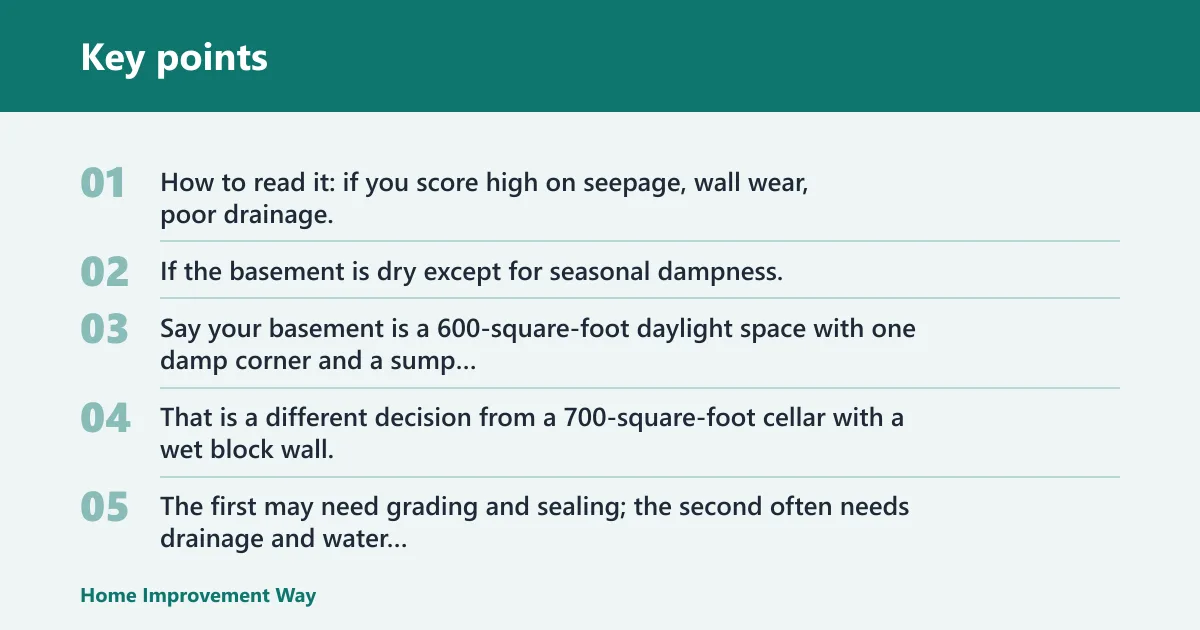
How to read it: if you score high on seepage, wall wear, poor drainage, and finish potential, full waterproofing is usually easier to defend. If the basement is dry except for seasonal dampness, start with exterior water control and monitor before paying for a larger system.
Say your basement is a 600-square-foot daylight space with one damp corner and a sump pit that never runs during storms. That is a different decision from a 700-square-foot cellar with a wet block wall, peeling paint, and efflorescence across the floor joint. The first may need grading and sealing; the second often needs drainage and water management.
When sealing is enough and when it is not
Sealing is enough when moisture is mostly cosmetic or vapor-based, not when water is entering in volume. A coating can slow vapor and reduce staining on sound concrete, but it cannot fix active leaks through walls, floors, or failed footing drains. Start with the source, then choose the least invasive fix that can actually stop it.
Interior sealing and coatings
Interior sealers, coatings, and membranes can help with vapor intrusion, light dampness, and staining on concrete or masonry. Products like a bright white elastomeric wall coating may make sense on porous surfaces that are dry enough for coating adhesion. They are a poor answer for active seepage, because water pressure behind the wall still needs a drainage path.
Drainage, gutters, and grading first
Before opening walls, check the simple fixes: clean gutters, extend downspouts away from the house, regrade soil so water sheds away, and make sure window wells are draining. These measures often solve seasonal dampness at far lower cost than a full interior system. If water only shows up after hard rain, exterior runoff is often the first suspect.
Exterior drainage and membrane work
Exterior drainage, footing drains, and membrane work are the right answer when water is reaching the foundation from the outside and the inside finish is repeatedly failing. They are more invasive, but they can address the source rather than only the symptom. Older homes with worn footing drains, cracked exterior coatings, or poor backfill often need this level of repair.
Can you waterproof an older basement without digging?
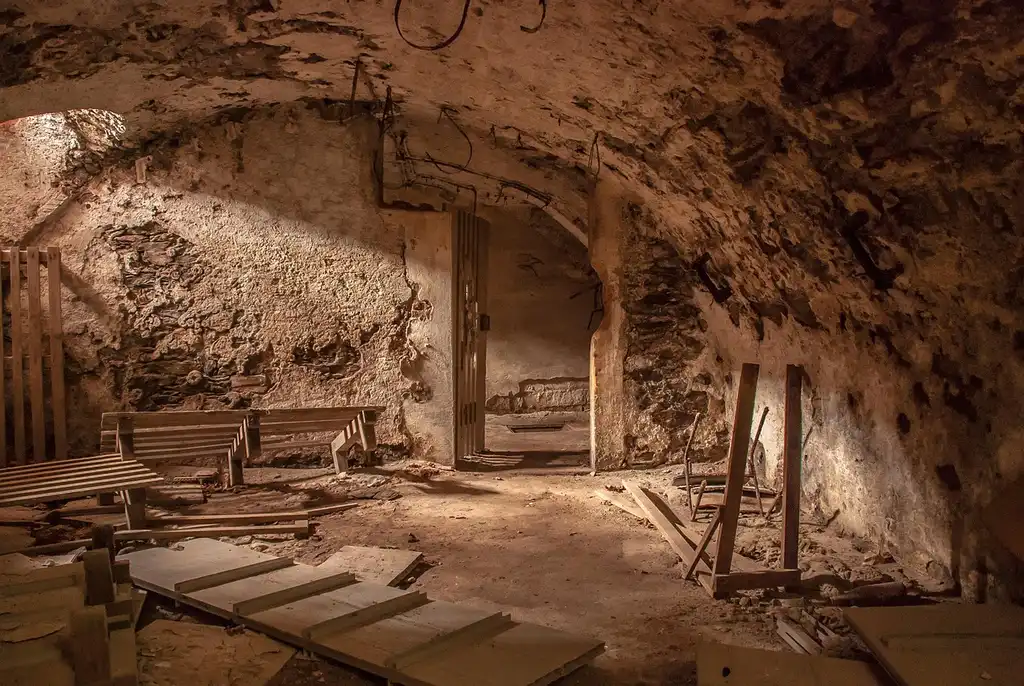
Yes, many older basements can be improved without digging, but not every water problem can be fixed that way. Interior sealing, interior drainage, sump work, and wall coatings can control moisture and some seepage. They do not stop outside water from reaching the wall, so severe foundation leaks may still need exterior work later.
No-dig and low-dig methods
- Interior sealing: helps with sound concrete, hairline cracks, and light vapor intrusion.
- Wall coatings and membranes: help with damp masonry when the wall is stable and dry enough for application.
- Interior drainage: collects water at the base of the wall and routes it to a sump.
- Sump work: moves collected water away before it reaches the finished space.
What they can fix
These systems can protect stored items, reduce odors, and keep finishes from getting damaged by minor seepage. They are especially helpful in older homes where the basement will remain below-grade storage or utility space. They can also make a future finish project more realistic by lowering day-to-day humidity and leak risk.
What they cannot fix
They cannot repair a failing foundation, stop serious wall movement, or correct a drainage system that is backing up because the site slopes toward the house. If the wall is bowing, cracking in a new pattern, or shifting, waterproofing is only part of the answer. Structural repair comes first.

Based on the published specs, the Basement Watchdog Special CONNECT makes sense when you already need a sump backup in a narrow pit and want a battery-powered safety layer against power loss. The drawback is simple: it manages collected water, but it does not solve grading, wall leaks, or a broken footing drain.
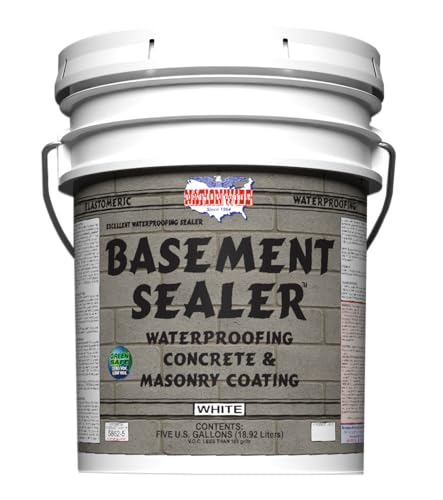
Based on the manufacturer’s details, Basement Sealer™ Wall Coating appears suited to dry, porous concrete or masonry where vapor and staining are the main concerns, rather than active leaks through walls or floors. Its limit is just as important: it is not a fix for active leaks through walls or floors, and it should not be treated as a substitute for drainage work.
Does waterproofing add value in an older home?
It can, but the value is usually strongest when waterproofing enables a finished basement or protects an existing finished space. A dry basement is more usable, easier to finish, and less likely to keep generating repair work. The payoff is practical first, resale second, and it will vary by house and market.
Finished basement value
HGTV frames a finished basement as a blank canvas for uses like a home theater or guest suite. That matters because the value comes from usable space, not from coated walls alone. Waterproofing is most defensible when it allows the basement to become clean, code-compliant square footage rather than a recurring repair job.
Appraisal and resale effects
A finished basement can help resale when the work is dry and professional. It is less likely to help when the basement still smells musty, shows past water lines, or has visible patchwork from repeated leaks. Buyers notice the difference quickly, and appraisers tend to discount space that looks risky or unfinished because of moisture history.
When the payoff is mostly practical
If the basement is only for storage or utilities, waterproofing may still be worth it even without a big resale bump. Protecting a furnace, water heater, washer, or stored items can be enough reason. In those cases, the return is often lower insurance against damage rather than added market value.
Choose waterproofing if… / Choose to wait if…
Use the house conditions, not optimism, to decide. Older basements with repeated leaks and finish potential usually justify action. Dry basements with only seasonal dampness usually justify a drainage check first.
Choose waterproofing if…
- You see repeated seepage after rain, not just light dampness.
- The basement will become living space, a finished office, or a guest suite.
- The wall material shows wear, efflorescence, or mortar degradation.
- The drainage history is poor or unknown, especially around old footing drains.
- The basement already has finish damage, mold risk, or recurring odors.
Choose to wait if…
- The space stays dry except for brief seasonal humidity.
- Gutters, downspouts, and grading have not been corrected yet.
- The basement is only used for storage and utilities.
- The wall or slab issue looks structural rather than moisture-only.
- You have not verified the source of the water.
Frequently asked questions
Is basement waterproofing worth it in an older home?
Usually, yes, when the basement has active seepage, musty odors, or a finish project depends on dry conditions. It is less compelling when the space only feels damp in humid weather. In that case, grading, gutters, and downspouts should come first, because they are often the cheapest fix for the biggest source of water.
What problems does basement waterproofing actually solve?
It can reduce seepage, damp walls, vapor intrusion, stains, odors, and some mold risk. It is not a cure for foundation movement or a substitute for structural repair. If the wall is cracking because the structure is moving, waterproofing only manages the moisture side of the problem.
When does an older basement need waterproofing instead of just sealing?
Use waterproofing when water is entering in liquid form, especially through cracks, joints, or the slab edge. Use sealing when the issue is light vapor, staining, or porous concrete that is otherwise dry. If the wall gets wet after rain, sealing alone is usually not enough.
How much value does a finished basement add after waterproofing?
A finished basement can add useful square footage and make the home easier to live in, but the value depends on local buyers and code-compliant work. HGTV calls a finished basement one of the least expensive ways to add square footage. That does not mean every home gets full payback.
What basement conditions make waterproofing a bad investment?
Waterproofing is a weak investment when the space only sees minor seasonal dampness, when drainage fixes have not been tried, or when the real problem is structural movement. It is also less attractive if the basement will stay unfinished storage and the home has little resale benefit from the work.
How do you tell if an older basement is still dry enough to skip waterproofing?
Skip full waterproofing for now if the floor, lower walls, and stored items stay dry through heavy rain, the musty smell is absent, and only minor humidity shows up in humid weather. If you see water lines, recurring stains, or mold, the basement is no longer dry enough to ignore.
Sponsored / affiliate links. As an Amazon Associate I earn from qualifying purchases. I may earn additional commission from eligible campaigns.