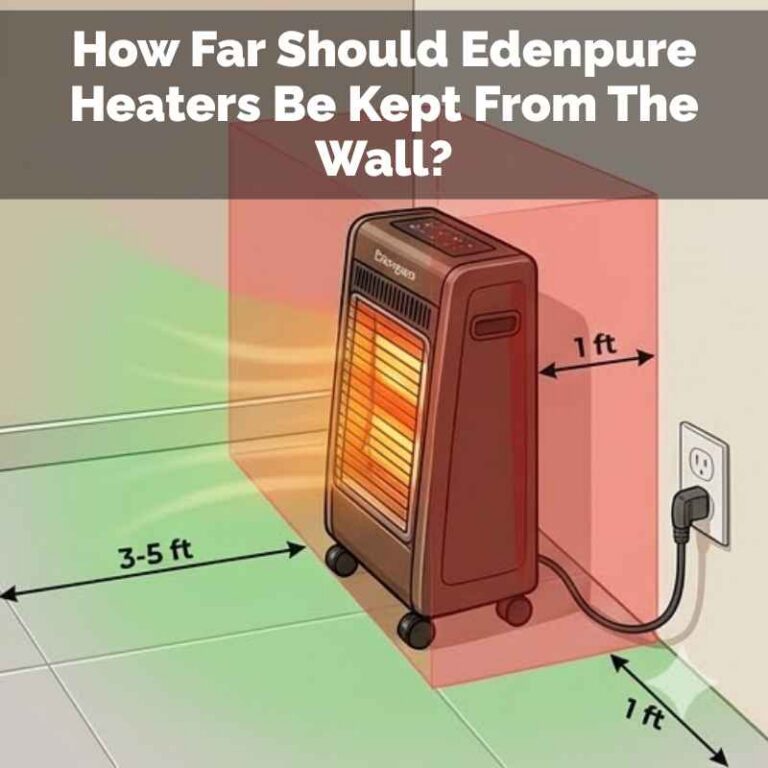
Why Is the Outlet Hot When a Space Heater Is Plugged in?
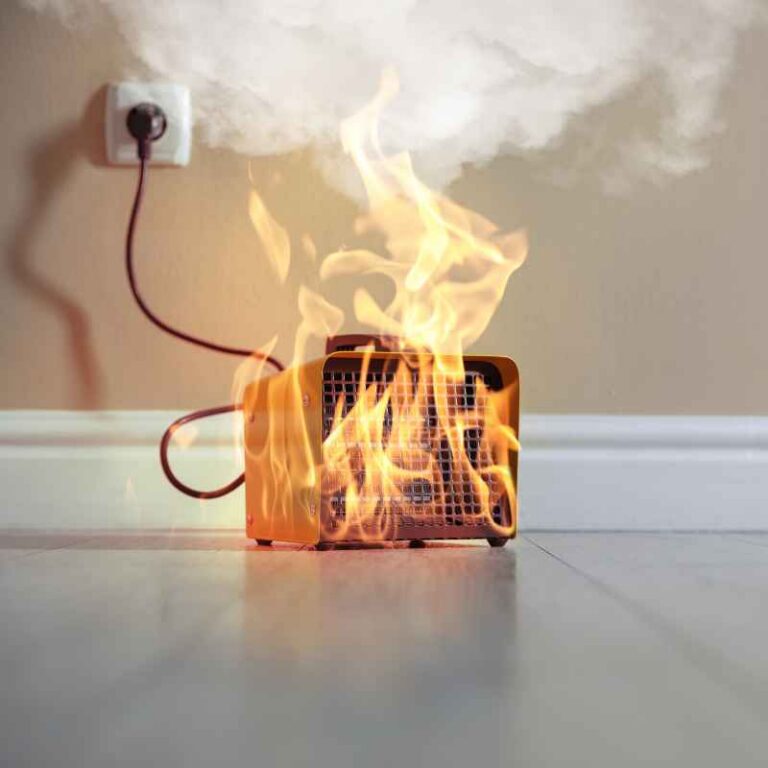
A hot outlet with a space heater usually means excess current, a loose connection, or a failing receptacle; stop using it if the plug, faceplate, or cord feels warm, or if you see odor, buzzing, or scorch marks. Ignoring it can damage the receptacle, melt the plug, and start a fire. This guide shows how to tell whether the heat is coming from the plug, the outlet, or the shared circuit, and what to do next.
Why the outlet is hot
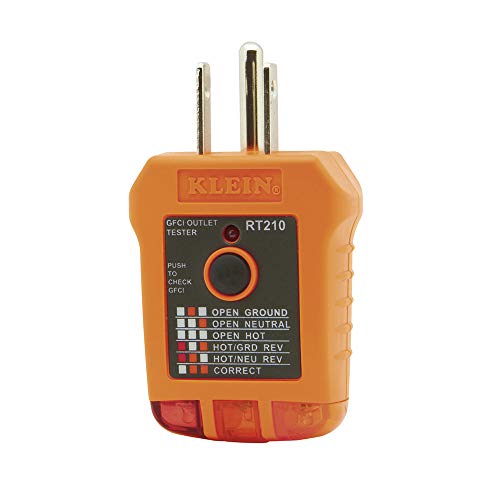
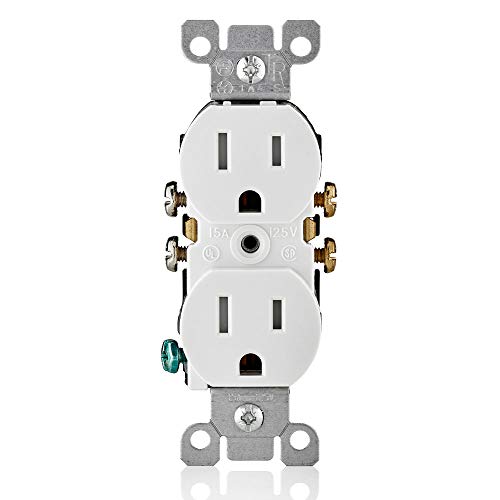

Heat at a space-heater outlet usually comes from one of three places: the plug blades, the receptacle contacts, or the branch circuit feeding that outlet. A typical 1,500-watt heater draws about 12.5 amps at 120 volts, so a 15 amp circuit can run close to its limit when other loads are on the same circuit.
Heat at the plug versus heat at the receptacle
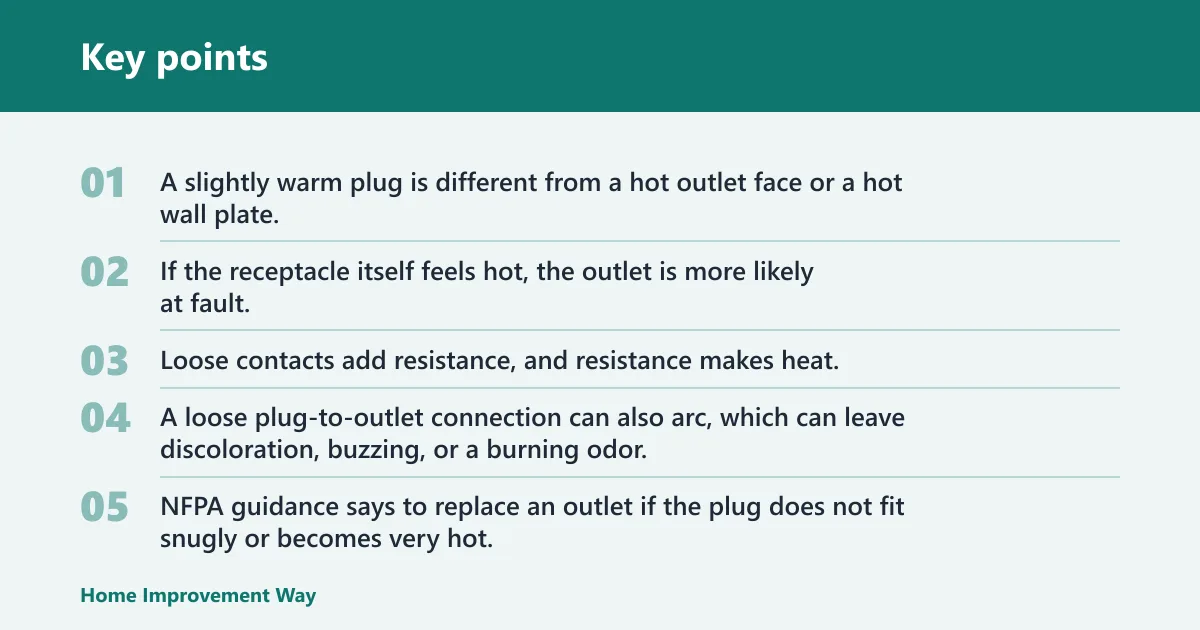
A slightly warm plug is different from a hot outlet face or a hot wall plate. If the plug area is warm but the receptacle body stays normal, the problem may be the heater cord, the plug blades, or a poor fit between the two. If the receptacle itself feels hot, the outlet is more likely at fault.
Loose contacts add resistance, and resistance makes heat. A loose plug-to-outlet connection can also arc, which can leave discoloration, buzzing, or a burning odor. NFPA guidance says to replace an outlet if the plug does not fit snugly or becomes very hot.
How a space heater loads a 15 amp circuit
Space heaters should plug directly into a wall outlet, not into a power strip, surge protector, or extension cord. CPSC guidance says never to use an extension cord or power strip with a space heater. A 15 amp circuit should carry no more than 12 amps of continuous load, so a 1,500 watt heater can leave little room for lamps, chargers, or other room loads.
That matters because the heater may be plugged into one receptacle while a second lamp or device on another receptacle in the same room pushes the same branch circuit hotter. Heat can show up at the heater outlet even when the heater is the only thing plugged into that specific socket.
Is a warm heater plug normal?
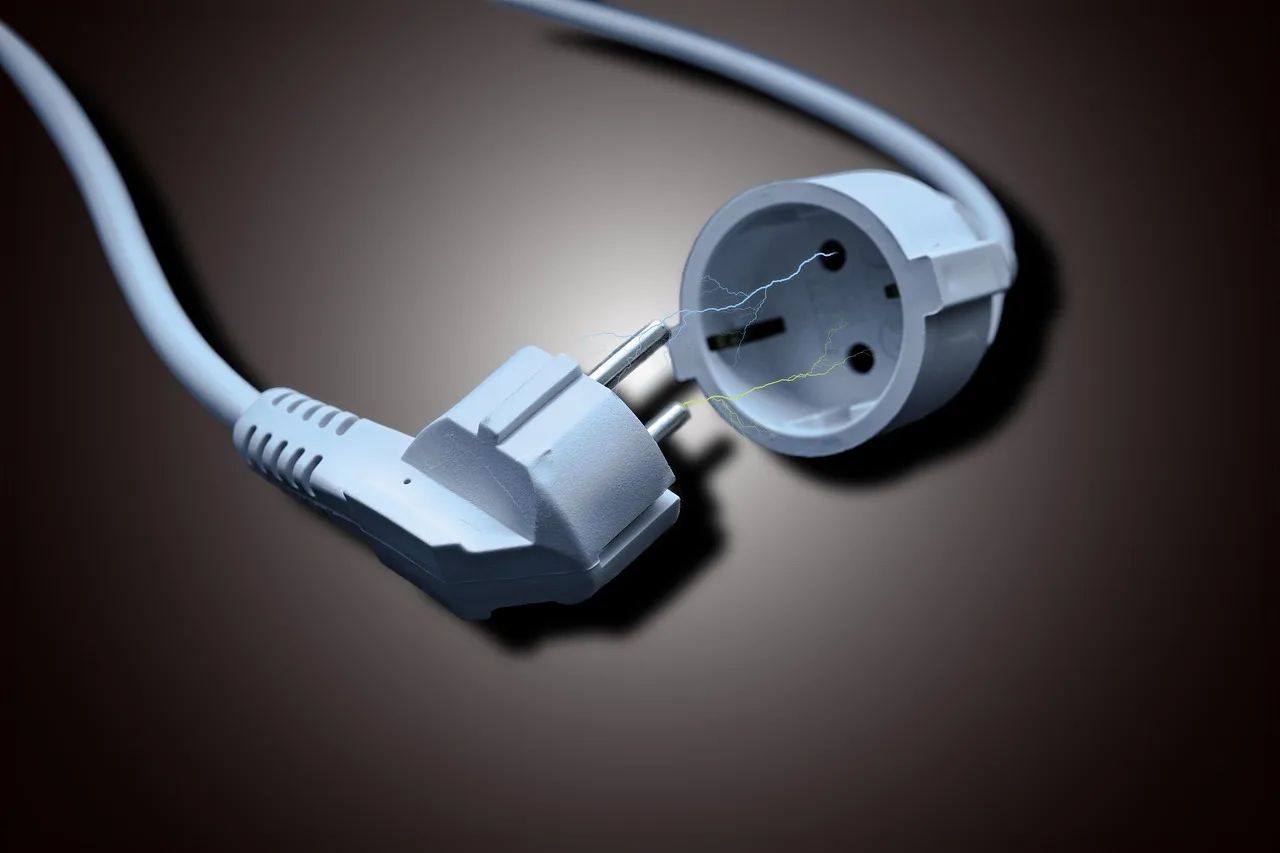
A mildly warm plug can happen during heater use, but a hot plug or hot receptacle is not normal. If the plug is just barely warm after normal operation and the outlet face is cool, the heat may be from the heater’s current draw. If the plug becomes hot, the fit feels loose, or the outlet changes color, stop using it.
What a slight warmth can mean
A small amount of warmth at the plug can come from current flowing through metal contacts. That is different from a plug that is too hot to hold comfortably, a receptacle that feels hot around the slots, or a faceplate that stays hot after the heater is off. Those are warning signs, not normal operation.
Picture a heater set to high in a bedroom. The plug feels a little warm after 20 minutes, but the outlet is snug, quiet, and free of odor. That is a different situation from a plug that smells burnt, buzzes, or leaves the wall plate hot. The second situation calls for immediate stop-use.
When warmth becomes a stop-use problem
Stop using the heater if warmth turns into heat you can feel at the outlet face, cord cap, or wall plate. Stop as well if you notice scorch marks, discoloration, arcing, sparks, or a burning smell. CPSC guidance supports disconnecting use when the plug or outlet becomes hot.
If smoke, visible arcing, melting, or fire is present, do not touch the heater or plug. Shut off power only if you can do so without contacting damaged parts, then keep people away from the outlet area.
Signs that point to the heater cord or plug
A worn plug can overheat even if the receptacle is sound. Watch for bent blades, looseness when the plug is inserted, a cap that feels hotter than the outlet around it, or heat that appears at the cord end rather than the wall face. Those clues point toward a plug or cord issue, not just the receptacle.
A common mistake is assuming the wall outlet is bad because the cap is hot. The cap and the receptacle work as one contact pair, so a worn plug can make a healthy outlet run hot too. That is why fit, smell, and discoloration matter together.
What to do right now
If the outlet feels hot, smells burnt, or shows damage, stop using the space heater right away. Unplug it only if the plug and outlet area are cool enough to touch safely. Then inspect the heater cord, the receptacle face, and the breaker panel for repeated trips or other signs of trouble.
-
Turn the heater off.
Switch the heater off and let the fan stop before you touch the plug. If the outlet is hot, remove the load as soon as it is safe to do so. -
Check for visible damage.
Look for scorch marks, discoloration, melting, sparks, buzzing, or a burning smell. Any of those signs means the outlet area needs attention before the heater is used again. -
Confirm direct wall connection.
Make sure the heater was plugged straight into the wall, with no extension cord, surge protector, or power strip in between. High-wattage appliances like space heaters should usually be plugged directly into a wall outlet. -
Test the plug fit.
Reinsert the plug only if the outlet looks intact and cool, and note whether it fits firmly without wobbling. A loose fit points toward a worn receptacle or worn plug contacts. -
Stop use and call if needed.
If the outlet is still hot, the fit is loose, or breaker trips repeat, keep the heater out of service and arrange an electrician inspection. The electrician should evaluate both the receptacle and the branch circuit.
Outlet troubleshooting matrix
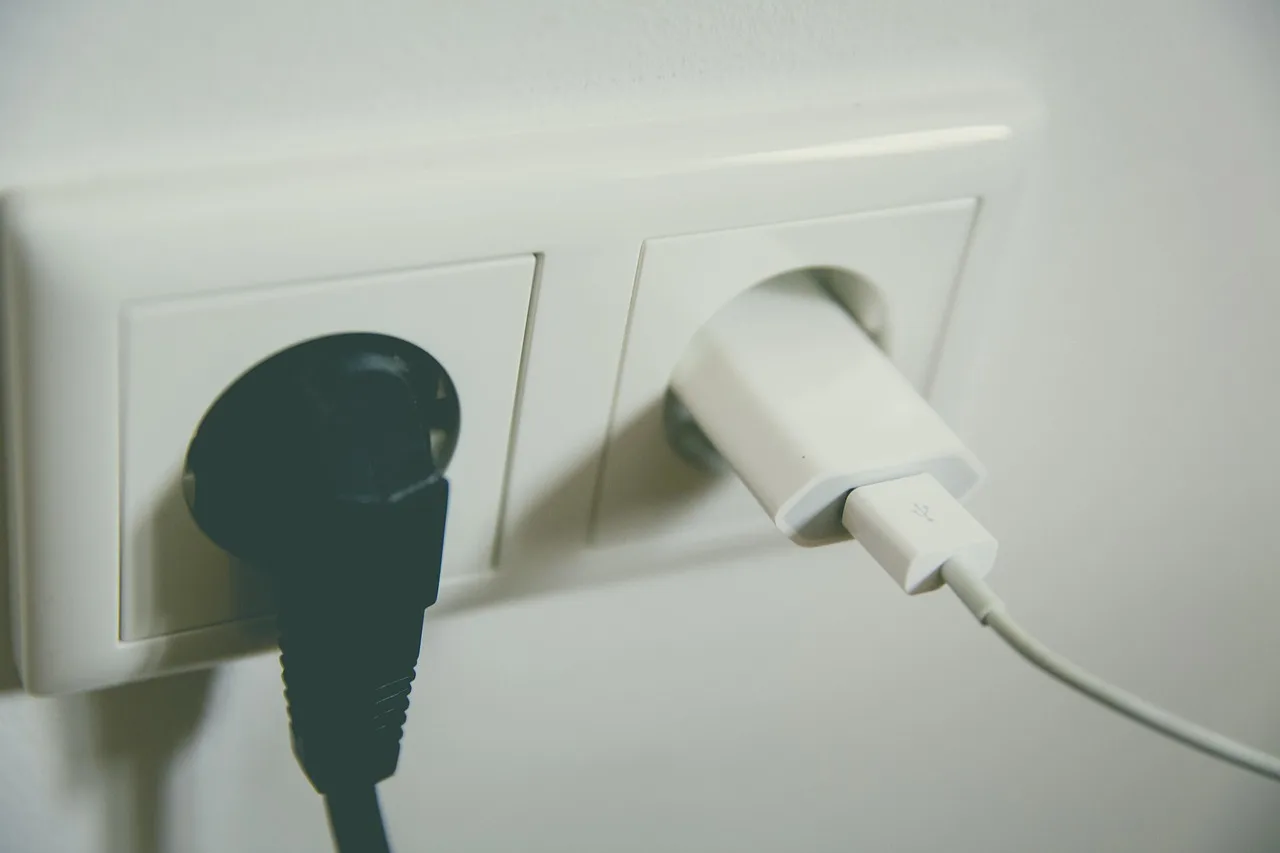
Use this matrix to separate plug heat, outlet failure, circuit overload, and heater fault. The goal is to locate the source before you decide whether the fix is outlet replacement or a broader circuit check.
| Symptom | Likely source | Immediate action | Call an electrician? |
|---|---|---|---|
| Plug is slightly warm; outlet face is cool; no odor | Heater / normal current at plug | Monitor closely and keep the heater plugged directly into the wall | No, unless the warmth increases |
| Outlet face is hot; plug is only mildly warm | Outlet | Unplug if safe, stop using the heater, and inspect the receptacle | Yes |
| Plug cap is hot and the outlet grip feels loose | Plug / outlet | Stop use and do not reinsert until the fit is checked | Yes |
| Burning smell without visible damage yet | Outlet / plug / circuit | Unplug if safe and leave the circuit off until inspected | Yes |
| Scorch marks or discoloration at the slots | Outlet | Stop use and keep the heater disconnected | Yes |
| Buzzing from the receptacle during heater use | Outlet / arcing connection | Stop use immediately | Yes |
| Breaker trips after the heater runs for a while | Circuit overload or fault | Do not keep resetting the breaker; remove the heater load | Yes |
| Lights dim when the heater starts | Circuit overload / shared load | Move other loads off the circuit and stop heater use if the symptom repeats | Yes |
| Heater plug gets hot in one outlet but not another | Outlet | Stop use in the hot outlet and compare receptacle fit at the other location | Yes |
| Outlet is hot and the heater cord end is also hot | Outlet plus heater plug or cord | Unplug if safe and keep both parts out of service | Yes |
Outlet replacement versus circuit evaluation: A loose fit, visible discoloration, buzzing, or a hot receptacle usually points to outlet replacement. Repeated breaker trips, dimming lights, or heat that seems tied to other loads on the same branch circuit point to circuit evaluation, not just a new receptacle.
Can a loose outlet overheat a space heater?
Yes. A loose outlet can overheat a space heater plug because poor contact increases resistance and heat. If the plug does not fit snugly, the metal contact area is smaller, the connection runs hotter, and the receptacle can degrade further. NFPA guidance supports replacing a loose outlet.
How poor plug grip creates heat
The outlet should grip the plug firmly without wobbling. If the plug can shift, tilt, or pull out too easily, the connection may be losing tension inside the receptacle. That weak contact can create arcing and heat long before the breaker trips.
When outlet replacement is likely
If the outlet is loose, discolored, or hot to the touch, replacement is likely. A receptacle that has lost spring tension will not recover with cleaning or tightening the plug. An electrician should replace the receptacle and check the wiring behind it.
Why a damaged receptacle needs an electrician
A damaged receptacle can hide heat damage in the box and on the conductors behind the outlet face. The electrician should inspect both the receptacle and the branch circuit, especially if the outlet has been hot more than once or if breaker trips have repeated.
When the circuit is the problem
The circuit may be the problem even when the heater outlet looks normal from the front. Shared loads on the same branch circuit can raise temperature across the circuit, and repeated breaker trips point to overload or an electrical fault. A 1,500 watt heater can stress a 15 amp circuit, especially when other devices are already running.
A heater on one receptacle can share a branch circuit with lamps, chargers, TVs, or other room loads on nearby outlets. The heat may show up at the heater outlet because that is where the highest current path is being stressed, even though the other loads are connected elsewhere in the room.
Suppose a heater on high runs beside a lamp and a phone charger on the same 15 amp circuit. The heater outlet may feel hot after 30 minutes even though the heater is the only device in that one receptacle. That points away from the receptacle alone and toward circuit load sharing.
What repeated breaker trips mean
Repeated breaker trips mean more than an inconvenience. They can signal overload, a failing breaker, or a wiring fault. Do not keep resetting a tripped breaker without finding the cause, especially if the outlet is hot or the heater was the trigger.
-
Reduce the load.
Turn the heater off and move other devices off the same circuit if possible. This helps reveal whether shared loads are contributing to the heat or breaker trips. -
Watch for repeat symptoms.
If the outlet cools down once the extra loads are removed, the circuit may have been overloaded. If the problem returns with only the heater connected, the receptacle or heater may still be faulty. -
Schedule inspection.
Ask an electrician to check the receptacle, wiring, and breaker if the outlet is hot, the breaker trips again, or lights dim when the heater starts. That combination needs a circuit-level look.
Should you leave a space heater plugged in?
You should not leave a space heater plugged in all the time if the outlet is hot, loose, damaged, or discolored. Even when the heater is off, a bad connection can stay risky. Unplugging the heater when it is not in use also reduces the chance that someone will turn it on again without noticing outlet damage.
Why unplugging matters when the heater is off
Unplugging removes the load from the receptacle and lets you check the fit again before the next use. That matters because a receptacle that seems fine when cold may fail under heater load. If the outlet has already shown heat, do not keep using it until it has been inspected.
Why power strips and extension cords are not for heaters
Power strips and surge protectors are not designed for sustained space-heater current. Surge protection does not prevent overheating from high current, and the extra plug-and-socket joints add resistance. Extension cords can overheat even when heavy-duty, and a coiled or hidden cord can trap heat.
Room and circuit setup that makes overheating more likely
Overheating is more likely when the heater shares a circuit with other room loads, when the receptacle is old, or when the plug fit is already loose. Keep the heater on a direct wall connection and avoid adding other high-draw devices to the same branch circuit.
Frequently asked questions
Why is the outlet hot when a space heater is plugged in?
A hot outlet usually points to excess current, a loose connection, or a failing receptacle. If the outlet is hot, stop using it and check for smell, looseness, or damage.
Is it normal for a space heater plug to get warm?
A slight warmth can happen, but a hot plug is not normal. If the plug stays only mildly warm and the outlet is cool, the heater may simply be drawing current. If the plug is hot, buzzing, or discolored, treat it as a fault and stop use.
Should you unplug a space heater if the outlet feels hot?
Yes. If the outlet feels hot, unplug the heater only if it is safe to do so, then stop using that receptacle. CPSC guidance supports disconnecting use when the plug or outlet becomes hot, and a hot outlet can worsen fast if the connection continues under load.
Can a loose outlet make a space heater overheat the plug?
Yes. A loose outlet can overheat the plug because a poor fit increases resistance and can create arcing. The outlet should grip the plug firmly without wobbling. If the fit is loose or the outlet is hot, replacement by an electrician is the safer next step.
Should you leave a space heater plugged in all the time?
No, not if the outlet is hot, loose, damaged, or discolored. Space heaters should plug directly into a wall outlet, and you should unplug them when not in use if there is any sign of overheating. Leaving a problem outlet energized only increases risk.
What should I do if the outlet smells burnt with a space heater?
Stop using the heater right away and do not ignore the smell. A burning odor, scorch marks, sparks, or discoloration are serious warning signs. If there is smoke or visible arcing, do not touch the heater or plug, and keep the area clear until an electrician inspects it.
Sponsored / affiliate links. As an Amazon Associate I earn from qualifying purchases. I may earn additional commission from eligible campaigns.
 Faryuan Bladeless Heater Fan, 25inch Heating & Cooling & Filter Combo Tower Fan 80° Oscillating with Remote, 9H Timer, 8 Speeds, Portable Quiet for Indoor, Bedroom, Home Office Room, White&Sliver
 MEGAWISE Portable Air Conditioner and Heater, 420W 110V Compact AC Unit with Remote Control, 1400W Cooling Capacity, 800W Heating, Dehumidifier, Fan, Sleep Timer, Champagne