Why Is My Fireplace Smoking Into the Room?
If your fireplace smokes into the room, first check whether it puffs only during startup or keeps smoking after 10–15 minutes; brief startup smoke often points to a cold flue, while ongoing smoke usually means draft, blockage, or pressure problems. If smoke keeps building, or a carbon monoxide alarm sounds, stop using the fireplace. This guide helps you spot the smoking pattern, rule out simple causes, and decide when to clean, warm, or call a chimney pro.
This guide is part of our Space Heaters, Fireplaces and Winter Humidity Guide series.
Why smoke enters the room
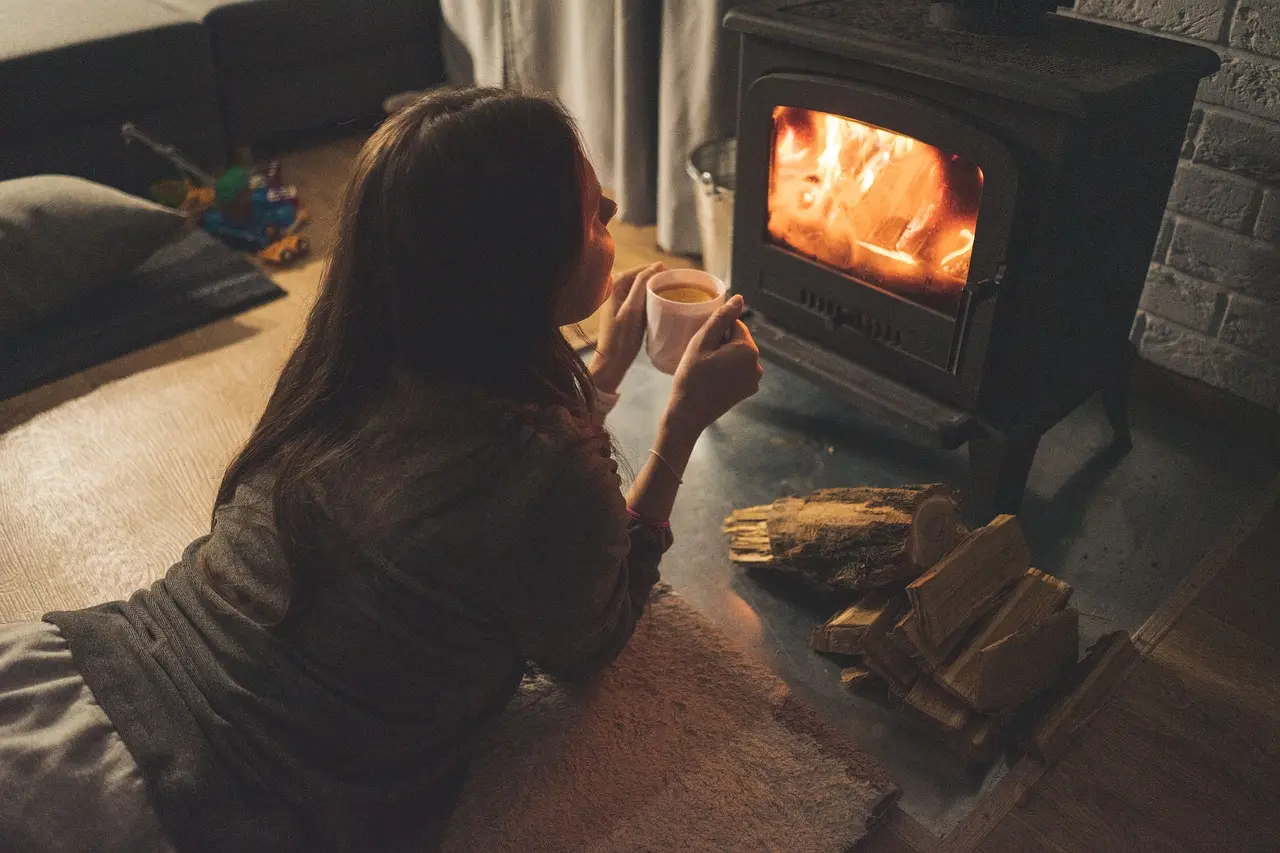


Smoke should move up the chimney because warmer air in the flue creates draft, the upward airflow that carries smoke out. If that airflow is weak, reversed, or blocked, smoke spills into the room instead. The key is timing: startup wisps, repeated puffs, and steady smoke usually point to different causes.
How draft is supposed to work
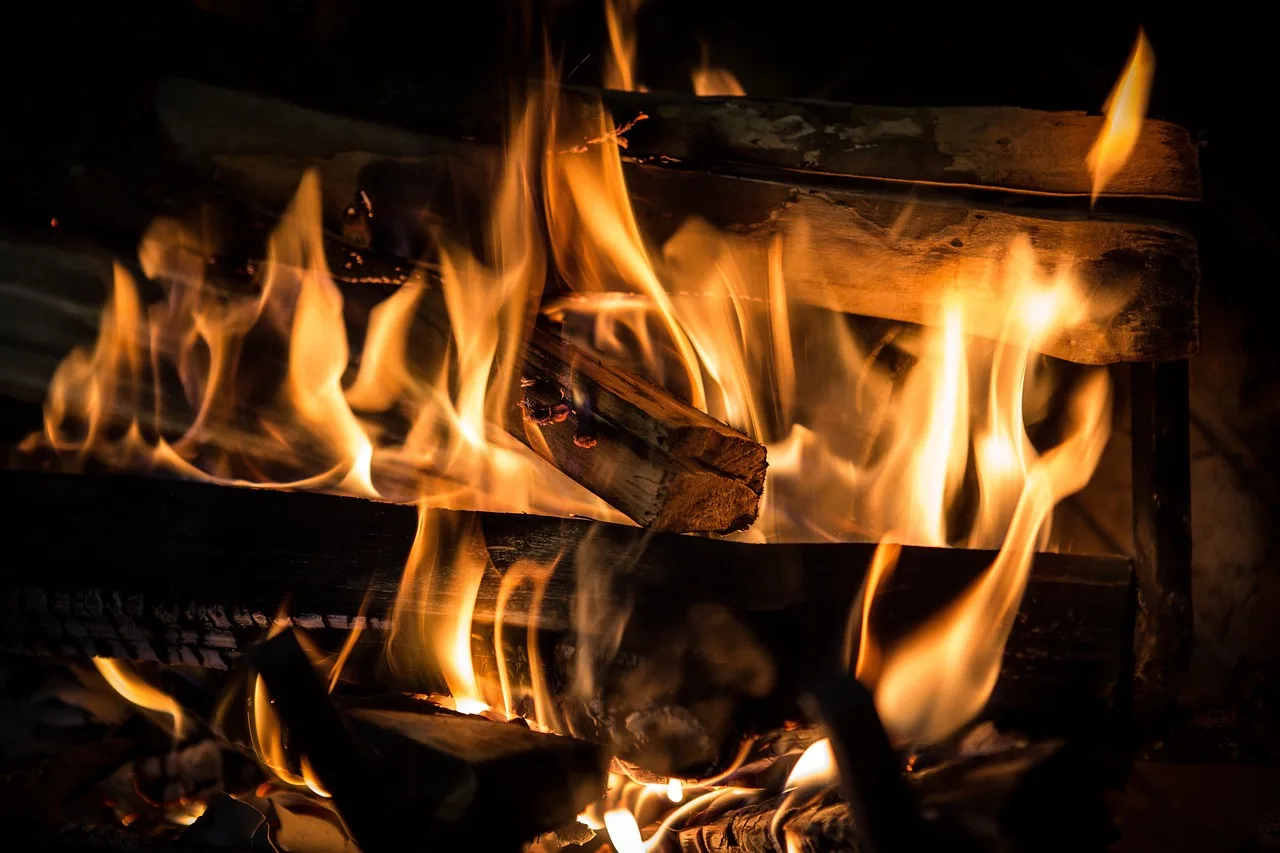
Draft depends on the temperature difference between the firebox and the outside air. A warm flue rises better, a cold flue rises poorly, and wind can either help or disrupt the flow. Chimney height also matters, because a short chimney often develops weaker draft and is more sensitive to rooflines and gusts.
When smoke is a safety problem
A smoking fireplace can pose carbon monoxide exposure risks. If smoke persists, gets worse, or a carbon monoxide alarm sounds, stop using the fireplace. A working alarm is commonly recommended for each level of the home, and an alarm activation means immediate evacuation.
Fireplace smoke diagnostic table
| Symptom pattern | Likely cause | Quick home test | Stop-use warning |
|---|---|---|---|
| Smoke at startup only | Cold flue and weak early draft | Light a small starter fire and watch for improvement after the flue warms | Stop if smoke continues past startup |
| Smoke after fans run | Negative air pressure from exhaust fans or dryer | Turn off nearby fans and crack a nearby window | Stop if smoke still rolls into the room |
| Smoke on windy days | Wind-driven draft reversal or roofline interference | Notice whether gusts coincide with smoke spill | Stop if wind causes repeated backdraft |
| Smoke after rain | Wet or cooled flue, damaged or missing cap | Check whether the chimney cap is present and unobstructed | Stop if the fireplace smokes hard after wet weather |
| Smoke with cold flue | Flue is too cold to establish draft | Warm the flue with a small kindling fire first | Stop if the flue will not warm enough to draft |
| Smoke despite open damper | Blocked flue, pressure issue, or structural restriction | Confirm the damper is fully open and look for visible blockage | Stop if the fire still smokes with the damper open |
| Smoke with small fire | Wet wood, weak draft, or oversized opening | Try seasoned firewood and a top-down fire setup | Stop if a small fire still spills smoke |
| Smoke plus CO alarm | Dangerous combustion gases | Leave the home and call for help | Immediate evacuation |
Is the damper fully open?
A closed or partly open damper can send smoke into the room, and the damper sits in the throat above the firebox. Before lighting, it must be fully open. If it is stuck, partially closed, or hard to move, the chimney may not vent well enough to carry smoke out.
Signs it may be stuck or partly closed
Look for a handle or lever that does not move freely, a damper that looks tilted, or a fire that smokes even with a small kindling load. Soot around the opening can also hint that smoke is meeting resistance near the throat.
Why an open damper still may not solve it
An open damper is necessary, but it is not enough by itself. A blocked flue, cold flue, negative air pressure, or a restrictive smoke chamber can still defeat draft. If smoke spills with the damper open, move to the next likely cause instead of relighting the fire over and over.
Why does my fireplace smoke inside?
The most common pattern is a flue that cannot establish or maintain draft. That can happen because the flue is cold, blocked by debris or creosote, or restricted by a rough smoke chamber or a poor firebox-to-flue match. If the smoke keeps coming after startup, treat it as a draft or structure problem.
Cold flue at startup
A cold flue can weaken draft at the exact moment smoke needs somewhere to go. Rain or snow in an uncovered chimney can cool the flue further. If the smoke improves only after the fireplace has warmed for several minutes, cold start conditions are likely part of the problem.
Blocked flue from debris or creosote
The flue must be clear for proper draft. Leaves, nests, soot, and creosote buildup can all narrow the passage and push smoke back into the room. A chimney sweep can clear flue blockages, which is the right next step when smoke appears even though the damper is open.
Smoke chamber and firebox sizing problems
The smoke chamber above the firebox can be rough or corbeled, and that shape can restrict draft. Some older fireplaces need parging to smooth the transition. If the firebox opening to flue ratio is wrong, smoking may be chronic and need a smoke guard, liner, or reconstruction.
Say your fireplace smokes only when the kindling fire is small, but the same chimney clears once the fire is larger. That pattern points more toward weak draft or a restrictive opening than a simple damper issue.
Can negative air pressure make a fireplace smoke?
Yes. Exhaust fans, clothes dryers, and tight homes can create negative air pressure that pulls smoke down the chimney instead of letting it rise. This is common in homes with strong kitchen fans, bath fans, or sealed-up construction that limits incoming makeup air.
How exhaust fans and dryers change air movement
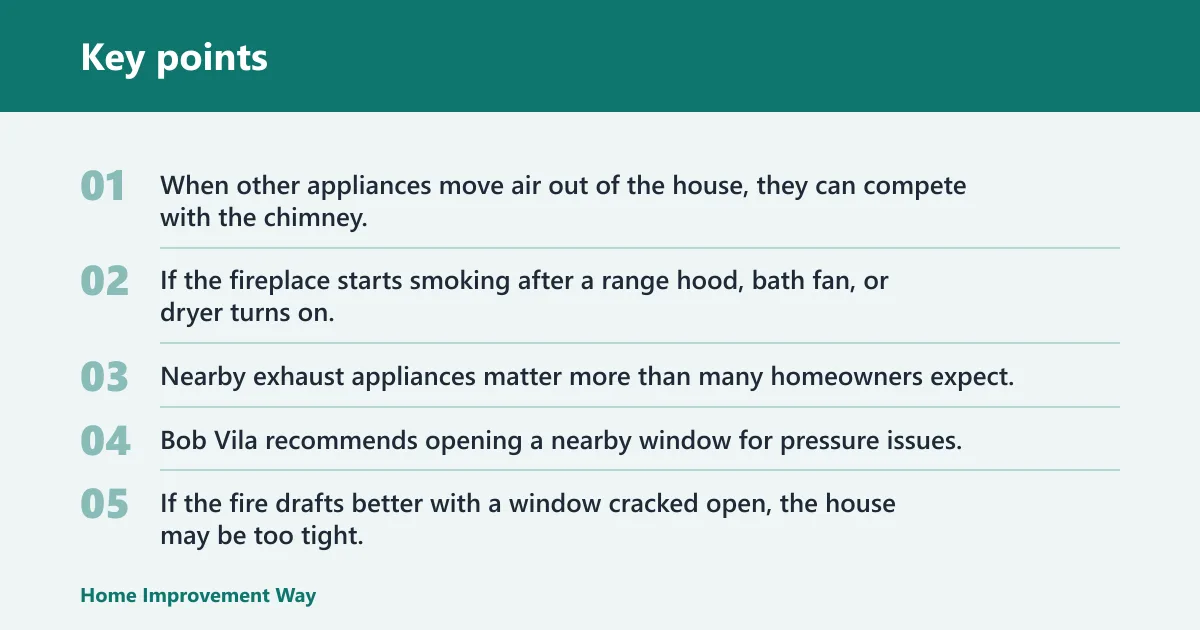
When other appliances move air out of the house, they can compete with the chimney. If the fireplace starts smoking after a range hood, bath fan, or dryer turns on, that appliance may be tipping the house into negative pressure. Nearby exhaust appliances matter more than many homeowners expect.
How to test with a nearby window
Bob Vila recommends opening a nearby window for pressure issues. That is a quick test, not a repair. If the fire drafts better with a window cracked open, the house may be too tight, or another exhaust source may be pulling air away from the chimney.
Why tight homes can pull smoke down
Tight homes can create pressure problems because there is less easy air coming in to replace air going out. The chimney then competes with the house for airflow. In that situation, the fireplace may smoke only when doors are closed, fans are running, or the fire is first lit.
Suppose the fireplace only smokes when the kitchen hood is on high and the laundry dryer is running. That points to pressure, not fuel, and the window test is a useful first check before any bigger repair.
Why does my fireplace smoke only sometimes?
Intermittent smoke usually means the chimney is sensitive to outside conditions. Wind, rain, roofline effects, and weak fires can all change draft from one day to the next. That is why one fire may behave normally while another spills smoke from the same fireplace.
Wind and roofline effects
Short chimneys draft poorly, and the 3-2-10 chimney-height rule is a common benchmark for roof clearance. If the chimney is too short or sits in a windy roof pocket, gusts can push air down the flue or disturb the rising column of smoke.
After rain or with a wet chimney
The same source notes that rain or snow in an uncovered chimney can cool the flue. Go Green Chimney Sweep also notes that a missing cap can let rain and debris enter. A damaged or blocked chimney cap can affect draft protection and invite animals, leaves, and moisture into the system.
During small, weak, or smoky fires
Wet or unseasoned wood makes more smoke and can smolder instead of burning cleanly. The same source suggests the top-down burn method for cleaner fires, and seasoned firewood burns drier and cleaner than damp fuel. If the fire is small and smoky from the start, the wood may be part of the issue, but it is rarely the only one.
When should you stop using it?
Stop using the fireplace if smoke persists after simple checks, if it gets worse as the fire burns, or if the carbon monoxide alarm sounds. That alarm requires immediate evacuation. Persistent smoke can mean a blocked flue, pressure problem, or structural issue that needs more than a quick adjustment.
When to call a chimney sweep or mason
Call a chimney sweep when the flue may be blocked by debris, nests, or creosote, or when the chimney needs inspection and cleaning. Call a mason or chimney specialist when the firebox opening to flue ratio is wrong, the smoke chamber is restrictive, or the chimney height and structure are part of the problem.
A fast decision path
- Check whether the damper is fully open in the throat above the firebox.
- Watch when the smoke happens: startup only, after fans run, after rain, or on windy days.
- Crack a nearby window if fans or a dryer are running.
- Look for signs of a cold flue, wet fuel, or a visibly blocked chimney cap.
- Stop using the fireplace if smoke persists or the CO alarm sounds.
Frequently asked questions
What causes a fireplace to smoke in the house?
Common causes include a closed or partly open damper, a blocked flue, cold startup draft, wet wood, negative pressure from fans or dryers, and chimney structure problems. If the smoke happens only under certain conditions, that timing often points to the cause faster than any single visual check.
Can a closed damper cause fireplace smoke in the house?
Yes. A closed or partly open damper is a common cause of smoke entering the room. The damper sits in the throat above the firebox and must be fully open before lighting. If it is open and smoke still returns, another problem is likely present.
When should I stop using a smoky fireplace?
Stop using it if smoke persists after basic checks, if it worsens during the burn, or if the carbon monoxide alarm sounds. An alarm means immediate evacuation. If the problem remains after checking the damper, fuel, and pressure, call a chimney sweep or mason rather than trying to keep using it.
Sponsored / affiliate links. As an Amazon Associate I earn from qualifying purchases. I may earn additional commission from eligible campaigns.
 GAOMON Portable Air Conditioners with Built-in Dehumidifier Function, Fan Mode, Remote Control, for Room, Dorm, Office Quiet AC Unit, 24H Timer, Window Kit, 8000Btu Portable AC White
 ROVSUN 18000 BTU Mini Split AC/Heating System with Inverter, 20 SEER2 Energy Saving 230V Ductless Split-System Air Conditioner with Pre-Charged Condenser, Heat Pump, Remote Control & Installation Kit