Should You Open Windows in Winter to Air Out the House?
Open windows in winter only for short, controlled airing: about 5 to 10 minutes, using two windows on opposite sides or a window and fan for cross-ventilation, and keep them shut when a fuel-burning heater, fireplace, or attached garage could backdraft. Done poorly, winter ventilation can waste heat, raise bills, and let moisture or combustion gases linger indoors. This guide explains when to air out the house, when to leave windows closed, and how to reduce condensation without losing too much heat.
Should you open windows in winter?



Yes, but only when the reason is clear: stale air, cooking or cleaning odors, or visible moisture on cold surfaces. Winter airing is usually worth the heat loss when the outdoor air is dry, the room feels stuffy, or condensation is starting to collect on windows. It is a short fix, not an all-day habit.
When a window opening is worth the heat loss
Indoor air can be 2-5 times more polluted than outdoor air, and some indoor air can be up to 10 times worse than outdoor air. Homes can accumulate more pollutants in winter because heating systems run and people stay inside more. A short opening can move out stale air, airborne pollutants, and lingering odors without leaving the room cold for long.
That matters because HVAC systems circulate and filter indoor air, but they do not mechanically bring fresh outdoor air into a house unless the system includes dedicated fresh-air equipment. If a room smells stale even after the furnace has run, opening windows may fix a ventilation problem that the HVAC system is not built to solve.
Use this rule: if the problem is air quality, odors, or light condensation, open the windows briefly. If the problem is heavy moisture on windows or walls, open windows only if the outdoor air is dry enough to help; otherwise, start with dehumidification.
When winter airing is worth it
Winter window ventilation works best as a short daily opening during the warmest part of the day. Shorter ventilation periods are recommended to minimize heat loss, and opening windows for as little as 5 minutes a day can improve air quality. A daily minimum of 5 minutes is a practical floor, with 15-20 minutes daily as the ideal range when weather and comfort allow.
After cooking or cleaning, the case is stronger. These activities add moisture, odors, and airborne particles fast. If the kitchen or bathroom feels damp or smells lingering after use, a short burst of ventilation can clear the air before the smell and moisture spread into nearby rooms.
Say your kitchen fills with food odors after frying dinner. Opening two windows on opposite sides of the home for 5 to 10 minutes after cleanup usually clears the smell faster than leaving one window cracked for an hour. The short burst removes the odor before it settles into fabrics.
How long should you ventilate?
For most rooms, about 5 to 10 minutes is a practical winter range, and about 15 to 20 minutes can be the upper end when outdoor temperatures are mild enough to tolerate the heat loss. The best time is usually the warmest part of the day. Use cross-ventilation when possible, because it moves air through the house faster than a single cracked window.
Short bursts versus leaving a window cracked
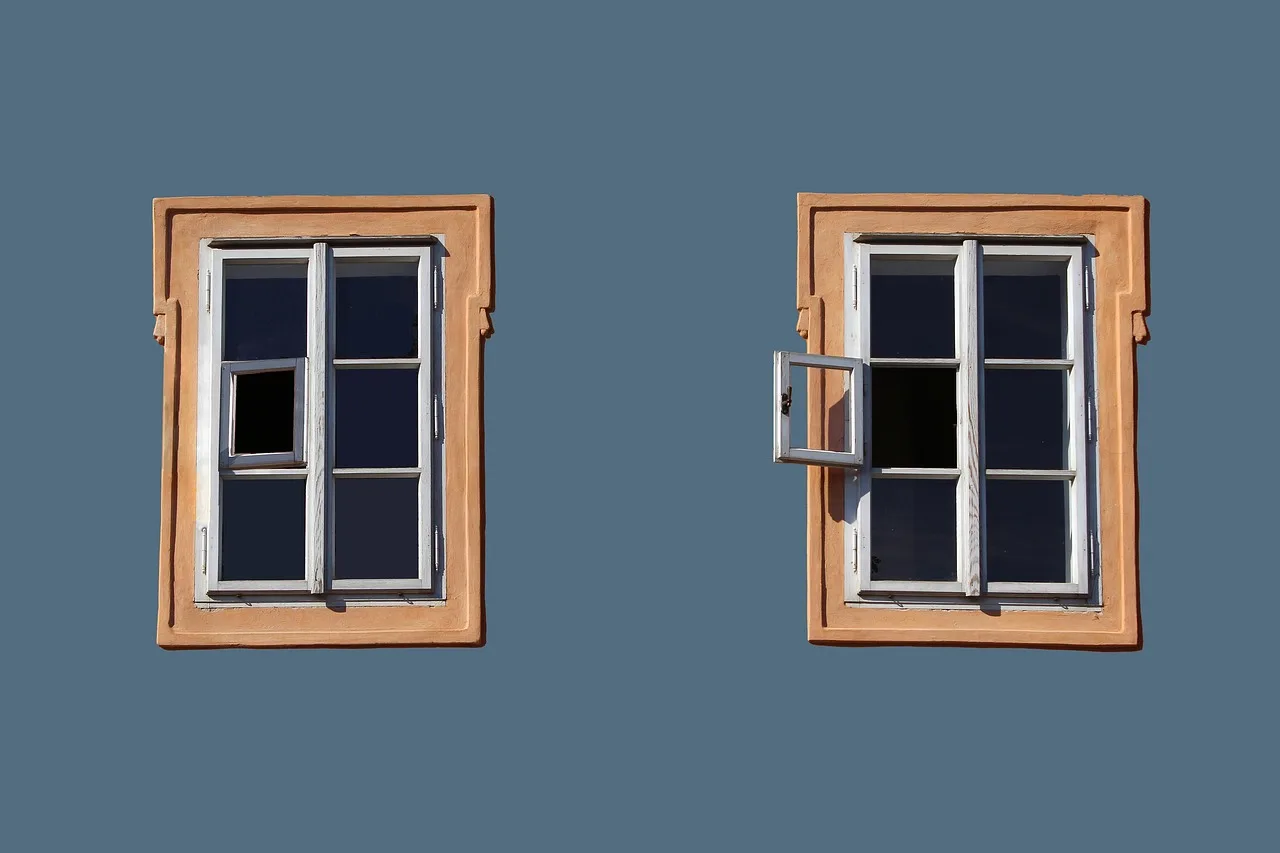
Shock ventilation is the better winter strategy. It means opening windows wide for a short burst instead of leaving them tilted or cracked for hours. This approach is common in Europe because it reduces heat loss while still exchanging stale indoor air for fresher outdoor air.
Leaving a window slightly open overnight can release some condensation, but that is a special case rather than a default plan. A full-night opening can cool surfaces, pull in too much cold air, and make a room harder to warm again. If you need overnight moisture control, a dehumidifier is often the safer first step.
Room-by-room timing
Kitchens and bathrooms usually need the shortest but most frequent airing because they add moisture and odors quickly. Bedrooms often benefit from a short airing before sleep or after waking if the room feels stale. Basements are different: if the air is damp and cool, a dehumidifier may help more than repeated window opening, especially in very cold weather.
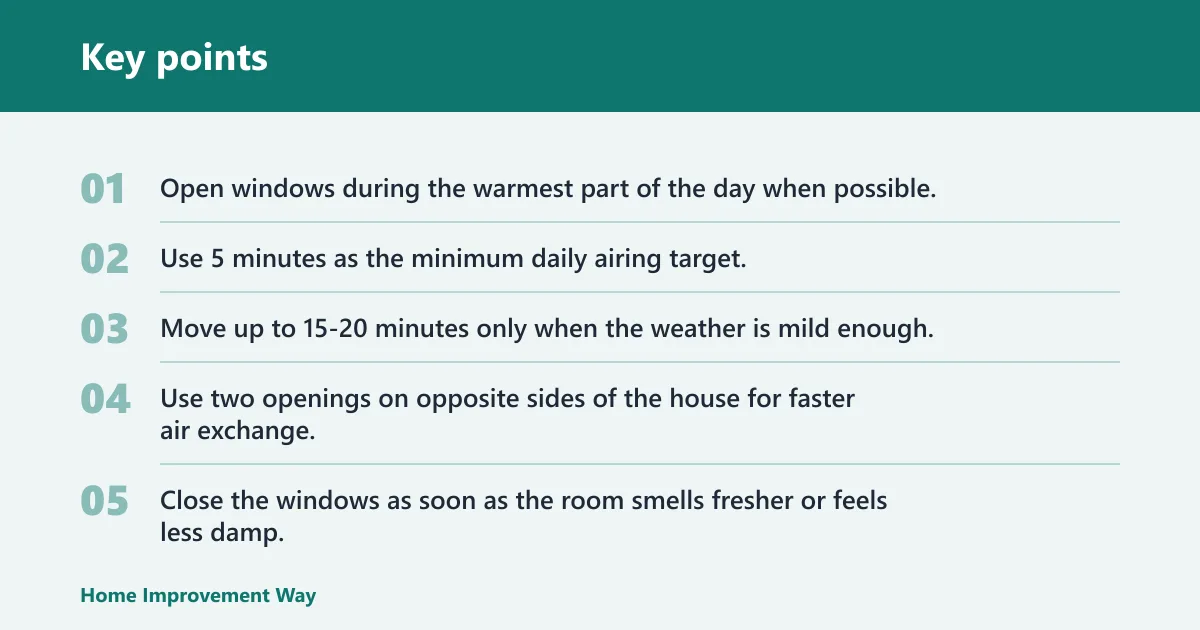
- Open windows during the warmest part of the day when possible.
- Use 5 minutes as the minimum daily airing target.
- Move up to 15-20 minutes only when the weather is mild enough.
- Use two openings on opposite sides of the house for faster air exchange.
- Close the windows as soon as the room smells fresher or feels less damp.
What changes with fireplaces and space heaters
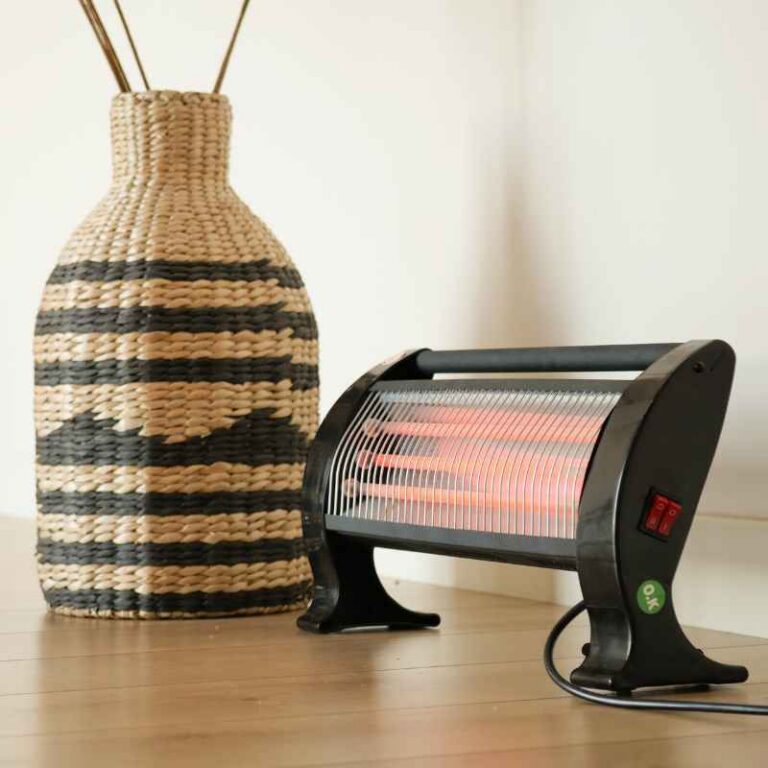
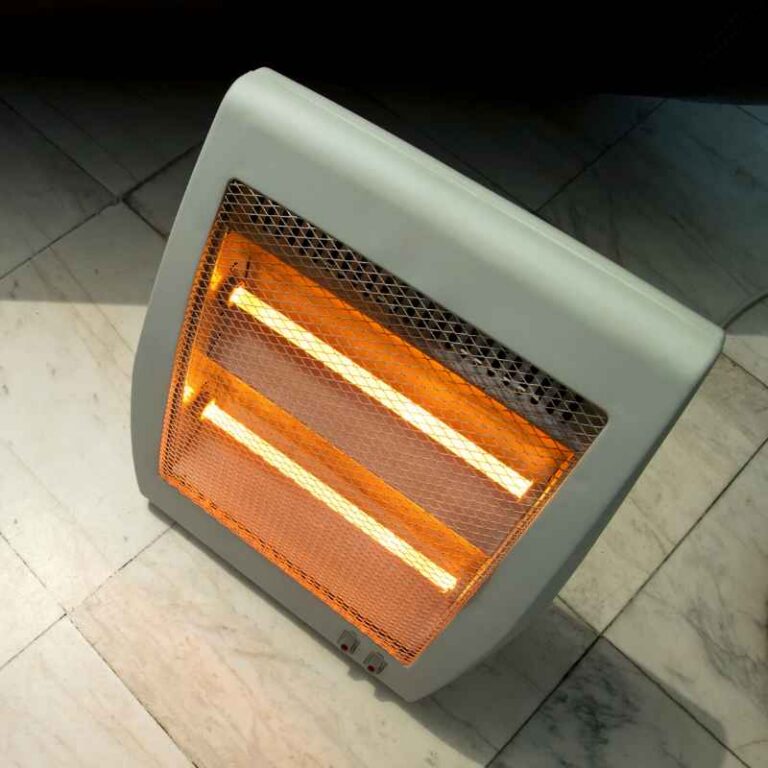
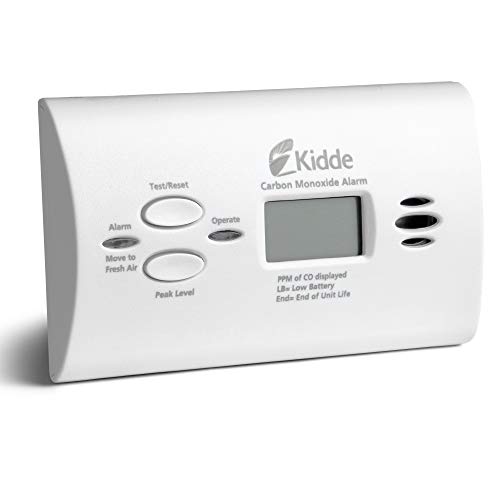
Rooms with fireplaces or space heaters need extra caution because drafts can affect flame behavior, room comfort, and the way heat feels in the space. In those rooms, a window opening can improve air quality, but it can also interfere with combustion or make a heater seem weaker than it is. Keep the opening short and never ventilate in a way that could pull smoke or fumes indoors.
Do not open windows freely in a room with a fuel-burning appliance if there is any sign of backdrafting, smoke rollout, or combustion odor. Keep the room closed and address the heating issue first. If the appliance is off and fully cooled, short ventilation can still help clear lingering odors.
A common first-timer mistake is opening a bedroom window wide while a gas space heater is still running. The draft may make the room feel colder right away, but the bigger risk is that it changes how the heater behaves. In that room, safety and appliance instructions come before airing.
Winter airing decision table
| Scenario | When to open windows | How long to ventilate | Use cross-ventilation? | Ventilation or dehumidifier first? |
|---|---|---|---|---|
| Stuffy air only | When the room feels stale, especially during the warmest part of the day | 5 to 10 minutes | Yes, if you can open opposite sides | Ventilation first |
| Cooking odors | Right after cooking or cleanup, once the cooking hazard is over | 5 to 10 minutes; longer only if the odor lingers | Yes, especially after frying or boiling | Ventilation first |
| Visible condensation | When water is forming on cold windows, glass, or wall surfaces | 5 minutes minimum; 15 minutes if the air is only slightly cold and dry outside | Yes, if outdoor air is dry enough to help | Dehumidifier first if the outdoor air is too cold, damp, or windy |
| Fireplace or space-heater use | Only when the appliance is off, cooled, and the room is safe to ventilate | Very short, controlled airing; stop if comfort or combustion behavior changes | Use caution; do not create a strong draft near the flame source | Safety check first, then ventilation if needed |
Can opening windows help with condensation and mold in winter?
Opening windows can help with condensation, and that matters because condensation is a warning sign that too much moisture is collecting indoors. If moisture stays high, mold risk can rise and musty smells can follow. The goal is to reduce the moisture before it has time to settle on cold surfaces.
Condensation is the warning sign
Condensation forms when warm indoor air hits a cold surface, such as a windowpane. If windows stay closed and air circulation is insufficient, condensation can build up. That is why opening windows in winter can help reduce condensation, especially in bathrooms, kitchens, bedrooms with closed doors, and damp basements.
Opening a window slightly overnight can release some condensation, but that should be used carefully. If the room is already cold or the weather is very damp, a dehumidifier may do more good than another burst of outside air. Moisture control works best when you match the tool to the problem.
When mold risk changes the decision
Mold is the follow-on concern, not the same thing as condensation. If you see repeated window fogging, water beading on sills, musty smells, or damp patches in corners, the room needs more than a quick fresh-air boost. You may need repeated short airing, better exhaust use, and possibly a dehumidifier.
If moisture keeps returning after normal cooking, showering, and daily use, look for the source first. Drying wet clothes indoors, blocked vents, or a damp basement can keep the problem going even if you open windows once a day.
Should you use a dehumidifier instead?
Use a dehumidifier when moisture is the main problem and outdoor air is too cold, damp, or windy for useful airing. A dehumidifier pulls moisture from the air directly and quickly, which makes it a strong choice for persistent condensation, musty rooms, and damp basements. It does not replace fresh air in every case.
When moisture comes first
If your main complaint is window fogging, damp corners, or a musty smell that returns by evening, choose moisture removal first. Opening a window helps only if the outdoor air is drier than the indoor air and the room can tolerate the heat loss. A dehumidifier is often the cleaner answer when winter air is already very cold and dry but the room still feels damp.
Suppose a basement smells musty in January, but the outdoor air is freezing and windy. Opening windows may make the room colder without reducing the dampness enough to matter. A dehumidifier is the better first move, with brief airing later only if the air still feels stale.
How ventilation and dehumidification differ
Ventilation removes stale air, odors, airborne particles, and some moisture by exchanging indoor and outdoor air. Dehumidification removes water from the indoor air without needing to replace that air with outdoor air right away. In winter, many homes need both at different times, but they solve different problems.
If the room is smelly and humid after cooking, ventilate first. If the room is dry enough but the windows still sweat every morning, dehumidify first. That simple split keeps you from opening windows when the real issue is moisture control, or running a dehumidifier when the air needs a fresh exchange.
How can you ventilate a house in winter without freezing it?
Use short openings, choose the warmest part of the day, and create cross-ventilation only when the weather allows it. Close the windows as soon as the air feels fresher or the condensation clears. HVAC can help by circulating and filtering air, but it usually cannot replace outdoor air exchange by itself.
Use cross-ventilation when possible
Cross-ventilation means opening windows on opposite sides of the house so air moves through faster than with one cracked window. That faster exchange is useful because you can shorten the opening time and limit heat loss. On mild winter days, opening front and back doors along with windows can move air through even more quickly.
Keep the burst short. The point is to flush the air, not cool the house. If the room drops far below comfort during airing, the opening lasted too long.
Keep openings short
Short openings are the point of winter ventilation. The heat penalty comes from how long the indoor air sits open to cold outdoor air, so shortening the time is the easiest way to control the bill impact. A five-minute airing can do a lot when the room already has limited humidity and just needs a reset.
Will opening windows in winter make your heating bill go up a lot? It can, but the increase is usually tied to long or repeated openings, not a brief daily burst. The practical way to limit cost is to air out only when needed, keep the opening short, and choose the warmest part of the day.
Watch for failure cases
Not every winter room should be aired the same way. If outdoor wind is strong, if the room uses a fireplace or gas appliance, if the house has an attached garage, or if the room already feels cold and dry, the safer move may be to keep windows closed and solve the issue another way first. Safety and comfort come before a general fresh-air rule.
The simple decision rule is this: open windows briefly when the problem is stale air, odors, or light condensation, but choose dehumidification or keep windows closed when the room uses combustion heat, the weather is too harsh, or the moisture problem is severe. That keeps winter ventilation useful instead of wasteful.
Frequently asked questions
Should you open windows in winter to air out the house?
Yes, if the goal is to clear stale air, remove odors, or reduce light condensation. Keep it brief. A short daily airing during the warmest part of the day is usually enough, while long openings waste heat and can make a room uncomfortable without adding much benefit.
How long should you open windows in winter?
Start with 5 minutes a day. That is the winter minimum recommended here, and opening windows for as little as 5 minutes a day can improve air quality. If the weather is mild and the room still feels stuffy, move up to 15-20 minutes, but keep the burst short rather than leaving windows cracked all day.
Will opening windows in winter make your heating bill go up a lot?
It can raise the bill if you leave windows open too long, but short bursts reduce the hit. The main cost driver is duration, not the fact of opening a window. Use cross-ventilation, limit the airing to a few minutes, and choose the warmest part of the day to keep heat loss down.
When is the best time to open windows in winter?
The best time is usually the warmest part of the day, when the outdoor air is least punishing and the house can recover faster after the windows close. That timing works especially well after cooking, cleaning, or showering, when the room needs fresh air right away.
Should you open windows after cooking or cleaning in winter?
Yes, that is one of the clearest times to do it. Cooking and cleaning add odors, moisture, and airborne pollutants. A short window opening after the job is done usually clears the room faster than waiting for the HVAC system to recirculate the same air.
Does fresh air help with stuffy air and odors in winter?
Yes. Stale indoor air, higher carbon dioxide, and lingering odors are all signs that the room needs an air exchange. Fresh outdoor air helps clear those conditions quickly, especially when you open windows on opposite sides of the home for cross-ventilation.
Sponsored / affiliate links. As an Amazon Associate I earn from qualifying purchases. I may earn additional commission from eligible campaigns.