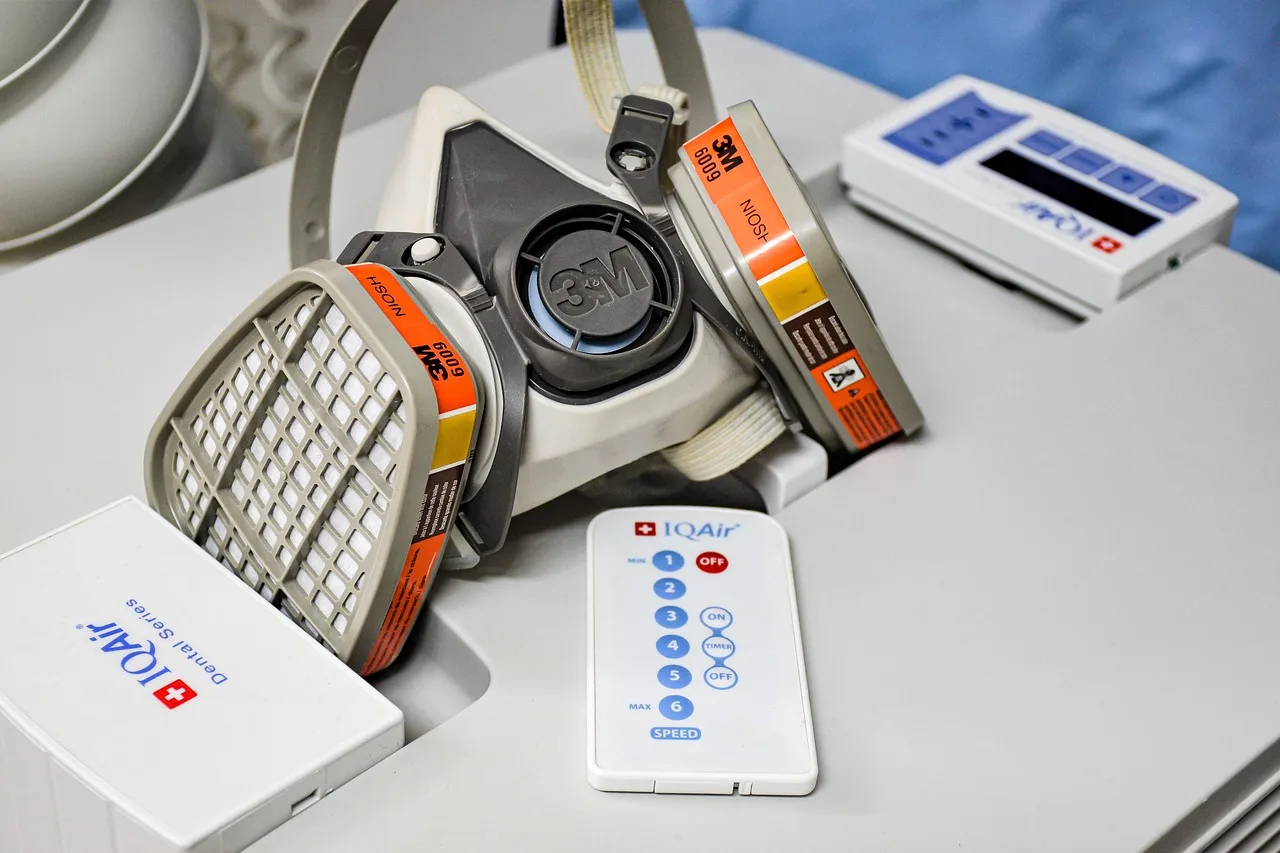
How to Improve Indoor Air Quality in Winter
Improve winter indoor air quality by stopping pollutants at the source first, keeping indoor humidity near 30% to 50%, then using the smallest effective amount of filtration and fresh air. Skip that order and the result is drier air, more odors and dust, higher energy use, and stronger allergy and asthma triggers. This guide shows the cheapest fixes first, how to control moisture, and when to add filters or ventilation.
What you’ll need
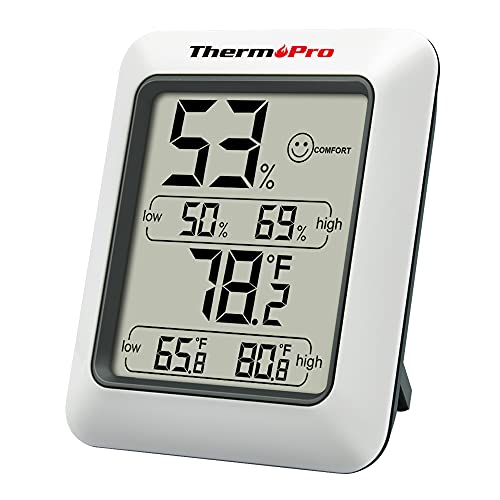

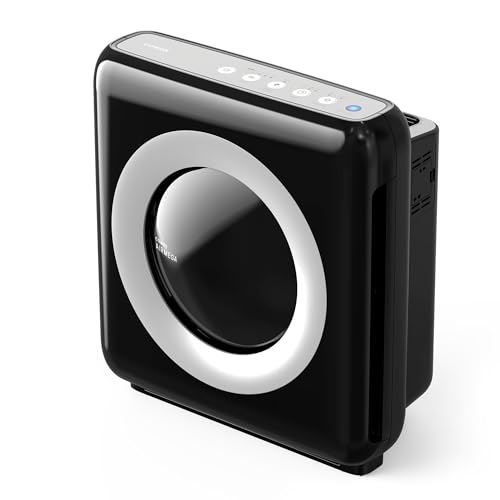
- A hygrometer to check indoor relative humidity
- Working carbon monoxide alarms near sleeping areas and combustion appliances
- A replacement HVAC filter that matches your system’s size and resistance limits
- A portable HEPA purifier sized for the room you use most
- Access to kitchen and bathroom exhaust fans
- The furnace, air handler, or HRV owner’s manual or model specifications
Why winter air quality drops
Winter indoor air quality gets worse because homes are sealed tighter, outdoor air exchange falls, and pollutants stay inside longer. Indoor air can be five times more polluted than outdoor air. Smoke, dust, pet dander, VOCs, cooking fumes, and mold spores build up faster when windows stay shut and heating runs for long stretches.
Combustion adds a separate risk. Fireplaces, space heaters, and fuel-burning appliances can raise particle levels and can also create carbon monoxide if they vent poorly or are used the wrong way. If a carbon monoxide alarm sounds, leave the space and get urgent help.
What should the first move be?
Start with source control, not filters. The EPA’s best advice is to control pollutant sources and ventilate with clean outdoor air. That means cutting smoke, strong cleaners, excess moisture, and tracked-in dust before you spend on higher-efficiency filtration or whole-home upgrades. (Consumerreports)
Step 1: Cut pollution at the source
- Stop indoor smoking, candles, and incense, and switch off strong aerosol cleaners.
- Use the kitchen exhaust fan while cooking and for about 15 to 20 minutes after, if the fan vents outdoors.
- Run the bathroom fan during showers and for about 20 minutes after to help remove moisture and fumes.
- Vacuum with a sealed or HEPA-equipped machine, and remove shoes at the door to cut tracked-in dust.
- Keep pet bedding, litter areas, and clutter cleaned so dander does not settle and recirculate.
These are the cheapest gains. They also lower the load on every later fix.
Step 2: Check humidity before you add moisture
In winter, a useful target is often about 30% to 40% in cold climates, and some homes may be able to stay near 45% if condensation does not appear on windows, cold corners, or exterior walls. Many guidance sources put a healthy band at 40% to 60%, but you should treat the upper end carefully in winter. Never let humidity exceed 60%.
Too-dry air can cause breathing discomfort, dry skin, throat irritation, coughing, and more dust movement. Too much humidity can encourage mold growth and hidden condensation. A hygrometer gives the only reading that matters.
How to read the hygrometer
Check the display in the morning and again in the evening. If you see window fogging, damp window sills, musty odors, or dark spots on cold surfaces, lower humidity before adding more moisture. If your reading sits below about 30%, raise it slowly and recheck after each change.
Say your bedroom sits at 24% relative humidity and your throat is dry by morning. Add moisture in one step, then recheck after a few hours. If the next reading is 32% and the windows stay clear, stop there instead of pushing higher.
Should I open windows in winter to improve air quality?
Yes, but only in short, controlled bursts when outdoor air is cleaner. Opening windows for 10 to 15 minutes daily can help flush stale indoor air. Skip this when smoke, pollen, or severe cold makes outdoor air a worse choice than the air inside.
If windows are impractical, use kitchen and bath fans, or mechanical ventilation. Spot ventilation often gives the best payoff in winter because it removes moisture and fumes right where they are created.
When window airing is the wrong move
Do not open windows as a default during wildfire smoke, heavy traffic pollution, or extreme cold. In those cases, close the windows, run exhaust fans, and rely on filtration or mechanical ventilation instead of trading one problem for another.
Step 3: Add filtration where it helps most
Change or clean the HVAC filter on a winter schedule that matches run time and occupancy. For many homes, a common rule of thumb is every 30 to 60 days during the heating season, with shorter intervals if the house has pets, smokers, or heavy dust. A dirty filter restricts airflow and can hurt both comfort and indoor air quality.
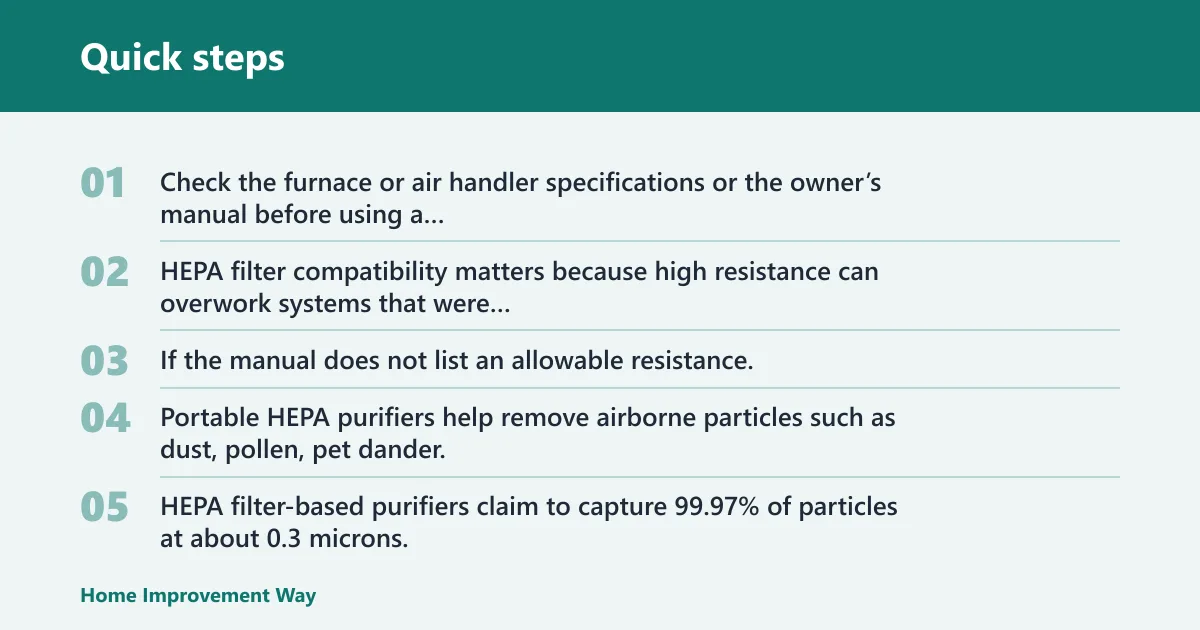
Check the furnace or air handler specifications or the owner’s manual before using a high-resistance filter. HEPA filter compatibility matters because high resistance can overwork systems that were not designed for it. If the manual does not list an allowable resistance, ask an HVAC pro to confirm what your unit can handle.
Do air purifiers help with winter indoor air quality?
Yes. Portable HEPA purifiers help remove airborne particles such as dust, pollen, pet dander, smoke, and many mold spores. HEPA filter-based purifiers claim to capture 99.97% of particles at about 0.3 microns. Sizing matters, so match the purifier to the room square footage and the clean air delivery rate the manufacturer lists.
Use a portable purifier in the rooms you occupy most, such as a bedroom or living room. One room unit is usually enough for a localized problem. If the whole house feels stale or smoky, you may need ventilation rather than a bigger countertop machine.
What a purifier can and cannot do
A purifier can remove particles, but it does not replace source control. It will not stop a gas leak, remove combustion byproducts from a faulty appliance, or cure a moisture problem that is feeding mold. It works best after you have cut the source and set humidity correctly.
Winter air quality action matrix
| Fix | Cost | Effort | Expected impact | Failure mode to watch | Do this first when… |
|---|---|---|---|---|---|
| Stop indoor smoking, candles, and incense | Low | Low | High | Fireplaces and smoke sources keep reloading particles | You smell smoke or see soot |
| Run kitchen exhaust while cooking | Low | Low | High | Sealed homes trap cooking fumes | Grease, odor, or steam hangs around |
| Run bathroom exhaust after showers | Low | Low | High | Dry air masks moisture pockets until mold starts | Windows fog or grout stays damp |
| Check humidity with a hygrometer | Low | Low | High | Dry air or hidden condensation drives the wrong fix | You are not sure whether to add moisture |
| Set humidity near 30% to 40% | Low | Low | High | Going too high invites condensation and mold | Skin, throat, or static shock are the main complaints |
| Replace HVAC filter | Low to medium | Low | Medium to high | High resistance can strain some systems | The filter is dirty or the system runs more often |
| Portable HEPA purifier | Medium | Low | High in one room | Undersized units do little; wrong room size wastes money | Dust, dander, or smoke is worst in one room |
| Brief window airing | Low | Low | Medium | Outdoor smoke or severe cold makes this counterproductive | Outside air is cleaner than indoors |
| Inspect ducts and seals | Medium to high | Medium | Medium | Leaks can move dust and waste airflow | Supply air is weak or dusty in multiple rooms |
| Add HRV or other mechanical ventilation | High | High | High for tight homes | Tight homes without ventilation get stale and humid | The whole house feels stuffy even after source control |
When do you need more than a purifier?
You need more than a single-room purifier when the whole house feels stale, humidity swings widely from room to room, or pollutant sources are spread across the home. A purifier handles one room well. It does not ventilate an airtight house or solve moisture problems in hidden spaces.
Mechanical ventilation, including an HRV, brings in fresh outdoor air while exhausting stale indoor air. Heat recovery helps reduce heating losses, which matters in tightly sealed winter homes. If your house is chronically stuffy, this is the point where whole-home ventilation may be worth the jump.
When do ducts belong in the plan?
Inspect or clean ductwork after you have handled source control, humidity, filters, and obvious ventilation problems. Ducts can accumulate dirt and debris, and leaks can reduce air quality, but duct cleaning is rarely the first move unless there is visible contamination, pest activity, or a renovation mess in the system.
Suppose a living room has gray dust near the supply register, a bedroom is dry, and the furnace filter is overdue. Replace the filter first, then check for leaks or debris before paying for duct cleaning. One problem at a time usually saves money.
Common mistakes
- Chasing humidity too high. Stay near 30% to 40% in cold weather unless your windows and cold surfaces stay completely dry.
- Ignoring carbon monoxide alarms. If an alarm sounds or you suspect CO exposure, leave the area and get urgent help.
- Buying a filter that is too restrictive for the system. Check the unit manual or specification label first.
- Using a purifier that is too small for the room. Match the unit to the room square footage and the listed clean air delivery rate.
- Skipping source control and hoping filtration fixes everything. It will not.
Frequently asked questions
How to improve your indoor air quality during the winter
Start by removing the source of pollution: stop smoke, cut strong cleaners, and run exhaust fans for cooking and showers. Then check humidity with a hygrometer, keep it near 30% to 40% in cold weather, and add a room-sized HEPA purifier only after those basics are in place.
How to improve air quality in home during winter
Use a source-first order. Clean or replace the HVAC filter, run kitchen and bathroom exhaust fans, and keep combustion appliances vented and maintained. If the house is still stuffy, open windows for 10 to 15 minutes when outdoor air is cleaner, or add HRV ventilation in a tight home.
Why does indoor air quality get worse in winter?
Homes stay closed more often, outdoor air exchange drops, and heating changes how moisture moves through the house. Dust, dander, fumes, and smoke linger longer indoors. Combustion appliances also add a separate risk, so carbon monoxide alarms matter as much as dust control.
What should indoor humidity be in winter?
Many cold-climate homes do best near about 30% to 40% in winter, with some guidance allowing up to about 45% if there is no condensation on cold surfaces. Do not push humidity above 60%. Fogging, damp windows, or musty odors mean the level is too high.
How often should I replace HVAC filters in winter?
Many homes need a change every 30 to 60 days during the heating season, but the right schedule depends on runtime, dust, pets, and the filter type. Check the furnace or air handler manual for the allowed resistance, because a better filter can still be wrong for the system.
Do air purifiers help with winter indoor air quality: yes, especially?
Yes, especially for dust, smoke, pollen, pet dander, and many mold spores in one room. Look for a HEPA purifier that claims 99.97% capture at about 0.3 microns and size it to the room. It is a good add-on, not a substitute for source control or ventilation.
Sponsored / affiliate links. As an Amazon Associate I earn from qualifying purchases. I may earn additional commission from eligible campaigns.