How to Raise Humidity in a House Without a Humidifier
Raise indoor humidity by checking it first, then using moisture you already have and closing obvious air leaks; keep relative humidity between 30% and 50%, and stop adding moisture if windows fog. Dry air can mean itchy skin, static shocks, and higher heating costs, while excess moisture can leave condensation and mold. This guide ranks the best no-cost fixes, explains what works in different homes, and shows when to stop. The CDC warns that moisture problems can lead to mold growth, and EPA guidance says to keep indoor humidity low enough to avoid condensation on cold surfaces. CDC mold guidance | EPA mold and moisture guidance
How dry is your house?

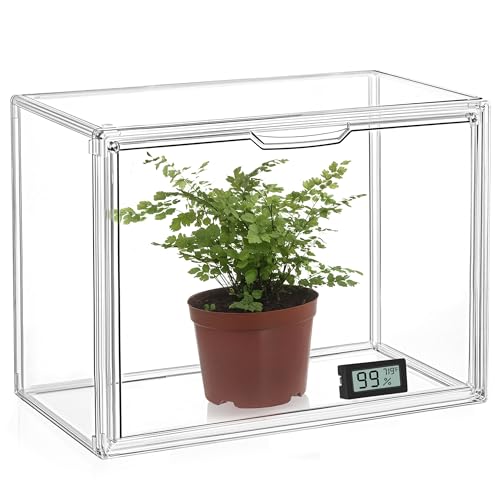
Check the humidity with a hygrometer before you change habits. Indoor air is usually most comfortable around 30% to 50% relative humidity, and a separate meter is better than guessing from how the air feels. Extension and building-science guidance commonly places winter indoor RH in this range to balance comfort with condensation control. University Extension humidity guidance | ASHRAE standards overview If the reading is low in one room but not another, treat that room first.
Use a hygrometer first
A hygrometer costs little and helps prevent over-humidifying. Put it in the room you care about most, then compare rooms if your house is not uniform. In a forced-air home, the bedroom, living room, and hallway can read differently.
Low humidity often shows up as dry, itchy skin, chapped lips, irritated nasal passages, and a dry throat. That is useful as a clue, not a final answer. A room can feel dry even when the whole house is not below target.
Aim for 30% to 50%
Indoor relative humidity is commonly recommended in the 30% to 50% range. Above that, the risk of condensation and mold can rise, especially on colder windows and outside walls. The EPA and CDC both caution that moisture and visible condensation can support mold growth, so if you push moisture up, watch for fogging or damp corners. EPA moisture guidance | CDC mold guidance
Watch for signs of air that is too dry
Static shocks, waking with a dry throat, and houseplants that dry out fast can point to low humidity. So can wood trim that shrinks or gaps that seem larger in winter. These signs help, but the meter decides whether a fix is worth keeping.
Why does heat make air drier?

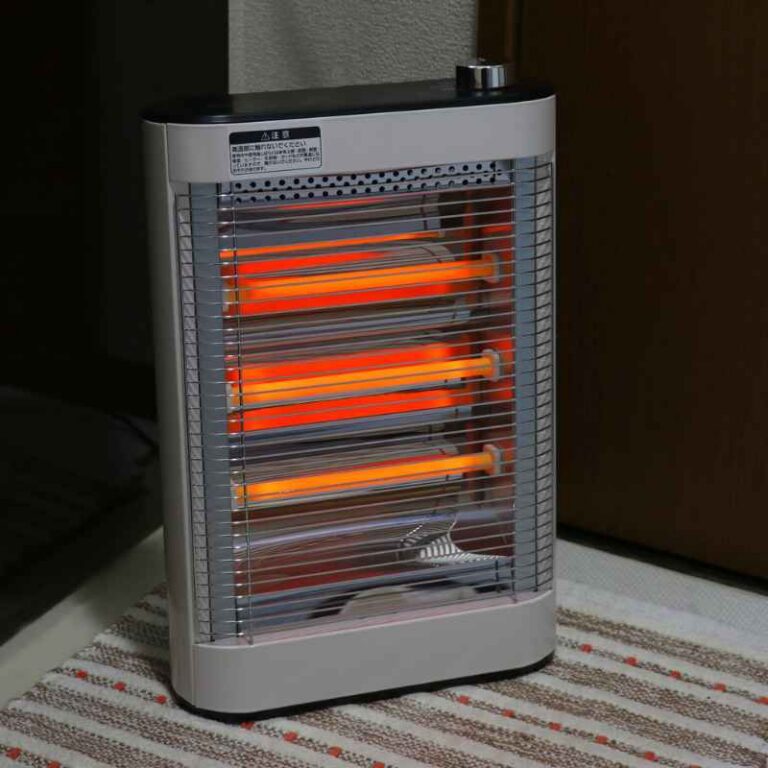
Winter heating lowers relative humidity because warm air can hold more moisture, so the same amount of water vapor feels drier after the temperature rises. Forced-air systems can spread that dry air through the house, and fireplaces or space heaters can make the problem worse by increasing air movement or pulling in replacement air. Building-science and utility guidance also notes that air leakage can rapidly replace conditioned indoor air with cold, dry outdoor air. U.S. Department of Energy air sealing | ENERGY STAR air sealing
Why does winter heating lower relative humidity?
Heating does not remove water by itself. It changes the ratio of moisture to air. When outdoor air comes in cold and dry, then gets warmed indoors, the relative humidity drops even if the total moisture did not change much.
Why do forced-air systems spread dry air?
Forced-air heat moves the same air through many rooms. That can spread dryness evenly, which is useful for temperature but not for humidity. If the system also brings in outside air through leaks, the house may feel even drier.
Why do fireplaces and space heaters make dryness worse?
Wood fireplaces and many space-heater setups can increase dryness indirectly by encouraging air exchange. A fireplace draft can pull warm indoor air up and out, and replacement air comes in from outside. Space heaters also warm air without adding moisture. Home-ventilation guidance notes that combustion appliances and draft paths can change indoor pressure and increase air exchange, which can make dry-air problems harder to solve room by room. DOE ducts and airflow | USDA ventilation and building-enclosure resources
Best no-humidifier fix by home situation
The best fix depends on where the dryness shows up. Free methods work reasonably well for a single room or a small home, but they hit limits in open layouts and leaky houses. Start with the fastest room-level option, then move to leak control if the reading stays low.
| Home type | Quickest option | Best room-level option | Whole-house limit | Safety note | When to stop using the method |
|---|---|---|---|---|---|
| Dry bedroom | Leave the bathroom door open briefly after a shower if the room is nearby | Air-dry laundry in or near the room | Little effect beyond the bedroom and nearby hall | Keep airflow from turning the room damp or musty | Stop when the hygrometer reads near 30% to 50% or windows start to fog |
| Drafty whole house | Seal obvious leaks first | Use shower steam or laundry drying in the most occupied room | Room fixes lose ground fast if air leaks remain open | Watch for condensation after sealing if you add moisture too fast | Stop adding extra moisture if the house still leaks and readings stay uneven |
| Bathroom-heavy home | Use shower steam as the first source | Let the bathroom door stay open briefly after showering | Bathroom steam may not reach far rooms | Do not run the exhaust fan the whole time if your goal is to keep moisture | Stop if mirrors, grout, or nearby walls stay wet too long; avoid laundry drying in poorly ventilated bathrooms |
| Open-plan living area | Stovetop simmering water while attended | Group houseplants and dry laundry in the main area | Wide spaces dilute added moisture quickly | Never leave simmering water unattended | Stop if a hygrometer near the seating area is already in range; bowls of water are support-only in open-plan spaces |
| Homes with fireplaces or space heaters | Reduce air leaks around the heating path first | Use shower steam or indoor laundry in the room you occupy most | Dry air may return fast because replacement air keeps entering | Keep clear of heater surfaces and follow appliance clearances | Stop if the room still reads low after leak control and room-level moisture |
What are the fastest room-level fixes?

The fastest no-humidifier fixes are the ones that release moisture right where you stand: shower steam, indoor laundry drying, and simmering water. They work best in one room or a small home, not in a large open-plan house. Houseplants and bowls of water help more slowly and usually on a smaller scale.
Shower steam
Bathroom shower steam is a free moisture source. It works best when the bathroom door is left open briefly after the shower, because some of the moisture can drift into the nearby hall or bedroom. If the exhaust fan runs the whole time, it removes more of that moisture before it spreads.
Keep this method short and controlled. A bathroom that stays wet for long periods can feed mildew on grout, caulk, and painted surfaces. Use the steam, then dry the room normally.
Air-drying laundry indoors
Air-drying laundry indoors releases a substantial amount of moisture as clothes dry. It is one of the strongest free methods for a single room or a small home. A drying rack in a closed bedroom can move the hygrometer faster than a plant or bowl of water.
Its weakness is scale. In a large open living area, the same damp clothing spreads moisture into too much air and the effect fades. Keep the room ventilated enough to avoid stale air, but not so open that the moisture disappears right away.
Stovetop simmering water
Does boiling water help humidify a room? Yes, simmering water on the stove can add humidity, but it must be monitored and never left unattended. It is a quick way to add steam, especially in a nearby kitchen or open dining area.
Do not treat it as a set-and-forget method. Use a back burner if possible, keep handles turned inward, and stay in the area. Steam can help fast, but it can also create a burn hazard if you walk away.
Houseplants and bowls of water
Will houseplants raise humidity in a house? Houseplants add moisture through transpiration, and grouped plants have a stronger localized effect than a single pot on its own. They can help a bedroom, office, or small sitting area feel less dry.
Can bowls of water really humidify a room? Yes, bowls of water near heat sources can increase evaporation, but the effect is modest. They can help a small room or a dry corner, but they are not a strong whole-house solution. Think of them as support, not the main fix.
For example, your bedroom might read about 27% on a hygrometer while the rest of the house sits closer to 35%. A drying rack, a brief post-shower moisture boost, and a few grouped plants can move that one room in the right direction without changing the whole house.
How do you keep moisture from escaping?
Keep humidity indoors by sealing the building envelope. Weatherstripping and caulk reduce moisture loss around windows, doors, chimneys, and outlets, which helps the air you add stay in the house longer. This matters most in drafty homes, forced-air homes, and any place with a strong fireplace draft.
Seal leaks in windows, doors, chimneys, and outlets
Air leaks are common exit paths for indoor moisture. Cold outdoor air enters, warm indoor air leaves, and relative humidity falls again. Seal obvious gaps first, then check the rooms where the hygrometer stays lowest.
Use weatherstripping and caulk
Weatherstripping works well on moving parts like doors and some windows. Caulk fits stationary gaps around trim, siding penetrations, and some utility openings. Around chimneys and outlets, use the right product for the location and keep clear of heat and electrical safety issues.
Reduce unnecessary exhaust and outside-air loss
Bathroom and kitchen fans pull moisture out on purpose, which is useful when a room is wet but a problem when the air is already dry. Run them when needed, then turn them off once the room clears. The same logic applies to anything that increases outdoor air exchange more than necessary.
How do whole-house heating systems change the result?
Forced-air systems usually move dry air faster through the home, so room fixes can underperform if the ducts leak or the blower pulls in cold outside air. Hydronic or baseboard heat warms rooms more locally, so dryness may stay uneven instead of spreading everywhere. In both cases, filter maintenance and duct leakage matter because they change how much replacement air gets drawn into the house and how quickly added moisture is lost.
When do no-humidifier fixes stop working?
No-humidifier fixes stop working when the house is too large, too open, or too leaky for small moisture gains to hold. If the hygrometer still reads low after room-level changes, you need tighter sealing, a different room strategy, or a humidifier sized to the space. The fastest way to raise indoor humidity is still a humidifier sized to the space.
Large homes and open layouts
Open-plan spaces spread moisture out fast. A bowl of water or a few plants can make a small reading change near the source, but the effect fades across a big living area. In those homes, laundry drying or shower steam may help one zone more than the entire floor.
Very leaky houses
If drafts are strong, added moisture escapes before it can build up. That is why leak control comes before bigger moisture tricks in many homes. Seal the shell first, then reassess the room readings.
When the room still reads low on a hygrometer
If the meter stays below target after you try the best room-level option, the problem is no longer a missing trick. It is a scope problem. At that point, you either need a tighter house, a more focused room setup, or a humidifier that can keep up.
Frequently asked questions
How can I raise humidity in my house without a humidifier?
Start by measuring with a hygrometer, then use the fastest room-level source that fits your space: shower steam, indoor laundry drying, or simmering water while watched. After that, seal leaks so the moisture stays inside longer. That order matters more than piling on small tricks.
What are free ways to increase humidity indoors?
Free options include shower steam, air-drying laundry indoors, simmering water on the stove, and grouping houseplants. Bowls of water can help a little near heat sources. These methods work best in one room or a small home, and they lose strength in large open spaces.
Does boiling water help humidify a room?
Yes, steam from simmering or boiling water can add moisture quickly, but it must be monitored and never left unattended. Use it only while you are in the room. It is a short-term fix, not a safe background source you can leave running.
Will houseplants raise humidity in a house?
Houseplants do add moisture through transpiration, but the effect is usually localized. Grouping plants together helps more than spacing them far apart. They are useful for a bedroom or office, but they are not enough on their own for a dry whole house.
How do I tell if my house is too dry in winter?
Use a hygrometer and look for readings below the 30% to 50% range. Dry skin, chapped lips, irritated nasal passages, a dry throat, and static shocks are common signs too. If one room feels dry and another does not, check both instead of guessing.
How do I keep humidity from escaping my house?
Seal gaps with weatherstripping and caulk, especially around windows, doors, chimneys, and outlets. Then reduce unnecessary exhaust and outside-air loss. If your home has forced-air heat or a strong fireplace draft, those paths can move moisture out faster than you expect.
Sponsored / affiliate links. As an Amazon Associate I earn from qualifying purchases. I may earn additional commission from eligible campaigns.