Why Is My House So Dry in Winter?
If indoor humidity drops below 30% in winter, the usual causes are air leakage, ventilation, or heating, not a missing humidifier. That can raise heating bills, increase static, dry out wood, and leave your throat or skin feeling parched. This article shows how to tell which cause is most likely and what fix to try first.
Outdoor winter air starts with very little moisture. Once that air is heated indoors, its relative humidity drops, so the house can feel dry even when the furnace air is clean and warm. Static shocks, a scratchy throat, and shrinking wood point to dryness, but they do not all call for the same fix.
Why does the house feel dry in winter?


Cold air starts with less moisture
Outdoor winter air carries little moisture. When that air enters the house and warms up, the same amount of water vapor fills a larger air space, so indoor relative humidity falls. That is why winter dryness shows up most often during the heating season.
Forced-air heating can add to the problem. A forced-air furnace moves air through the house again and again in winter, and that repeated circulation can make dry conditions more noticeable when the system runs often. Dryness then shows up in the air and on the surfaces it passes over.
Static, drafts, and furnace runtime can make it feel worse
A room can feel dry for more than one reason. Cold drafts at windows, a long furnace cycle, or dry air pulled through a leaky return can all make the same house feel worse even when measured humidity is not extremely low. That is why symptoms should be checked against likely causes.
Dry winter air diagnosis table
Use this table to separate a real humidity problem from a house that simply feels dry because of drafts, ventilation losses, or uneven heating. Start with the symptom, then check the likely cause, then choose the fix that matches the cause instead of adding moisture everywhere.
| Symptom | Likely cause | Quick test | Best fix |
|---|---|---|---|
| Static shocks when touching doorknobs or bedding | Indoor relative humidity is likely too low | Check a hygrometer in the main living area | Add humidification and aim for about 35% to 40% in winter. |
| Dry throat on waking | Low overnight humidity, furnace runtime, or bedroom supply air | Compare bedroom humidity before bed and in the morning | Use a bedroom humidifier first; check furnace balance if the room is still dry |
| Cracked lips and skin | Low humidity, especially in heated rooms | See whether symptoms improve away from the house | Raise humidity within the safe winter range |
| Itchy eyes or dry nose | Low humidity or direct furnace airflow | Stand away from supply registers and compare comfort | Adjust airflow and add controlled humidification |
| Wood trim gaps or floor seams opening | Dry indoor air is shrinking wood | Look for seasonal gaps that widen in heated months | Bring humidity up gradually; avoid sudden overcorrection |
| One room feels much drier than others | Uneven heating, duct leakage, or local infiltration | Compare hygrometer readings room to room | Check ducts, registers, and air leaks in that zone |
| Window condensation appears after humidifying | Humidity is too high for the outdoor temperature | Watch windows during the coldest nights | Lower humidity and improve window performance or air sealing |
| Dryness stays even after adding a portable humidifier | Air leakage, exhaust fans, or duct leakage are removing moisture | Run the humidifier with doors closed and compare the result | Seal leaks first; consider whole-home humidification if the issue is widespread |
| Bathroom feels dry after long fan use | Exhaust fan is removing moist indoor air | Note whether the fan runs long after showers | Use the fan only as long as needed, then let humidity recover |
| Dryness and static return after furnace cycles | Forced-air circulation and low winter humidity | Notice whether symptoms line up with long heating runs | Inspect furnace runtime, filtration, and humidity control together |
For the final call, portable humidifier: yes if the problem is one bedroom or one closed room; whole-home humidifier: yes if the whole house stays dry despite normal closing of windows and doors; air sealing: yes if drafts, leaky ducts, or room-to-room differences point to infiltration first. If all three are present, start with leaks, then humidification.
What indoor humidity should you aim for?
Most homes can stay comfortable with indoor humidity around 30% to 50%. In winter, a practical target is often about 35% to 40%, as that range can improve comfort without increasing the risk of window condensation. Above that, cold glass and poorly insulated corners are more likely to collect moisture.
Comfort range versus condensation risk
Low humidity makes static and dryness worse. High humidity can create a different problem: moisture on windows, damp corners, or mold-friendly surfaces if the house stays cool in places. The right target depends on the coldest surfaces in the home, not just the number on a humidifier dial.
A simple rule is to aim lower when outdoor temperatures drop hard. If the first cold snap brings window fog or beads of moisture, the setpoint is too high for that house and that weather. Lower it before mold or trim damage starts.
Why 35% to 40% is a practical winter target
That range often balances comfort and risk for many homes in winter. It can reduce static, sore throat, and cracked skin without pushing every window edge into condensation. A hygrometer in the main living area helps confirm whether the house is actually in that range.
What is actually drying out your house?
Three systems usually matter most: the furnace, outdoor air leaks, and ventilation that removes indoor moisture. A dry-feeling house is often a mix of all three, so the fix should match the strongest cause instead of treating every symptom as the same problem.
Forced-air furnace circulation
A forced-air furnace can dry indoor air as it runs and recirculates air across the home. The more often it runs, the more often the same dry winter air moves through the rooms. That can make the air feel sharper and drier near registers and in bedrooms.
If dryness tracks with long heating cycles, the furnace is part of the diagnosis. That does not mean the furnace is broken. It means the home may need tighter leakage control or more controlled humidification.
Outdoor air leaks and duct leakage
Cold outdoor air infiltration is a major cause of winter dryness. Leaks around windows, doors, crawlspaces, attic access points, and ducts admit dry outside air that gets heated indoors and lowers relative humidity. Duct leaks can also move conditioned air into unconditioned spaces before it reaches the room.
Say your living room is around 35% humidity while the hallway is around 23%. That split often points to leakage, not just a whole-house humidity problem. A room-by-room reading can narrow the search fast.
Bathroom fans and other exhaust
Bathroom exhaust fans remove humid indoor air. That is helpful for showers, but overuse can make winter dryness worse by pulling moisture out faster than the house replaces it. Fireplace operation can do the same if it sends conditioned indoor air outdoors or increases draft through the building shell.
Open-flue fireplaces and vented combustion appliances can shift pressure and air movement in ways that change the dry-air complaint. In some homes, the issue is less about heat output and more about how much air the house is exchanging with outdoors.
When is a humidifier enough?

A humidifier is enough when the dryness is mostly a humidity problem, the house is fairly tight, and the symptoms stay in one room or one part of the home. It is not enough when leaks, ventilation, or duct problems keep pulling moisture out as fast as you add it.
Portable humidifier for one room
A portable humidifier helps one room at a time. It is a good first step for a bedroom or office, especially when waking with a dry throat or nose. It needs regular refilling and cleaning, and neglected units can create mildew or spread white dust if they use tap water that leaves mineral residue.
A common first-timer mistake is placing one small unit in a large open floor plan and expecting whole-house results. That usually leaves the rest of the house dry and the room with the unit too damp.
Whole-home humidifier for even coverage
A whole-home humidifier ties into the HVAC or furnace system and adds controlled moisture to the whole house. It makes more sense when several rooms are dry, static is widespread, and the home is tight enough that added humidity will stay where it belongs. It also reduces the need for multiple portable units.
Whole-home units must be maintained and set correctly. If they are adjusted too high, windows can condense on cold nights. If they are left too low, the dryness problem stays in place and the equipment appears to do little.
Maintenance, refills, and cleaning
Portable units demand the most attention. Refill the tank as needed, clean it on schedule, and watch for mineral residue. Whole-home units need seasonal checks, filter or pad replacement if applicable, and humidity settings that respond to outdoor temperature swings.
- Check humidity with a hygrometer in the main living area and one bedroom.
- Close obvious draft paths and compare readings again.
- If one room is still dry, try a portable humidifier there.
- If the whole house stays dry, consider whole-home humidification.
- If dryness keeps returning, inspect air leaks, ducts, and exhaust use.
How does air sealing help winter dryness?
Air sealing helps because it cuts the amount of dry outdoor air entering the house. Less infiltration means less dilution of indoor humidity after the air is heated. It also helps hold the moisture you add, so a humidifier does not have to work as hard.
Best leak points to check first
Start with windows, doors, crawlspaces, attic hatches, and duct joints. These are common paths for cold, dry air to enter or conditioned air to escape. If the house feels dry near exterior walls or floors, those areas are worth checking first.
Sealing is most useful where leaks are real, not where comfort simply feels off. Caulk, weatherstripping, and duct sealing can all help, but only when they target the actual air path.
Why sealing can work better than adding moisture
Adding moisture to a leaky house is like filling a bucket with the bottom open. You can raise humidity, but you may also drive up heating costs and condensation risk without fixing the source. Sealing first often gives the humidifier a chance to do its job at a lower setting.
How do fireplaces and space heaters fit in?
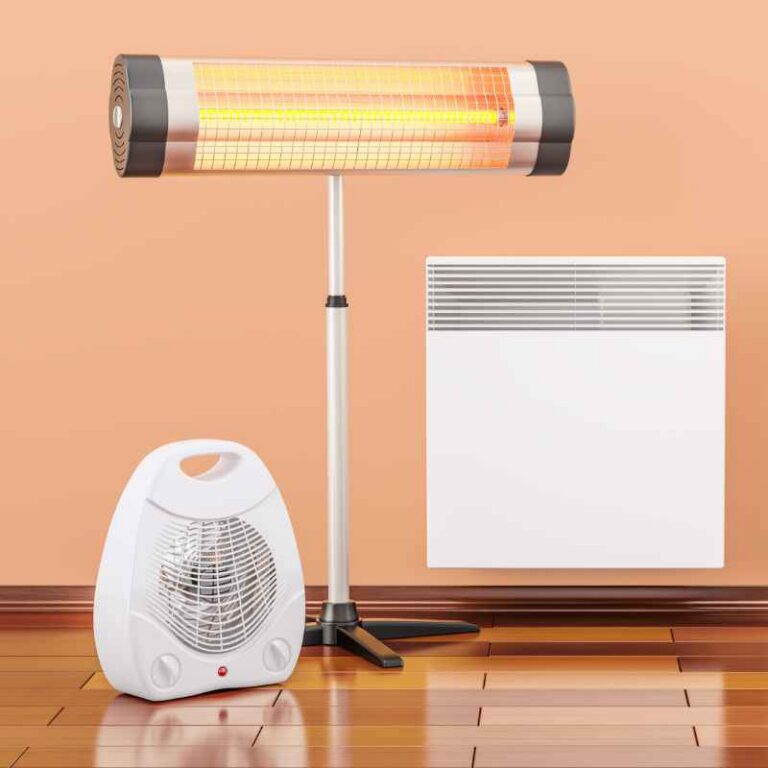
Fireplaces and space heaters can change the dry-air complaint without being the root cause. Vented combustion can send indoor air outdoors, and localized heat can make nearby air feel drier even if the whole house humidity has not changed much.
Moisture loss from vented combustion
A fireplace that vents outdoors can pull indoor air out of the house, and that air has to be replaced. In winter, replacement air is usually dry. The result is a house that seems drier after the fireplace runs, especially if other exhaust fans are already active.
Space heaters do not usually remove moisture directly, but they can make a room feel warmer and drier by changing how air moves and how quickly surfaces warm up. That shift can make existing low humidity more noticeable.
When ventilation matters more than heat output
If dryness gets worse when fans, fireplaces, or long heating cycles are on, ventilation may matter more than temperature alone. The fix could be shorter fan use, better make-up air, or sealing leaks that let the system pull too much cold outdoor air inside.
Frequently asked questions
Why is my house so dry?
The most common reason is low winter humidity from cold outdoor air, heating, or both. If the house feels dry mainly in certain rooms, look for drafts, duct leaks, or exhaust fans before assuming a humidifier will solve it. A hygrometer helps separate a real humidity drop from a draft problem.
Why is winter dry?
Winter air is drier because cold air can hold little moisture. When that air comes indoors and gets heated, relative humidity falls. That is why the winter heating season is a common time for dry indoor air, static, and skin irritation.
What should indoor humidity be in winter?
A comfortable winter range is roughly 30% to 50%, with about 35% to 40% often used as a practical target. Stay alert for window condensation, damp corners, or musty odors, which suggest the setting is too high for the house and the weather.
How do I deal with dry winter air?
Start by checking whether the problem is humidity, air leakage, or ventilation. Use a portable humidifier for one room, a whole-home humidifier for widespread dryness, and air sealing when drafts or duct leakage are part of the cause. Do not ignore bathroom fans or fireplace use.
What causes moisture on windows in winter?
Window condensation usually means indoor humidity is too high for the cold surface temperature of the glass. That can happen with an over-set humidifier, a tight room with poor air movement, or a window that is colder than the rest of the home. Lower humidity before mold starts.
Will washing dry outside in winter?
It can, but winter air often slows drying because cold outdoor air holds little moisture and the weather is less forgiving. Wind, sun, and very dry air can help, but freezing temperatures may make outdoor drying impractical. Indoors, overuse of exhaust or heat can also change drying time.
Sponsored / affiliate links. As an Amazon Associate I earn from qualifying purchases. I may earn additional commission from eligible campaigns.