What Are the Early Signs of Carbon Monoxide Poisoning at Home?
Early carbon monoxide poisoning often starts with headache, dizziness, nausea, weakness, or confusion. If symptoms affect more than one person, or they improve after leaving the house, treat it as carbon monoxide and get out immediately. Ignoring it can lead to unconsciousness or death. This guide shows how early signs differ from a cold or flu, what room clues matter, and what to do overnight.
Recognizing early warning symptoms
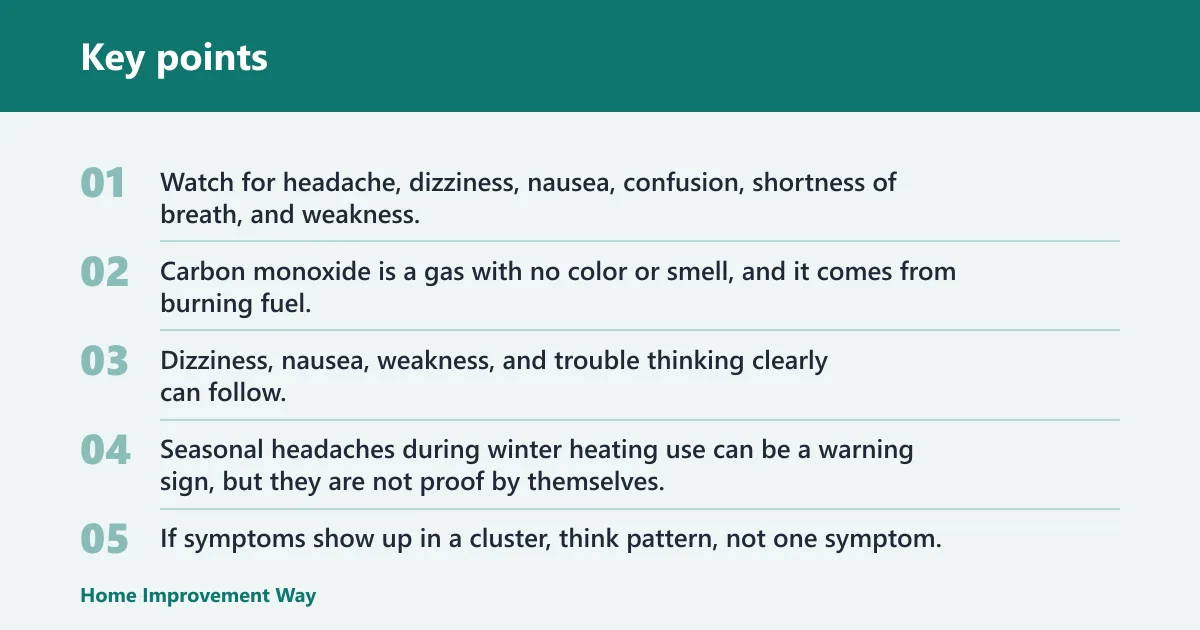

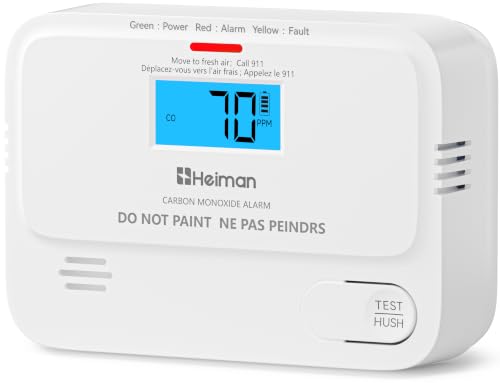
Watch for headache, dizziness, nausea, confusion, shortness of breath, and weakness. The pattern matters as much as the symptom itself: carbon monoxide often affects more than one person in the home, and it can feel worse indoors and better once you leave.
Carbon monoxide is a gas with no color or smell, and it comes from burning fuel. Your nose will not help you catch it. It becomes dangerous in enclosed or poorly ventilated spaces, which is why a bedroom, basement, or closed living room can become risky before anyone notices a problem.
First symptoms to watch
A headache that starts at home, especially in the morning or during heating season, is one of the most common early warnings. Dizziness, nausea, weakness, and trouble thinking clearly can follow. Seasonal headaches during winter heating use can be a warning sign, but they are not proof by themselves.
If symptoms show up in a cluster, think pattern, not one symptom. A single headache can have many causes. A headache plus nausea plus foggy thinking in the same room is much more suspicious.
When symptoms become urgent
Higher exposure can cause vomiting, weakness, shortness of breath, chest pain, and worsening confusion. If someone has trouble breathing, confusion, or chest pain, urgent emergency care is needed. Follow local emergency guidance and the alarm manufacturer’s instructions rather than waiting for symptoms to settle down inside the house.
Sleeping occupants can be especially vulnerable because early warning signs may be missed. Loss of consciousness can sometimes occur without warning, including overnight.
Signs in children and pets
Children and pets may show signs first or more clearly than adults because they cannot explain what feels wrong. A child who wakes up with a headache and nausea, or a pet that seems weak, wobbly, or unusually tired, should raise concern if the home also has a possible carbon monoxide source.
Do not use a pet or child as the only test. Treat any unexplained cluster as a reason to leave and check the whole household.
Do CO symptoms feel like a cold or flu?
Yes, they can feel similar at first, especially when the symptoms are mild. That is what makes carbon monoxide so dangerous. The difference is that CO often affects multiple people in the same place, can start soon after you are indoors, and may improve once you leave the home.
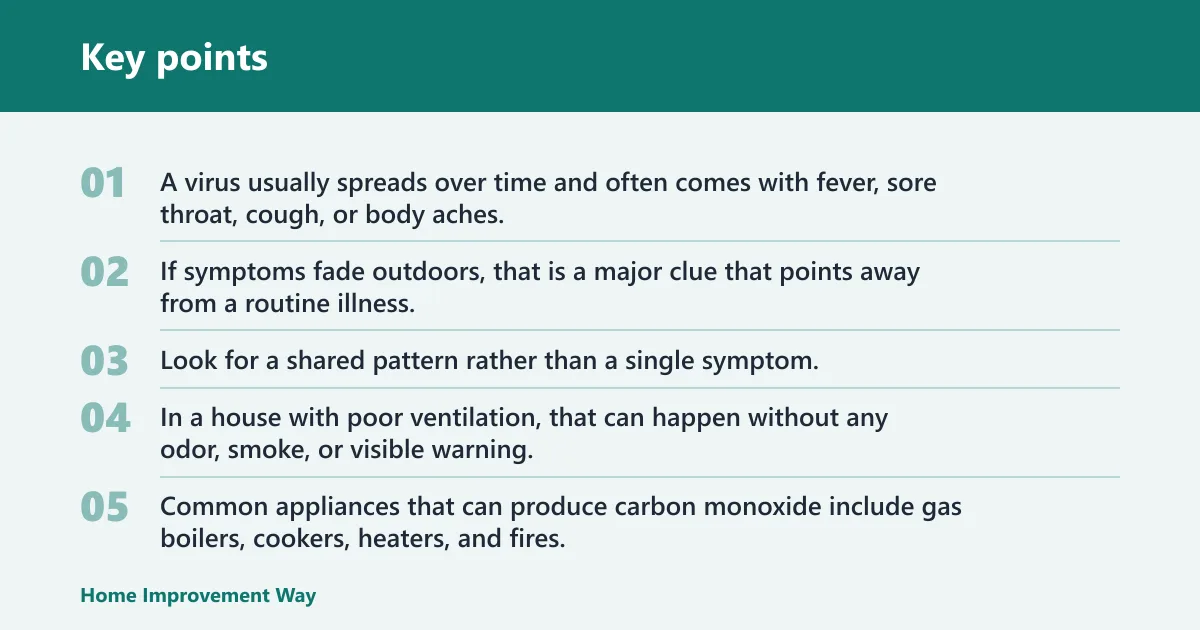
A virus usually spreads over time and often comes with fever, sore throat, cough, or body aches. Carbon monoxide is commonly reported to cause headache, dizziness, nausea, weakness, or confusion without those respiratory signs. If symptoms fade outdoors, that is a major clue that points away from a routine illness.
Patterns that point to CO instead of illness
Look for a shared pattern rather than a single symptom. If two people wake with headaches in the same bedroom, or several family members feel sick after spending time in the same room, carbon monoxide becomes more likely than a cold.
Another clue is timing. Symptoms that start after the furnace kicks on, after the fireplace has been used, or after a fuel-burning space heater runs for a while should be treated as needing immediate attention.
Why indoor exposure can mimic a virus
Carbon monoxide reduces the body’s oxygen supply, which can create a dull headache, nausea, and fatigue that feel similar to coming down with something. In a house with poor ventilation, that can happen without any odor, smoke, or visible warning.
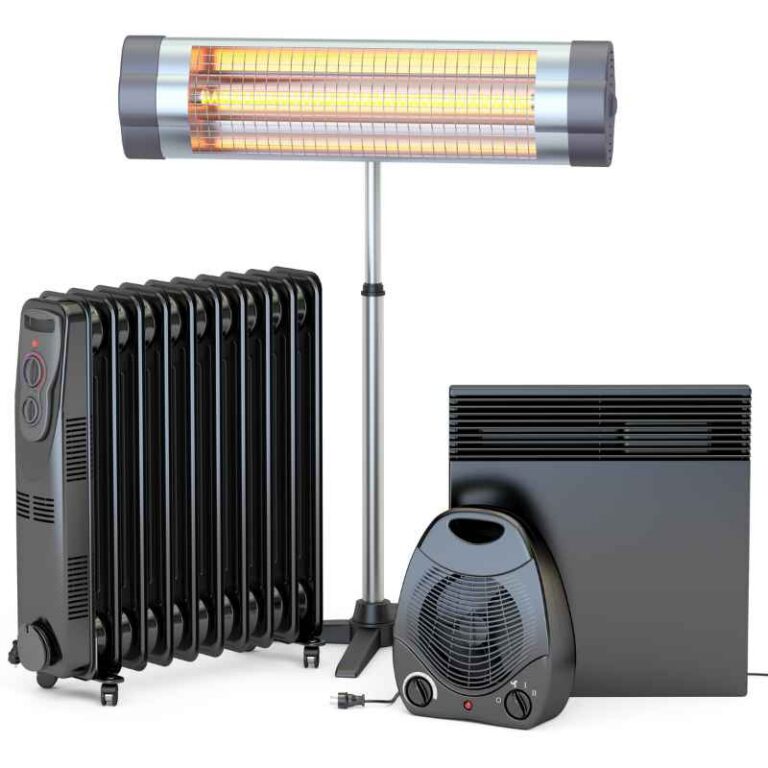
Common appliances that can produce carbon monoxide include gas boilers, cookers, heaters, and fires. Faulty space heaters can also be a source of dangerous carbon monoxide emissions.
Clues that improve after you leave home
If symptoms start to ease once you step outside, do not take that as reassurance. Symptoms may get better when you leave or go outside, and that change is one of the strongest clues that the home air is the problem.
Picture a parent who feels shaky in the kitchen, then notices the dizziness settles after walking into fresh air. That change should trigger a leave-now response, not a return to the room to keep checking.
Household sources of carbon monoxide
Any fuel-burning appliance can create carbon monoxide if it is faulty, blocked, or poorly vented. The highest concern is a source that runs indoors or near the home and depends on proper draft, airflow, or exhaust. Check the appliance first, then the room it uses.
Furnaces and water heaters
A furnace is a common source when it is faulty or poorly ventilated. It needs annual inspection, because a bad burner, blocked vent, or exhaust problem can send carbon monoxide into the living space. Water heaters can create the same kind of issue when venting fails.
Basements are a common trouble spot because they often hold fuel-burning equipment and less moving air. If a basement headache shows up after the furnace starts, treat that as a warning, not a coincidence.
Fireplaces and chimneys
Fireplaces can produce carbon monoxide if the flue or chimney is blocked or if draft and ventilation are poor. That applies to wood-burning and gas-burning units. A fireplace room that feels stuffy, smoky, or unusually warm is worth attention even if nothing looks obviously wrong.
A common first-timer mistake is assuming a fireplace is safe because the fire looks normal. A blocked chimney can still let carbon monoxide build up while the flame appears steady.
Space heaters and garage-adjacent spaces
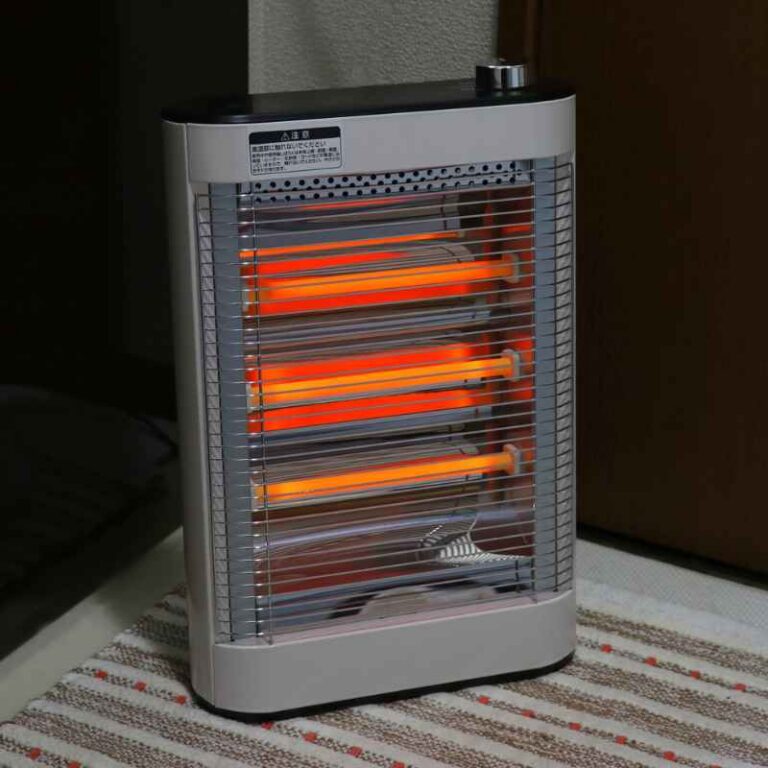
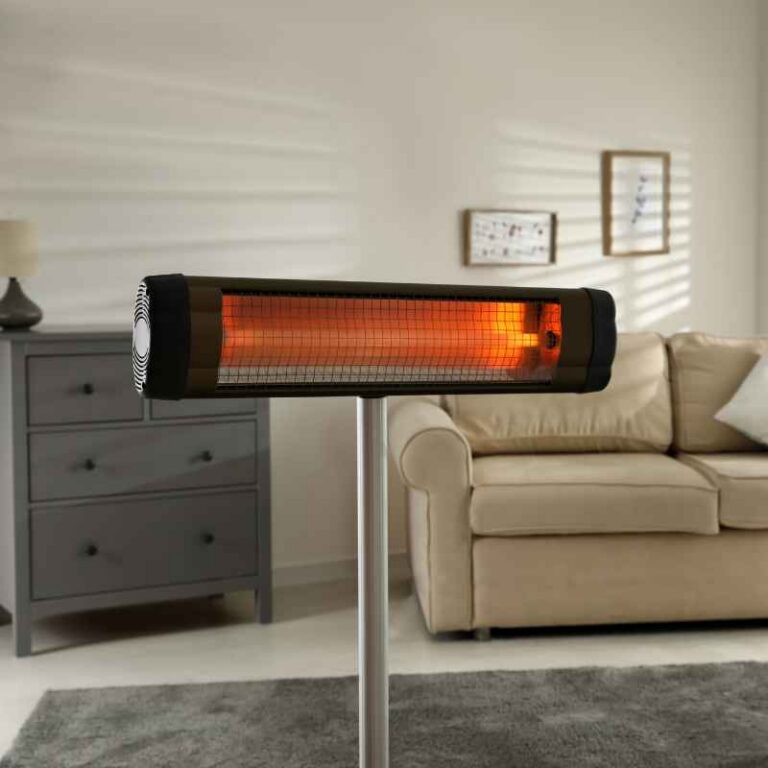
Fuel-burning space heaters can create carbon monoxide, and not all space heaters are equally risky. The safe approach is simple: use the heater exactly as directed by the manufacturer, keep the area ventilated as instructed, and never use a fuel-burning model in a closed room without proper guidance.
Garage-adjacent spaces deserve extra caution because exhaust can drift indoors, and attached garages can transmit fumes if a vehicle is started or a door is left open in the wrong way. The danger rises fast in enclosed or poorly ventilated spaces.
Carbon monoxide suspicion checklist
Use this table when you are deciding whether a symptom pattern looks like carbon monoxide. The point is not to diagnose from one clue. It is to decide when to leave the building and call for help.
| Symptom pattern | Likely household clue | Immediate action |
|---|---|---|
| Waking headache or morning dizziness | Bedroom exposure overnight; furnace, fireplace, or heater running while you slept | Leave the home at once, get fresh air, and call emergency services from outside if symptoms fit carbon monoxide |
| Multiple family members feel sick at the same time | Shared indoor source such as a furnace room, fireplace room, or kitchen appliance | Do not stay to compare symptoms; evacuate everyone and call for help from fresh air |
| Symptoms improve after stepping outdoors | Indoor exposure from a fuel-burning appliance or poor ventilation | Return only for emergency evacuation if it is safe to do so; otherwise stay out and call emergency services |
| Pet illness, wobbliness, or unusual lethargy | Household source may be affecting the whole home before adults notice | Treat it as a warning sign and leave the building immediately |
| CO alarm activation | Dangerous gas buildup in the air | Leave immediately, call emergency services from fresh air, and do not re-enter until responders say it is safe |
What should you do if the alarm goes off?
If the carbon monoxide alarm sounds, leave the building immediately. A carbon monoxide monitor sounds an alarm when gas reaches dangerous levels, and that warning should be treated as real until proven otherwise. Do not stop to look for the source while people are still inside.
Move everyone to fresh air, then call emergency services from outside. Medical evaluation may be needed even for mild symptoms, because carbon monoxide exposure can affect judgment and can worsen after the person leaves the source.
-
Get everyone out now. Take children, pets, and sleeping occupants outside right away. Do not pause to gather belongings or open every window first.
-
Move to fresh air. Stand well away from the house, garage, and attached structures. If anyone is dizzy, confused, short of breath, or has chest pain, treat it as an emergency.
-
Call emergency services. Use a phone outside the building. Say that a carbon monoxide alarm sounded and describe the symptoms plainly so responders can decide on urgent medical care.
-
Do not re-enter alone. Wait for trained responders or the gas utility if local procedures call for it. A silent alarm or temporary symptom relief is not proof that the danger is gone.
Can carbon monoxide get worse overnight?
Yes. Overnight exposure is one of the most dangerous patterns because sleeping occupants may not notice early symptoms. Carbon monoxide can build while people are asleep, and loss of consciousness can occur before anyone wakes up to investigate.
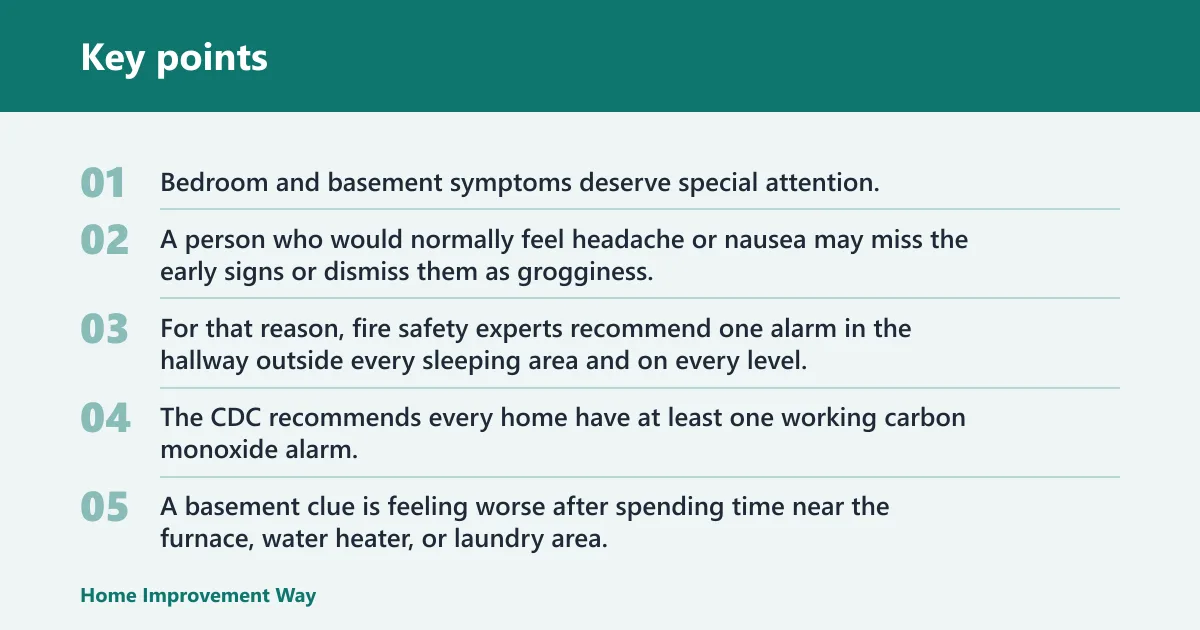
Bedroom and basement symptoms deserve special attention. If people wake with headache, dizziness, nausea, weakness, or confusion, leave the house first and sort out the source later. Do not stay inside to see if it passes.
Why sleeping occupants are at higher risk
Sleep removes the warning system. A person who would normally feel headache or nausea may miss the early signs or dismiss them as grogginess. That delay can allow exposure to continue longer than anyone realizes.
For that reason, fire safety experts recommend one alarm in the hallway outside every sleeping area and on every level. The CDC recommends every home have at least one working carbon monoxide alarm.
Bedroom and basement warning signs
A bedroom clue is waking up sick. A basement clue is feeling worse after spending time near the furnace, water heater, or laundry area. A home office or den can also be a problem if it sits near a fuel-burning appliance or attached garage.
If the symptoms ease after leaving the room, that points to indoor exposure rather than a routine headache. Do not assume the problem is solved because the person now feels better.
When to call emergency services
Call emergency services from fresh air if there is any alarm activation, if more than one person is symptomatic, or if anyone has trouble breathing, confusion, or chest pain. Those signs move the situation from suspicion to urgent care.
Even if symptoms seem mild, a medical evaluation may still be needed. Carbon monoxide exposure can be deceptive, and the outward symptoms may not match the level of danger.
Frequently asked questions
What are the first signs of carbon monoxide poisoning at home?
The first signs are often headache, dizziness, nausea, weakness, or confusion. The pattern matters: multiple people may feel ill at the same time, symptoms may start after an appliance runs, and they may improve once you leave the house. That combination is more suspicious than a lone headache.
Can carbon monoxide poisoning feel like the flu?
Yes, especially at the start. It can cause fatigue, headache, nausea, and general malaise that seem flu-like. The difference is that carbon monoxide often affects several people together, may not include fever or sore throat, and can improve quickly outdoors. That last part is a strong warning sign.
What should I do if my carbon monoxide alarm goes off?
Leave the home immediately, take everyone outside, and call emergency services from fresh air. Do not try to investigate the source while people are still indoors. A carbon monoxide monitor sounds an alarm when gas reaches dangerous levels, so treat it as an emergency.
How do I know if a headache at home is carbon monoxide?
You cannot know from the headache alone. Look for a pattern: headache plus dizziness, nausea, weakness, or confusion; more than one person affected; symptoms that started indoors; or improvement after leaving the house. Those clues make carbon monoxide more likely and justify immediate evacuation.
Can carbon monoxide poisoning get worse while I’m sleeping?
Yes. Sleeping occupants may miss early warning signs, so exposure can continue unchecked overnight. That is why morning headache, dizziness, or nausea should never be brushed off. If the symptoms fit carbon monoxide, get out first and call for help from outside.
What appliances in the house can cause carbon monoxide?
Common appliances that can produce carbon monoxide include gas boilers, cookers, heaters, and fires. Furnaces, fireplaces, and fuel-burning space heaters are especially important to check. Portable generators can also cause carbon monoxide buildup, so keep them out of enclosed or poorly ventilated spaces.
Sponsored / affiliate links. As an Amazon Associate I earn from qualifying purchases. I may earn additional commission from eligible campaigns.