How to Reset a Space Heater That Won’t Turn on
Reset a space heater by fixing the safety trip first: unplug it, clear the intake and outlet, let it cool for 20 to 30 minutes, then press the reset button if it has one. Ignoring a heater that keeps tripping can leave you with no heat and can signal a fault that could overheat wiring or damage the unit. This guide shows how to tell an external shutoff, internal thermal cutoff, or true failure before you try it again.
What to check first
Start with the power path, then check for a safety trip. Plug fit, outlet power, breaker position, tip-over position, and blocked airflow tell you more than the control settings alone. They separate a simple reset from a heater that should stay off. Space heaters are involved in more than a thousand home fires every year, so do not keep retrying one that smells hot or has a damaged cord.
- Is the plug fully seated in a live outlet?
- Is the heater upright on a stable floor?
- Is the intake or outlet grille blocked?
- Did a breaker or GFCI trip?
- Is there a reset button on the heater?
If the cord, plug, or case is damaged, stop using the heater. A reset does not fix damaged wiring.
What you’ll need
- A known-working outlet or lamp to test the receptacle
- A flashlight to inspect the cord, grille, and switch locations
- The heater manual if it is available
- A dry cloth or soft brush for dust on vents and filters
- Access to the electrical panel if a breaker tripped
- Dry hands and a clear floor around the heater
Check the power path
First confirm that power can reach the heater. NewRise lists a plug-in check as one of the first troubleshooting steps, and that is the right place to begin before you blame the unit. A loose plug, dead outlet, tripped GFCI, or overloaded circuit can look like a heater problem.
- Unplug the heater. Inspect the cord, plug blades, and inlet for heat damage, cuts, or bent prongs. If you see discoloration, cracking, or a loose plug fit, stop and replace the unit.
- Test the outlet. Plug in a lamp or charger that you know works. If the outlet is dead, reset the GFCI at the receptacle or reset the breaker at the panel.
- Check the circuit load. If the heater shares a circuit with other high-draw devices, move those loads off the circuit before retrying. High-draw heaters often trip breakers or nuisance-shut on crowded circuits.
A power strip or extension cord is often a bad match for a space heater. Many manufacturers discourage both because of voltage drop and heat buildup. If the manual does not clearly allow it, use a wall outlet only.
Why is my space heater not turning on?
Most no-start cases come from one of three places: the outlet or plug path, an automatic safety trip, or a control setting that blocks heat output. If the unit has no lights, the problem is usually upstream of the controls. If a light is on but no heat comes out, the heater may be in a protected state or may have failed internally.
Outlet, plug, and cord
Make sure the heater is plugged directly into a working outlet and that the cord is not pinched or damaged. A heater that only works after wiggling the cord has a connection problem, not a reset problem. Do not keep using a cord that feels hot to the touch.
Breaker and GFCI trip
Can a tripped breaker stop a space heater from working? Yes. Reset the breaker at the service panel, and reset any tripped GFCI at the outlet or upstream device. If the same heater trips the same circuit again, treat that as a circuit overload or heater fault, not a normal nuisance.
Common quick fix steps include restoring breaker power, checking thermostat settings, and increasing the temperature. Those are worth doing, but they will not cure a heater with blocked airflow or a failed internal cutoff.
Settings, lights, and controls
Raise the thermostat, switch the mode to Heat, and make sure any timer, sleep mode, or delay mode is off. Replace remote or thermostat batteries if the heater uses them. Dust on a control panel or thermostat can interfere with operation, especially on models with touch controls.
Space heater reset table
This table separates the symptom from the likely cause, the safe reset step, and the stop point. If the symptom points to overheating, damage, or repeated electrical trips, do not keep cycling the heater.
| Symptom | Likely cause | Safe reset step | Stop or replace threshold |
|---|---|---|---|
| No lights | No power, dead outlet, bad cord, or internal failure | Test outlet, reset breaker or GFCI, then plug directly into the wall | Replace if the cord is damaged or the unit stays dark in a known-good outlet |
| Power light on but no heat | Thermostat setting too low, heat mode off, or thermal cutoff engaged | Set Heat mode, raise the thermostat, unplug for 20 to 30 minutes, then retry | Stop if the light returns but heat never does |
| Repeated shutoff after 2 to 5 minutes | Overheating from dust, blocked airflow, or a failing thermal shutoff | Clean vents and filter, clear space around the heater, cool it fully, then retry | Replace if it keeps shutting off after airflow is restored |
| Tip-over shutdown | Tip-over switch tripped | Set the heater upright on a flat, stable floor and restart it | Replace if it trips on level flooring or when barely moved |
| Breaker trip | Circuit overload or short | Reset the breaker, then move the heater to a dedicated outlet if possible | Stop if the breaker trips again with no other loads on the circuit |
| Outlet trip | GFCI trip or faulty receptacle | Reset the GFCI at the outlet or breaker, then test another outlet | Replace the heater if it trips multiple protected outlets |
| Overheated smell | Dust buildup, blocked intake, or electrical fault | Unplug it, let it cool, clean visible dust, and check clearances | Stop immediately if the smell returns or plastic is discolored |
| Fan runs but no warm air | Heat element off, thermostat not calling for heat, or element failure | Increase the temperature setting and try Heat mode after cool-down | Replace if the fan works but heat never starts |
| Control panel unresponsive | Lockout, dead batteries, or failed electronics | Unplug for 5 minutes, reinstall batteries if used, then power back on | Replace if buttons or display remain dead |
| Heater only works after cooling | Thermal shutoff is opening from excess heat | Unplug, cool for 20 to 30 minutes, clean airflow paths, then retry | Replace if every cycle ends in the same shutdown |
Some do, but many rely on an automatic thermal cutoff instead. A manual reset button, if present, may be on the underside, back, or control panel, and some models require the heater to be unplugged before you press it. If your heater has no manual reset, cooling and power cycling may be the only user-safe reset step.
Where to look on the heater
Check the back panel, underside, and control area for a recessed button or a small switch labeled reset. A thermal cutoff is different from a tip-over switch. The thermal cutoff protects against overheating, while the tip-over switch cuts power when the heater is not upright.
When unplugging comes first
Unplug the heater before pressing any reset button unless the manual says otherwise. That prevents the unit from trying to restart while the safety device is still latched. If the button will not stay engaged, or if it pops again right away, stop and let the heater cool.
When no manual reset is present
Many modern heaters include a thermal shutoff that cuts power when the heater gets too hot. CPSC and UL or Intertek certification are important safety indicators for modern heaters, but they do not guarantee that a unit is repairable after repeated trips. If airflow cleaning and cool-down do not help, the fault may be internal.
How to reset the heater safely
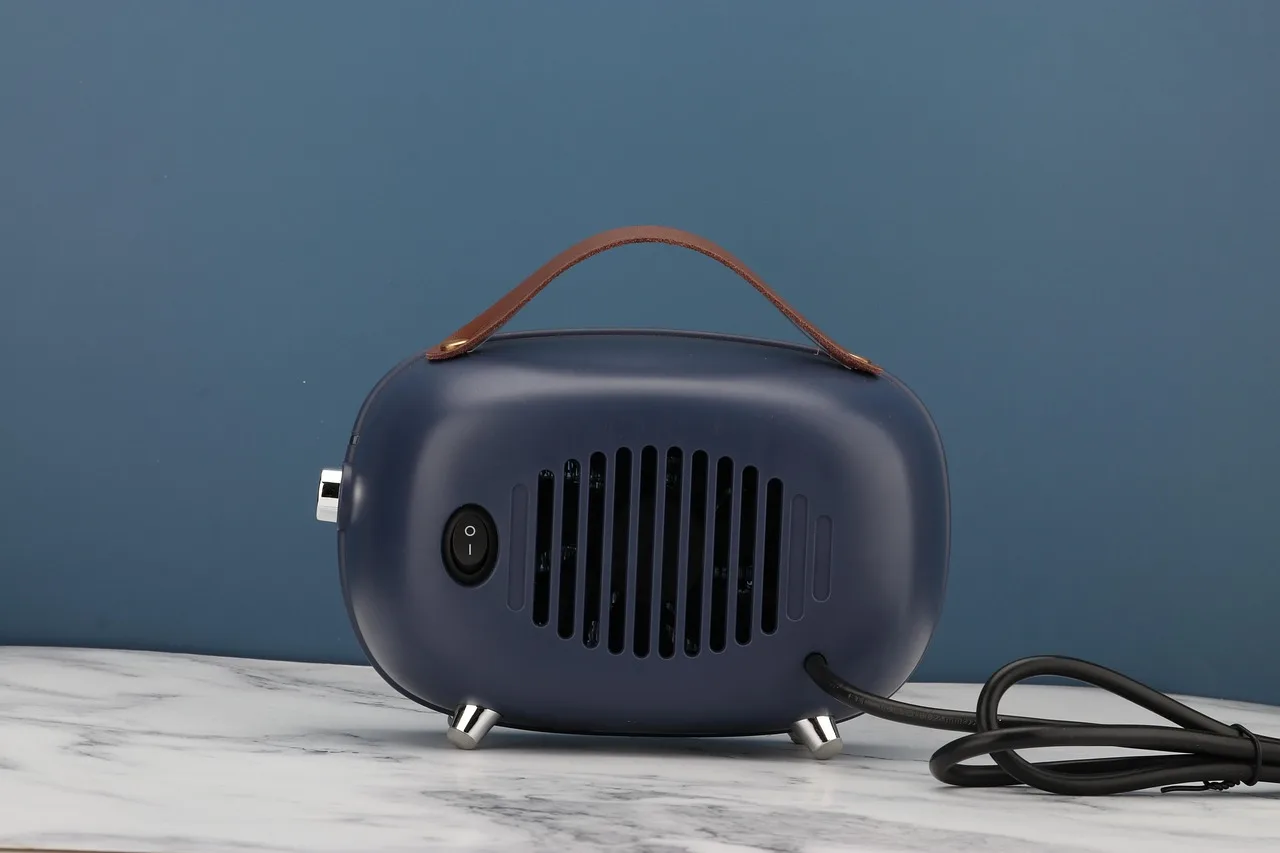
Resetting a space heater is really a sequence of checks, not a single button press. The safest path is to clear the cause of the trip first, then restore power once the heater has cooled. CPSC spacing guidance is 3 feet from flammable objects, and Wirecutter says to place the heater on the floor, not on shelves or furniture.
- Power it down. Turn the heater off and unplug it from the wall. If the heater smells hot or has a damaged cord, stop here.
- Restore safe placement. Move it to a flat floor, upright, with 3 feet of clear space around it. Keep it away from water and wet locations like bathrooms.
- Clean the airflow path. Remove dust from the intake grille and any filter the unit has. Dust buildup can restrict airflow and trigger overheating or shutdown.
- Cool and retry. Wait about 20 to 30 minutes before plugging it back in. If the model has a reset button, press it only after the cool-down and only if the manual allows it.
- Raise the heat setting. Set the control to Heat and raise the thermostat above room temperature. If nothing changes, move to the next failure point instead of pressing reset again and again.
Say your 1,500-watt heater shuts off after about 3 minutes in a small office. If the outlet is live and the unit is upright, dust blockage or thermal shutoff is more likely than a bad thermostat setting. Clean the grille, cool it for 30 minutes, and test it again once.
Suppose a compact heater lights up but only blows cool air. That points to a control or heat-circuit problem, not a lack of wall power. If Heat mode and a higher thermostat setting do not bring back warm air, stop resetting and treat it as a failure.
When should you replace the heater?
Replace the heater instead of resetting it when the same fault returns after cool-down, when the cord or plug is damaged, or when the unit smells overheated. Repeated shutdowns after clearing airflow usually mean the internal thermal protection is catching a real fault. That is the heater telling you to stop.
Repeat shutdowns after cooldown
If the heater runs only until it warms up and then trips again, the problem is no longer a simple trip. A recurring thermal shutoff often points to poor airflow, a failing fan, or a control fault. If cleaning and correct placement do not change the pattern, replacement is the safer choice.
Burning smell or damaged parts
A burning smell, melted plastic, scorched cord, or loose plug means the heater is unsafe to keep using. Do not retry it after a visible overheat event. Space heaters account for 88% of associated deaths in heating-related fires, so damaged parts are a hard stop, not a reset cue.
Age, noise, or unstable operation
Noise changes, flickering indicator lights, or a control panel that works only part of the time can point to a failing heater. If the unit needs a breaker reset every time it runs, or if it keeps tripping protected circuits, replacement is a better decision than repeated recovery attempts.
Common mistakes
Most failed resets come from skipping the safety cause and pressing buttons too soon. Avoid these errors, because they can hide an overheating problem or create a new one.
- Resetting before the heater cools fully
- Using a power strip or extension cord without manual approval
- Running the heater on a shelf, chair, or uneven surface
- Ignoring dust on the intake or filter
- Trying again after a burning smell
- Resetting a breaker repeatedly without checking the load on that circuit
A common first-timer mistake is to press reset, hear the fan start, and assume the heater is fixed. If it shuts off again within minutes, stop and find why the protection opened in the first place.
Frequently asked questions
Do space heaters turn off automatically?
Yes. Many modern heaters are commonly reported to shut off automatically if they overheat or tip over. That feature is a safety function, not a defect. If the heater turns off repeatedly, clean the airflow path, keep it upright, and stop using it if the shutdowns continue.
How do I reset a space heater after it shuts off?
Unplug it, clear dust and obstructions, let it cool for 20 to 30 minutes, and then restore power. If it has a manual reset button, press it after cool-down. If the heater shuts off again quickly, do not keep cycling it.
Can a tripped breaker stop a space heater from working?
Yes. Reset the breaker at the panel, then reduce other loads on that circuit before trying the heater again. If the same heater trips the breaker more than once, the circuit may be overloaded or the heater may be faulty. Move it to a different outlet only if the manual allows that use.
When should you replace a space heater instead of resetting it?
Replace it when repeated resets do not stop the shutdowns, when the cord or plug is damaged, or when it smells overheated. A heater that keeps tripping on a clean, open floor is not giving you a simple reset problem. It is warning you that it is no longer reliable.
Sponsored / affiliate links. As an Amazon Associate I earn from qualifying purchases. I may earn additional commission from eligible campaigns.
 MEGAWISE Portable Air Conditioner and Heater, 420W 110V Compact AC Unit with Remote Control, 1400W Cooling Capacity, 800W Heating, Dehumidifier, Fan, Sleep Timer, ChampagneAZEUS Portable AC and Heater Unit, 420W 110V Compact Air Conditioner for Tent RV Truck Cabin and Small Room, 1400W Cooling, 800W Heating, Remote Control, Dehumidifier, Sleep Timer, Champagne