Are Propane Convection Heaters Safe For Indoors? Stay Safe
We’ve all been there. That first chill hits, and suddenly your thoughts turn to staying warm. Maybe your main heating system is acting up, or perhaps you’re looking for a quick way to heat a specific room or a garage.
Portable heaters seem like a great idea, and propane convection heaters often pop up as a powerful option. They promise quick heat and can be quite effective. But then the big question hits: are they truly safe to use indoors?
It’s a really important question, and understanding the risks and how to manage them is key. We’re going to dive deep into this to give you all the facts you need to make smart choices for your home and family.
Propane convection heaters can be safe for indoor use if operated correctly with proper ventilation and safety precautions. However, they carry risks like carbon monoxide production and fire hazards if misused. Always follow manufacturer guidelines and local regulations.
Understanding Propane Convection Heaters
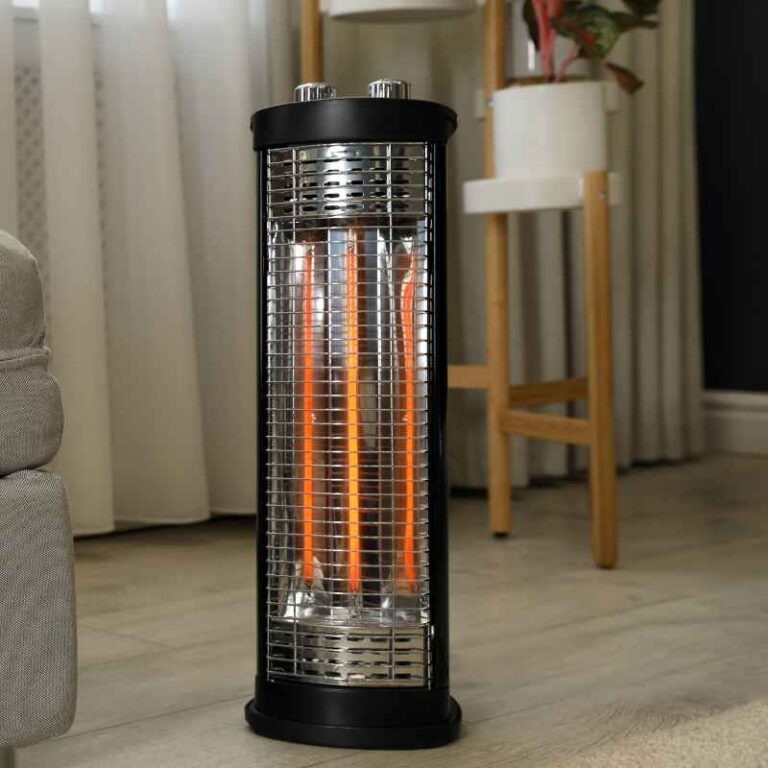
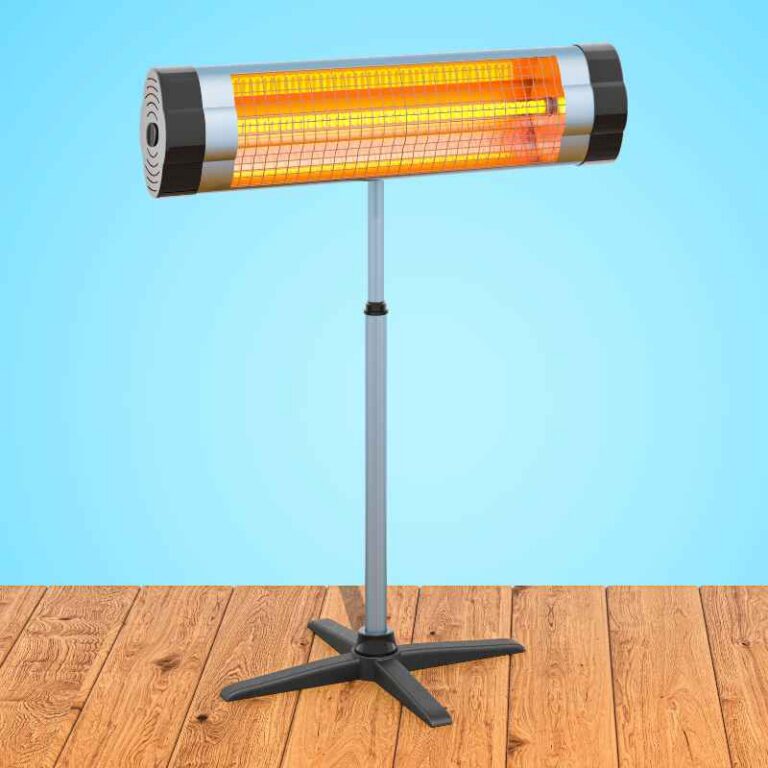
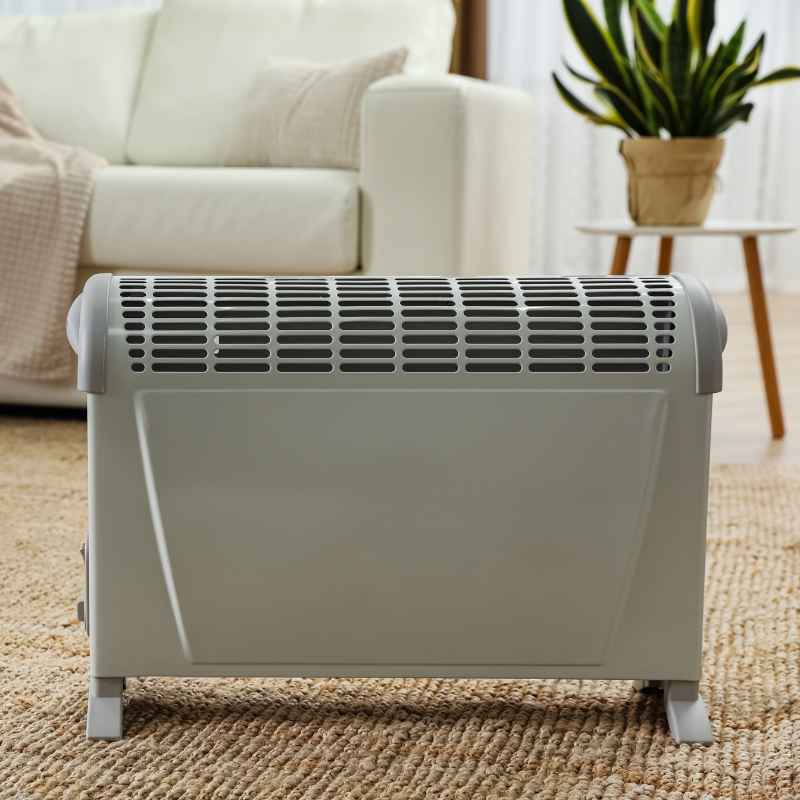
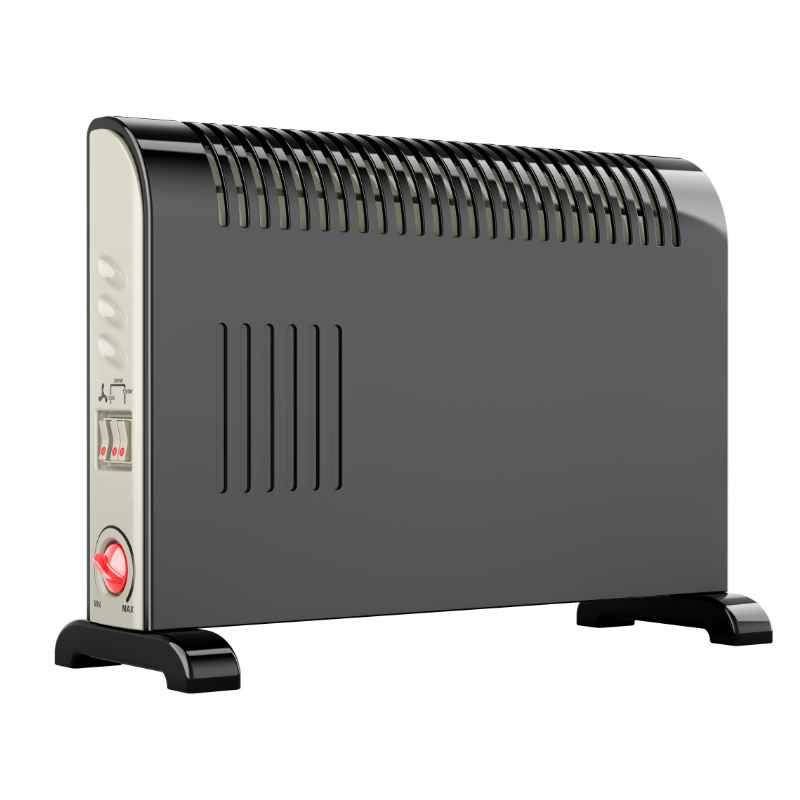
Propane convection heaters work by heating the air around them. This warm air then rises and circulates throughout the room. This is called convection. Unlike radiant heaters that send heat waves directly at you, convection heaters warm the entire space. They often use a fan to help move the warm air around more quickly.
The main fuel source is propane, stored in a tank. These tanks can range in size. Larger tanks mean longer run times. Smaller ones are good for portability. The propane burns to create heat. This burning process is where safety concerns often start. When propane burns, it produces byproducts.
Some of these byproducts are harmless, like water vapor. But there’s one that’s not: carbon monoxide. This is a colorless, odorless gas. It’s also very dangerous if inhaled in large amounts. This is the primary reason for caution with any indoor propane appliance.
Another aspect is how they generate heat. The heating element itself gets very hot. This means they can be a fire risk if placed too close to flammable materials. Things like curtains, furniture, or paper can catch fire easily. This is true for many types of heaters, but it’s something to keep in mind.
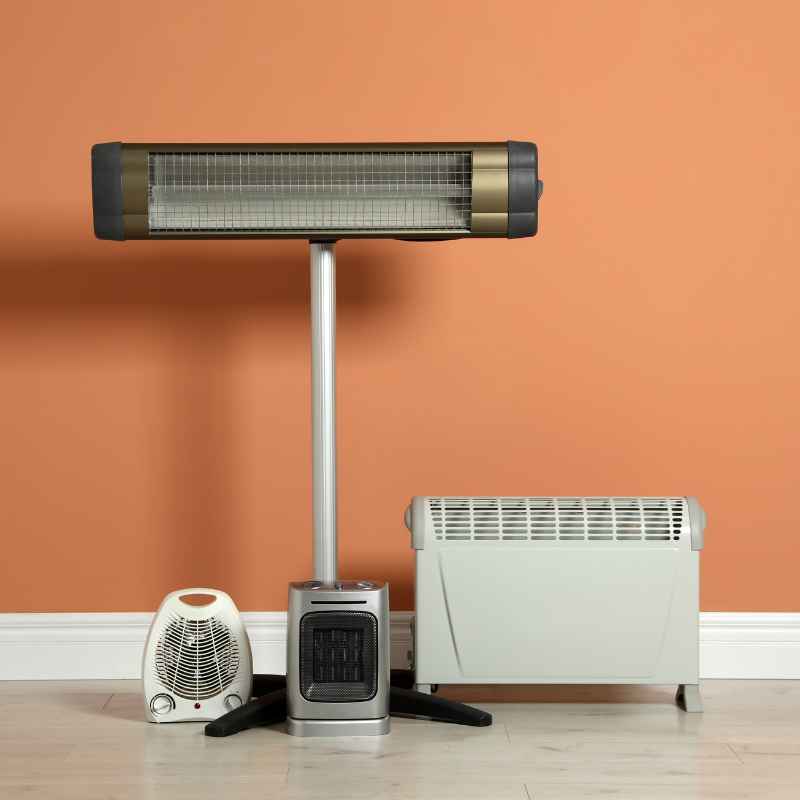
The design of these heaters varies. Some are designed with safety features. These might include automatic shut-off if tipped over or if oxygen levels get too low. Others are more basic. Knowing the specific model you have is important. Always check its features and read the manual.
My Frustrating Night in the Garage
I remember one particularly cold winter. My main furnace decided to quit on me late on a Friday night. The house was getting chilly fast. I knew I could call for emergency service, but it would cost a fortune. My garage was also freezing, and I had some important projects I wanted to finish. I decided to grab a portable propane heater I had bought for camping trips. It was a simple, older model, nothing fancy.
I set it up in the garage. The propane tank hissed, and soon, warm air was filling the space. It felt amazing. I was so relieved. I worked for a couple of hours, feeling cozy. Then, I started to feel a little weird. I had a dull headache, and I felt a bit dizzy. I initially brushed it off as being tired. But then I noticed the heater was making a strange noise. I also smelled something faintly… not like burning plastic, but something metallic and off. My gut told me something wasn’t right.
I immediately went outside. The fresh air felt so good. I checked the heater. The flame looked okay, but it was flickering a bit more than usual. I realized I hadn’t opened the garage door at all. I had kept it shut tight to keep the heat in. That was a huge mistake. I quickly shut the heater off and opened both garage doors wide. The headache went away almost immediately. It was a scary wake-up call. I learned a hard lesson that night about the risks and the absolute need for ventilation. I never used that heater indoors again without proper airflow.
Safety First: Essential Precautions
Using propane convection heaters indoors means prioritizing safety above all else. This isn’t just about following rules; it’s about protecting yourself and your loved ones. The dangers are real, but they are manageable with the right approach.
First and foremost is ventilation. This is non-negotiable. Propane combustion produces carbon monoxide (CO). CO is a deadly gas. It has no smell or color. The best way to prevent CO buildup is to ensure fresh air can enter and stale air can leave.
Always use these heaters in a well-ventilated space.
This means opening a window or a door. Even a small crack helps.
Never use them in a completely sealed room.
This includes basements or small closets.
If you’re using it in a garage, make sure the main garage door is at least cracked open, or a side door is ajar.
Next, invest in a carbon monoxide detector. This is your most important safety device. Place CO detectors on every level of your home. Have them near sleeping areas too. Test them regularly to make sure they are working. A CO detector can save your life.
Carbon Monoxide Detector Guide
Placement: Install detectors on each floor. Keep them away from vents or air intakes. Place them near bedrooms.
Testing: Test your CO detectors monthly. Replace batteries at least once a year. Replace the entire unit according to the manufacturer’s instructions (usually every 5-10 years).
Action: If your CO alarm sounds, leave your home immediately. Call 911 or your local emergency services from a safe location. Do not re-enter until a professional says it’s safe.
Proper fuel handling is also critical. Always use the correct type of propane tank for your heater. Make sure the tank is securely connected. Check for leaks before you light the heater. You can do this by applying soapy water to the connections. If you see bubbles, there’s a leak.
Always follow the manufacturer’s instructions. Each heater is different. Some have specific setup requirements. Some have safety features you need to know about. Read the entire manual before you use the heater for the first time.
Keep the area around the heater clear. Maintain a safe distance from anything flammable. This includes furniture, curtains, bedding, paper, and even pets or children. A general rule is to keep at least three feet clear all around the heater.
Never leave a propane heater running unattended. If you are going to sleep or leave the area, turn it off. This is a common cause of fires. It also prevents CO buildup when you are not there to notice it.
Real-World Context: Garages, Workshops, and RVs
Propane convection heaters often find their place in areas where other heating options are limited. Garages and workshops are prime examples. Many people want to use these spaces year-round for hobbies or projects. They often lack central heating. A propane heater can make them usable in colder months.
However, these spaces can also have their own risks. Garages often store flammable materials like paint, solvents, or gasoline. A spark from a heater could be disastrous. It’s vital to keep these items stored safely and away from the heater. Also, garages might not be as well-insulated as a home. This can lead to greater fuel consumption and more potential for air quality issues if not managed.
For workshops, the risk can be higher if there’s dust in the air. Fine wood dust or other particles can be easily ignited. Ensuring the area is clean and free of such debris is crucial.
RVs and campers are another common use case. Many RVs come equipped with propane heating systems. Portable propane heaters can be used as supplemental heat. But safety is paramount in these confined spaces. Ventilation is even more critical because RVs are designed to be sealed. CO detectors are essential. Many RV manufacturers strongly recommend against using portable propane heaters not specifically designed for RV use. Always check your RV’s manual and local regulations.
What This Means for You: Knowing When It’s Okay and When to Stop
So, when is it okay to use a propane convection heater indoors, and when should you absolutely avoid it? The answer usually comes down to two main factors: ventilation and the specific area you are heating.
It’s generally okay for temporary use in a large, well-ventilated space. Think of a big garage with the main door open or a spacious workshop where you have windows and doors you can keep open. It’s also okay if the heater is specifically designed for indoor use and has all the modern safety features, like an oxygen depletion sensor (ODS) and tip-over protection.
However, you should never use a propane convection heater indoors in these situations:
Small, enclosed spaces: Bedrooms, bathrooms, closets, attics, or small storage sheds are too risky due to the potential for CO buildup.
Areas with poor ventilation: If you cannot guarantee fresh air circulation, do not use it.
When sleeping: Never leave a heater running while you are asleep.
Around children or pets without supervision: They are more vulnerable and may not understand the risks.
If you have respiratory issues: People with asthma or other breathing problems can be more sensitive to air quality changes.
If the heater is old or damaged: Faulty equipment is a major hazard.
Always err on the side of caution. If you have any doubt about the safety of using a propane heater in a particular space, it’s better to find an alternative heating method.
Quick Tips for Safer Operation
If you do decide to use a propane convection heater indoors, here are some quick tips to keep in mind:
Read the manual: Seriously, do it!
Check for leaks: Use soapy water on connections.
Ensure good airflow: Open a window or door.
Use a CO detector: Test it first.
Keep distance: 3 feet clear around the heater.
Never leave it running: Turn it off when away or sleeping.
Use the right fuel: Only use propane.
Store safely: Keep tanks upright and away from heat.
Clean the heater: Dust can be a fire hazard.
Inspect regularly: Look for any signs of damage.
Frequently Asked Questions
Can I use a propane heater in my basement?
It is generally not recommended to use standard propane convection heaters in basements. Basements are often enclosed spaces with limited natural ventilation. If you must use one, ensure there is significant, constant airflow, such as a large opening to the outdoors, and always use a carbon monoxide detector.
Heaters specifically designed for indoor basement use with advanced safety features might be an option, but always consult the manufacturer and local codes.
What is an Oxygen Depletion Sensor (ODS)?
An Oxygen Depletion Sensor (ODS) is a safety device found on many indoor-safe propane heaters. It automatically shuts off the heater if the oxygen level in the room drops too low. This is crucial because low oxygen levels can indicate dangerous carbon monoxide buildup.
Are propane heaters safe to use in a tent?
Using propane heaters in tents is extremely dangerous and strongly discouraged due to the high risk of carbon monoxide poisoning and fire. Tents are very small and unventilated spaces. Even heaters marketed for camping usually require outdoor use with open air.
Always have a working carbon monoxide detector if using any propane device in a confined space, but tents are a particularly high-risk environment.
How often should I replace my carbon monoxide detector?
Most carbon monoxide detectors have a lifespan of 5 to 10 years. Always check the manufacturer’s recommendation on the back of the unit. It’s a good practice to replace the batteries at least once a year, even if it has a long-life battery.
Test the detector monthly to ensure it is functioning correctly.
What are the signs of carbon monoxide poisoning?
Symptoms of carbon monoxide poisoning can mimic the flu. They include headache, dizziness, nausea, vomiting, weakness, chest pain, and confusion. If you experience these symptoms while using a fuel-burning appliance, leave the area immediately and seek fresh air.
If symptoms are severe or you suspect poisoning, call 911.
Can I use a propane heater to warm up my car in a garage?
No, this is very dangerous. Running a propane heater inside a garage to warm up a car is a high-risk activity. The car’s exhaust system itself produces carbon monoxide, and adding a propane heater in an enclosed space with poor ventilation creates a deadly combination.
Always warm up your car outdoors.
Conclusion
Propane convection heaters can be useful tools for temporary warmth in specific situations. They offer powerful heating capabilities. However, their safe indoor use hinges entirely on understanding and respecting the risks. Carbon monoxide production and fire hazards are serious concerns. By prioritizing ventilation, using carbon monoxide detectors, and following all safety guidelines, you can significantly reduce these risks. Always remember that your safety and the safety of your family come first. If in doubt, opt for a safer heating method.
Sponsored / affiliate links. As an Amazon Associate I earn from qualifying purchases. I may earn additional commission from eligible campaigns.