Do Electric Fireplaces Use a Lot of Electricity?
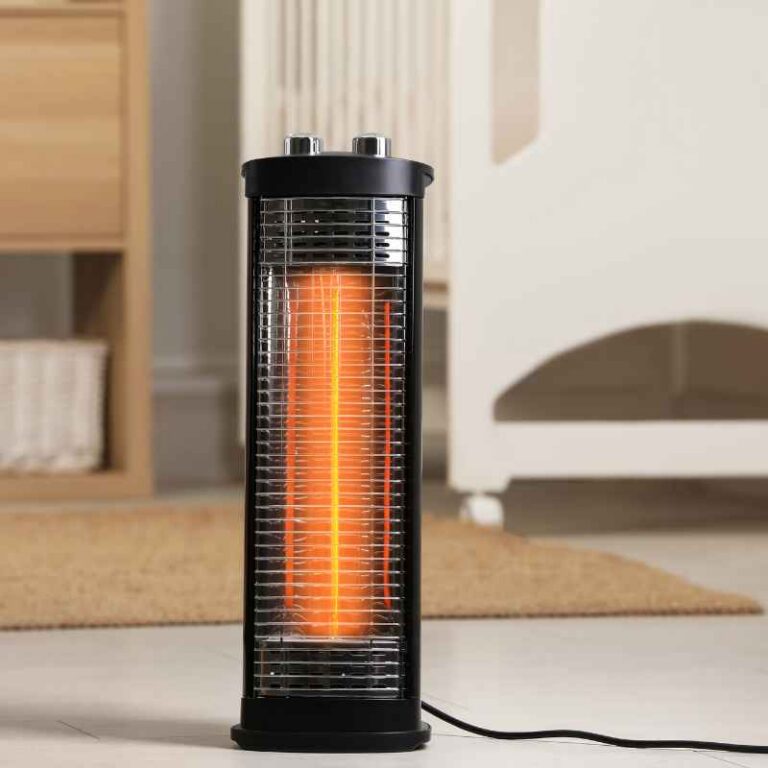
No, electric fireplaces usually do not use a lot of electricity in flame-only mode. In heat mode, many models draw about 750 to 1,500 watts, and some max out closer to 1,500 watts for household plugs and up to about 1,500 to 2,000 watts on dedicated circuits or at the heater’s maximum setting, depending on the model and installation. At a 12¢/kWh electricity rate, that works out to roughly 9 to 18 cents per hour for a 750- to 1,500-watt heater. If you ignore wattage and runtime, a simple accent feature can become a noticeable monthly bill. This guide shows how to estimate cost from wattage, hours used, and your local electricity rate, then judge when the fireplace is cheap, average, or expensive to run.
This guide is part of our Space Heaters, Fireplaces and Winter Humidity Guide series.
How wattage and runtime affect cost
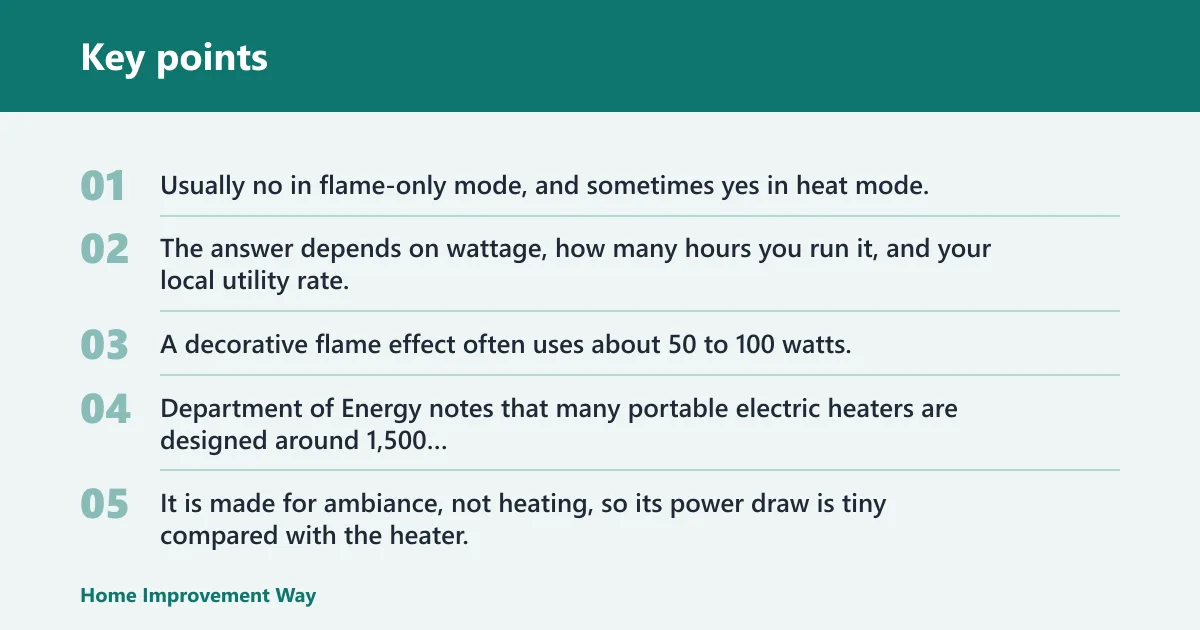
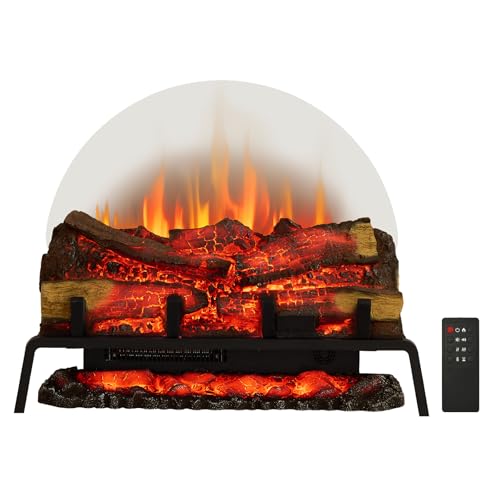


Usually no in flame-only mode, and sometimes yes in heat mode. The answer depends on wattage, how many hours you run it, and your local utility rate. A decorative flame effect often uses about 50 to 100 watts, while heat mode commonly lands near 750 to 1,500 watts, with some models reaching up to 2,000 watts. The U.S. Department of Energy notes that many portable electric heaters are designed around 1,500 watts, which is also a common upper limit for standard 120-volt household outlets.
Short answer by mode
Flame-only mode is the low-cost setting. It is made for ambiance, not heating, so its power draw is tiny compared with the heater. Once you switch on heat, the unit acts more like a room heater, and cost rises with every hour it runs.
Why runtime matters more than the fireplace label
Electricity use is measured in kilowatt-hours, or kWh. The cost formula is simple: cost per hour = (watts ÷ 1,000) × electricity rate. That means a 1,500-watt fireplace running for 1 hour uses 1.5 kWh. If the same unit runs for 4 hours, it uses 6 kWh. Runtime often matters more than the product name on the front panel.
When the answer changes based on room conditions
Room size, insulation, and air leaks change how long the fireplace must run to keep the room comfortable. A well-insulated room holds heat longer. A drafty room makes the heater cycle more often, which raises total cost even if the wattage stays the same.
Electric fireplace wattage and kWh
Most common units fall in a broad range, but mode matters more than the marketing label. Some higher-output models can reach 2,000 watts on high, while many household plug-in heaters are limited to 1,500 watts because of standard circuit and outlet limits. Manufacturer specifications and the U.S. Department of Energy’s guidance on portable electric heaters support these ranges.
Typical wattage ranges for common models
- Flame-only mode: about 50-100 watts
- Low heat: about 750-1,000 watts
- High heat: about 1,500-2,000 watts
- Common full unit draw: about 750 to 1,500 watts for many models, with some models higher on dedicated setups
How watts turn into kilowatt-hours
To convert watts to kWh, divide watts by 1,000 to get kilowatts, then multiply by hours of use. A 1,500-watt fireplace becomes 1.5 kW. Run it for 1 hour, and it uses 1.5 kWh. At 12¢/kWh, that hour costs about 18 cents.
What 1,500 watts means in hourly use
A 1,500-watt setting is a common high-output level for electric room heaters and many fireplaces with a heating function. At 12¢/kWh, that works out to 18 cents per hour. At 20¢/kWh, it is 30 cents per hour. At 30¢/kWh, it is 45 cents per hour. The rate changes the bill quickly.
Flame-only and heat mode costs
Flame-only mode uses far less electricity than heat mode. That is the main split many buyers miss. Decorative use may cost well under 1 cent per hour at the low end and usually stays around a few tenths of a cent to about 1 cent per hour in normal use, while heat mode can move into the range of a small space heater or more, depending on wattage and utility rate.
Flame-only power draw
Flame-only use can stay around 50-100 watts. That is low enough that many people can leave the effect on for ambiance without seeing a large bill impact. The decorative flame is the cheapest part of the appliance to run.
Low heat and high heat power draw
Low heat use is often about 750 to 1,000 watts. High heat commonly reaches 1,500 watts, and some units go higher. That gap matters. At the same electricity rate, high heat costs about twice as much per hour as low heat when it uses roughly twice the power.
How thermostat and timer settings change cost
Thermostat and timer controls cut wasted runtime. If the unit shuts off after the room reaches temperature, it stops running longer than needed. A timer also helps when you want heat for a set evening window instead of leaving the fireplace on out of habit.
Say your living room is 180 square feet and holds heat fairly well. Running flame-only for an hour while you relax may add only a small amount to the bill. Switch to high heat in the same room on a cold night with a draft under the door, and the cost changes fast because the heater runs longer.
Electric fireplace cost matrix
The table below uses three electricity rates: 12¢/kWh, 20¢/kWh, and 30¢/kWh. It treats a season as 90 days. Costs are shown as daily, monthly, and seasonal totals so you can compare your own utility rate and runtime. For UK readers, the same formula works with p/kWh: cost per hour = (watts ÷ 1,000) × pence per kWh, then divide by 100 to convert pence to pounds.
Scenario setup and assumptions
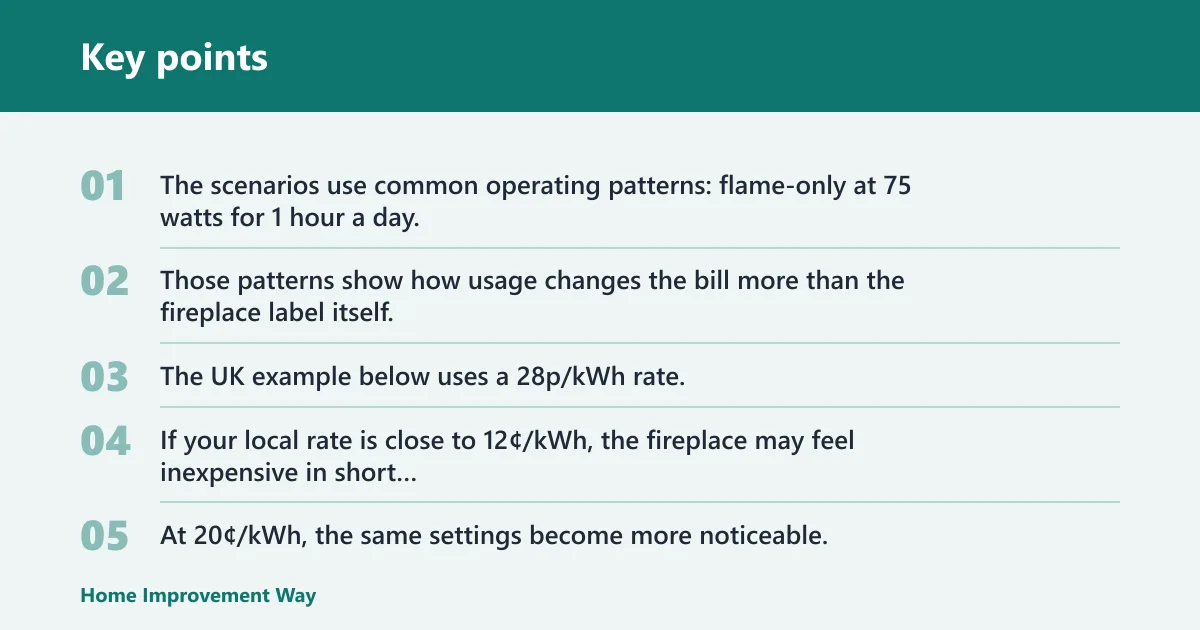
The scenarios use common operating patterns: flame-only at 75 watts for 1 hour a day, low heat at 1,000 watts for 2 hours a day, high heat at 1,500 watts for 2 hours a day, and a 1,500-watt unit at 2, 4, or 8 hours a day. Those patterns show how usage changes the bill more than the fireplace label itself. The UK example below uses a 28p/kWh rate, which is a simple round-number illustration rather than a live tariff quote.
| Scenario | Use pattern | 12¢/kWh | 20¢/kWh | 30¢/kWh |
|---|---|---|---|---|
| Flame-only | 75 W for 1 hour/day | $0.01/day; $0.27/month; $0.81/season | $0.02/day; $0.45/month; $1.35/season | $0.02/day; $0.68/month; $2.03/season |
| Low heat | 1,000 W for 2 hours/day | $0.24/day; $7.20/month; $21.60/season | $0.40/day; $12.00/month; $36.00/season | $0.60/day; $18.00/month; $54.00/season |
| High heat | 1,500 W for 2 hours/day | $0.36/day; $10.80/month; $32.40/season | $0.60/day; $18.00/month; $54.00/season | $0.90/day; $27.00/month; $81.00/season |
| 2 hours/day | 1,500 W for 2 hours/day | $0.36/day; $10.80/month; $32.40/season | $0.60/day; $18.00/month; $54.00/season | $0.90/day; $27.00/month; $81.00/season |
| 4 hours/day | 1,500 W for 4 hours/day | $0.72/day; $21.60/month; $64.80/season | $1.20/day; $36.00/month; $108.00/season | $1.80/day; $54.00/month; $162.00/season |
| 8 hours/day | 1,500 W for 8 hours/day | $1.44/day; $43.20/month; $129.60/season | $2.40/day; $72.00/month; $216.00/season | $3.60/day; $108.00/month; $324.00/season |
How to read the matrix at different utility rates
If your local rate is close to 12¢/kWh, the fireplace may feel inexpensive in short daily sessions. At 20¢/kWh, the same settings become more noticeable. At 30¢/kWh, long runtimes can look expensive fast, especially if you rely on heat mode every evening.
Here is the simple formula box in plain language: cost per hour = (watts ÷ 1,000) × electricity rate. US example: a 1,500-watt fireplace at 12¢/kWh costs 1.5 × $0.12 = $0.18 per hour. UK example: a 1,500-watt fireplace at 28p/kWh costs 1.5 × 28p = 42p per hour.
When electric fireplaces cost more
Electric fireplaces cost more when they run longer to make up for heat loss. Drafty rooms, oversized spaces, and trying to heat the entire house with one unit are the main failure cases. The fireplace can still be useful, but the bill rises when the room cannot hold the heat.
Drafty rooms and poor insulation
Room insulation and draftiness affect heat retention. A leaky room lets warm air escape, so the heater cycles more often. That increases total kWh use even if the fireplace wattage never changes.
Oversized rooms and long runtimes
Many electric fireplaces and small heaters are intended for supplemental heat in a room around 400 to 500 square feet, depending on insulation and ceiling height. A common output around 5,000 BTUs can suit that kind of space, while larger models may deliver closer to 10,000 BTUs. If the room is much bigger than the unit’s output, the fireplace may run longer without fully warming the space.
Using heat mode as primary heat
Electric fireplaces work best as supplemental or zone heat, not as whole-home heat. When the room needs more heat than the fireplace can deliver, the unit runs longer and the cost rises. That is a different scale from central heating, which is designed for the full house rather than one room.
Suppose you place a fireplace insert in a large open-plan room with a cold exterior wall and a draft under the door. The unit may still throw visible heat, but it will cycle longer. In that case, the bill reflects the room’s heat loss as much as the fireplace itself.
Are electric fireplaces cheaper than space heaters?
At the same wattage, the operating cost is similar. A 1,500-watt electric fireplace and a 1,500-watt space heater use the same amount of electricity per hour. The difference is usually in features, appearance, and how well each unit fits the room, not in raw power draw.
Same wattage, similar operating cost
If two devices draw 1,500 watts for the same amount of time, they cost about the same to run. A decorative fireplace does not get a price break just because it looks different. The wattage and the electricity rate decide the bill.
Where electric fireplaces can feel cheaper to run
Electric fireplaces can feel cheaper when people use flame-only mode for most of the evening and heat mode only when needed. The decorative setting uses far less power, so the unit can add atmosphere with little energy use. That is where the savings often come from.
When a space heater may be the better fit
A plain space heater may be the better fit if the goal is fast, focused heat in a small room. Electric fireplaces are often chosen for appearance plus heat. If appearance matters less than output, a space heater can be simpler and sometimes easier to place exactly where needed.
How to keep operating costs down
Use the fireplace as zone heat in an occupied room, not as a whole-house solution. Keep the thermostat and timer active. Reduce heat loss with basic room improvements. Those steps matter more than brand name or cabinet style when you are trying to control the bill.
Use zone heating in occupied rooms
Zone heating means warming one room instead of the whole house. That can reduce whole-home heating demand when the room is insulated and occupied. It works best when you are actually in the space and do not need the rest of the house at the same temperature.
- Choose flame-only mode when you want ambiance without heat.
- Use low heat before high heat, especially in smaller rooms.
- Set the thermostat to shut off after the room warms up.
- Use a timer for a fixed evening window.
- Close drafts and keep doors shut in the heated room.
Reduce runtime with better heat retention
A well-insulated room lowers consumption because the unit does not need to cycle as often. Sealing obvious drafts, closing a door, and keeping heat out of unused rooms can shorten runtime. That lowers cost directly because the fireplace draws power only while it runs.
Frequently asked questions
Do electric fireplaces use a lot of electricity?
Usually no in flame-only mode, and sometimes yes in heat mode. Whether that becomes a big bill depends on hours of use and your local electricity rate.
Do electric fireplaces use a lot of energy?
They use little energy in decorative mode and much more in heating mode. Energy use rises with runtime, so a few short evenings may be modest, while long nightly heating can add up. The fireplace label matters less than how often you run the heater.
Do small electric fireplaces use a lot of electricity?
Small units often use less power than larger ones, but the setting still matters. A compact fireplace on flame-only may be low draw, while the same unit on heat can still approach 1,000 watts or more. Check the rated wattage before assuming it is cheap to run.
How much does it cost to run an electric fireplace per hour?
A common 1,500-watt setting costs about 18 cents per hour at 12¢/kWh, 30 cents at 20¢/kWh, and 45 cents at 30¢/kWh. Flame-only mode is much cheaper and usually stays below a few cents per hour.
Is an electric fireplace cheaper to run than a space heater?
At the same wattage, no. The hourly cost is about the same because both devices convert electricity into heat. An electric fireplace can feel cheaper if you use flame-only mode often, while a space heater may be the better fit if you only want simple room heat.
Do electric fireplace inserts use a lot of electricity?
They can, depending on the heater and how long you run them. Inserts often follow the same draw pattern as other electric fireplaces, with flame-only using much less power than heat mode. A 1,500-watt insert costs the same to run as any other 1,500-watt heater.
How much do electric fireplaces cost in the UK?
Use the same formula with pence per kWh. For example, a 1,500-watt fireplace at 28p/kWh costs about 42p per hour. Flame-only mode is usually just a few pence or less per hour, depending on the unit.
Do portable electric fireplaces use a lot of power?
Portable units usually do not use much power in flame-only mode. In heat mode, they can draw about the same as a portable space heater, often around 750 to 1,500 watts. The runtime and the heat setting determine whether the bill stays small or climbs.
Is the answer different for electric fireplaces with heaters?
Yes. Models with a heater use far more electricity in heat mode than in flame-only mode. If you only want the look of a fireplace, the flame setting is the economical choice. If you want heat, treat it like a room heater and estimate cost from wattage and runtime.
Sponsored / affiliate links. As an Amazon Associate I earn from qualifying purchases. I may earn additional commission from eligible campaigns.
 MEGAWISE Portable Air Conditioner and Heater, 420W 110V Compact AC Unit with Remote Control, 1400W Cooling Capacity, 800W Heating, Dehumidifier, Fan, Sleep Timer, ChampagneAZEUS Portable AC and Heater Unit, 420W 110V Compact Air Conditioner for Tent RV Truck Cabin and Small Room, 1400W Cooling, 800W Heating, Remote Control, Dehumidifier, Sleep Timer, Champagne