How to Heat a Room with No Heat Source
Start with one small room. Close it off, block drafts, add safe extra layers, and use only approved heat or hot-water options if you have them. Done poorly, you waste power, raise carbon monoxide risk, or stay dangerously cold. This guide covers the safest order for warming one room, one person, or one zone when your home has no working heat.
No-heat triage


The right move depends on the situation. A power outage rules out electric heat sources. A furnace failure may leave some systems usable, while an apartment or building no-heat problem often means you need landlord or building action, not more improvisation. The goal is usually one occupied room rather than the whole house.
Use this order: cut heat loss first, pick the safest available heat source second, then move air without creating fire or carbon monoxide risk. If you can only protect one area, make it the room where people will stay for several hours.
What you’ll need
- Blankets, extra layers, socks, and hats
- Towels or draft blockers for door gaps
- Heavy curtains or close-fitting window treatments
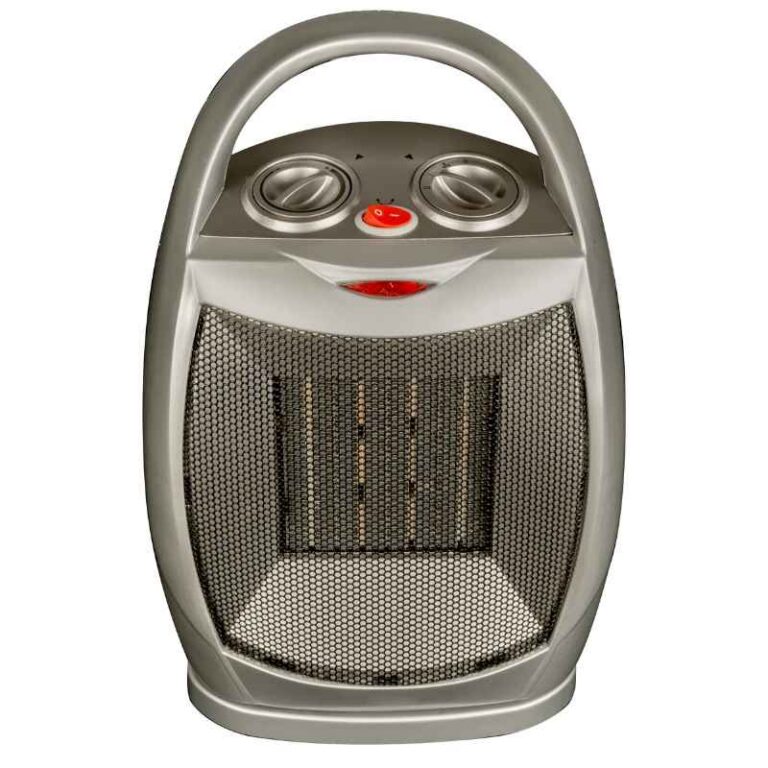
- A working portable electric space heater, if electricity is available
- Clear floor space around any radiator, vent, or heater
- A flashlight or battery lamp for outages
- Carbon monoxide alarms if any fuel-burning appliance is in use
- Phone numbers for HVAC repair, your landlord, building management, or emergency support
How do you warm one room safely?
Warm the smallest safe occupied room you can close off, then remove draft paths and choose the heat source that fits the situation. In a power outage, focus on insulation and body heat. With electricity and no furnace, a space heater can help a small enclosed room. In a building no-heat case, report it and wait for repair or management action.
-
Close the room. Shut the door, block the gap under it, and keep windows closed. This keeps the warm air you already have from leaking into colder parts of the home.
-
Stop obvious drafts. Use rolled towels at door bottoms and close curtains or drapes over windows. Drafts and weak insulation at windows, doors, and corners can drain heat fast.
-
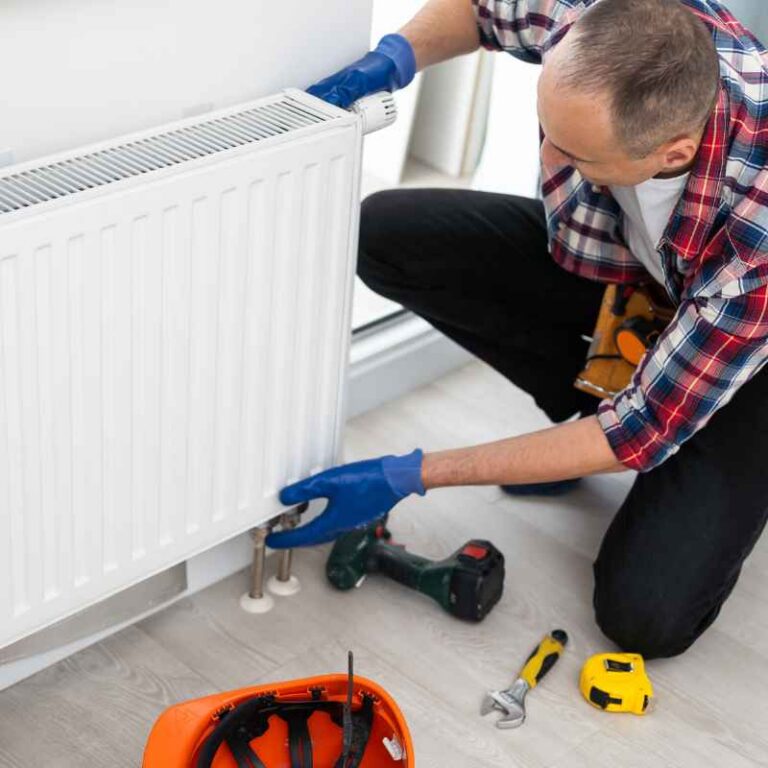
Clear heat sources. Move furniture, drapes, and bedding away from radiators, vents, and portable heaters. Large furniture can soak up heat near a radiator and leave the rest of the room cold.
-
Add safe warmth. If electricity is available, run a space heater in a small enclosed room and keep safe clearance from furniture and fabrics. If electricity is out, add layers, get under blankets, and heat the person, not the whole house.
-
Improve airflow. Open interior doors only when they help move warm air toward the occupied room, and keep vents and radiators clear. Air movement helps spread heat more evenly and cuts cold pockets.
Say your only warm room has a radiator behind a sofa. Move the sofa away from the radiator first, then close the door and add a towel at the threshold. That usually helps more than adding another blanket while the radiator stays blocked.
-
Recheck after 15 minutes. After each change, wait 15 minutes and reassess comfort, drafts, and any unsafe hot spots. If the room still feels cold, tighten the space further or move to a better insulated room.
Power outage
Without electricity, a space heater will not help. Use passive warming only: one small room, sealed against drafts, extra clothing, blankets, and body heat. If you have a wood stove, wood burner, pellet stove, propane, or natural gas backup, use it only if it is designed for indoor use and you can follow its ventilation and safety requirements.
Furnace failure
If the furnace is down but power remains on, a space heater can warm a small room while you wait for repair. Keep it on a hard, level surface with the manufacturer’s clearance around furniture, bedding, and curtains. Do not assume a heat pump will behave like a simple electric heater; some systems need emergency heat or backup heat when the primary unit cannot keep up.
Apartment or building no-heat
If the whole building has no heat, your first job is to report it and document the date and time. Use one room as a warm zone while management handles the repair. If indoor temperatures keep dropping, contact your landlord, building management, or emergency support rather than trying to improvise with unsafe appliances.
Room heat-loss checklist
Heat escapes fastest through openings and thin barriers. Start with the parts you can control in minutes, then move to the larger leak points that keep stealing warmth.
- Windows with thin coverings or visible gaps
- Doors with space under the threshold
- Curtains or drapes that let air flow around the edges
- Poorly insulated exterior walls or corners
- Blocked vents, radiators, or return grilles
- Open interior doors that spread warm air too thin
Good room airflow matters, but only after you stop major losses. An open layout can help warm air move, yet it will not rescue a room with a blocked radiator or a leaky window.
Heat source decision matrix
Use this chart to match the option to the situation. Safety comes before speed. “Do not use” means the option is unsafe or ineffective in that scenario.
| Option | Power outage | Furnace failure | Apartment or building no-heat | Safety | Time to warmth | Electricity dependence | Do not use |
|---|---|---|---|---|---|---|---|
| Space heater | No | Yes, for a small room | Yes, if allowed and power is on | High if clearances are followed | Fast | High | Power outage; large open areas; blocked by curtains or furniture |
| Heat pump | No | Maybe, if the system still runs | Maybe, if the building system works | High when functioning normally | Moderate | High | Power outage without backup power |
| Emergency heat | No | Sometimes | Sometimes | Moderate to high, depending on system | Moderate | Very high | Power outage unless backup power is available |
| Radiator clearance | Yes, if heat is already present from another source | Yes | Yes | High | Slow to moderate | None | Blocking with sofas, thick drapes, or storage |
| Draft blocking and door closing | Yes | Yes | Yes | High | Immediate support, not direct heat | None | Do not treat this as a full heat source |
| Backup heat source | Yes, if fuel-based and properly vented | Sometimes | Sometimes, if permitted | Variable; depends on installation and ventilation | Moderate | Low to moderate | Any indoor combustion setup without proper venting or carbon monoxide protection |
Can a heat pump still help?
Yes, if it has power and the problem is not the heat pump itself. A heat pump moves heat rather than generating it, and some air-source models can deliver up to three times more heat energy than the electrical energy they consume. Cold-climate options are tested down to 5°F, and some modern models can operate successfully as low as -15°F. (Energystar)
Emergency heat
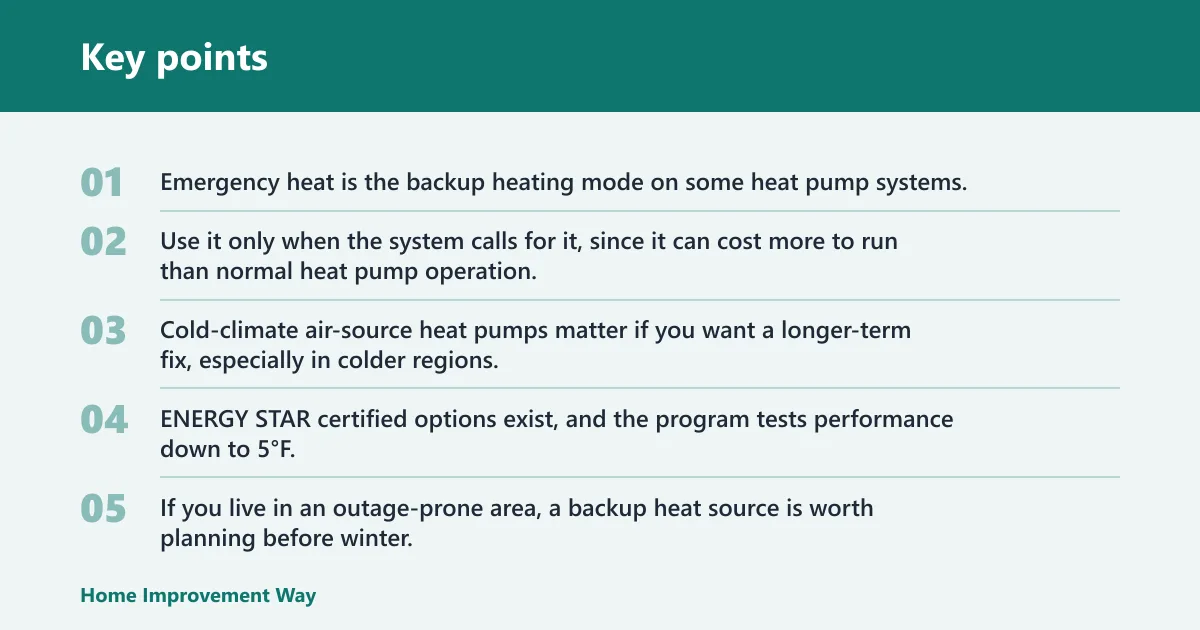
Emergency heat is the backup heating mode on some heat pump systems. It is usually tied to electric resistance backup and is meant for times when the primary heat pump cannot keep up or has a fault. Use it only when the system calls for it, since it can cost more to run than normal heat pump operation.
Cold-climate air-source heat pumps
Cold-climate air-source heat pumps matter if you want a longer-term fix, especially in colder regions. ENERGY STAR certified options exist, and the program tests performance down to 5°F. Some air-source heat pumps can even replace a furnace or central air conditioner when those systems need replacement, and mini-split heat pumps do not need ductwork.
Backup heat sources
If you live in an outage-prone area, a backup heat source is worth planning before winter. Wood stove, wood burner, pellet stove, propane, or natural gas backup can keep one zone usable when electricity is unavailable. Do not rely entirely on electricity in a place that loses power often.
Picture a cold snap with a dead furnace and only one safe room. A properly vented backup heater or a working emergency heat mode can protect that room, but a regular space heater cannot help if the outage takes the power with it.
Common mistakes
- Trying to heat the whole house instead of one occupied room
- Using a space heater in a power outage and expecting it to work
- Blocking a radiator with furniture or drapes
- Leaving curtains open at a cold window and losing heat fast
- Letting warm air spill away through open interior doors
- Using any indoor combustion heat without proper venting and carbon monoxide precautions
- Assuming a heat pump will solve a no-power problem by itself
Prevention. Before the next cold spell, identify one room that can be closed off, keep draft stoppers on hand, and confirm whether your heat system has backup heat or emergency heat. In outage-prone climates, line up a safe backup heat source ahead of time.
Frequently asked questions
How do I heat a room without electricity?
Without electricity, focus on containment and body heat. Close one room, block drafts, keep the door shut, and use blankets, layered clothing, and hats. If you have a fuel-based backup heater, use it only if it is properly vented and designed for indoor use.
How do I heat a room without a heater?
Without a heater, your best option is to reduce heat loss and warm the person instead of the whole space. Shut windows and doors, cover gaps, keep curtains closed, and cluster in the smallest safe room. Extra layers and blankets make a real difference when heat is already scarce.
How can I warm a room cheaply?
The cheapest short-term move is usually stopping heat loss first. Close the room, seal drafts, and keep furniture away from radiators or vents if you have them. That approach costs little and often does more than trying to warm a bigger space.
How can I keep one room warm if the rest of the house is cold?
Use a single enclosed room as a warm zone. Close the door, block the threshold, keep windows covered, and choose a safe heat source that matches your power situation. If power is on, a space heater can help a small room; if power is out, rely on insulation and layers.
What is the safest indoor heat source without electricity?
There is no universal answer that is safe in every home. A properly installed, vented wood stove, pellet stove, propane system, or natural gas backup can be safe when used exactly as designed. If you do not already have one, do not improvise an indoor combustion heater.
How do I heat a room during a power outage?
During a power outage, use a small closed room, extra bedding, and tight draft control. Electric heat sources are out, so the key is to hold onto the warmth already inside the room. If you have a safe fuel-based backup heater, use it only with the right ventilation and safety setup.
Sponsored / affiliate links. As an Amazon Associate I earn from qualifying purchases. I may earn additional commission from eligible campaigns.