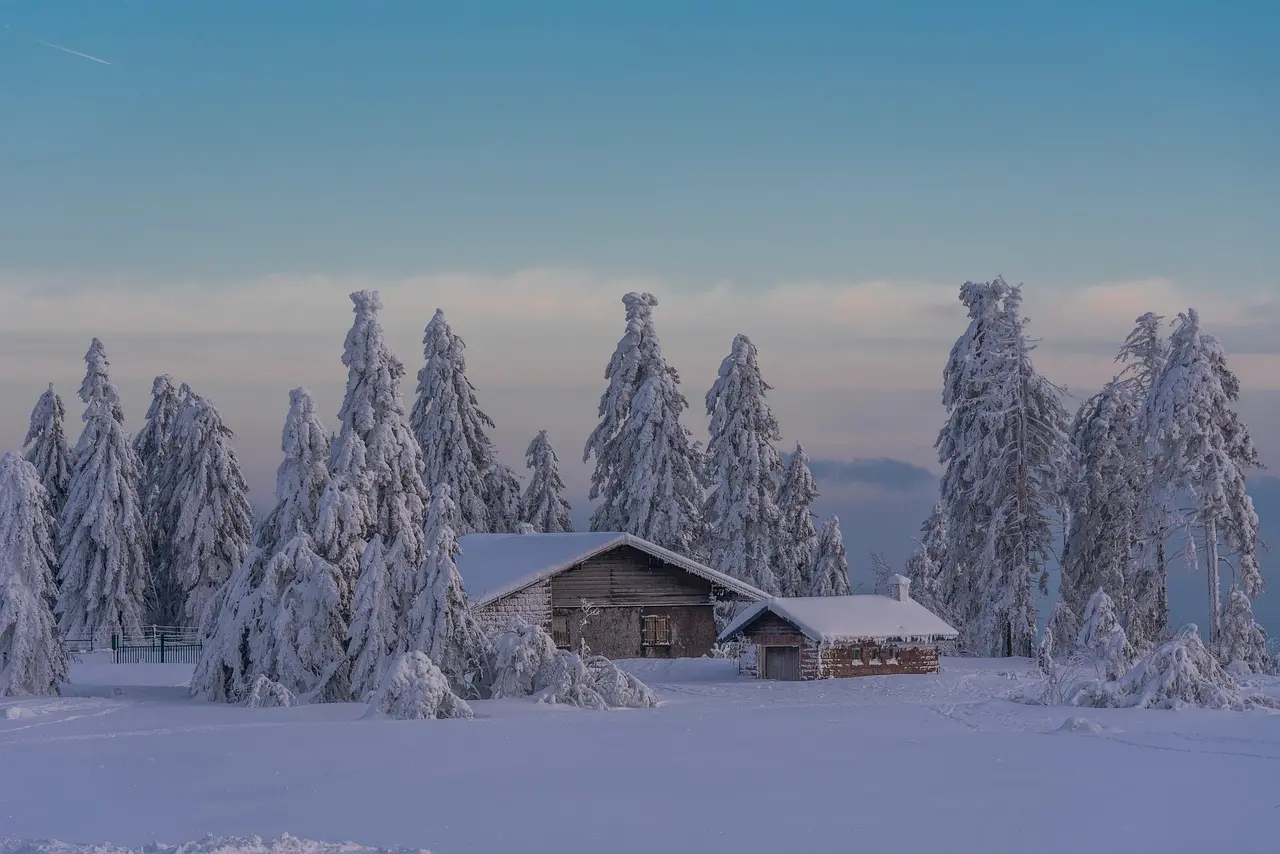
How Long Does It Take a House to Get Cold Without Heat?
A well-insulated house can start feeling cold in about 4 to 8 hours without heat, while pipe-freeze risk can begin after roughly 12 to 24 hours in subfreezing weather, depending on insulation, air leakage, pipe location, outdoor temperature, and wind. Those are only broad estimates; cold-weather safety guidance from FEMA, the CDC, and utility winter-preparedness advisories emphasizes acting early when temperatures fall and heat is out.
How can you estimate how fast a house will cool?

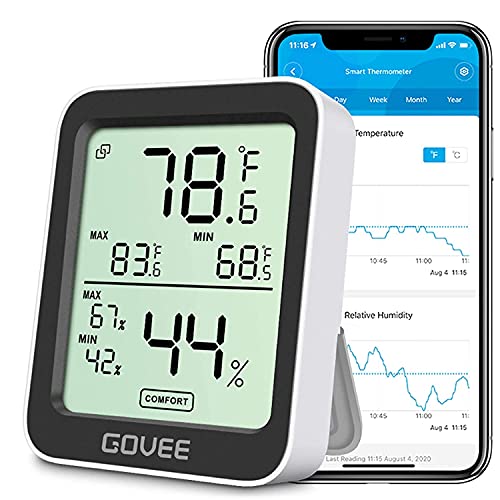
Use the home’s starting indoor temperature, the outdoor temperature band, insulation level, air leakage, floor type or thermal mass, and wind exposure to estimate whether cooling will be slower, average, or faster than normal. This is only a decision aid, not a timer. The point is to spot when comfort will drop first, when plumbing becomes vulnerable, and when action becomes urgent.
| Factor | Slower cooling | Faster cooling | What to check |
|---|---|---|---|
| Starting indoor temperature | Higher start temperature gives you more usable time before discomfort | Lower start temperature reaches the cold-risk range sooner | Read the thermostat and note the starting point |
| Outdoor temperature | Milder outdoor air reduces the indoor-outdoor difference | Below-freezing air pulls heat out faster | Check the forecast and current temperature |
| Insulation | Good attic, wall, and floor insulation slows heat loss | Older or poorly insulated homes cool faster | Look for attic insulation gaps and uninsulated rim joists |
| Air leakage | Weatherstripping and sealed penetrations reduce drafts | Leaks around doors, windows, and utility penetrations speed cooling | Feel for drafts near trim, outlets, and pipe openings |
| Floor type and thermal mass | Concrete, masonry, tile, and dense furniture hold warmth longer at first | Lighter framed construction and low thermal mass cool faster | Note whether the home has slab floors, masonry walls, or open framing |
| Wind exposure | Sheltered walls and rooms lose heat more slowly | Wind raises exterior heat loss, especially in leaky homes | Watch exposed corners, upstairs rooms, and wind-facing walls |
| Comfort threshold | Feels manageable for a while if the home starts warm | Many homes feel uncomfortable as indoor temperature drops into the low 60s °F | Track how the living space feels, not only the thermostat |
| Pipe-freeze risk threshold | Warm interior spaces and protected plumbing buy time | Risk rises as indoor temperature approaches freezing, especially near exterior walls | Check bathrooms, kitchens, basements, and crawl spaces |
| Emergency threshold | System still down but indoor conditions are not yet dangerous | Call for help or move to shelter if indoor temperature keeps falling, pipes are freezing, or anyone is at risk | Decide early, before the house gets dangerously cold |
House cooling estimate by outdoor temperature and building tightness
| Outdoor temp band | Well insulated, low leakage | Average insulation, average leakage | Poor insulation, high leakage |
|---|---|---|---|
| 40s °F | Comfort-loss window: likely slower; pipe-risk window: usually delayed; urgent-action window: if indoor temp keeps falling, check basic restart and shelter needs | Comfort-loss window: average; pipe-risk window: usually later than comfort loss; urgent-action window: if the house will not hold the low 60s °F for long | Comfort-loss window: faster; pipe-risk window: sooner in vulnerable rooms; urgent-action window: if the home cannot stay livable overnight |
| 30s °F | Comfort-loss window: average to slower; pipe-risk window: usually still some time away in protected plumbing; urgent-action window: if the system stays off through the night | Comfort-loss window: average; pipe-risk window: can begin in colder rooms before sunrise; urgent-action window: if plumbing is in exterior walls or unheated spaces | Comfort-loss window: faster; pipe-risk window: can become relevant overnight; urgent-action window: if the house is dropping steadily and wind is exposed |
| 20s °F | Comfort-loss window: average; pipe-risk window: may begin after extended outage or in weak spots; urgent-action window: if interior temps approach the low 50s °F or colder | Comfort-loss window: faster; pipe-risk window: can arrive during an overnight outage; urgent-action window: if cabinet pipes, crawl spaces, or garages are unprotected | Comfort-loss window: very fast; pipe-risk window: can become serious in a short overnight period; urgent-action window: act early, before rooms near exterior walls cool sharply |
| Teens °F | Comfort-loss window: faster than usual; pipe-risk window: meaningful within hours in exposed areas; urgent-action window: if indoor temp keeps dropping after sunset | Comfort-loss window: fast; pipe-risk window: often early in the outage; urgent-action window: if you cannot keep vulnerable rooms warmer than the rest of the house | Comfort-loss window: very fast; pipe-risk window: high in vulnerable plumbing; urgent-action window: call for help or shelter before the house reaches deep cold |
| Below 0°F | Comfort-loss window: rapid; pipe-risk window: can become serious quickly in exposed lines; urgent-action window: do not wait until morning if heat cannot be restored | Comfort-loss window: very rapid; pipe-risk window: likely in the most exposed spaces; urgent-action window: plan shelter, backup heat, or service immediately | Comfort-loss window: extremely fast; pipe-risk window: urgent; urgent-action window: treat as a safety issue if heat is still out |
Heat-outage cooling checklist and timeline
| Time since heat stopped | What to do | What the checklist is looking for |
|---|---|---|
| First hour | Check the thermostat, breaker, fuel supply, and service switches. If the system is safe to restart, try the basic reset steps in the manual. | Separate a simple power or fuel problem from a real equipment failure. |
| 4 hours | Close exterior doors and windows, stop air leaks you can reach, close curtains at night, and add layers and blankets. | Slow heat loss while you decide whether the system can be restarted. |
| Overnight | Open cabinet doors under sinks, protect vulnerable rooms, keep people and pets in warmer rooms, and watch for frozen-pipe signs. | Reduce pipe risk and keep the safest rooms warmer than the rest of the house. |
| Comfort threshold | Take action if the house becomes hard to live in, even if it is not yet a pipe emergency. | Comfort loss is the first warning, not the last one. |
| Freeze-risk threshold | Open cabinet doors under sinks, let protected faucets drip only if local guidance says to do so, and keep vulnerable rooms as warm as possible. | Pipes near exterior walls, unheated spaces, and cold corners are most at risk. |
| Emergency threshold | Call HVAC service, seek shelter, or call emergency services if indoor conditions are becoming unsafe. | Safety outranks waiting for the home to rewarm on its own. |
There is no single universal cooling time because every house loses heat at a different rate. A warm start lasts longer than a cool start. Outdoor temperature, wind, insulation, air leaks, and thermal mass all change the answer, and they can change it a lot. EPA, DOE, and utility weatherization guidance all point to the same basic idea: tighter, better-insulated homes hold heat longer and reduce drafts more effectively.
Why does a house cool at different speeds?
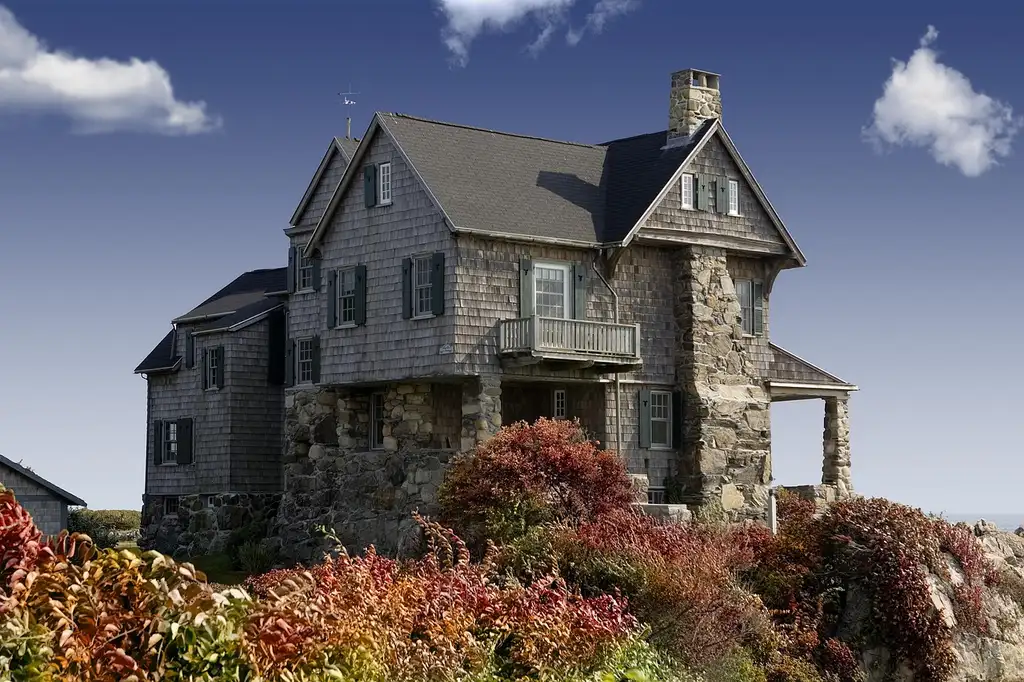
A house can start to feel cold within hours, but the exact timing depends on the starting indoor temperature, the outdoor temperature, and how well the building holds heat. A warm house with heavy construction may stay livable much longer than a light, drafty house in the same weather. Wind, leakage, and where the plumbing runs all change the result.
How does the starting indoor temperature change the timeline?
Indoor air temperature is the starting point, and it matters more than many people expect. A house that begins at 70°F has a larger comfort buffer than one that starts at 62°F. The same outside air can create very different outcomes because the house does not begin from the same place. That is why a simple thermostat reading is one of the most useful first checks.
Say your thermostat reads 68°F when the furnace stops. In a mild spell, the home may stay comfortable for quite a while. Suppose the same house starts at 68°F and the outdoor temperature drops below freezing with steady wind. The comfort window shortens, and the pipe-risk window arrives sooner.
How does outdoor temperature affect cooling?
The indoor-outdoor temperature difference drives heat loss. The colder it is outside, the faster heat leaves the house. Below-freezing conditions speed cooling, and extreme cold raises pipe-freeze risk because the structure, not just the air, keeps losing heat. That is why colder forecast bands should trigger earlier action, not just more blankets.
Wind makes that worse. Strong wind pushes heat out of the building shell and finds weak spots in a leaky home. The National Weather Service and utility winter guidance both note that wind increases heat loss and can make exposed surfaces colder faster, especially in homes with drafts.
What makes some houses cool faster than others?
Three features usually matter most: insulation, air leakage, and thermal mass. Wind and humidity change comfort too, but they do not affect all homes the same way. Older homes often cool faster than newer ones because they tend to have less insulation and more leakage paths, while heavier materials may hold usable heat for longer.
How do insulation and air leaks affect the cooling rate?
Attic, wall, and floor insulation slow heat loss by resisting the flow of heat to the outside. Better insulation means the indoor temperature falls more slowly. Poor insulation lets the house dump warmth into the cold outdoors faster, especially through the attic and rim joists. Air leaks can speed that loss further by moving conditioned air out and cold air in.
Floor type matters because slab-on-grade and masonry surfaces can hold heat differently from lightweight framed floors. A home with more thermal mass often drops more slowly at first, then keeps cooling as that stored heat runs out.
How does wind exposure change the cooling pattern?
Air leakage speeds cooling because it lets warm indoor air escape and cold outdoor air enter. Drafts around doors, windows, and penetrations are common weak spots. Weatherstripping and sealing those gaps reduce loss, especially when wind is pushing hard on the house. In practical terms, windy exterior walls and corners often cool first.
Wind exposure matters more in leaky homes. A sheltered room may stay usable while a corner room near a windy wall feels colder much sooner. That difference is one reason room-by-room checks matter more than a single whole-house guess.
How do thermal mass and materials affect the timeline?
Walls, floors, masonry, and furniture store heat. Heavier construction usually holds warmth longer at first, so the first part of the cooling curve may look slow. Lighter construction cools faster because there is less stored heat to release back into the room. Dense objects can soften the first drop, but they do not prevent heat loss.
Does humidity change how cold a house feels?
Humidity does not create heat loss directly, but it can change how cold a room feels. High indoor humidity can make cold surfaces feel clammy, and condensation on windows or exterior walls can signal that those surfaces are getting cold. That is a warning sign, not the cause of cooling. If condensation appears during a heat outage, it is another reason to monitor vulnerable rooms.
When does cold become unsafe?
Unsafe cold has three levels: uncomfortable, risky for plumbing, and dangerous enough to leave or call for help. The house may be unpleasant long before it becomes a pipe emergency. Do not wait for visible damage before acting. Cold-weather safety guidance from FEMA and the CDC treats loss of heat as a health issue when indoor temperatures keep falling.
When does comfort end?
For many homes, comfort starts dropping well before plumbing is at risk. A house can feel uncomfortably cold while still being above freezing inside. That is the time to add layers, close openings, and decide whether the heat can be restored soon. If the indoor temperature keeps sliding toward the low 60s °F, the situation is no longer just inconvenient.
When are pipes at risk?
Pipe freeze risk rises as indoor temperature approaches freezing, especially near exterior walls, in crawl spaces, in unheated garages, and under sinks on outside walls. The most vulnerable pipes are the ones exposed to the coldest air or least protected by insulation and conditioned space. Exact timing varies by layout, but risk rises before the whole house feels “freezing.”
Open cabinet doors under sinks so warmer room air can reach the pipes. Do not close them. If the home has multiple cold rooms, focus on the ones with plumbing first. If local plumbing guidance recommends a drip in severe cold, follow that only as a temporary safeguard, not as a substitute for restoring heat.
When should you seek emergency help?
If indoor temperature keeps falling in severe cold, if pipes are freezing, if someone in the home is medically fragile, or if the house cannot be kept safely warm, treat it as an emergency. Temporary shelter may be safer than waiting it out. FEMA winter storm guidance also emphasizes having a safe alternate plan when heat is lost and temperatures are dangerous.
A common mistake is assuming a cold snap will only make the upstairs bedrooms chilly, when unheated rooms can cool much faster than expected. In a weather event, that can turn into frozen lines or water damage by morning. The safe move is to act before the house reaches the edge of the freezing zone.
What should you do in the first hours after heat stops?
Use the first hour to figure out whether the heating system has a simple fix, the next few hours to slow heat loss, and the night to protect people and plumbing. The goal is not just to stay warm. It is to prevent a pipe problem from becoming a damage problem. If the outage is widespread, follow what to do during a power outage and conserve the remaining heat.
What basic furnace troubleshooting checks should you try first?
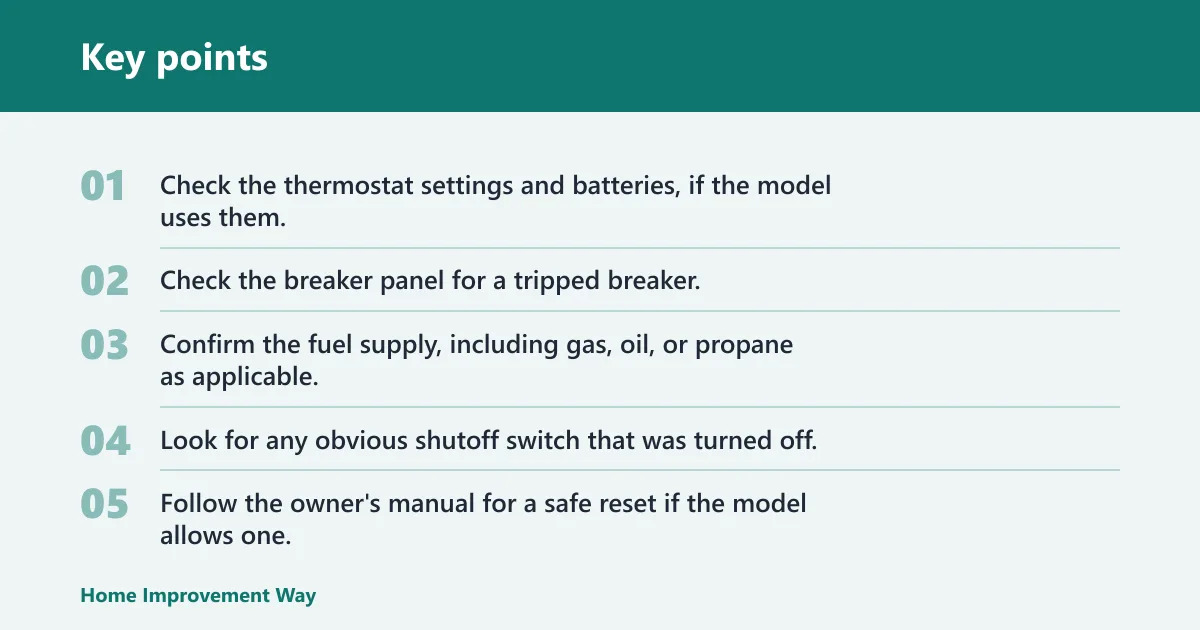
Start with the thermostat, breaker, and fuel supply. If the heat stopped because of a power outage, the problem may be outside the equipment. If power is available but the system will not run, the issue may be a tripped breaker, an empty fuel tank, a locked-out burner, or another fault that needs service. Basic reset checks are often the fastest way to rule out a simple interruption.
- Check the thermostat settings and batteries, if the model uses them.
- Check the breaker panel for a tripped breaker.
- Confirm the fuel supply, including gas, oil, or propane as applicable.
- Look for any obvious shutoff switch that was turned off.
- Follow the owner’s manual for a safe reset if the model allows one.
What should you do after four hours without heat?
By this point, the house is often losing warmth room by room. Close exterior doors and windows. Stop drafts at the spots you can reach safely. Use blankets, sweaters, and layered clothing so the body does not depend on the building alone. This is also the time to think about which rooms can stay warmer and which ones need monitoring for plumbing risk.
Keep interior doors shut if that helps preserve warmer rooms, but make sure the coldest rooms with plumbing are not sealed off from all warm air. If you can safely do it, concentrate heat and people in one or two warmer spaces. Even modest reductions in air leakage can slow the drop enough to buy time.
What should you do overnight?
Open cabinet doors under sinks so heat can reach the pipes. Keep faucets, fixtures, and vulnerable rooms under watch. If local guidance or the plumbing layout calls for it, a slow drip can help in severe cold, but do not treat that as a cure for a failing heating system. The CDC and utility guidance both stress staying warm, dry, and informed when indoor heating is unavailable.
Check condensation, icy windows, and unusually cold floors in the morning. Those signs can point to cold surfaces and rooms that need more attention before the next night.
How do you protect pipes during a heat outage?
Pipes closest to exterior walls are often at the highest risk because they tend to cool first. Basements, crawl spaces, kitchens, bathrooms, laundry rooms, and garages often hold vulnerable lines. The closer the indoor temperature gets to freezing, the more urgent it becomes to keep air moving around those pipes. The main goal is to keep vulnerable plumbing in the warmest available air.
Which rooms and pipes are highest risk?
Start with areas that are poorly insulated or not fully conditioned. That usually includes sinks on exterior walls, pipes in cabinets, and lines in unheated or drafty spaces. If a room feels much colder than the rest of the house, treat the plumbing there as a priority. This is especially true near exterior corners, garages, and crawl spaces.
Why does opening cabinet doors help?
Opening cabinet doors under sinks lets warmer room air reach the pipes and the space around them. That is the opposite of trapping cold air in a closed cabinet. If the room itself is warm enough, this small step can lower freeze risk near the plumbing. It is a simple measure, but it only works if the surrounding room is not itself freezing.
Do not block vents or heater registers that would normally warm the area. The goal is free airflow to the vulnerable pipe runs.
What should you do if pipes are already freezing?
If a faucet slows to a trickle, frost appears on a pipe, or a wall or cabinet area feels very cold, act quickly. Keep the affected area warm if you can do so safely. If a pipe has burst or water is leaking, shut off the water supply and call for help right away. At that point, damage prevention matters as much as freeze prevention.
When should you call an HVAC tech instead of waiting it out?
Call HVAC help when the heat will not restart after basic checks, when the system keeps shutting down, or when you cannot tell whether the problem is a simple outage or a true equipment failure. Do not keep cycling a failing system without knowing why it stopped. If the home is getting colder and the cause is still unclear, waiting is usually the worse option.
How do you tell power outage from equipment failure?
A power outage can stop a furnace, boiler, or heat pump even when the equipment itself is fine. If the power is back and the unit still will not run, the issue is more likely in the system. That is a good time to call a pro rather than wait. If the outage is broader, focus on safety, heat conservation, and backup shelter options first.
Equipment failures that involve repeated lockouts, strange noises, burning smells, leaking water, or fault codes need service. If the unit is producing no heat and the cause is not obvious, the safest choice is to stop troubleshooting and get help.
What basic checks should you confirm before calling?
Before calling, verify the thermostat, breaker, and fuel supply. That covers many of the simple causes. If those checks do not restore heat, a technician can handle the next level of diagnosis. Check the manufacturer’s listing for your model if restart steps vary. Keep notes on the symptoms so you can describe them clearly when you call.
When is the situation urgent enough for emergency service or shelter?
If indoor temperature is falling fast in severe cold, if pipes are at risk of freezing, or if anyone in the home cannot safely stay in a cold house, do not wait for a routine appointment. Seek temporary shelter or emergency help if the house cannot be kept safe. In very cold weather, sheltering elsewhere may be the safest decision.
Frequently asked questions
How long does it take for a house to get cold without heat?
There is no single answer, but many well-insulated homes begin to feel cold within 4 to 8 hours after heat stops. Outdoor temperature, wind, insulation, air leaks, and thermal mass can shorten or stretch that window. Freeze risk may come later, especially in milder weather, but it can arrive sooner in exposed rooms during a hard freeze.
How cold will my house get without heat?
It depends on the starting indoor temperature, the outdoor temperature, and how much heat the house can hold. A tight, insulated home cools more slowly than an older drafty one. The danger point is not the same for comfort loss and pipe freezing, so watch both. Room-by-room conditions matter because some spaces cool faster than the main living area.
What indoor temperature is too cold overnight?
Once a house is cold enough that people cannot sleep safely or comfortably, that is too cold for overnight sheltering. The practical line depends on age, health, and clothing, but a falling temperature in severe weather is a warning sign. If pipes are nearing freezing, act sooner. Any situation that keeps dropping overnight deserves a backup plan.
How fast does a house lose heat in winter?
The rate depends on the indoor-outdoor temperature difference, insulation, leakage, wind, and thermal mass. A poorly sealed house in windy subfreezing weather can lose heat much faster than a well-insulated one in calm conditions. Room-by-room differences are common, especially near exterior walls. That is why the first signs of cooling can appear in drafty rooms long before the whole home feels cold.
Does wind make a house cool down faster?
Yes. Wind increases exterior heat loss, and it tends to matter more in leaky homes and exposed rooms. A windy wall, corner room, or upper floor can cool faster than sheltered spaces. That is why sealing drafts and protecting exposed rooms both help. National Weather Service wind-chill guidance and home-energy advice both treat wind as a real heat-loss factor.
How do insulation and air leaks affect how quickly a house gets cold?
Insulation slows heat loss through the attic, walls, and floors, while air leaks speed it up by moving warm air out and cold air in. Homes with better insulation and fewer drafts keep usable heat longer. Older homes usually cool faster because they often have weaker insulation and more leakage. Air sealing and insulation are two of the most effective long-term ways to slow cooling.
Sponsored / affiliate links. As an Amazon Associate I earn from qualifying purchases. I may earn additional commission from eligible campaigns.