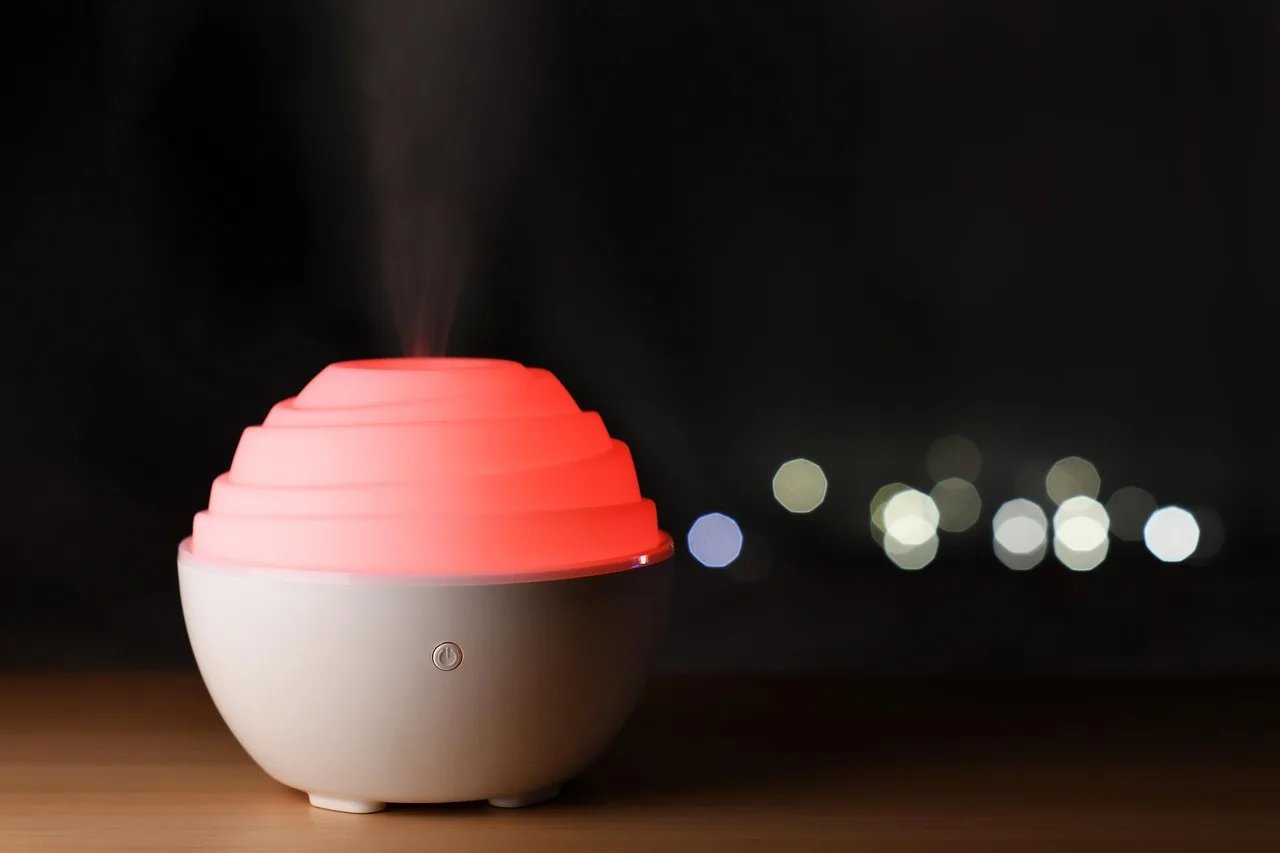
Why Is My Humidifier Not Raising the Humidity?
Your humidifier may run without raising humidity because it is undersized, set too low, clogged, placed poorly, or trying to humidify a room that is too dry or too leaky; the EPA’s target range is 30% to 50% indoor humidity. If you leave it that way, dry air can worsen comfort, static, and wood shrinkage. This guide shows how to check capacity, settings, maintenance, placement, and room conditions.
Why is my humidifier not raising humidity?
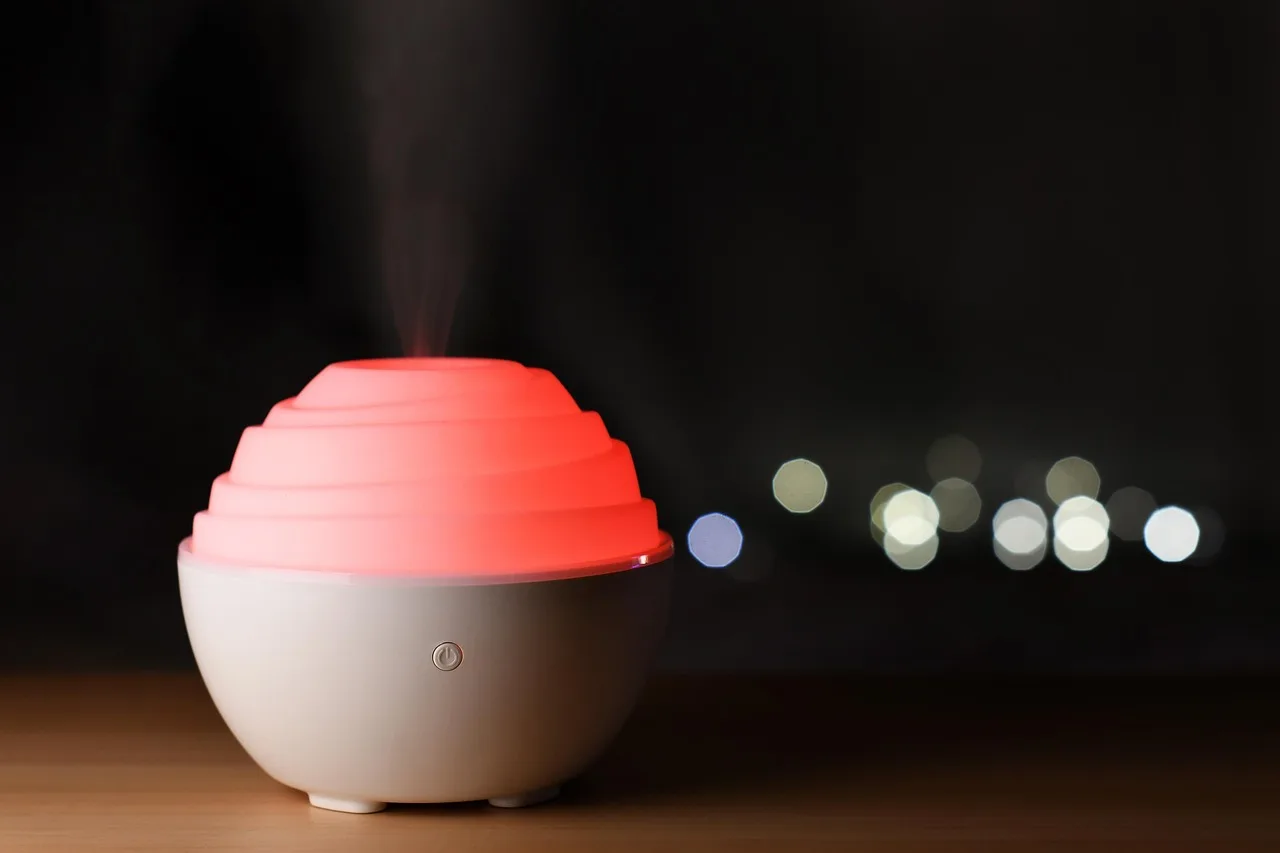

A running humidifier can still miss the target when its output cannot keep up with the room load. That usually means the unit is too small for the space, the setpoint is wrong, airflow is blocked, or the room is losing moisture faster than the humidifier can add it. The EPA recommends keeping indoor relative humidity in the 30% to 50% range to limit moisture problems and discomfort.
Blueair frames this as a unit that will not reach the set humidity level, which is a useful way to think about it. The problem is often capacity and condition together, not a single broken part.
Humidifier troubleshooting matrix
| Symptom | Likely cause | Next test |
|---|---|---|
| No mist | Power issue, empty tank, low humidistat setting, clogged filter, debris, or a failed fan motor | Check power, confirm the tank is filled and seated, then raise the humidistat above the current room reading |
| Mist but no humidity rise | Unit is undersized, room is too large, HVAC is drying the air, or the house is leaking moisture | Close the room for an hour and compare a second hygrometer reading near the humidifier |
| Humidity reading seems wrong | Hygrometer placement error, bad meter, or recent cleaning/reset changed the reading delay | Move the meter away from the mist stream and compare it with a second meter in the same room |
- Check that the unit is plugged in and turned on.
- Top off the tank or reservoir.
- Verify the humidity setting or humidistat target.
- Inspect filters, wick parts, and water passages for buildup.
- Check whether the room size matches the unit’s coverage.
- Compare the room meter with a second reading in a different spot.
Is your humidifier too small for the room?
If the room is larger than the unit’s rated coverage, the humidifier can run for hours and still leave the air dry. That is common in large bedrooms, living rooms, and open-plan spaces, especially when winter heating is running and outdoor air is very dry.
Picture a compact bedroom unit placed in a living room with open doorways. It may produce mist all evening, but the reading barely moves because the room volume and air exchange rate exceed the unit’s output.
Room size versus rated coverage
Match the humidifier to the space, not to the floor plan alone. Ceiling height, open hallways, and adjoining rooms all matter because they increase the air volume the unit has to treat. Manufacturers such as Honeywell and Vornado size units by coverage for that reason.
Large rooms often need higher output, a second unit, or a unit placed closer to the occupied area. A humidifier that is sized for a small bedroom may look normal while doing too little work.
When winter air changes the math
Cold outdoor air holds less moisture, and heating that air indoors lowers relative humidity further. A humidifier may still be working, but the room’s moisture demand is higher than it is during mild weather.
That is why a unit that seemed adequate in fall can feel weak in January. Furnace cycling also dries the air repeatedly, so the humidifier must keep refilling the room after each heating run.
Air leakage and HVAC loss
Drafts, exhausted bathrooms, kitchen fans, and pressure imbalances can pull dry air in and push humid air out. In a leaky home, the room may never hold the target long enough for the reading to stay up.
If the room still feels dry, check door gaps, window seals, supply vents, and return paths. A humidifier cannot keep up with steady infiltration if the room is losing moisture faster than it is adding it.
Check the humidistat and settings
The humidistat sets the target humidity. If it is set too close to the current room level, the unit may reduce output or stop misting altogether because it thinks the target is already met. After cleaning or reset, it may also need time to stabilize.
How the humidistat controls output
On many units, the humidistat is not just a display. It is the control that tells the machine when to start, stop, or limit output based on the room reading.
AZParts says incorrect humidity settings can stop mist output if ambient humidity already matches the target. That means a quiet unit is not always broken. It may simply be waiting for the room to fall below the setpoint.
When a low setpoint stops mist
If the target is set at or below the current room level, the humidifier may not release visible mist. Raise the setpoint a little and give the room time to respond before assuming the unit has failed.
Some models need a short delay after a cleaning cycle, power reset, or tank refill before the sensor settles. HVAC Boss also says to reset a HoMedics humidifier by turning it off and unplugging it before refilling the tank.
Why a reset may need time to settle
After cleaning, a sensor or control board can read differently for a short time. A recalibrating humidistat may look sluggish, especially if the unit was recently unplugged, scrubbed, or moved to a new room.
Suppose a bedroom unit is set to 45% and the room already reads 44% near the machine. It may seem dead, but the control logic is doing exactly what it was told to do.
Why filters, wicks, and pads cut output
Clogs and worn media can reduce airflow and moisture transfer even when the motor is running. The CDC recommends following the manufacturer’s cleaning and filter-replacement schedule, and filter changes matter because buildup can choke airflow before a humidifier ever seems “broken.”
Clogged humidifier filter
A clogged humidifier filter can restrict airflow, which reduces mist output and makes the unit seem weak. This matters on models that depend on air moving through a wet medium before moisture reaches the room.
If the filter looks gray, stiff, or crusted, cleaning may help briefly, but replacement is often the better fix when buildup keeps returning. Check the service interval in the manual if the unit uses a replaceable filter.
Wick filter wear in evaporative units
Evaporative cool-mist humidifiers use a wick filter to draw water upward and expose it to airflow. When that wick ages or plugs with minerals, less water evaporates and room humidity rises slowly, if at all.
A worn wick can also stay damp while still losing absorbency. That is a sign it has reached the point where replacement is more useful than repeated rinsing.
Evaporation pad buildup
Evaporative humidifiers depend on a clean evaporation pad. When the pad collects dust or mineral scale, airflow drops and the pad stops producing noticeable humidity.
HVAC Boss says cleaning light intervals should go off at two-week intervals on some units, which is a good reminder that these parts need routine service, not occasional attention after output has already fallen.
Mineral buildup and water quality
Hard water leaves mineral buildup that can block water paths, coat internal parts, and reduce heating or mist performance. In ultrasonic models, that buildup can settle on the ultrasonic transducer plate, which creates the mist.
How hard water blocks mist
In ultrasonic units, mineral scale can interfere with the transducer plate and limit mist output. In warm-mist units, deposits can collect on heating surfaces and reduce performance. In evaporative units, scale can also shorten wick or pad life.
AZParts identifies white dust as mineral dispersion from hard water. If that powder appears on nearby furniture, the water source is a strong clue.
When to use vinegar descaling
Vinegar descaling is appropriate when the manual allows it and the buildup is mineral-based. The same source suggests a vinegar solution of one part white vinegar to one part water for descaling.
Use it for scale on removable parts, tank surfaces, and other approved components. Avoid soaking parts that the manufacturer warns against, and rinse thoroughly before running the unit again.
Why distilled water helps
Useful DIY Projects recommends distilled or filtered water to help avoid clogs, and distilled water is especially helpful in hard-water homes. It reduces mineral buildup and helps prevent white dust. The EPA also notes that keeping humidity in range helps avoid excess moisture issues that can make residue and deposits more noticeable.
Distilled water will not fix an undersized humidifier, but it can keep the machine cleaner and more consistent over time. The same source says demineralization cartridges may need replacement every 1-2 months on some models, so water quality still matters even when a cartridge is installed.
Does the room meter lie?
Yes, sometimes the reading is the problem. A bad hygrometer, poor placement, or a sensor sitting too close to the mist stream can make a healthy humidifier look ineffective when the room humidity is actually rising. The EPA and Consumer Reports both note that placement matters because local air around windows, vents, or the unit itself may not reflect the whole room.
Hygrometer placement and accuracy
Place the meter away from the humidifier outlet, direct sunlight, vents, and outside walls. If it sits right next to the mist plume, it can read artificially high and then make the rest of the room seem dry by comparison.
A wall-mounted meter near a supply register can also mislead you because HVAC airflow changes the reading. Try a second meter in the same room before deciding the humidifier has failed.
What to verify after cleaning
After cleaning or resetting the unit, confirm that the meter still reads plausibly. Some sensors lag for a short time, and some meters drift enough that they need comparison against a second device.
Why did my humidifier stop working after cleaning? Often, the answer is that the float, sensor, wick, or transducer is not seated correctly after reassembly, or the humidistat needs time to settle again.
Frequently asked questions
Does a humidifier raise or lower humidity?
A humidifier is meant to raise humidity. If the room reading does not move, the unit may be underpowered, blocked, set wrong, or fighting dry HVAC air and leakage. The machine can be working while the space stays below the target.
Why is my humidifier running but the room still feels dry?
That usually means the output is too low for the room load. Check coverage, furnace cycling, drafts, and door or window leakage first. Also verify the hygrometer, since a bad reading can make the room seem drier than it is.
Could a clogged filter be stopping my humidifier from working?
Yes. A clogged humidifier filter can restrict airflow and reduce output. In evaporative cool-mist units, a dirty wick filter or evaporation pad can do the same thing. If cleaning no longer restores output, replacement is often the next step.
Should I use distilled water in my humidifier?
Yes, especially in hard-water homes. Distilled water helps reduce mineral buildup, white dust, and clogging. It will not make an undersized unit larger, but it can keep ultrasonic plates, wicks, and pads cleaner for longer.
When should I replace the wick or evaporative pad?
Replace it when cleaning no longer restores normal output, when the part stays stiff or discolored, or when the manual’s service interval has passed. Evaporative pads must stay clean to produce noticeable humidity, and a worn wick filter will not move water effectively.
Sponsored / affiliate links. As an Amazon Associate I earn from qualifying purchases. I may earn additional commission from eligible campaigns.