Firewood and Wood Burning Guide: Choose, Check, Burn
Buy firewood that tests under 20% moisture on a freshly split face, choose split sizes that fit your stove or fireplace, and use denser hardwoods for longer heat while saving dry softwoods for kindling and quick fires. Wet or mismatched wood wastes money, smokes up the room or yard, and increases creosote risk in chimneys and stove pipes. I have seen good stoves burn badly with poor wood, so this guide stays focused on what I actually check when a load lands: species, moisture, storage, and fit for stoves, fireplaces, and fire pits.
Start with the burn you want
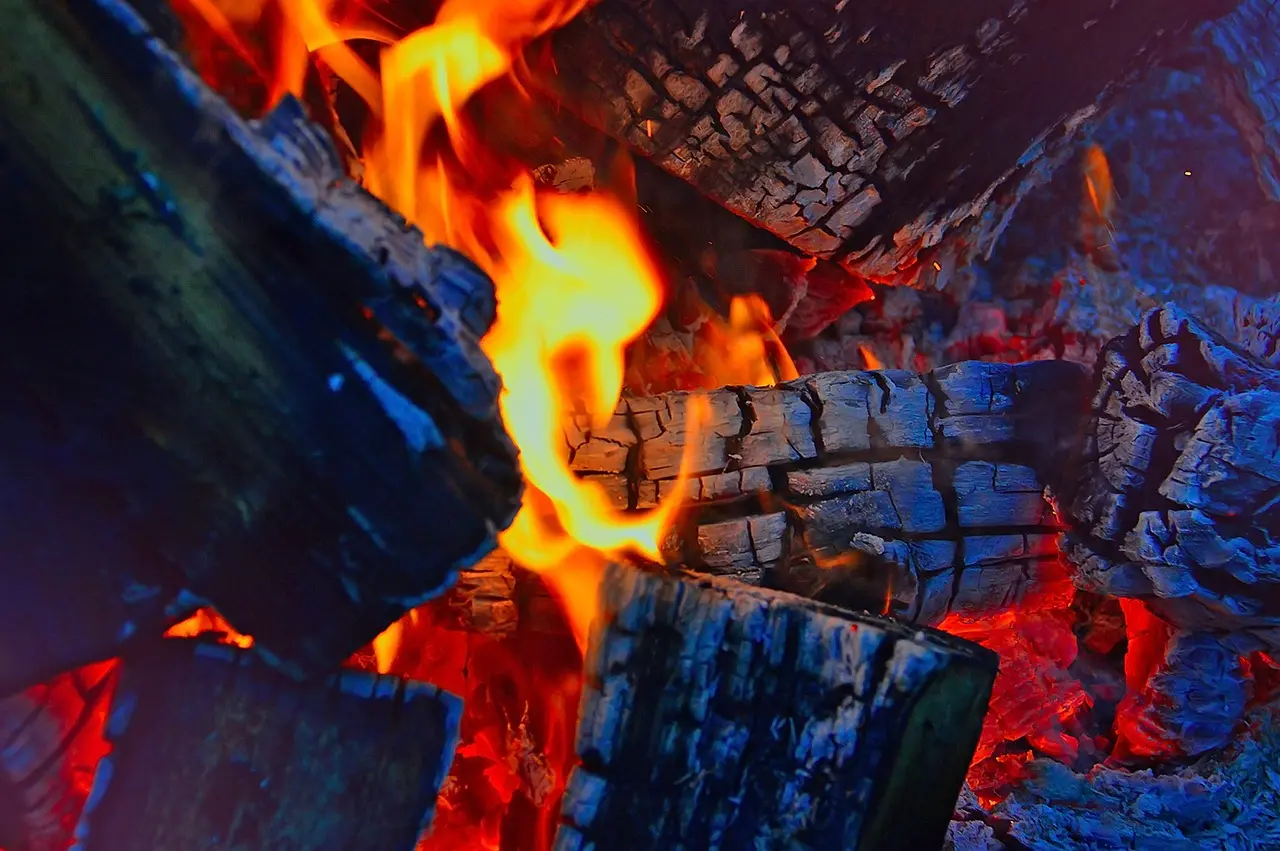


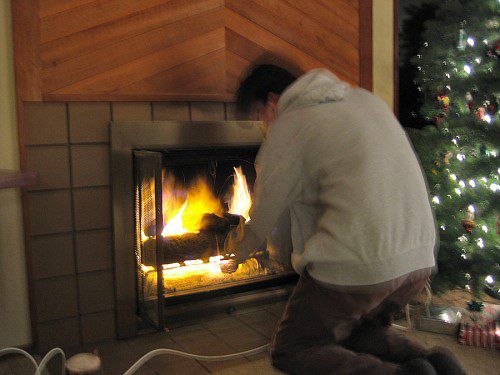
Heating a stove through the night
For overnight heat, wood choice is mostly about density, moisture, and split size. The useful comparison is relative heat value by species, usually reported in university-extension or forestry firewood charts, because denser species usually give a longer burn, a stronger coal bed, and fewer late-night reloads.
In practice, the long-burn end of the list is usually oak and hickory, with ash and hard maple close behind. I trust that ranking more than any sales pitch because it matches what I see in the stove: dense hardwoods generally hold coals longer when they are actually dry.
Dense wood still fails if it is wet. I have packed a stove with oak that looked ready from the outside, and if it is above the burn-ready range it smolders, dirties the glass, and has you chasing heat with extra air and extra reloads.
Running a fireplace for looks and steady flames
An open fireplace is less forgiving than a stove. It likes wood that lights without fuss, burns with visible flame, and does not throw heavy smoke into a cool flue.
Cherry, birch, ash, and medium-size maple splits usually fit this job better than huge oak rounds. The goal is flame quality and steady combustion, not the absolute longest coal bed.
If the wood hisses, spits water from the ends, or turns the firebox into a smoky box of blackening logs, the load is too wet, too large, or both.
Building quick, clean fire pit fires
Fire pits reward easy ignition and punish wet wood fast. Pine and fir can work well for fast evening fires when they are dry, while cherry, birch, ash, and maple give a steadier bed for cooking or longer sitting.
Softwoods generally provide a quicker, shorter burn than dense hardwoods. That does not make them bad firewood. It makes them a different fit.
Using kindling and starter wood the right way
Kindling means small, very dry pieces used to light larger splits. Softwoods often work well here because they catch quickly and throw flame early, which helps larger hardwood splits cross from smoking to burning.
The mistake is using damp kindling or jumping straight to oversized splits. That slows startup, cools the flue, and raises smoke output before the system is hot enough to burn cleanly.
📊 A full cord is 128 cubic feet of stacked wood. Source: Simply Local Wood Firewood Massachusetts Rhode Island.
For the authoritative definition used in weights-and-measures rules, see the sourcing section below: NIST Handbook 130 defines a cord as 128 cubic feet of ranked and well-stowed wood.
What is the difference between seasoned and green firewood?
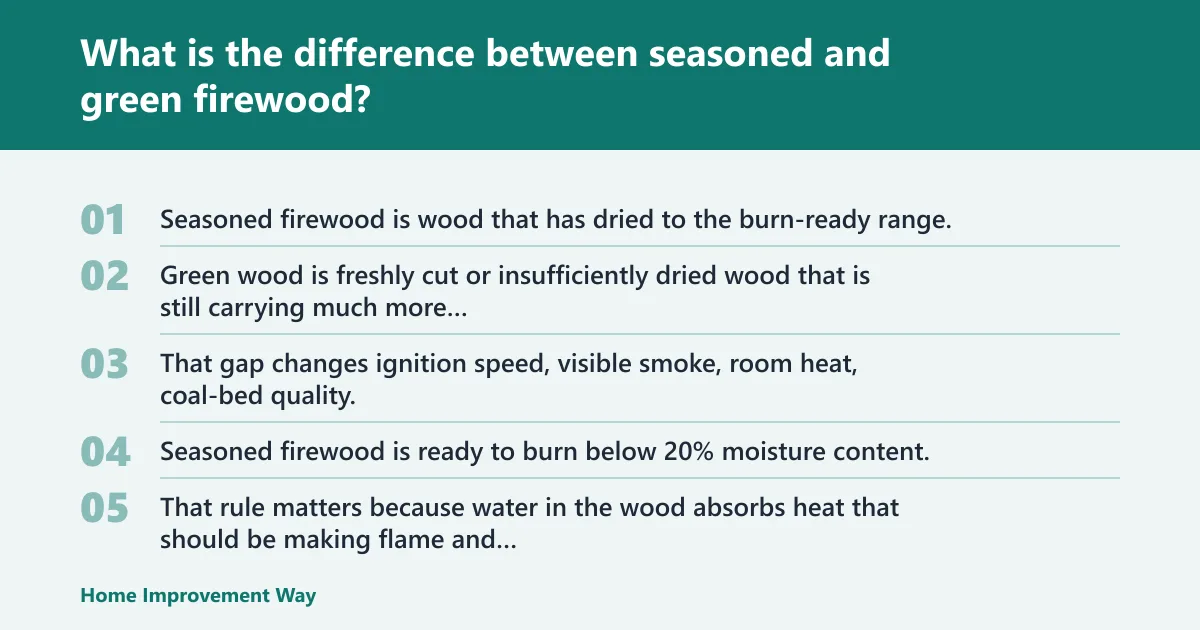
Seasoned firewood is wood that has dried to the burn-ready range, commonly cited by the U.S. EPA as 20% moisture content or less. Green wood is freshly cut or insufficiently dried wood that is still carrying much more water. That gap changes ignition speed, visible smoke, room heat, coal-bed quality, and how fast creosote can collect in the chimney or stove pipe.
Seasoned wood: the threshold that matters
Seasoned firewood is ready to burn below 20% moisture content. That rule matters because water in the wood absorbs heat that should be making flame and usable room heat instead.
Field clues for seasoned wood are helpful: cracks in the ends, darker gray weathering, looser bark, lower weight, and easier ignition. I use those signs when I walk a stack, but they only suggest dryness, they do not prove it.
A moisture meter reading on a freshly split face is the deciding test.
Green wood: why it burns badly
Green wood is still carrying too much moisture for clean, efficient burning. It usually feels heavier, holds bark tightly, shows fewer end checks, and reveals a brighter fresh color when split.
In the fire, green wood often starts with lazy flame, sizzling ends, and darker smoke. Usable heat drops because energy is spent driving off water. The result is a weak coal bed, more reloads, and faster chimney fouling.
Why visual clues help but meter readings decide
Wood can look old and still be wet inside. Rain-soaked stacks, shaded storage, oversized splits, and short seasoning time all produce that mismatch.
I use the visual clues to screen a load in a minute or two. Then I split a few pieces and let the meter make the pass or fail call.
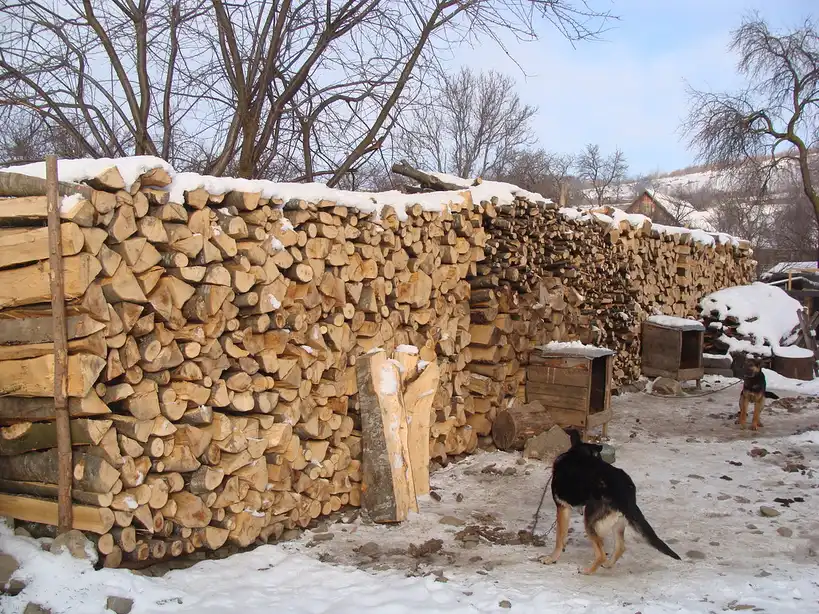
How can I tell if firewood is dry enough to burn?
Split a sample piece and test the fresh interior face with a moisture meter. Dry enough means 20% moisture or less, checked on several pieces from the load. Visual signs like end cracks, gray color, and loose bark help, but startup behavior and meter readings decide the question.
How to use a moisture meter correctly
- Pick several average pieces from different parts of the load, not just the driest-looking splits on top.
- Split each piece to expose a fresh interior face.
- Press the meter pins into that fresh split face, not the weathered outside.
- Check multiple pieces and look for a pattern, not a lucky reading.
- Pass the load for burning now only when the samples read below 20% moisture.
Field checks that support the meter reading
Dry wood tends to show end cracks, darker gray weathering, and looser bark. It usually feels lighter than greener wood of the same size.
Two practical clues show up right away during startup. Dry wood catches faster, and the first flames look active rather than dull and steamy. Wet wood often hisses, steams at the ends, and makes darker smoke before the firebox is even hot.
Pass or fail signs in the first burn
Pass signs: fast ignition with kindling, flame that spreads from edge to face, modest smoke after startup, a growing coal bed, and useful heat without running the air wide open the whole time.
Fail signs: smoldering, sizzling ends, black smoke, weak heat, glass sooting fast, and splits that look intact after too long in the fire.
When “seasoned” wood still is not ready
Sellers use the word loosely. A stack can be split months ago, stored badly, or delivered from the shaded bottom of a pile and still miss the target.
I do not trust the label on its own. I test the load that lands in the driveway.
Which wood species fit each appliance and use case?
For home heating, oak and hickory sit at the long-burn end, with ash and hard maple close behind. Birch and cherry usually light more easily and suit fireplaces or shorter burns. Pine and fir are useful for kindling and quick fires when dry, but they reload faster than dense hardwoods.
High-BTU hardwoods for stoves and overnight burns
BTU-per-cord tables are best used as comparative guides, not as promises of identical real-world output. Species rankings from forestry and extension sources consistently put oak and hickory near the top for long heating cycles, with ash and hard maple as strong everyday stove woods.
That lines up with what I see in the field. When I burn a dry, medium split of ash or maple in shoulder season, it starts more willingly than a massive oak chunk but still gives a useful coal bed. When I want the stove loaded for a colder night, dry oak or hickory is where I look first.
Easy-light hardwoods for fireplaces and shoulder season
Birch and cherry fit the in-between jobs. They are useful when fast startup matters more than all-night duration, such as cool fall evenings, living-room fireplace fires, or a quick warm-up without overheating the house.
They can still heat well when dry. They simply tend to ask for earlier reloads than the densest hardwoods.
Softwoods for kindling, quick flames, and tradeoffs
Can softwood like pine or fir be used safely as firewood? Yes, when it is dry and used where its faster burn makes sense. The problem is not that it is softwood. The problem is moisture and poor combustion.
Pine and fir usually burn faster than the hardwoods above. That makes them useful for kindling, quick shoulder-season fires, and fire pits where bright flame matters more than overnight heat.
Decision table: species, moisture, and best use
How to read the table
Use the table by matching species, moisture status, and the appliance. The same oak split can be perfect in a stove, annoying in a fireplace, and a poor choice for kindling. Moisture status changes the recommendation more than species labels alone. The moisture target comes from EPA Burn Wise guidance, and the species heat ranking follows forestry and extension references listed in Sources.
Practical decision table
| Wood type | BTU per cord | Moisture status | Best stove use | Best fireplace use | Best fire pit use | Kindling use | Typical burn behavior | Red-flag failure if mismatched |
|---|---|---|---|---|---|---|---|---|
| Oak | High relative heat value in extension firewood charts | 20% or less for immediate burning | Excellent for long heating and overnight burns, especially in medium-to-large dry splits | Good in smaller splits after hot startup | Good for long evening fires | Poor | Strong coal bed, low reload rate, slower startup | Big wet splits smolder and soot fast |
| Oak | High relative heat value in extension firewood charts | Above 20% | Do not buy for immediate burning if you need heat now | Poor | Poor | No | Hard starts, hissing, weak heat | Dark smoke and higher creosote risk |
| Hickory | High relative heat value in extension firewood charts | 20% or less for immediate burning | Excellent for high heat and long burn | Good in moderate splits | Good for lasting coals | Poor | Hot burn, solid coals, moderate ash | Oversized pieces can be slow to catch |
| Ash | Medium-high relative heat value in extension firewood charts | 20% or less for immediate burning | Very good all-around stove wood | Very good | Very good | Fair | Reliable startup, good flame, steady coals | If damp, loses its easy-light advantage |
| Maple | Medium-high relative heat value in extension firewood charts | 20% or less for immediate burning | Very good for daily heating | Very good | Very good | Fair | Balanced burn, moderate reloads | Wet maple smokes more than expected |
| Birch | Medium relative heat value; varies by birch species | 20% or less for immediate burning | Good for shorter stove cycles | Excellent for lively flame | Very good | Good in small dry pieces | Easy starts, quicker reloads, lighter coal bed | For overnight burns, reloads come too soon |
| Cherry | Medium relative heat value in extension firewood charts | 20% or less for immediate burning | Good shoulder-season wood | Excellent | Very good | Good | Pleasant flame, moderate heat, modest ash | Weak overnight performance in cold weather |
| Pine | Lower relative heat value than dense hardwoods in extension firewood charts | 20% or less for immediate burning | Good for quick starts and mild weather | Good for fast flames | Good | Excellent | Fast ignition, fast burn, frequent reloads | Poor choice when long heat is needed |
| Fir | Lower relative heat value than dense hardwoods in extension firewood charts | 20% or less for immediate burning | Good for quick startup loads | Good | Good | Excellent | Fast flame, lighter coal bed | Short burn time for all-night heat |
| Any species | Any | Above 20% | Fail for immediate use if the goal is clean, efficient burning | Fail for immediate use | Fail for immediate use | No | Steam, smoke, smoldering | Room smoke, weak heat, chimney fouling |
Quick pre-burn inspection checklist
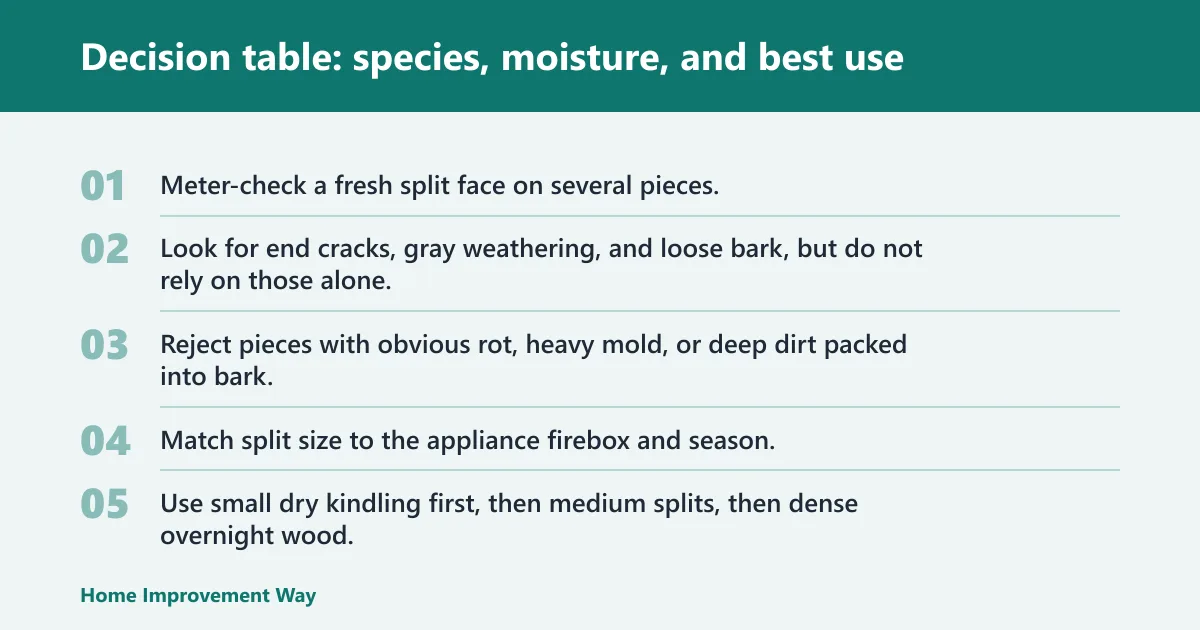
- Meter-check a fresh split face on several pieces.
- Look for end cracks, gray weathering, and loose bark, but do not rely on those alone.
- Reject pieces with obvious rot, heavy mold, or deep dirt packed into bark.
- Match split size to the appliance firebox and season.
- Use small dry kindling first, then medium splits, then dense overnight wood.
How long does split firewood take to dry by wood type?
Drying time depends on species, split size, airflow, sun, and storage, so the useful answer is relative rather than fixed. Pine and fir usually move faster. Ash, birch, cherry, and maple often land in the middle. Oak is usually the slow one and often needs far longer than sellers claim.
Fast, medium, and slow drying groups
Pine and fir are usually the quick movers when split and stacked in sun and wind. Ash, maple, birch, and cherry are often workable sooner. Oak and hickory demand more patience, especially in large splits.
That is why “seasoned” oak deserves extra skepticism at delivery. Dense wood can look old outside while staying wet inside.
What changes the timeline
Small splits dry faster than chunky blocks. Single rows dry faster than packed piles. Open wind and sun help. Shade, wrapped sides, and ground contact slow everything down.
Rain matters less than many buyers think if the stack has airflow and only the top is covered. Trapped moisture is the bigger problem. If you want the full process, see our step-by-step firewood seasoning and stacking guide.
What should I check before buying a load of firewood?
Check volume, species mix, moisture, split size, piece length, and cleanliness before money changes hands. A full cord is 128 cubic feet of stacked wood, measured as 4 ft x 4 ft x 8 ft. A face cord is often treated as one-third of a full cord when pieces are cut to standard stove length, but the depth still needs to be clarified.
Measure the load before comparing value
Volume claims mean little without the actual stack dimensions. A full cord is 128 cubic feet of stacked wood. A face cord can describe one row that is 4 feet high by 8 feet long, but the depth varies with piece length.
Face cord is also a seller term that causes confusion because buyers often forget to ask about piece depth. I never compare one supplier to another until the volume basis matches.
Inspect the wood itself
Check whether the load is all one species or a mix. Mixed loads can be useful, but they should be priced and described honestly because oak, ash, maple, pine, and birch do not deliver the same burn pattern.
Look for piece length that actually fits the appliance, split size that suits the season, and wood that is free of deep rot, caked mud, trash, and excess insect activity. Some bark loss is normal. Rotten punky cores are not.
Questions worth asking before delivery
Ask when the wood was split, how it was stacked, whether it was top-covered or fully wrapped, whether moisture readings are available, and whether the load is measured stacked or loose-thrown.
Spring and summer are described as the cheapest time to buy firewood. That timing also gives buyers more room to finish drying a load that is close, but not ready.
Ranking firewood species by heat output and creosote risk
Hardwoods like oak, hickory, maple, and ash deliver the highest heat output and cleanest burns for home wood stoves. Softwoods work only for quick starts, while wet or resin-heavy logs produce excess soot and creosote that increase chimney-fire risk.
Choosing the right species directly affects how much warmth you get per load and how often you need to clean your flue. Our guide comparing best firewood species ranks common options by BTU potential, burn time, ash residue, and creosote buildup. It also highlights specific advantages, such as black locust for maximum heat, ash for easy splitting and fast seasoning, and birch for reliable ignition.
How do I know if a supplier is actually selling seasoned wood?
Trust the claim only after the delivered load passes inspection. Real proof is moisture at 20% or less on several freshly split sample faces, plus storage clues that support that reading. If the wood is heavy, tight-barked, bright inside, and hissing in the first burn, it is not ready.
Claims that deserve proof
Marketing words are easy. Delivery evidence is harder to fake. If a supplier says the wood is seasoned, meter-check it.
I have had loads that looked fine from the tailgate and failed once I split pieces from the middle of the stack. The outer faces were gray and checked, but the interior still read wet enough to hiss and stall the fire. That is why I sample from more than one spot and why I do not call wood “ready” just because it was cut last year.
Sampling on delivery day
Pull pieces from the top, middle, and lower part of the load. Split them. Test the fresh faces.
One dry piece on the edge proves nothing. Several passing samples prove much more.
When to reject or renegotiate
Reject or renegotiate if the volume is short, the species mix differs from the order, or too many samples miss the moisture target for immediate burning. The same goes for loads contaminated with dirt, rot, or oversized pieces that do not fit the promised use.
What causes firewood to burn poorly or make too much smoke?
Most bad burns come from three causes: wet wood, weak startup heat, or the wrong wood for the job. Oversized splits, poor airflow, and cool flues make those problems worse. The visible clues are familiar: smoldering, dark smoke, weak heat, frequent reloads, and faster creosote accumulation.
Wet wood and poor startup
Starting with damp kindling or large cold splits is a common failure. The fire never gets ahead of the moisture load, so the flue stays cool and combustion stays dirty.
That is why dry kindling matters so much. Small, very dry pieces create the early flame needed to light larger wood cleanly.
Species mismatch and appliance mismatch
Pine in a heating stove on a mild evening can be a smart choice. Pine in the same stove for overnight heat in hard weather will likely mean frequent reloads and disappointment.
Huge oak splits in an open fireplace can be equally frustrating. The wood itself is good. The match is bad.
Smoke, creosote, and cleaning
Chimney creosote risk rises with poor combustion, smoke, and moisture. Wet wood is a major driver, but so are cool flue temperatures and smoldering fires with low flame.
Regular chimney cleaning is still necessary regardless of species. Dry wood reduces trouble. It does not erase maintenance. In my own checks, the warning pattern is consistent: slow startup, lazy flame, dark smoke outdoors, and black glass inside usually show up together.
How should I store firewood so it stays dry and seasons faster?
Store firewood off the ground, in rows with airflow, where sun and wind can reach it. Cover only the top to shed rain and snow while leaving the sides open. Keep the stack away from the house, and bring indoors only the amount needed soon.
Stacking for drying, not for looks
Use pallets, runners, or another base to keep the first course off soil. Ground contact pulls in moisture and invites rot.
Single rows dry faster than deep heaps. Leave enough side exposure for moving air. I have seen plenty of neat wrapped stacks that stayed wetter than rougher open rows.
Top-cover only
Top-covering sheds water while letting the sides breathe. Full tarping traps humidity, especially after rain or snowmelt.
That trapped dampness is one reason wood can arrive looking seasoned on the outside and reading wet inside.
Placement and indoor handling
Pick a spot with sun, wind, and drainage. Avoid the darkest fence line on the property if the goal is faster seasoning.
Keep the main pile separated from the house. Bring in a small indoor supply as needed so seasoned wood stays dry without turning the living space into long-term storage.
Frequently asked questions
How can I tell if firewood is dry enough to burn?
Dry enough means 20% moisture or less, checked on a freshly split face with a moisture meter. Test several pieces from different parts of the load. End cracks, gray color, loose bark, and lower weight are useful clues, but first-burn performance and meter readings are the real pass/fail check.
Which wood species burn hottest for home heating?
For home heating, oak and hickory are usually at the top of standard firewood heat-value rankings, with ash and hard maple also strong choices. Higher relative heat value usually means longer burns, stronger coals, and better overnight performance, assuming the wood is dry enough to burn cleanly.
Can softwood like pine or fir be used safely as firewood?
Yes, if it is dry and used for the right job. Pine and fir work well for kindling, quick fires, and mild-weather burns because they ignite quickly. Their tradeoff is shorter burn time and more frequent reloads compared with dense hardwoods, especially when long stove heat is needed.
What should I check before buying a load of firewood?
Confirm the measurement, species mix, moisture, split size, and piece length first. A full cord is 128 cubic feet of stacked wood, while a face cord may represent one row but still needs depth clarified. Also inspect for dirt, rot, insects, and badly stored or rain-soaked wood.
How do I know if a supplier is actually selling seasoned wood?
Seasoned wood should test at 20% moisture or less on freshly split sample faces from several parts of the delivered load. Heavy pieces with tight bark, few end cracks, bright fresh interiors, hissing starts, and dark smoke are warning signs. Storage method matters, so ask how the wood was split, stacked, and covered.
How should I store firewood so it stays dry and seasons faster?
Stack it off the ground in open rows where wind and sun can reach it, then cover only the top. Avoid wrapping the whole pile because trapped moisture slows drying and can re-wet seasoned wood. Keep the main stack away from the house and bring inside only a near-term supply.
Author: Daniel Mercer. I heat with wood, buy cordwood locally, split spot-check pieces on delivery, and use a pin-style moisture meter on fresh split faces before I stack or burn a load. My experience in this article is based on routine field checks in stoves, fireplaces, and outdoor fire pits rather than showroom demos or seller descriptions.
Review date: October 7, 2026.
Editorial review and method: This article was reviewed against U.S. EPA Burn Wise guidance for moisture and smoke reduction, NIST cord definitions used in weights-and-measures regulation, USDA wood-property references for species density, and university-extension firewood heat-value charts used for relative species comparisons.
Sources
- U.S. Environmental Protection Agency, Burn Wise. Cited for the recommendation to burn firewood with moisture content of 20% or less and for guidance linking wet wood to more smoke and poor combustion.
- NIST Handbook 130, Uniform Regulation for the Method of Sale of Commodities. Cited for the legal definition of a cord as 128 cubic feet of ranked and well-stowed wood.
- USDA Forest Service, Forest Products Laboratory, Wood Handbook: Wood as an Engineering Material. Cited for species density and wood-property background that explains why denser species generally provide longer burns.
- University extension and forestry firewood heat-value charts, including commonly cited state extension references. Used for comparative species rankings such as oak and hickory at the long-burn end, ash and maple as strong mid-to-high heat woods, and pine and fir as faster-burning options.
- USDA Forest Service and EPA consumer wood-burning guidance on incomplete combustion and creosote formation. Cited for the connection between smoldering fires, cool flues, smoke, and higher creosote risk.
Sponsored / affiliate links. As an Amazon Associate I earn from qualifying purchases. I may earn additional commission from eligible campaigns.