3 Best Fireplace Guards for Child Safety (2026): research shows
The best fireplace safety guards are anchored barriers with small openings, a child-resistant latch, and enough width to overlap the hearth on each side. A weak screen can tip, let small hands reach hot surfaces, or still allow sparks onto rugs and toys. This guide shows which guard features matter for child contact, spark control, stability, and heat-flow tradeoffs.
This guide is part of our Fireplace safety guide for homeowners series.
Best fireplace safety guards: top pick and why
For child protection, start with a hardware-mounted or highly stable enclosure that cannot be pulled forward easily. For spark control only, a tightly woven mesh screen is the better fit. The right choice depends on whether you need to stop reach, embers, or both.
For most homes with young children, the safest setup is an anchored barrier with a high latch and limited openings. If your main concern is embers, a dense steel mesh screen can work well, but it is not the same as a child fence.
Quick comparison
| Product | Badge | Best for | Price | ||
|---|---|---|---|---|---|
 |
Fire Beauty Wrought Iron Fireplace Screen Safety Guard forFire Beauty | Our pick | Wrought iron flat safety screen for indoor hearth | $69.99
Price as of 11 Oct 2026
|
View |
 |
Best Choice Products 47.5×27.25in 3-Panel Simple Steel MeshBest Choice Products | Budget pick | 47.5×27.25in 3-panel steel mesh screen with rustic finish | $49.99
Price as of 11 Oct 2026
|
View |
 |
Best Choice Products 3-Panel 55x33in Solid Wrought IronBest Choice Products | Also great | 55x33in 3-panel wrought iron mesh screen with decorative scroll | $49.99
Price as of 11 Oct 2026
|
View |
Use the comparison table to match the guard type to the hazard first: child reach, spark escape, tipping, or heat blockage. Style matters less than fit, height, latch quality, and whether the installation can resist pulling.
How we chose
We compared the listed guards by four things that change real-world safety: stability and anchor quality, barrier height and coverage, latch quality and access control, and spark containment versus heat-flow tradeoffs. Those are the features that decide whether a guard actually solves the problem in front of it.
We also looked at width, extension coverage, and how well a guard fits open hearths, corners, and raised edges. A guard that leaves gaps at the sides or tips under load fails its main job.
Finally, we favored clear installation paths. If a guard needs wall brackets, screw-in anchors, or assembly that is hard to inspect later, that burden should be part of the buying decision.
Fireplace guard features by risk: the decision matrix
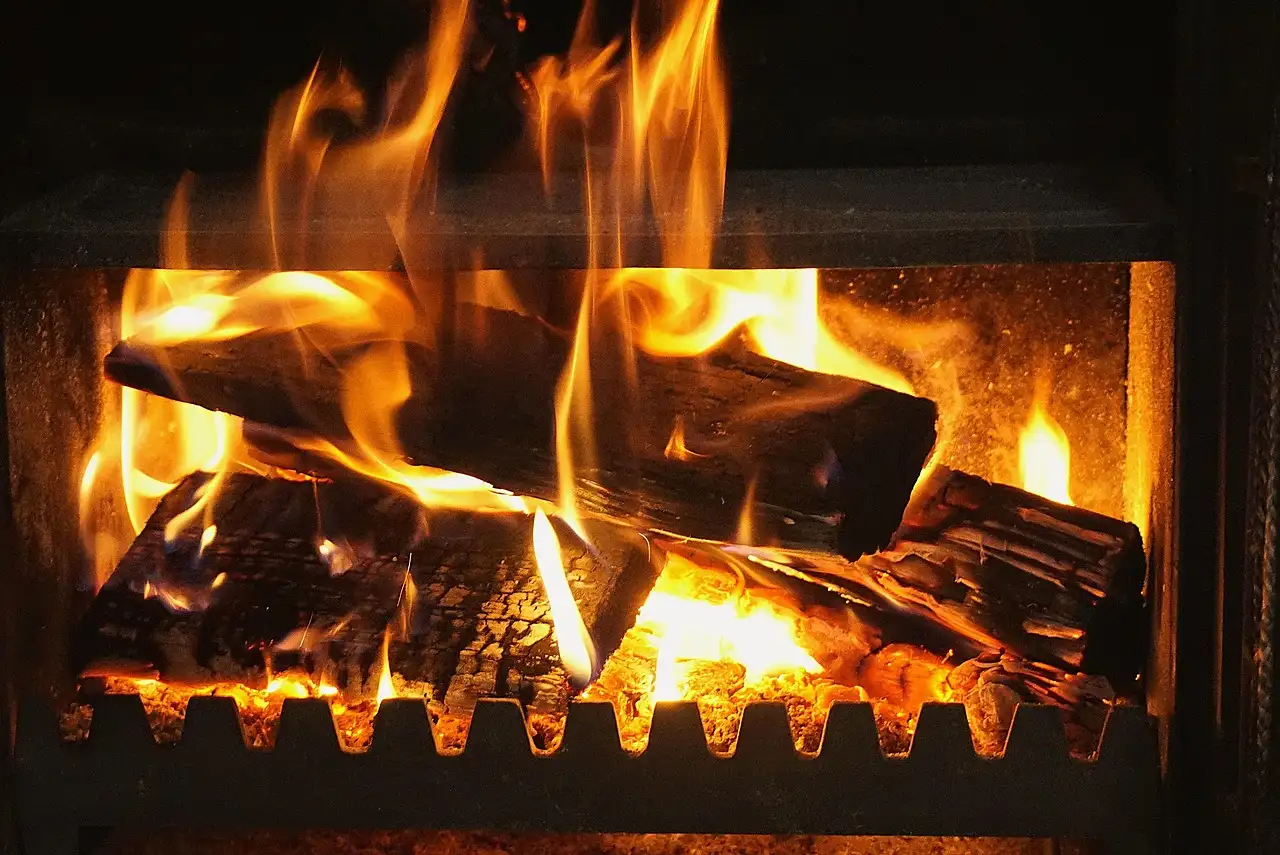
The best fireplace guard feature depends on the hazard you are trying to reduce. A screen that blocks sparks can still leave hot metal within reach. A fence can block children well but still allow more airflow and, in some layouts, more ember exposure at the top or sides.
| Feature | Child reach | Spark escape | Tipping | Heat blockage | Best use case |
|---|---|---|---|---|---|
| Freestanding mesh screen | 2/5 | 4/5 | 2/5 | 2/5 | Emb ers are the main concern; adults can monitor the fire closely. |
| Hardware-mounted safety gate | 5/5 | 2/5 | 5/5 | 3/5 | Toddlers, preschoolers, and mixed child-and-pet homes. |
| Freestanding safety fence with base feet | 4/5 | 2/5 | 3/5 | 3/5 | Open hearths where wall mounting is not practical. |
| Tempered glass guard | 4/5 | 2/5 | 4/5 | 4/5 | Homes that want a cleaner barrier and do not need maximum ember capture. |
| Wide 3-panel mesh screen | 1/5 | 5/5 | 3/5 | 2/5 | Spark-heavy fireplaces with little child access risk. |
Child reach and pull force
For child protection, the key questions are height, latch, and whether the barrier can be tipped. Smaller openings can reduce the chance of head or arm entrapment, while a top rail that sits above a toddler’s reach can make climbing harder. A one-handed adult latch is useful only if it resists tampering and resets reliably.
Look for hardware-mounted brackets or anti-tip feet rather than a light frame that only depends on friction. If a child can pull the top rail and shift the whole unit, the guard is acting like furniture, not a barrier.
Spark escape and ember control
A mesh fireplace screen is designed to stop sparks and embers, especially when the mesh is tightly woven and covers the full firebox opening. It does not usually block side access well enough to count as a child barrier. Solid-panel styles can reduce ember escape more, but they may also reflect more heat and limit visibility.
Front-only screens help with the opening itself. Full surround styles do more to contain stray embers around angled hearths and wider openings, but they must fit without leaving corner gaps.
Tipping, wobble, and corner gaps
Tipping is one of the most overlooked failures. A tall fence with narrow feet can shift if a child leans on it or if a pet presses from the side. Wall brackets, screw-in anchors, and anti-tip feet matter more than decorative panel shape.
Corner and angled hearths also create gap risk. If the guard is straight but the hearth wraps around a corner, a child can move around the end and reach hot surfaces. Extension panels and angled sections solve that better than adding a longer center panel alone.
Heat blockage and clearance needs
Most guards do not stop heat completely. Full enclosures and solid panels reduce access and can cut radiant heat more than a mesh screen, but they may also keep more warmth near the firebox. That can be useful for child access control and less useful if you want quick heat spread into the room.
Keep fireplace clearance in mind. Follow the manufacturer’s spacing for hot glass or metal, leave furniture back from the hearth, and account for floor protection around rugs and cords. A guard should not create a new trip line in a busy path.
Fire Beauty wrought iron fireplace screen safety guard: best for toddlers
This is the best fit when you want a simple barrier at the front of the hearth and need broad coverage against casual contact. The flush placement and wide support feet help it sit close to the opening, which matters when a child reaches from the front or tries to push the screen.
Based on the spec sheet and reviews, the tightly woven mesh is the main strength here. It helps with sparks and embers, and the steel frame is a better choice than a light decorative screen if stability matters. It is still a screen, though, so it is not a full child enclosure.
The honest drawback is that it does not solve side access or climbing the way a hardware-mounted gate does. If your hearth is open on both sides or your child can walk around the ends, you still need additional barrier planning.
Why it fits toddler reach
This screen is most useful when the main danger is a toddler getting too close to the front of the firebox. Flush coverage reduces the gap between the barrier and the heat source, which lowers the chance of small hands reaching through from the front.
What to check before you buy
Measure the fireplace opening from edge to edge, then choose enough side overlap so the screen extends well past each side of the firebox. Check that the base feet sit flat on your floor, and verify that a raised hearth lip does not leave one foot hanging or rocking.
Where it can fail in real homes
It can fail if a child can pull it forward, if the hearth is wide enough to leave exposed edges, or if the room traffic pattern lets people brush it often. A common first-timer mistake is buying a screen for childproofing and assuming the mesh alone makes it a barrier.
Best Choice Products 47.5×27.25in 3-panel steel mesh fireplace screen: best for spark control
This is the strongest fit when your main job is spark containment. The tightly woven steel mesh, spot-welded hinges, and powder-coated finish point toward a screen built to sit in front of the firebox and catch embers before they reach the room.
For spark-heavy fires, the 3-panel format gives the screen some shape without needing wall anchors. That makes it easy to position across the front of a standard opening. It is also the better pick if you want quick setup and removal with less install burden.
The drawback is that it is still a front screen, not a child fence. It helps with embers and may reduce direct access, but it does not create a full enclosure, and the side panels do not replace gate-style coverage around open hearths.
Mesh versus solid-panel coverage
Mesh is the key feature here because it captures embers while keeping the fire visible. Solid panels would block more sightlines and can hold more heat at the barrier, but mesh better matches the spark-control job this product is built for.
Front-only screens versus surround styles
Front-only screens are fine for standard fireboxes. If your hearth turns corners or has a wide projection, a surround-style enclosure is safer for child access because it closes off more of the usable area around the fire.
How it affects heat flow
A mesh screen usually has a modest effect on airflow compared with a solid barrier. It can still reduce direct radiant heat a bit, but it should not be treated as a room-heating control device. The main benefit is spark capture, not heat blocking.
Best Choice Products 3-panel 55x33in solid wrought iron see-through metal fireplace screen: best for open hearths
This is the better choice for a wider or more open hearth where coverage and easier repositioning matter. The 55×33 inch size gives more front coverage, and the folding design makes it easier to fit around a broader opening than a single rigid panel.
It is useful when the hearth has a deeper front edge or when you need a screen that can be stored after use. The low-heat handles make movement less awkward, which matters if you need to adjust the screen often.
The drawback is the same one that affects most folding screens: they do not anchor like a wall-mounted gate. If your child leans hard on the unit or if the hearth shape is irregular, you still have to check for side gaps and wobble.
Width, extension panels, and corner fit
For open hearths, width matters as much as height. A screen should overlap the hearth by several inches on each side so the ends are not exposed. If the opening is wider than the center panel, use extension panels or a folding layout that closes the side approach paths.
Anchor hardware and anti-tip setup
Freestanding units need base feet or a stable stance on level flooring. Wall-mounted guards use brackets and screws, which are better when a child might pull upward or when the hearth sits near a high-traffic path. If the product depends on hardware, plan the install before buying so you know what the wall will accept.
Trip risk around raised hearth edges
Raised hearths create a trip point because the guard may sit on one plane while people step on another. Keep the front edge clear, avoid routing cords around the screen, and make sure the barrier does not force adults to step over a foot rail or hidden base.
What features matter most in a fireplace safety guard?
The most important features are the ones that solve the hazard you actually have. For child reach, that means height, latch quality, narrow openings, and anti-tip hardware. For sparks, that means tight mesh, good front coverage, and a fit that closes off the firebox without gaps.
After that, check stability and placement. A guard that wobbles, leaves side openings, or blocks traffic can create a different problem. Heat management matters too, but it should come after contact protection and spark control.
Should I choose a mesh screen, glass guard, or fence gate?
Choose a mesh screen if sparks are the main concern and the fire area is already outside child reach. Choose a glass guard if you want more visible separation and can accept more heat reflection at the barrier. Choose a fence gate if child access is the main issue and you need a true enclosure.
In simple terms, a mesh screen is for embers, a fence gate is for little hands, and a glass guard sits between those jobs. The safest choice depends on whether the firebox opening, hearth width, and room layout need containment or full access control.
How tall should a fireplace safety guard be for toddlers?
A toddler-facing guard should be high enough that a child cannot easily lean over the top or reach the latch. Many families aim for a barrier that sits well above standing toddler shoulder height, but the more important point is the combination of height, smooth top rail, and stable base.
Height alone is not enough. A shorter guard with excellent anti-tip hardware may outperform a taller one that shifts when pulled. If the child can climb or brace a foot on a hearth edge, you need better anchoring and fewer footholds.
Do fireplace guards block heat or airflow?
Yes, but the amount varies. Mesh screens block little airflow and only modest radiant heat, while fuller enclosures and solid panels can reduce both access and room heat transfer more noticeably. That tradeoff is part of the design, not necessarily a flaw.
If heat output matters, avoid assuming that more coverage always means better comfort. A guard that sits too close to the firebox or uses solid panels may hold warmth near the fireplace longer, which can be fine for safety but less ideal for even room heating.
What is the safest fireplace guard for a baby or preschooler?
The safest option for a baby or preschooler is a hardware-mounted or highly stable enclosure with a child-resistant latch, tight spacing, and a height that makes climbing difficult. A freestanding screen can help, but it is not the same level of protection if a child can pull or tip it.
For mixed child-and-pet homes, choose an enclosure with anti-tip hardware, one-handed adult access, and no easy corner gaps. If the fireplace is wide or angled, use extension panels or a wraparound layout so the child cannot bypass the barrier at the side.
How wide should a guard be for an open hearth?
A guard should be wide enough to cover the entire open area and overlap the hearth by at least 6 inches on each side when possible. That extra overlap reduces the chance of side access and makes the installation less sensitive to small measuring errors.
For angled or wraparound hearths, width is not just a single number. Measure the front opening, side returns, and any projection beyond the firebox. If family traffic passes close to one end, give that side more coverage than the decorative center panel would suggest.
Which one should you buy
Buy the Fire Beauty wrought iron screen if you want a straightforward front barrier and spark capture around a standard hearth. It suits families that need a screen first and only modest child access reduction second.
Buy the Best Choice Products 47.5×27.25in mesh screen if sparks are the main problem and you want easier setup with a three-panel layout. It is the better fit for a normal firebox when child access is already managed by room layout.
Buy the Best Choice Products 55x33in solid wrought iron screen if your hearth is wide, slightly awkward, or needs more visible front coverage with easier storage. It is the most flexible of the three for open hearth sizing, though it still is not a true child fence.
If you need the least installation burden, choose the screen that fits the opening best and stands flat without extra hardware. If you need the most child protection, move up to a wall-mounted or anchored enclosure rather than treating any screen as enough.
Say your fireplace sits on a raised stone hearth that is 8 inches deep and runs nearly 6 feet wide. In that case, a 3-panel screen may cover the opening but still leave the corners reachable, so an enclosure with extension panels is the safer design choice.
Suppose the room is used by a toddler and a crawling baby, and the family burns firewood on cold evenings. Then the right answer is not the most decorative screen; it is the guard with the best anti-tip hardware, the fewest gaps, and a latch that adults can open quickly but children cannot work.
Frequently asked questions
Do I need a guard if I already have a fireplace screen?
Yes, if child access is the concern. A fireplace screen helps with sparks and embers, but it is not the same as a child barrier. If a child can reach around, over, or through the setup, a screen alone is not enough.
How do I stop sparks from popping out of a fireplace?
Use a tightly woven mesh screen that fits the opening closely and stays flat enough to avoid side gaps. Keep the firebox clean, avoid overloading the fire, and make sure the screen is positioned where sparks cannot travel around the edges onto rugs or nearby furniture.
Sponsored / affiliate links. As an Amazon Associate I earn from qualifying purchases. I may earn additional commission from eligible campaigns.